Keto-Friendly Salmon Soup with Creamy Garlic Sauce
Keto-Friendly Salmon Soup with Creamy Garlic Sauce: A Professional Recipe Guide
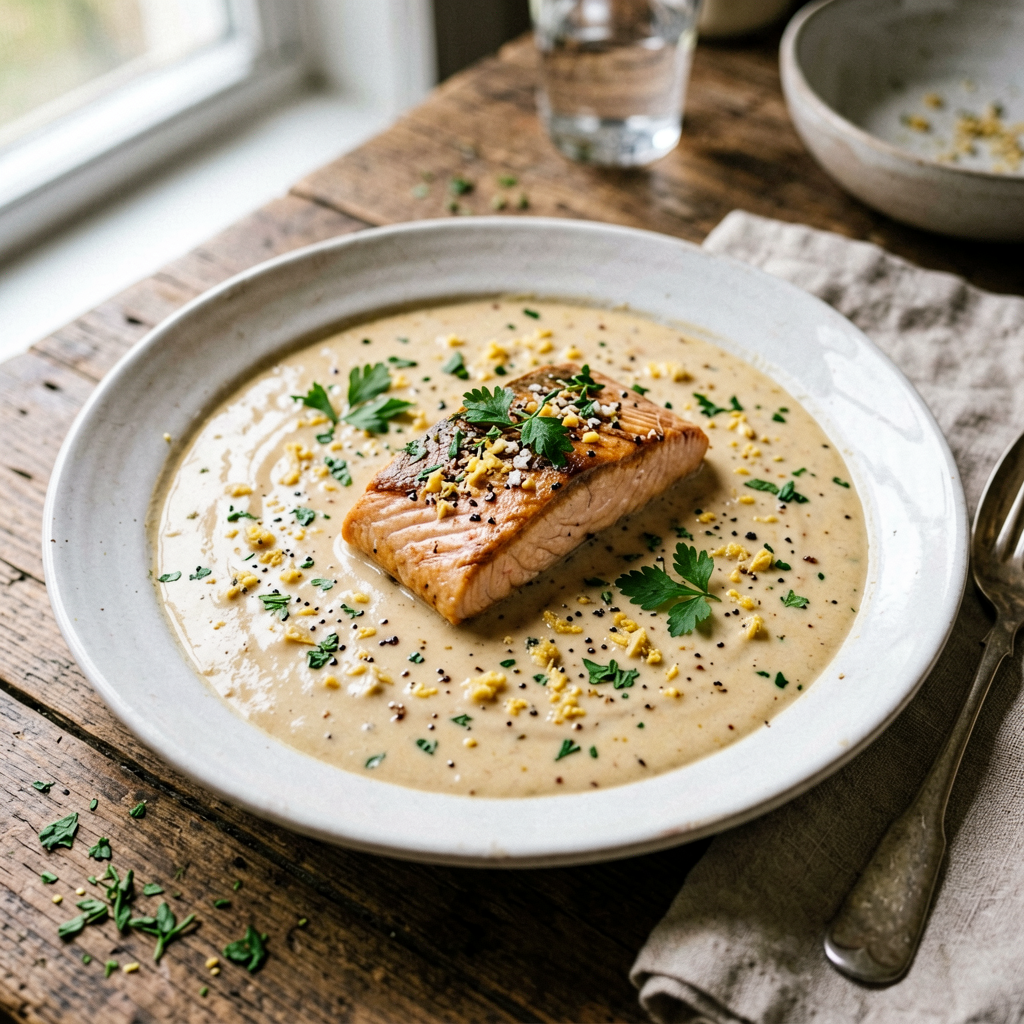
Here is a practical, keto-compliant recipe for a rich and satisfying salmon soup, elevated with a creamy garlic sauce. This dish is designed for home cooks seeking a restaurant-quality meal without unnecessary complexity. The technique focuses on building deep flavor through proper searing and creating a luxurious sauce from a flavorful fond. This is a quick, approximately 30-minute dinner suitable for beginner to intermediate cooks, with results that look and taste impressive. The method ensures the salmon remains moist and the sauce achieves a velvety texture without curdling.
What You’ll Need
Ingredients
- For the Salmon & Searing:
- Salmon Fillets: 2, skin-on, about 6 oz (170g) each. Choose center-cut fillets for uniform thickness.
- Avocado Oil: 1 tablespoon. High smoke point for a good sear.
- Kosher Salt and Freshly Ground Black Pepper: To taste.
- For the Soup Base:
- Unsalted Butter or Ghee: 2 tablespoons.
- Garlic: 4 large cloves, minced. Provides the core flavor.
- Shallot: 1 medium, finely diced. Adds a mild, sweet depth.
- Chicken or Vegetable Broth: 4 cups (960ml). Use a low-sodium, high-quality brand.
- Heavy Whipping Cream: ½ cup (120ml).
- Full-Fat Coconut Milk: ¼ cup (60ml). Adds complexity and helps stabilize the sauce.
- Dried Thyme: 1 teaspoon.
- Bay Leaf: 1 whole.
- Fresh Lemon Juice: 1 tablespoon. To brighten the final dish.
- For Assembly & Garnish:
- Fresh Chives or Dill: 2 tablespoons, chopped.
- Optional: A small handful of baby spinach or chopped kale for added greens.
Equipment Needed
- 12-inch (30 cm) Stainless Steel or Cast Iron Skillet: For perfect searing and creating the fond.
- Medium (3-quart/3L) Heavy-Bottomed Pot or Dutch Oven: For building the soup base.
- Instant-Read Thermometer: Essential for checking salmon doneness. [Check Price on Amazon]
- Microplane or Fine Grater: For mincing garlic to a paste-like consistency.
- Fish Spatula: Ideal for handling delicate salmon fillets.
Prep Work (Mise en Place)
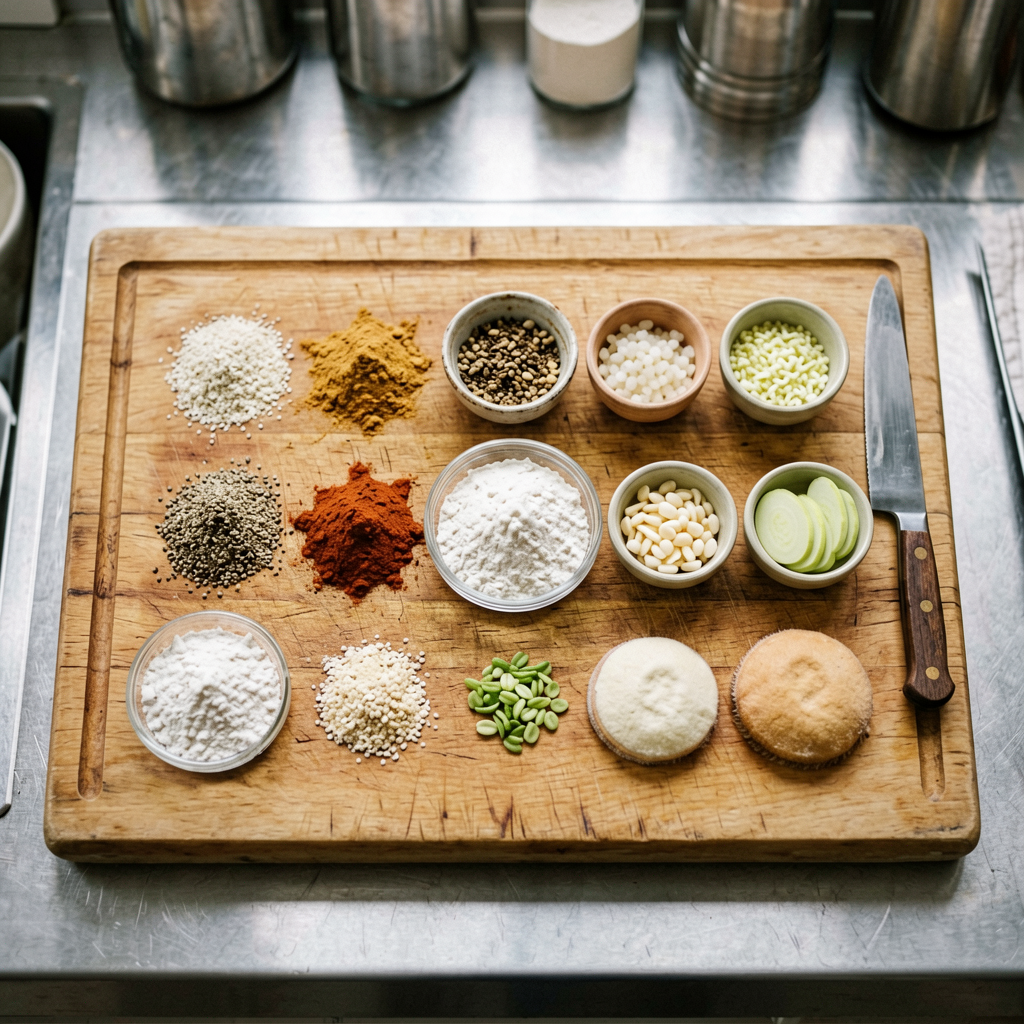
Proper preparation ensures a smooth and quick cooking process. Begin by bringing your salmon fillets to room temperature for 10-15 minutes; pat them thoroughly dry with paper towels. This is critical for achieving a proper sear. Season both sides generously with kosher salt and pepper.
Prep all your aromatics: mince the garlic, and finely dice the shallot. Measure out your broth, cream, coconut milk, and thyme. Having everything ready before you turn on the heat allows you to focus on timing and temperature control.
Cooking Instructions
- Sear the Salmon: Heat your 12-inch skillet over medium-high heat for 2 minutes. Add the 1 tablespoon of avocado oil; it should shimmer but not smoke. Carefully place the salmon fillets skin-side down. Sear for 3 minutes undisturbed. You should hear a steady sizzle. Look for a golden-brown crust forming around the edges and the color of the flesh changing from translucent orange to opaque pink about a quarter of the way up. Flip and sear for 2 minutes more on the flesh side. Remove the salmon to a plate. It will finish cooking later in the soup.
- Build the Flavor Base: Reduce the heat to medium. Add the 2 tablespoons of butter to the same skillet. Once melted, add the diced shallot. Sauté for 2-3 minutes** until softened and translucent. Add the minced garlic and dried thyme. Cook, stirring constantly, for 60-90 seconds** until fragrant. Do not let the garlic brown. This step builds the essential flavor foundation.
- Deglaze and Create the Broth: Pour in 1 cup of the chicken broth. Use a wooden spoon to scrape up all the browned bits (the fond) from the bottom of the pan—this is concentrated flavor. Let this simmer and reduce by about half, which will take 2-3 minutes. This concentrates the flavor before you add the rest of the liquid.
- Simmer the Soup: Transfer the contents of the skillet to your medium pot. Add the remaining 3 cups of broth and the bay leaf. Bring to a boil, then reduce heat to a simmer. Let it simmer gently, uncovered, for 10-12 minutes to allow the flavors to meld.
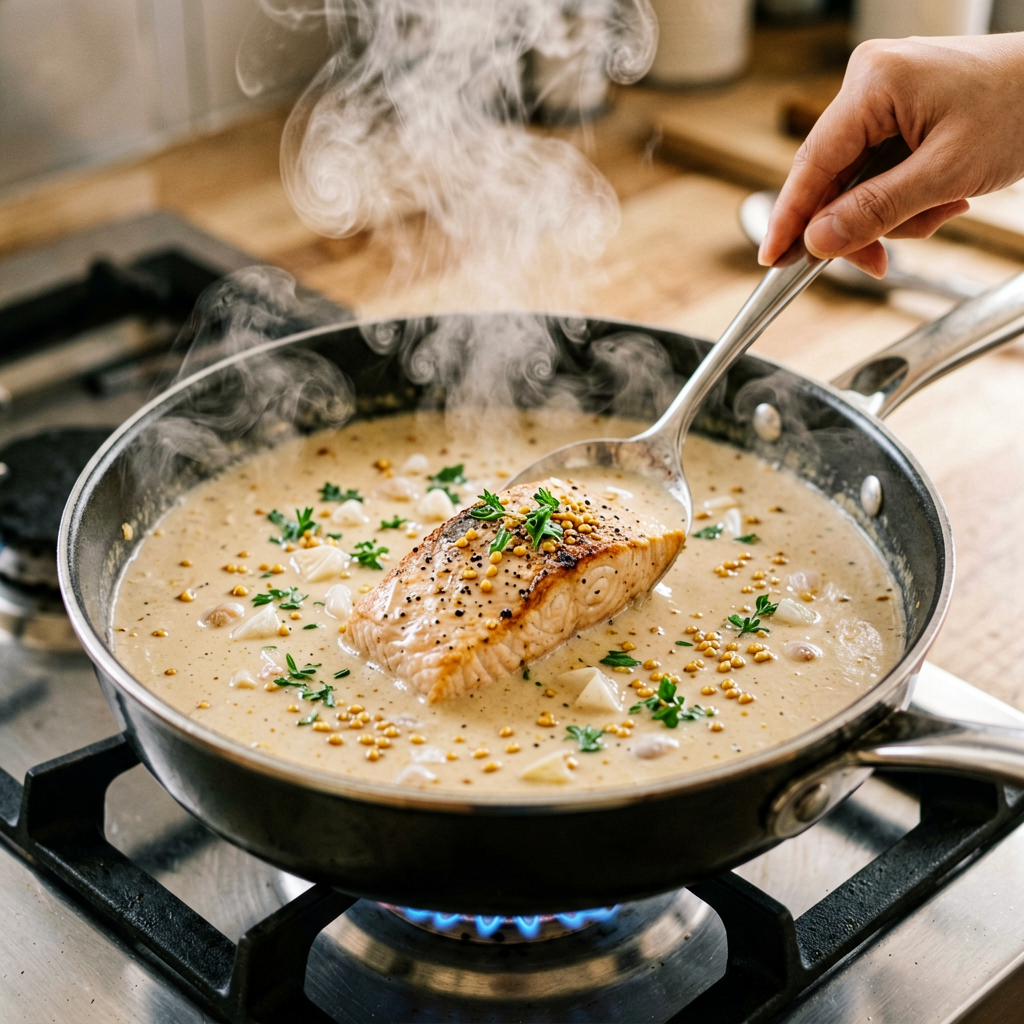
- Add Cream and Salmon: Reduce the heat to low. Stir in the heavy cream and coconut milk. Bring back to a very gentle simmer (do not boil). Carefully nestle the seared salmon fillets back into the soup. Poach for 4-5 minutes, or until an instant-read thermometer inserted into the thickest part of the salmon registers 145°F (63°C). The salmon should be opaque and flake easily.
- Finish and Season: Remove the pot from the heat. Discard the bay leaf. Stir in the fresh lemon juice and chopped chives or dill. Taste and adjust seasoning with more salt and pepper if needed. If using spinach, stir it in now; the residual heat will wilt it in about 1 minute.
- Serve: Ladle the soup into bowls, ensuring each serving gets a generous portion of salmon. Garnish with extra fresh herbs.
Pro Tips
- The Fond is Your Friend: The brown bits left in the skillet after searing the salmon are packed with umami flavor. Deglazing properly is the single most important step for a deep, complex soup base. In my experience, using a stainless steel pan makes this fond more pronounced and easier to see than non-stick.
- Preventing Cream Curdling: Always add the cream to a simmering, not boiling, liquid. Adding a small amount of coconut milk helps stabilize the dairy fats. Bringing the soup back to temperature over low heat is key.
- Substitutions: For the cream component, you can use ¾ cup of full-fat coconut milk alone for a dairy-free, but slightly less rich, sauce. Fresh tarragon (1 tablespoon) makes an excellent substitute for thyme.
- Make-Ahead Strategy: You can prepare the soup base (Steps 2-4) up to 3 days in advance and refrigerate. When ready to serve, reheat gently, then complete Steps 5-7. Cook the salmon fresh each time for best texture.
Serving Suggestions
This recipe yields 2 large, entrée-sized servings or 3 smaller, first-course servings. While hearty enough on its own, it pairs beautifully with a simple side salad of mixed greens dressed in lemon vinaigrette. For a more substantial keto meal, serve alongside ½ cup of cauliflower rice or zucchini noodles per person, stirred directly into the bowl. Avoid serving with bread to keep the meal fully keto-compliant.
Frequently Asked Questions
Q: Can I use frozen salmon?
A: Yes, but quality matters. Thaw it overnight in the refrigerator. Before cooking, remove the skin if possible (it will be soggy), and pat the fillets extremely dry with paper towels. You may need to sear for an extra 30 seconds per side to account for the residual moisture.
Q: How do I know when the salmon is perfectly done?
A: Two reliable cues: First, an instant-read thermometer should read 145°F (63°C) at the thickest point. Second, the salmon flesh will change from translucent to fully opaque and will begin to separate into clean flakes when gently pressed with a fork. Remember it will continue cooking for a minute or two after you remove it from the heat.
Q: Can I prep this ahead?
A: The soup base (through Step 4) holds well in the fridge for up to 3 days. For best results, sear and poach the salmon fresh just before serving. If you must cook the salmon ahead, slightly undercook it to 135°F (57°C) when reheating in the soup, as it will finish cooking in the hot liquid.
*As an Amazon Associate I earn from qualifying purchases.*