Sheet Pan Salmon with Honey Soy and Rosemary
Sheet Pan Salmon with Honey Soy and Rosemary
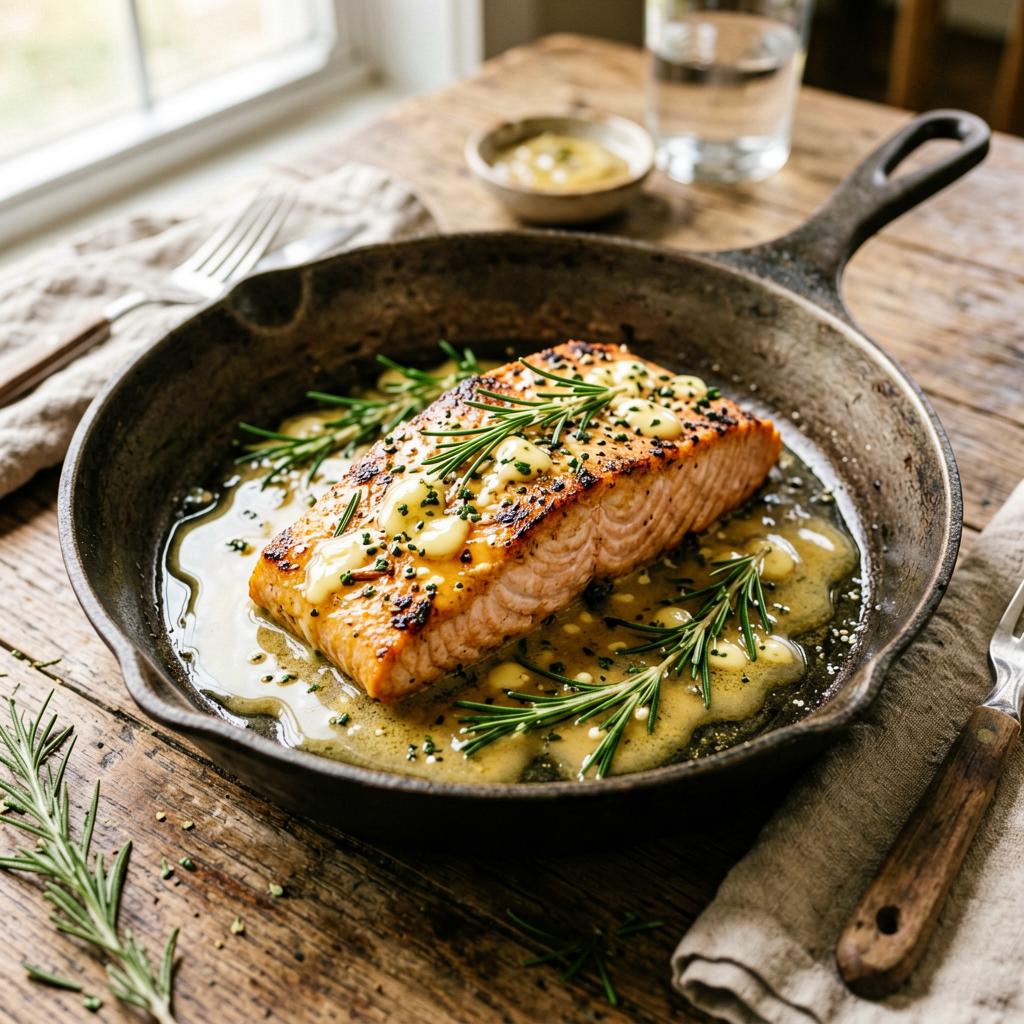
This recipe delivers a restaurant-quality meal with minimal cleanup. The combination of savory soy sauce, sweet honey, aromatic rosemary, and rich salmon creates a balanced, flavorful glaze that caramelizes beautifully under high heat. The technique relies on high-temperature sheet pan roasting to cook the salmon quickly, keeping it moist inside while developing a delicious crust. This method is perfect for weeknight dinners or easy entertaining, requiring only one pan. It’s an ideal recipe for beginner to intermediate home cooks looking to master a reliable, impressive protein with simple, pantry-staple ingredients.
What You’ll Need
Ingredients
- Salmon Fillets: 4 fillets (6oz / 170g each), skin-on. Look for bright, translucent flesh with no browning or strong fishy odor. Skin-on helps retain moisture.
- Low-Sodium Soy Sauce: 3 tablespoons (45ml). Using low-sodium allows you to control the salt level.
- Honey: 2 tablespoons (42g). Clover or wildflower honey works well for its clean, floral sweetness.
- Fresh Rosemary: 1 tablespoon, finely chopped (from about 1 large sprig). Its piney flavor is key. Dried rosemary can be used in a pinch (1 teaspoon), but fresh is strongly preferred.
- Garlic: 3 cloves, minced or pressed.
- Fresh Ginger: 1 teaspoon, grated (optional, but adds excellent warmth).
- Extra-Virgin Olive Oil: 1 tablespoon (15ml), plus 1 tsp for the vegetables.
- Black Pepper: ½ teaspoon, freshly ground.
- Vegetables (Optional for a one-pan meal): 1 lb (450g) baby broccoli, broccoli florets, or asparagus, trimmed.
- Lemon: 1 for serving.
Equipment
- Half-Sheet Pan (18×13 inches): A standard rimmed baking sheet is essential. Lining it with parchment paper or a silicone mat ([Check Price on Amazon]) makes cleanup effortless and prevents the glaze from burning onto the pan.
- Small Saucepan: For reducing the glaze.
- Whisk
- Instant-Read Thermometer: The most reliable tool for perfect doneness.
- Pastry Brush
- Cutting Board & Knife
Prep Work
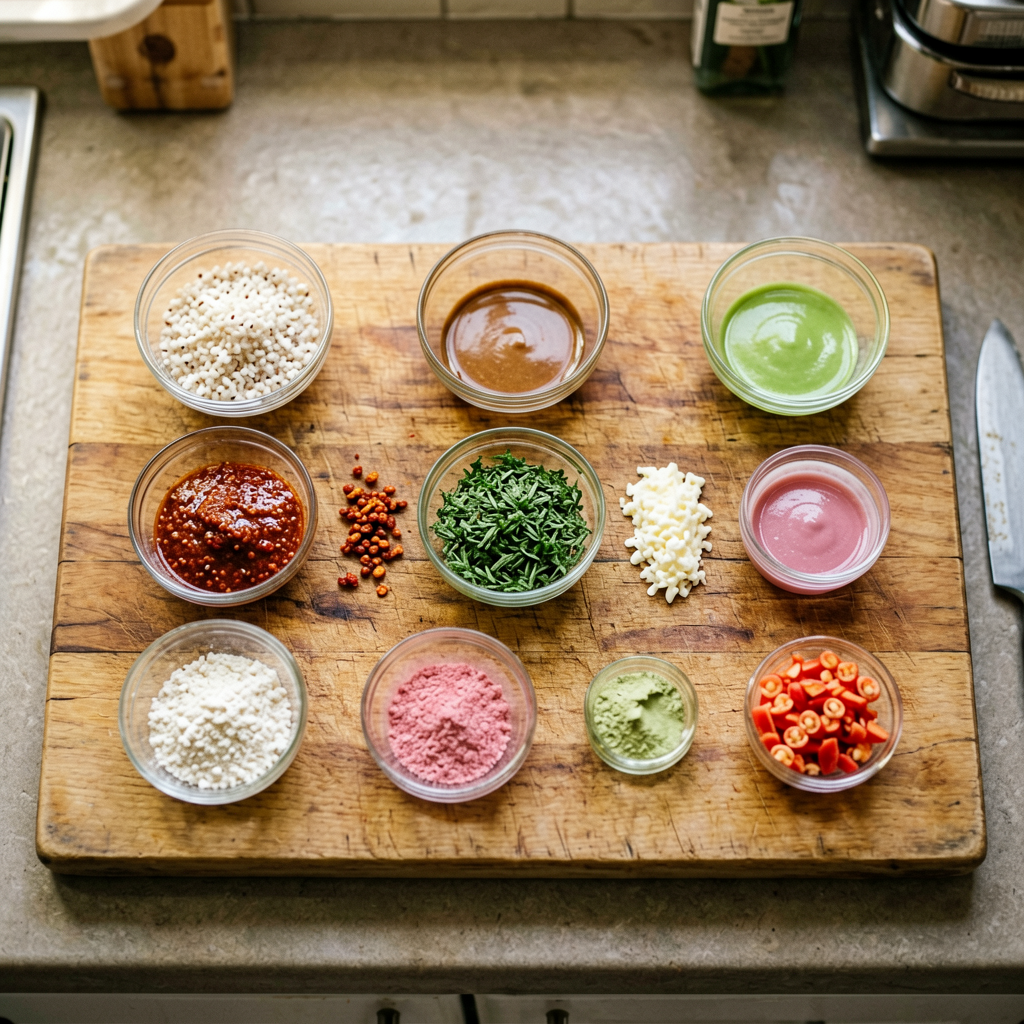
- Preheat & Position: Position an oven rack in the upper-middle position. Preheat oven to 400°F (200°C). Starting with a hot oven is crucial for immediate caramelization.
- Salmon: Remove fillets from the refrigerator 15-20 minutes before cooking. Patting them thoroughly dry with paper towels is non-negotiable for achieving a good sear. Place skin-side down on the prepared sheet pan.
- Made-Ahead Tip: The honey-soy glaze can be prepared up to 3 days in advance and stored in the refrigerator. Bring to room temperature before using.
- Vegetables: If using, toss them with 1 tsp olive oil, a pinch of salt, and pepper. Keep them separate until step 4.
Cooking Instructions
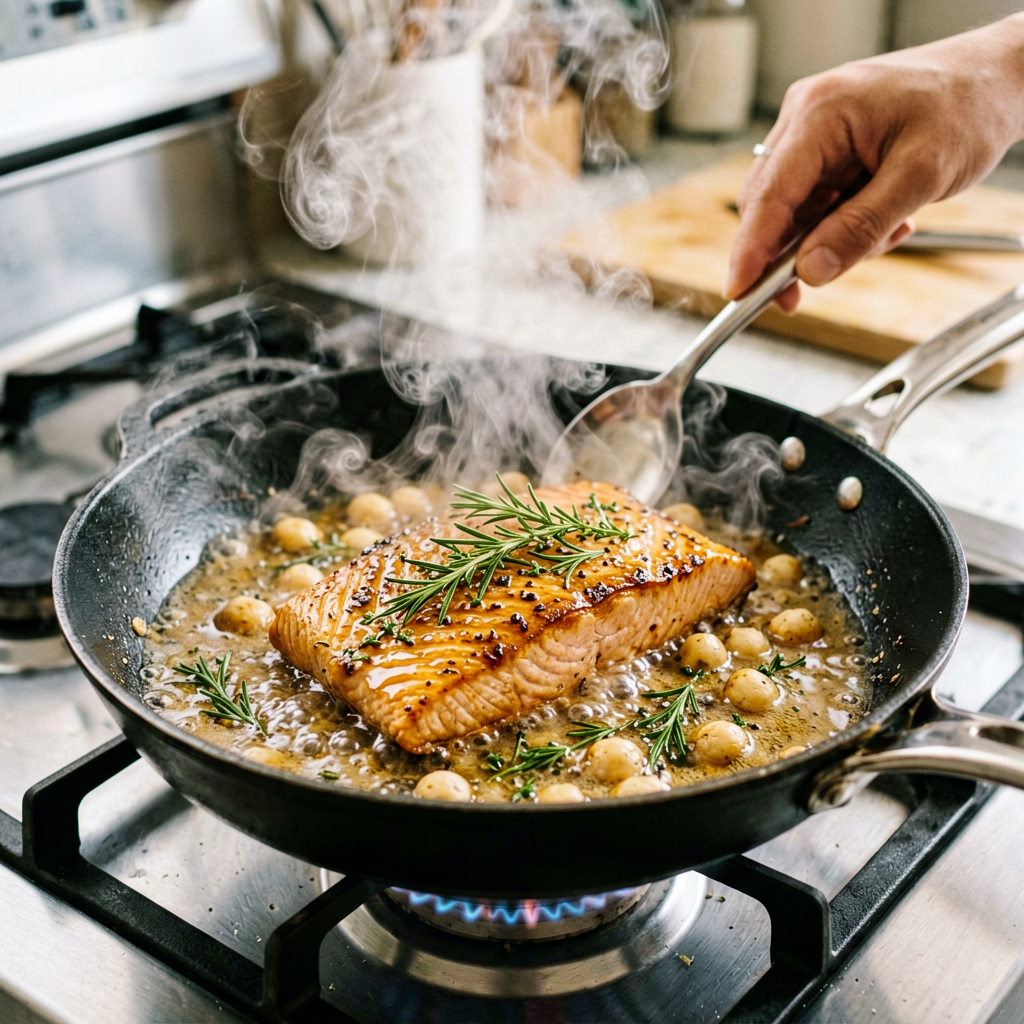
- Make the Glaze: In a small saucepan over medium heat, combine the soy sauce, honey, minced garlic, grated ginger (if using), and black pepper. Bring to a gentle simmer, whisking until the honey dissolves, about 2 minutes. Let it simmer gently for another 3-4 minutes, until slightly reduced and syrupy. It should coat the back of a spoon. Remove from heat and stir in the chopped rosemary. In my experience, reducing the glaze concentrates the flavor and ensures it adheres to the salmon rather than sliding off.
- Initial Sear & Glaze: Lightly brush the top (flesh-side) of the salmon fillets with 1 tablespoon of olive oil. Place the sheet pan in the preheated oven and roast for 5 minutes. This initial blast of heat begins to render fat and firm up the exterior.
- Apply the Glaze: Remove the pan from the oven. Carefully flip each fillet to skin-side up. Brush a generous layer of the honey-soy glaze over the skin and sides of the salmon. Return the pan to the oven.
- Add Vegetables (If Using): Remove the pan from the oven again. Flip the salmon back to skin-side down. Arrange the prepped vegetables around the salmon fillets on the empty spaces of the pan. Brush the salmon with another layer of glaze. Return the pan to the oven for a final 8-10 minutes.
- Check for Doneness: The total roasting time will be 13-15 minutes. Salmon is done when an instant-read thermometer inserted into the thickest part reads 125-130°F (52-54°C) for medium (my preferred doneness). The flesh will be opaque, pinkish-white, and will flake easily when gently nudged with a fork. Avoid overcooking, which makes it dry and chalky. If the glaze is browning too quickly, you can tent loosely with foil for the last few minutes.
- Rest: Remove the pan from the oven. Let the salmon rest directly on the pan for 5 minutes. This allows the juices to redistribute throughout the fillet, ensuring every bite is moist.
Pro Tips
- The Dry Brine Trick: For even more flavor and moisture retention, lightly salt the salmon fillets and let them sit on a rack in the fridge (uncovered) for 1 hour to overnight before cooking. This seasons the fish and draws out surface moisture for better browning.
- Glaze Control: Apply the glaze in layers as instructed. Adding it all at the beginning can cause the sugars to burn before the salmon is cooked through. The second layer in the final minutes creates that perfect lacquered finish.
- Substitutions: No rosemary? Thyme or cilantro (added after cooking) are excellent alternatives. For a different protein, this glaze is fantastic on chicken thighs (adjust cooking time to 20-25 minutes) or pork tenderloin.
- Crispy Skin Secret: Ensure your oven is fully preheated and the salmon skin is dry. Cooking it skin-side down on the hot sheet pan will render the fat and create a wonderfully crisp skin.
Serving Suggestions
Plate each salmon fillet skin-side down. Spoon any pan juices over the top. Serve immediately with a squeeze of fresh lemon juice to cut through the richness.
- Sides: The roasted vegetables from the pan are the perfect companion. Serve alongside fluffy jasmine rice, quinoa, or creamy mashed potatoes to soak up the extra glaze. A simple arugula salad with a lemon vinaigrette also makes a great contrast.
- Portion Guidance: One 6oz (170g) fillet is a standard main-course portion. For heartier appetites, consider an 8oz (225g) portion.
FAQ
Can I use frozen salmon?
Yes, but it must be fully thawed first. The best method is to thaw it overnight in the refrigerator. Do not cook from frozen, as it will steam instead of roast, and the glaze won’t adhere properly. Pat it very dry after thawing.
How do I know when it’s done without a thermometer?
Look for two cues: the flesh should turn from translucent deep orange to a lighter, opaque pinkish-white. Gently press the thickest part with a fork—if it flakes easily and looks just opaque in the center, it’s done. Remember, it will continue to cook slightly while resting.
Can I prep this ahead?
Absolutely. Thaw the salmon and prep the glaze as directed (store separately in the fridge). Right before dinner, preheat the oven, dry the salmon, assemble, and roast. The entire active cooking time is only 15 minutes.
My glaze burned. What went wrong?
This usually means the oven was too hot, the glaze had too much sugar, or it was applied too early. Ensure your oven is calibrated correctly. You can reduce the honey by 1 teaspoon if needed, and always follow the layered glazing technique, applying the final coat in the last few minutes of cooking.
*As an Amazon Associate I earn from qualifying purchases.*