Sheet Pan Salmon with Spicy and Thyme
Sheet Pan Salmon with Spicy Thyme: A Perfectly Roasted, One-Pan Wonder
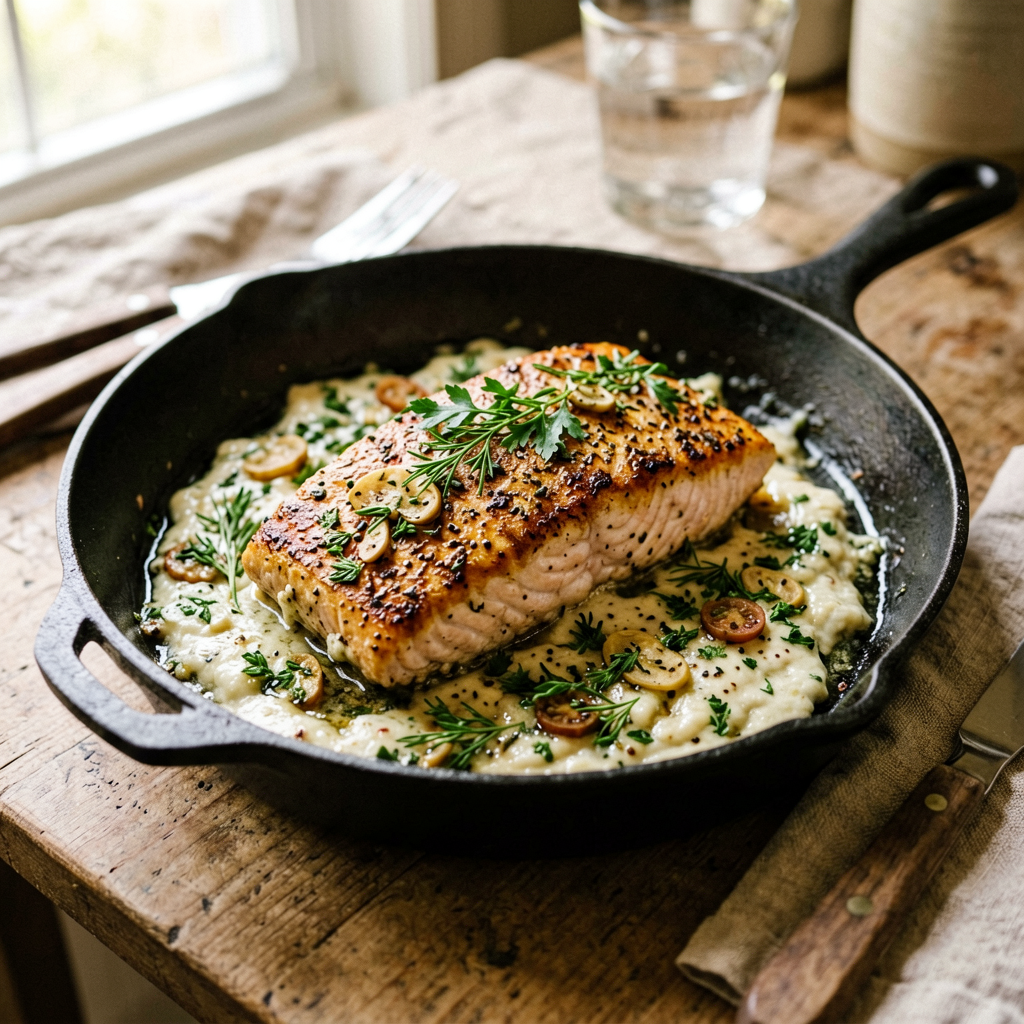
This sheet pan salmon recipe delivers restaurant-quality results with minimal effort. The method uses high heat to create a beautifully caramelized, spicy crust while the gentle steam of the sheet pan ensures a moist, flaky interior. This is a technique-driven recipe that teaches you how to control heat, layer flavors, and use your oven effectively. It’s ideal for busy weeknights but elegant enough for a weekend dinner party. The combination of smoky paprika, aromatic thyme, and a touch of heat cuts through the richness of the salmon, creating a balanced, healthy meal you’ll make on repeat. In my experience, mastering this method means you’ve mastered the foundation for roasting any protein and vegetable combination.
What You’ll Need
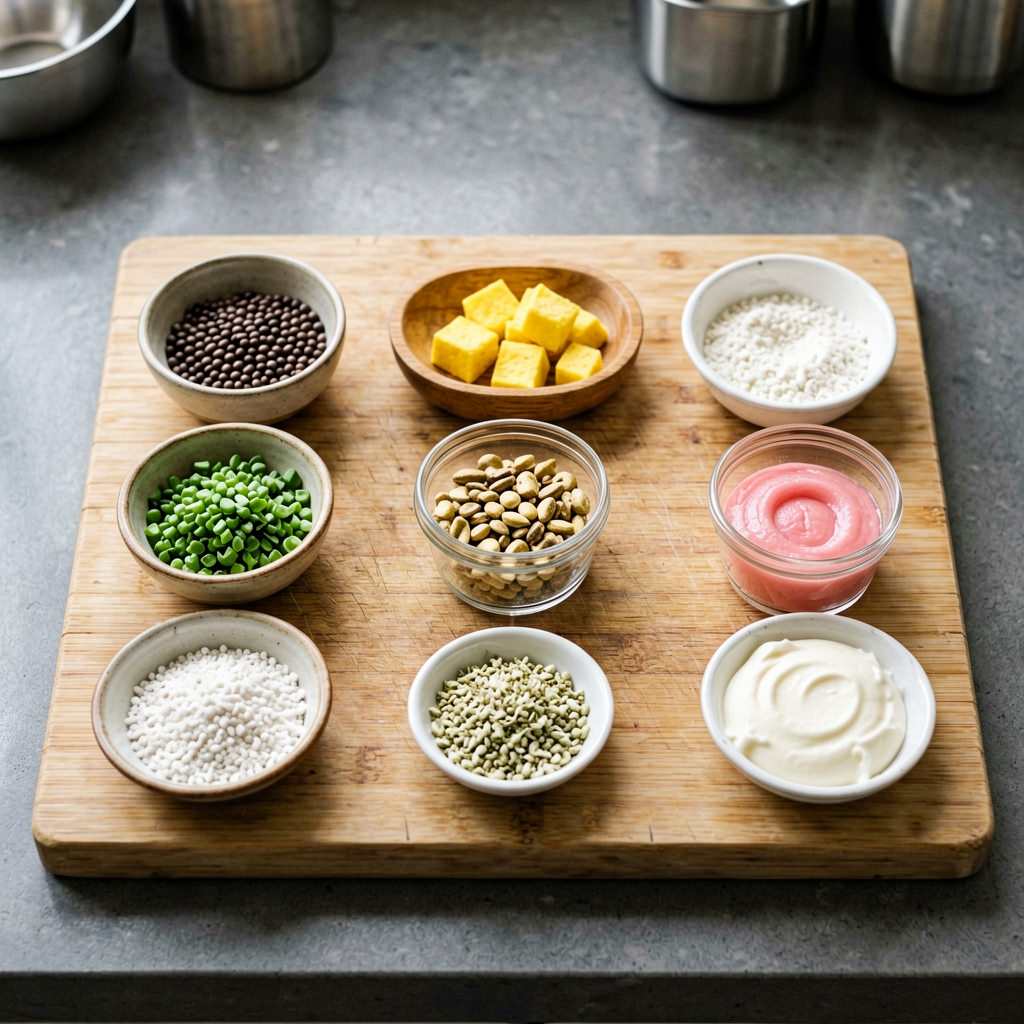
Ingredients (Serves 2):
- Salmon Fillets: 2 fillets, 6 oz each, skin-on preferred. Skin protects the fish and can become wonderfully crispy. Pat the skin very dry.
- Extra Virgin Olive Oil: 2 tablespoons, divided.
- Smoked Paprika: 1 teaspoon. This provides a deep, smoky base. Regular paprika can be substituted but won’t have the same depth.
- Garlic Powder: 1/2 teaspoon.
- Onion Powder: 1/2 teaspoon.
- Cayenne Pepper: 1/4 to 1/2 teaspoon, depending on your heat preference. This is the “spicy” element.
- Fresh Thyme: 1 tablespoon leaves, stripped from the stems (about 1 large sprig). 1/2 teaspoon dried thyme can be used in a pinch.
- Kosher Salt: 1/2 teaspoon, plus more for seasoning vegetables.
- Freshly Ground Black Pepper: 1/4 teaspoon.
- Lemon: 1, for zest and juice.
- Asparagus or Broccoli: 1 bunch, trimmed. About 10-12 oz.
Equipment Needed:
- Half-Sheet Pan (18″ x 13″): A light-colored metal pan is ideal for even browning. A rimmed baking sheet is essential to catch juices. A sturdy, quality pan prevents warping. [Check Price on Amazon]
- Parchment paper or silicone baking mat.
- Small bowl for spice rub.
- Microplane or zester.
- Instant-Read Thermometer: This is the only tool that guarantees perfect doneness every time. [Check Price on Amazon]
Prep Work
1. Prepare the Pan & Oven: Place a rack in the center of your oven and preheat to 425°F (220°C). Line your sheet pan with parchment paper for easy cleanup. The high heat is non-negotiable for getting a good sear.
2. Prep the Salmon: Remove salmon from the fridge 15 minutes before cooking. A cold fillet going into a hot oven cooks unevenly. Pat the salmon fillets, especially the skin, completely dry with paper towels. Moisture is the enemy of crispiness.
3. Make the Spice Rub: In a small bowl, combine the smoked paprika, garlic powder, onion powder, cayenne, thyme leaves, 1/2 teaspoon kosher salt, and black pepper. Mix thoroughly.
4. Prep the Vegetables: Trim the woody ends from the asparagus or cut broccoli into small florets. Dry them thoroughly.
5. Season Everything: Place the dry vegetables on the prepared sheet pan. Drizzle with 1 tablespoon olive oil and a generous pinch of salt. Toss to coat evenly, then spread them into a single layer, leaving space in the center for the salmon.
6. Coat the Salmon: Drizzle the remaining 1 tablespoon olive oil over the salmon fillets. Use your fingers to rub it over the top and sides. Generously coat the top and sides of each fillet with the spice rub, pressing gently to adhere.
In my experience, letting the spiced salmon rest for 10 minutes while the oven finishes preheating allows the flavors to meld and the surface to dry slightly, which promotes better browning.
Cooking Instructions
Step 1: Initial Roast (Vegetables Only)
- Action: Place the sheet pan with the seasoned vegetables into the preheated 425°F (220°C) oven.
- Time: Roast for 5 minutes.
- Why & What to Look For: This head start ensures the vegetables will be perfectly tender-crisp at the same time as the salmon is done. You’ll see the oil shimmering and hear a faint sizzle.
Step 2: Add Salmon & Finish Cooking
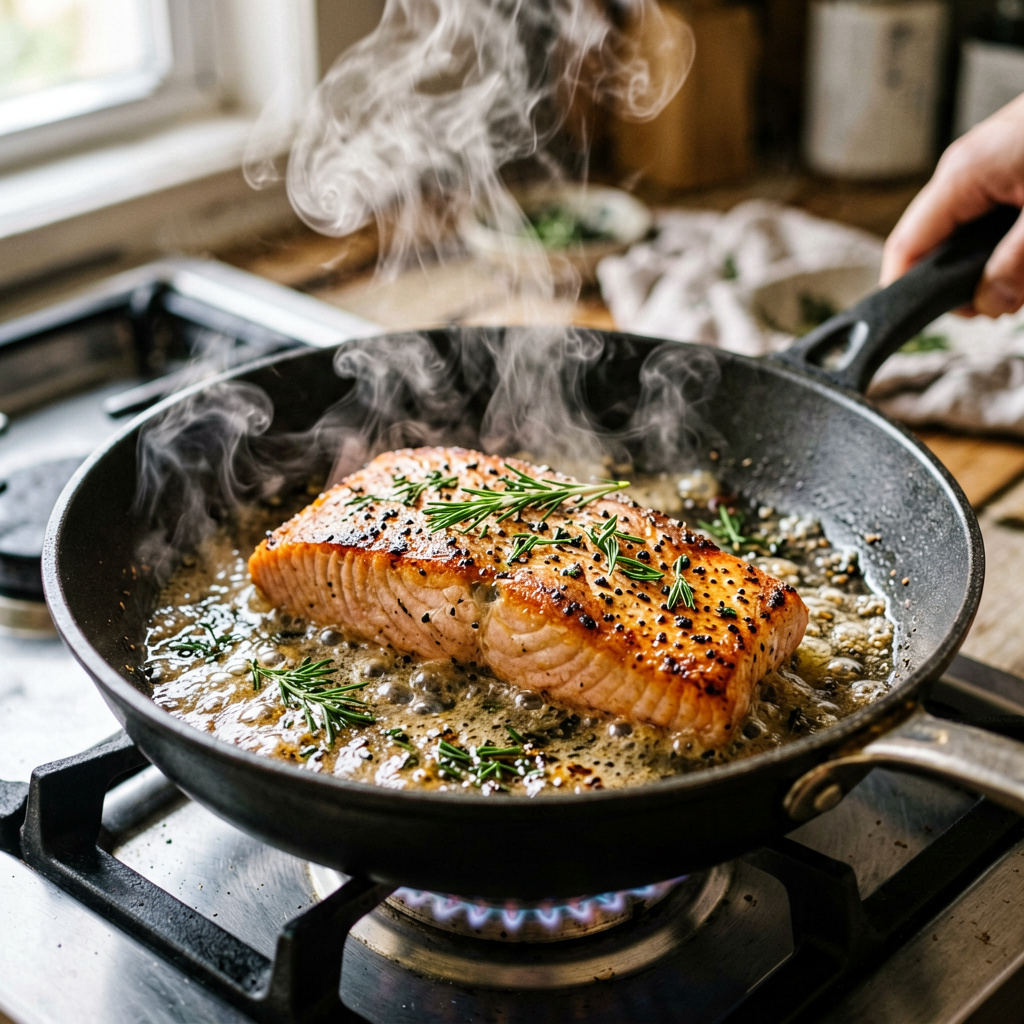
- Action: Carefully remove the hot pan from the oven. Push the vegetables to the sides to create a clear space in the center. Immediately place the seasoned salmon fillets skin-side down in the cleared space. If desired, add a few extra sprigs of thyme directly on top of the salmon.
- Why: Placing the salmon directly onto the hot pan surface kickstarts the cooking of the skin. The surrounding vegetables will continue to roast.
- Return to oven & Time: Roast for another 8-12 minutes. The exact time depends on fillet thickness (assume 1-inch thick). For a 6oz, 1-inch thick fillet, 10 minutes is typically perfect.
- The Crucial Check – Visual Cue & Temperature: At the 8-minute mark, check the salmon. The flesh should be mostly opaque on the sides. Use your instant-read thermometer inserted into the thickest part of the fillet. You are looking for an internal temperature of 125°F (52°C) for medium (my preferred doneness, where it’s just set but still very moist). Carryover cooking will raise the temp about 5 degrees as it rests. For medium-well, pull it at 130°F (54°C). The flesh will also flake easily when nudged with a fork, but the thermometer is the only precise method.
- Visual Cue for Skin: The edges of the skin will look dry and crisp. You can lift an edge gently with a thin spatula to check – it should release easily from the pan if properly crisped.
Step 3: Rest & Zest
- Action: Remove the entire sheet pan from the oven. Immediately transfer the salmon fillets to individual plates or a clean board using a thin spatula. Let them rest for 3-5 minutes. Leave the vegetables on the hot pan to stay warm.
- Why: Resting allows the juices to redistribute throughout the fillet. If you cut into it immediately, all that flavorful moisture will run out onto the plate.
- Final Touch: While the salmon rests, zest the lemon directly over the vegetables on the pan, then squeeze half the lemon juice over them. Toss to combine.
Pro Tips
- The Dry Surface Rule: I cannot stress this enough – patting the salmon skin and the vegetables bone-dry is the single most important step for achieving caramelization instead of steaming.
- Substitutions that Work: No salmon? This method is fantastic with chicken breasts (pound to even thickness, cook to 165°F) or thick-cut cod. Swap asparagus for Brussels sprouts (halved) or bell peppers. Adjust cook time accordingly.
- Make-Ahead Option: The spice rub can be mixed and stored in an airtight container for up to 3 months. Vegetables can be trimmed and washed up to 24 hours ahead (store dry in the fridge). Do not season or oil the vegetables or salmon until right before cooking.
- For Even Crispier Skin: Some chefs start the salmon skin-side up for the first 5 minutes of its roasting time, then flip it over for the final 5. This gives the skin a double blast of heat. Be gentle when flipping.
Serving Suggestions
This is a complete meal on its own. For a heartier dinner, serve with:
- Starch: Fluffy quinoa, couscous, or crusty bread to soak up any pan juices.
- Freshness: A simple green salad with a sharp lemon vinaigrette to cut the richness.
- Wine Pairing: A crisp, acidic white wine like a Sauvignon Blanc or unoaked Chardonnay complements the spices and fatty fish perfectly.
- Portion Guidance: A 6oz fillet with a generous portion of roasted vegetables is a satisfying main course for most adults.
FAQ
Q: Can I use frozen salmon fillets?
A: Yes, but thaw them completely first in the refrigerator overnight. Thawing in cold water (sealed in a bag) works for 30-60 minutes if needed. The key is to thaw them and then pat them extremely dry before seasoning. Cooking from frozen will result in a steamed, watery texture.
Q: How do I know when the salmon is perfectly done?
A: The visual cue is that the flesh has turned mostly opaque from the outside in, but a thin, slightly darker line may still be visible in the very center when you look at the side. The most reliable method is an instant-read thermometer inserted into the thickest part. Pull it at 125°F (52°C) for a moist, medium doneness. It will continue to cook as it rests.
Q: Can I prep this ahead for a quick weeknight dinner?
A: Absolutely. Make the spice blend ahead of time. Trim and wash your vegetables. When you get home, all you need to do is pat the salmon dry, season everything, and roast. The active hands-on time is less than 10 minutes.
*As an Amazon Associate I earn from qualifying purchases.*