Shrimp and Asparagus Curry (Asian)
Shrimp and Asparagus Curry (Asian): A Quick, Flavorful Weeknight Dinner
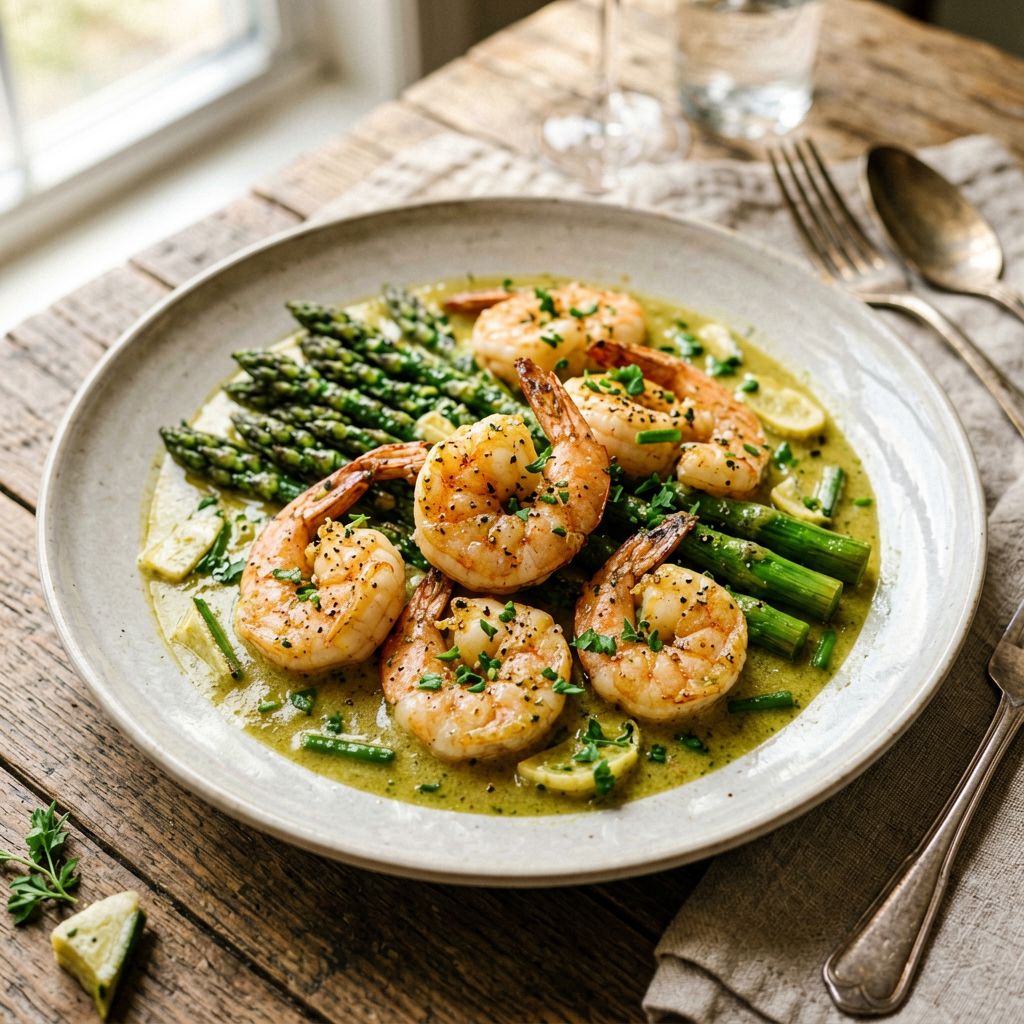
This shrimp and asparagus curry is a study in efficiency and balanced flavor. The recipe is designed for the home cook who wants a restaurant-quality meal on the table in under 30 minutes. The technique relies on high-heat, sequential cooking: we build a deeply fragrant curry base, then add ingredients based on their required cooking time to ensure perfect texture—tender-crisp asparagus and plump, juicy shrimp. The spice blend is aromatic without being overwhelmingly complex. This is an ideal recipe for a busy weeknight, requiring minimal prep and one primary pan. Success hinges on mise en place and respecting the short cook times of the proteins and vegetables.
What You’ll Need
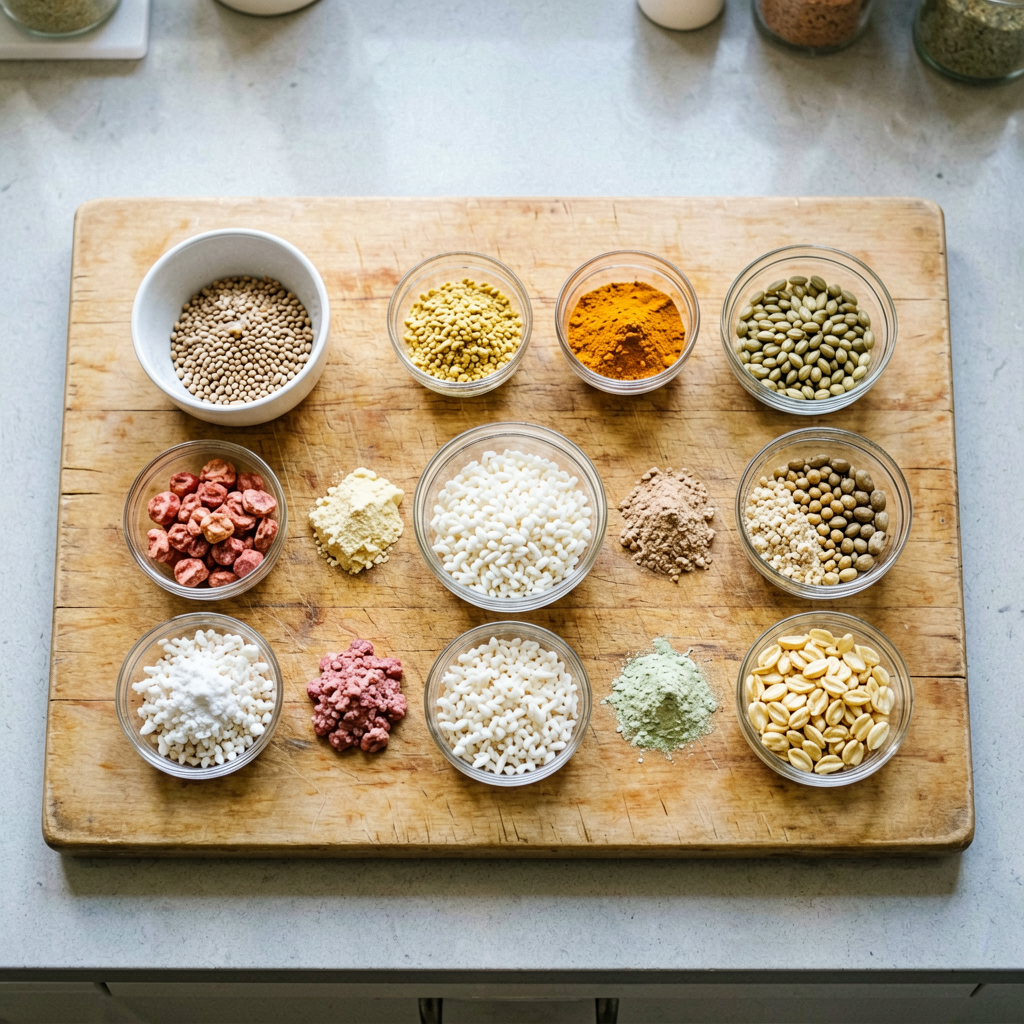
Ingredients
- Shrimp: 1.5 pounds (680g) large shrimp, 21/25 count, peeled and deveined, tail-on or off (see note).
- Asparagus: 1 pound (450g), tough ends trimmed, cut into 2-inch (5cm) pieces on a bias.
- Curry Paste: 4 tablespoons (60ml) store-bought or homemade Thai red curry paste (e.g., Mae Ploy, Thai Kitchen).
- Canned Coconut Milk: 1 (13.5 oz / 400ml) can full-fat coconut milk, well-shaken.
- Vegetable or Peanut Oil: 2 tablespoons (30ml).
- Garlic: 3 cloves, minced.
- Shallot: 1 medium, finely sliced (about 1/2 cup / 70g).
- Ginger: 1 tablespoon (15ml) freshly grated.
- Chicken or Vegetable Broth: 1/2 cup (120ml).
- Fish Sauce: 2 tablespoons (30ml) – this is essential for umami.
- Brown Sugar or Palm Sugar: 1 tablespoon (15g) packed.
- Lime: 1 lime, juiced (about 2 tablespoons / 30ml).
- Thai Basil or Cilantro: 1/2 cup (20g) leaves, for garnish.
- Jasmine Rice: For serving (cooked according to package directions).
Note: Using tail-on shrimp is optional and affects presentation only. Ensure shrimp are thoroughly thawed and patted very dry with paper towels before cooking.
Equipment
- Large Skillet or Wok: 12-inch (30cm) diameter – a wok is ideal for even heat distribution.
- Instant-Read Thermometer: Not strictly necessary, but useful for checking oil temperature.
- Sharp Knife and Cutting Board.
- Microplane or Fine Grater: For ginger.
Prep Work
Proper mise en place is non-negotiable for this fast-cooking dish. Have everything measured, cut, and within arm’s reach of the stove before you begin.
- Shrimp: Place shrimp on a plate lined with paper towels. Pat the tops dry with more paper towels. This step is crucial for getting a good sear and preventing the curry from becoming watery. Set aside at room temperature for up to 20 minutes.
- Asparagus: Hold a spear at both ends and bend until it snaps naturally to find the tough point. Discard the bottom ends. Cut the tender tops on a sharp bias into 2-inch pieces. The bias increases surface area for sauce coating.
- Aromatics: Peel and finely slice the shallot. Peel and mince the garlic. Peel and finely grate the ginger using a Microplane.
- Liquid Mixture: In a small bowl, whisk together the fish sauce, brown sugar, and lime juice until the sugar is dissolved. This is your primary seasoning agent.
- Coconut Milk: Open the can and give it a very good shake. Do not stir it up – we will use the separated cream first.
Cooking Instructions
Work in stages, adding ingredients sequentially. Total active cook time is approximately 12-15 minutes.
- Bloom the Curry Paste (2-3 minutes): Place your 12-inch skillet or wok over medium heat (around 325°F / 163°C). Add the 2 tablespoons of oil. Once the oil shimmers, add the curry paste. Stir constantly for 2-3 minutes. Why: Toasting the paste in oil “blooms” the spices, deepening their flavor and removing any raw, harsh taste. Visual Cue: The paste will darken slightly and become very fragrant.
- Sauté Aromatics (1 minute): Add the sliced shallot, minced garlic, and grated ginger to the pan. Stir continuously for 60 seconds until the shallot just begins to soften. Why: Aromatics burn easily; we’re just softening them to release their flavor into the oil.
- Build the Curry Sauce (5-6 minutes): Pour in the solid cream from the top of the coconut milk can (about 1/2 cup). Increase heat to medium-high. Bring to a gentle simmer, stirring often. After 2 minutes, pour in the remaining liquid coconut milk and the 1/2 cup of broth. Bring back to a simmer. Why: Cooking the coconut cream first helps it break down and integrate smoothly into the sauce without splitting.
- Season the Sauce (1 minute): Whisk in the fish sauce-sugar-lime mixture. Let the sauce simmer for 1 minute to meld flavors. Taste the sauce now—it should be a balance of salty, sweet, and sour. Adjust with more fish sauce (salt/umami), sugar (sweetness), or lime (acid) as needed. The sauce will coat the back of a spoon.
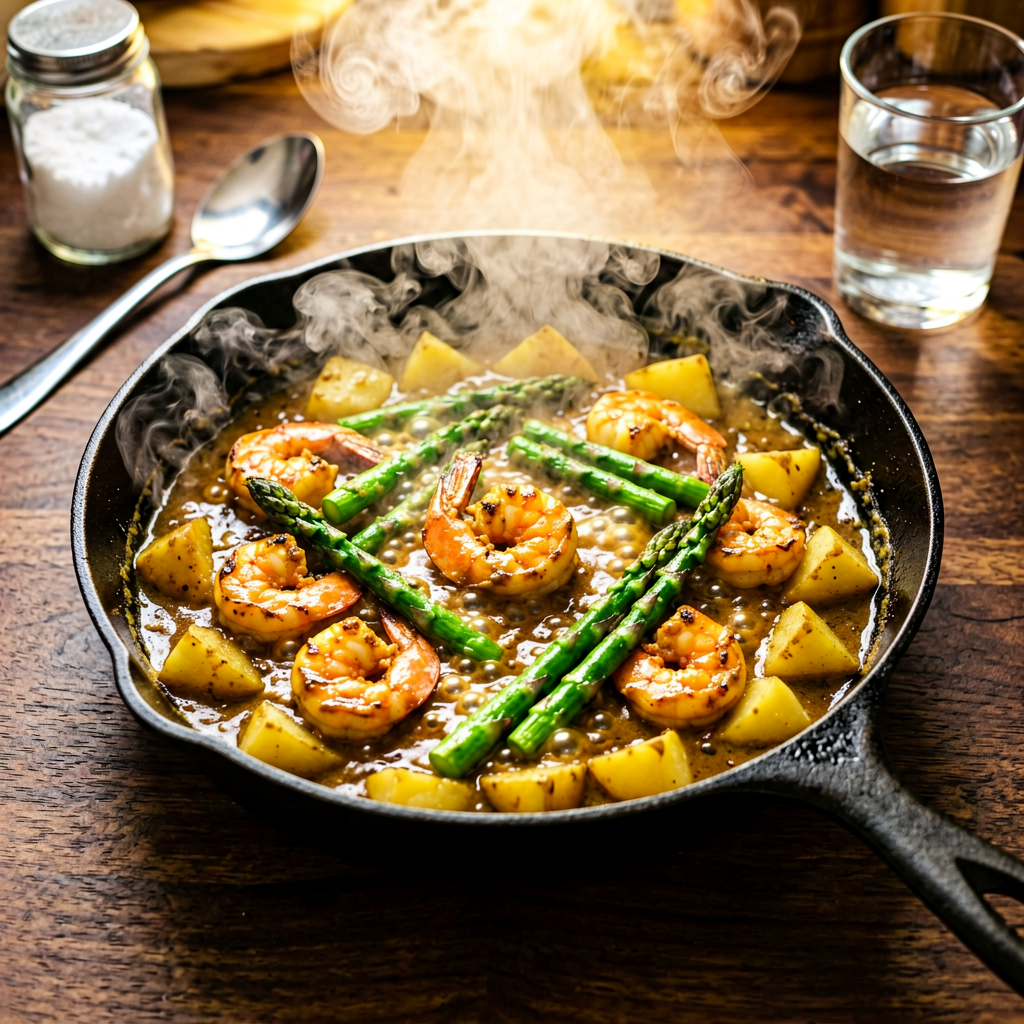
- Cook the Asparagus (3-4 minutes): Add all the cut asparagus to the simmering sauce. Stir to coat. Reduce heat to medium (around 350°F / 177°C) and let simmer for 3-4 minutes. Visual Cue: Asparagus will turn a vibrant green and become tender-crisp—you should be able to pierce it with a knife with slight resistance.
- Cook the Shrimp (2-3 minutes): Nestle the dry shrimp into the sauce in a single layer as much as possible. Let them cook undisturbed for 90 seconds. Flip each shrimp and cook for another 60-90 seconds. Visual Cue: Shrimp are done when they turn opaque and pink throughout, curling into a loose “C” shape. Overcooked shrimp form a tight “O” and become rubbery.
- Finish and Serve: Remove the pan from heat immediately. Stir in the Thai basil or cilantro. Let it sit for 1 minute for the residual heat to wilt the herbs slightly. Serve immediately over hot jasmine rice.
Pro Tips
- The Dry Shrimp Secret: I cannot stress this enough: wet shrimp will steam instead of searing, diluting your curry sauce. Pat them thoroughly dry before cooking. This 30-second step makes the difference between good and great texture.
- Curry Paste is Key: The flavor profile of this dish is entirely dependent on your curry paste. For a reliable, consistent result, I highly recommend Mae Ploy Thai Red Curry Paste [Check Price on Amazon]. Its depth and heat level are perfectly balanced for this application.
- Make-Ahead and Substitutions: The sauce can be made ahead (through step 4) and refrigerated for up to 3 days. Gently reheat before adding vegetables and shrimp. For a protein swap, cubed chicken breast (add with the sauce and cook until 165°F / 74°C) or firm tofu works well. Add other vegetables like sliced bell peppers or bamboo shoots with the asparagus.
Serving Suggestions
This curry is rich and saucy, making steamed jasmine rice the essential pairing to soak up every drop. For a complete meal, serve with a side of Cucumber Relish (Ajad) to cut through the richness. A standard portion is about 1 cup of curry (sauce, shrimp, and vegetables) over 3/4 to 1 cup of cooked rice. Garnish with extra fresh herbs and a lime wedge for squeezing.
Frequently Asked Questions
Can I use frozen shrimp?
Absolutely. Thaw them completely by placing them in a colander under cold running water for 5-7 minutes, or overnight in the refrigerator. The most critical step after thawing is to pat them extremely dry with paper towels, as frozen-thawed shrimp release a significant amount of liquid.
How do I know when the curry is “done”?
The curry is done in three parts: 1) The sauce has simmered and thickened slightly to a creamy consistency (5-6 minutes total simmer time). 2) The asparagus is tender-crisp and vibrant green (test with a paring knife). 3) The shrimp are opaque and pink throughout. Always use visual cues over strict timing. Shrimp can overcook in under a minute.
Can I make this less spicy?
Yes. Start with 2 tablespoons of curry paste instead of 4. You can always add more at the end if you want more heat. Alternatively, use a milder yellow curry paste or a Thai Kitchen brand paste, which tends to be less fiery.
Is this recipe gluten-free?
It can be, but you must check labels. Most curry pastes and fish sauces are gluten-free, but some brands may contain wheat or soy sauce with wheat. Use certified gluten-free fish sauce and curry paste if needed, and ensure your broth is gluten-free.
*As an Amazon Associate I earn from qualifying purchases.*