Air Fryer Miso-Glazed Salmon Bites with Sesame Ginger Finish
Air Fryer Miso-Glazed Salmon Bites with Sesame Ginger Finish
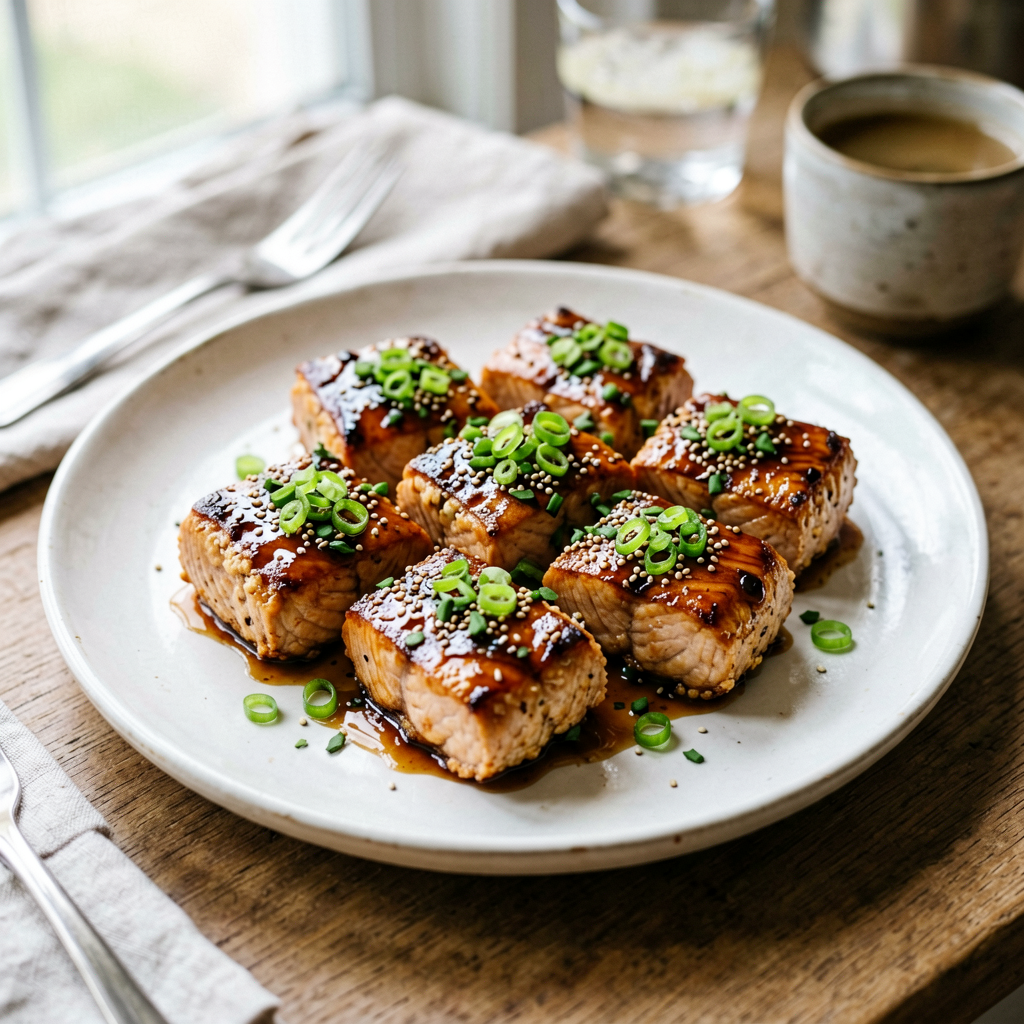
This recipe delivers intense, savory-sweet flavor with a perfectly caramelized glaze and a tender, flaky interior. Cooking salmon bites in the air fryer concentrates the heat quickly, ensuring a beautifully cooked center while the high, dry heat works with the miso glaze to create an irresistible crust. The sesame ginger finish adds a bright, aromatic contrast. This is a straightforward, restaurant-quality dish designed for a weeknight, requiring minimal hands-on time and a single primary appliance. It’s ideal for beginner to intermediate cooks looking to master a foolproof method for flavorful salmon.
What You’ll Need
Ingredients
- Salmon Fillets: 1.5 pounds (680g), skin removed, pin bones checked and removed. Choose center-cut pieces for uniform thickness. Fresh or properly thawed from frozen is essential.
- For the Miso Glaze:
- 3 tablespoons white miso paste (shiro miso) – provides a milder, sweeter base than red.
- 2 tablespoons mirin
- 1 tablespoon rice vinegar
- 1 tablespoon toasted sesame oil
- 1 tablespoon maple syrup or honey
- 1 teaspoon freshly grated ginger
- 1 teaspoon freshly grated garlic (about 1 clove)
- For the Finish & Garnish:**
- 1 tablespoon toasted sesame seeds (a mix of black and white is ideal)
- 2 scallions, thinly sliced on a diagonal
- Optional: 1 teaspoon chili oil for a hint of heat
Equipment Needed
- An air fryer (basket style). A 4-6 quart model is sufficient.
- A sharp chef’s knife and cutting board.
- Mixing bowls (one small for glaze, one medium for salmon).
- A silicone brush for glazing.
- An instant-read thermometer (Check Price on Amazon) is highly recommended for perfect doneness.
- Parchment paper or an air fryer liner (optional, for easier cleanup of the sticky glaze).
Prep Work
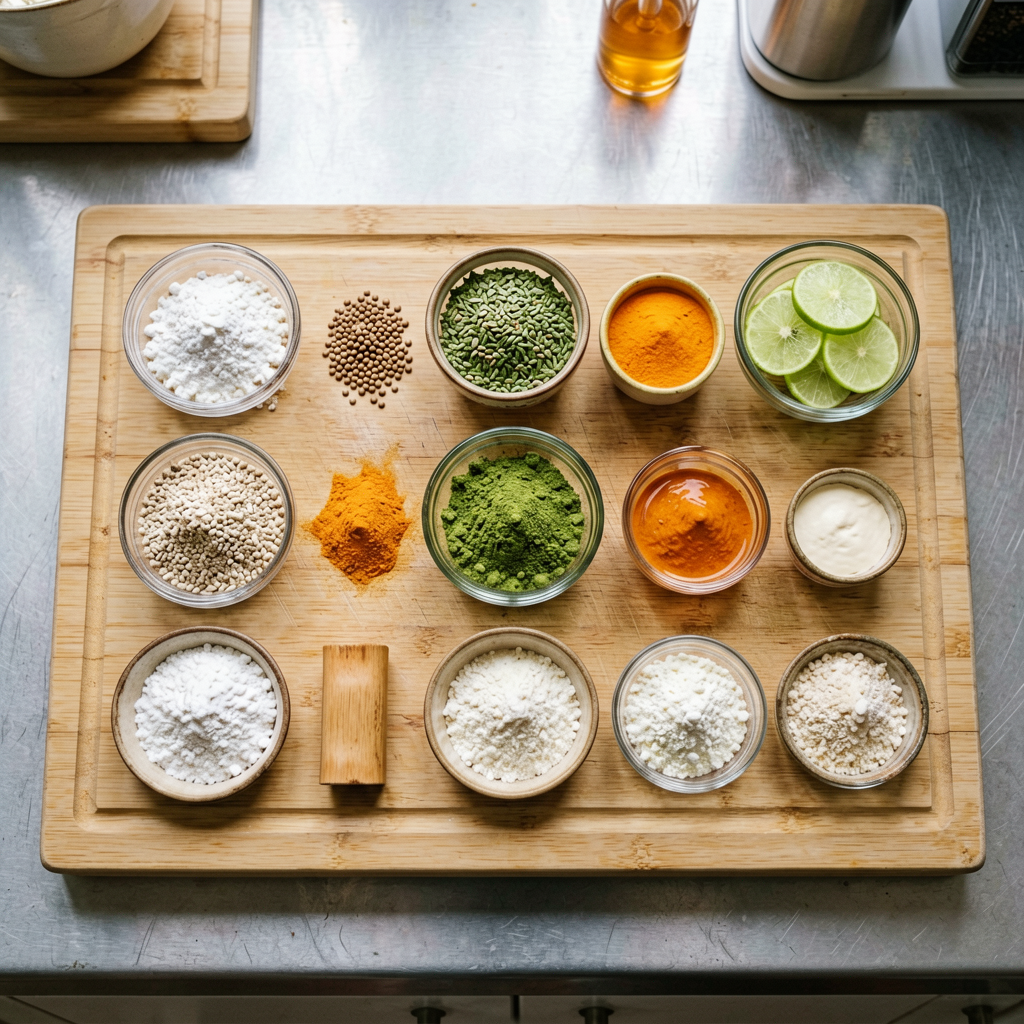
- Prep the Salmon: Pat the salmon fillets completely dry with paper towels. This is non-negotiable for achieving a good sear. Cut into uniform 1-inch (2.5cm) cubes. Uniformity ensures even cooking.
- Make the Glaze: In a small bowl, whisk together the miso paste, mirin, rice vinegar, sesame oil, maple syrup, grated ginger, and grated garlic until smooth. The glaze should be thick but spreadable. Do not use cold miso paste; let it sit at room temperature for a few minutes if it’s very stiff.
- Combine: Place the salmon cubes in a medium bowl. Add two-thirds of the glaze (about 3.5 tablespoons) and gently toss to coat every piece. Let this marinate for 10-15 minutes at room temperature. Do not marinate longer than 30 minutes, as the vinegar can begin to “cook” and break down the delicate fish. Reserve the remaining glaze for later.
Cooking Instructions
- Preheat Air Fryer: Preheat your air fryer to 390°F (200°C) for 3-5 minutes. A properly preheated basket is crucial for preventing sticking and initiating an immediate sear.
- Arrange the Salmon: If your air fryer is prone to sticking, lightly spritz the basket with oil. Carefully place the marinated salmon bites in a single layer, leaving space between each piece for hot air to circulate. Do not overcrowd; cook in two batches if necessary. Visual Cue: The pieces should not touch.
- Cook – First Stage: Air fry for 5 minutes at 390°F (200°C). Do not touch or move the basket during this time. You want the direct heat to set the glaze and start caramelizing it on the bottom.
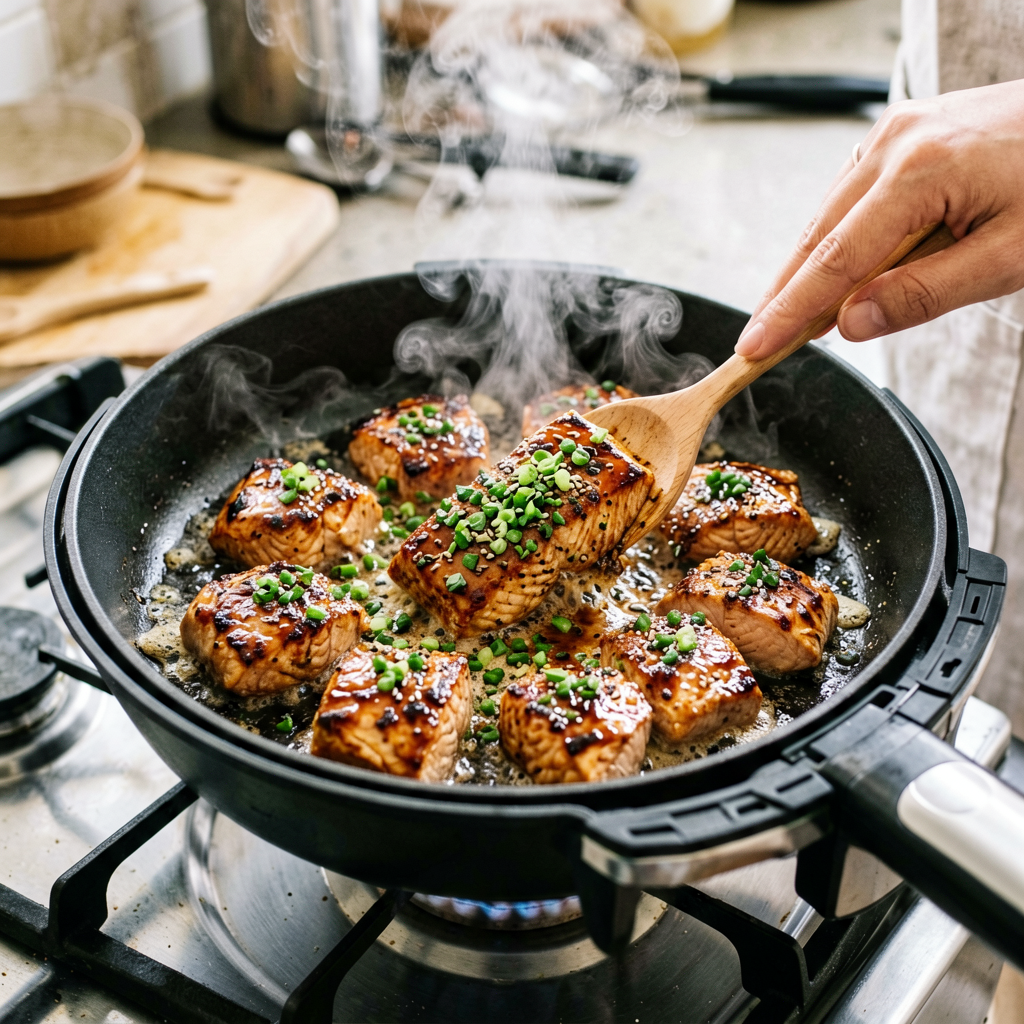
- Glaze & Finish: After 5 minutes, carefully open the basket. The tops of the salmon should look partially cooked and opaque. Using a silicone brush, gently dab the reserved glaze onto the tops and sides of each salmon bite. Sprinkle with the sesame seeds.
- Cook – Final Stage: Return the basket to the air fryer and cook for an additional 3-5 minutes. The total cooking time will be 8-10 minutes. Begin checking at 3 minutes. Visual Cue & Doneness Check: The glaze should be bubbly, darkened at the edges, and slightly caramelized. The salmon will be opaque and flake easily when pressed with a fork. For absolute precision, insert an instant-read thermometer into the largest piece; it should read 125-130°F (52-54°C) for medium, which will carry over to a final 145°F (63°C) as it rests. Overcooking past 145°F will result in dry, chalky salmon.
- Rest & Garnish: Immediately transfer the salmon bites to a serving plate. Let them rest for 2 minutes. This allows the internal juices to redistribute. Garnish with sliced scallions and a drizzle of chili oil, if using.
Pro Tips
- The Sear is Everything: In my experience, the magic happens in the first 5 minutes of undisturbed cooking. Resist the urge to peek. The high, direct heat of the air fryer mimics a broiler, creating that coveted caramelized miso crust without turning on the oven.
- Ingredient Substitutions: If you can’t find mirin, use 1.5 tablespoons of rice vinegar plus ½ tablespoon of sugar. For a richer flavor, substitute half of the white miso with red miso, but note it will be saltier—reduce the amount slightly. Tamari can be used in place of rice vinegar for a different tang.
- Make-Ahead Strategy: You can prep the glaze up to 3 days ahead and store it in an airtight container in the refrigerator. The salmon can be cubed and marinated (in the first two-thirds of glaze) for up to 4 hours in the fridge. Cook directly from the fridge, adding 1-2 minutes to the initial cooking time.
Serving Suggestions
These salmon bites are versatile. Serve them over a bed of steamed jasmine rice or fluffy quinoa to soak up any extra glaze. For a complete Japanese-inspired meal, pair with a simple cucumber salad (sunomono) and quick-pickled radishes. A side of steamed edamame with flaky sea salt also works beautifully. This recipe serves 2-3 people as a main course or 4 as an appetizer.
Frequently Asked Questions
Can I use frozen salmon?
Yes, but it must be fully thawed in the refrigerator overnight. Never cook from frozen, as the excess moisture will steam the fish, preventing a good sear and diluting the glaze. Pat it extremely dry after thawing.
How do I know when it’s perfectly done?
Look for three things: 1) The glaze is bubbly and caramelized, not just wet. 2) The flesh turns opaque from the outside in, with just a hint of translucency at the very center. 3) A piece flakes easily when tested with a fork. Using a thermometer to check for 125-130°F (52-54°C) is the most reliable method.
Can I prep this ahead for a quick dinner?
Absolutely. The glaze can be made in advance. The salmon can be cut and tossed in the first part of the glaze, then covered and refrigerated for up to 4 hours. When ready to eat, simply preheat the air fryer and cook per the instructions. Add 1-2 minutes to the cooking time if the salmon is very cold.
*As an Amazon Associate I earn from qualifying purchases.*