作者: Alex Chen

  • 20-Minute Crispy Air-Fryer Chicken Thighs with Spicy Gochujang Honey

    20-Minute Crispy Air-Fryer Chicken Thighs with Spicy Gochujang Honey

    This recipe delivers restaurant-quality texture and bold flavor in a fraction of the time. By leveraging the rapid convection heat of a modern air fryer, you achieve deeply crisped skin and tender, juicy meat without deep-frying. The gochujang honey glaze caramelizes quickly during the final minutes, creating a glossy, spicy-sweet crust that clings perfectly to the rendered fat. Designed for home cooks seeking reliable results, this 20-minute weeknight dinner requires minimal active prep and delivers consistent outcomes every time. Whether you need a quick chicken dinner for busy schedules or a family-friendly dinner that satisfies both kids and adults, the technique here prioritizes moisture retention and surface dehydration. Boneless, skin-on thighs are ideal for even cooking and maximum crispness, while the balanced glaze ensures every bite carries heat, sweetness, and umami.
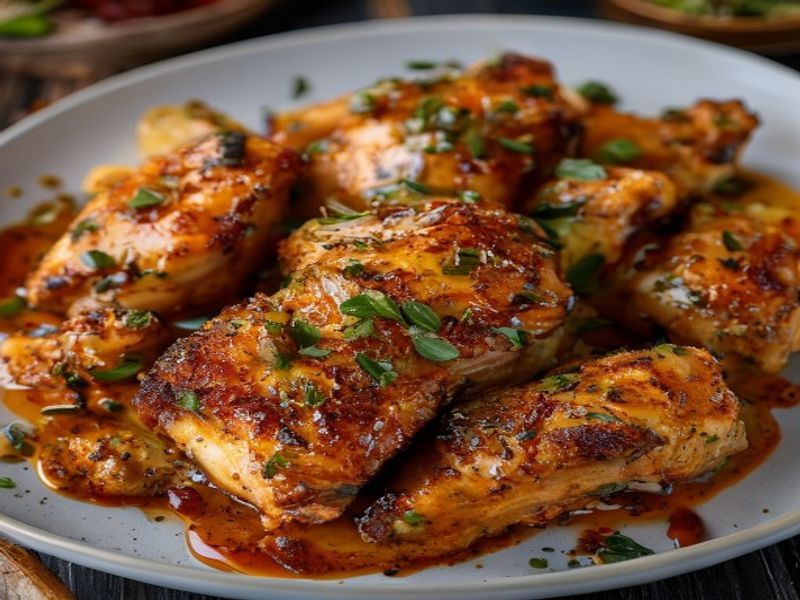
    Finished 20-Minute Crispy Air-Fryer Chicken Thighs with Spicy Gochujang Honey beautifully plated, professional food photography, natural lighting

    What You’ll Need

    Ingredients

    • Chicken thighs: 1.5 pounds boneless, skin-on (about 4 thighs, 6 oz each). Skin-on is non-negotiable for proper crisping and fat rendering.
    • Gochujang (Korean chili paste): 3 tablespoons. Use a fermented, soybean-based brand for authentic depth, not a substitute sauce.
    • Honey: 2.5 tablespoons. Mild clover or wildflower works best; avoid strong-flavored honeys that overpower the chili.
    • Rice vinegar: 1 tablespoon. Provides necessary acidity to balance sweetness and cut through fat.
    • Garlic: 3 cloves, finely minced or pressed. Fresh garlic outperforms powder for glaze texture.
    • Neutral oil: 1 tablespoon. Avocado or grapeseed oil has a high smoke point suitable for high-heat air frying.
    • Soy sauce: 1.5 teaspoons. Low-sodium preferred to control salinity.
    • Sesame oil: 1 teaspoon. Toasted, added at the end for aroma.
    • Kosher salt: 1 teaspoon.
    • Freshly ground black pepper: 1/2 teaspoon.
    • Sesame seeds: 1 tablespoon, toasted, for garnish.
    • Green onions: 2 stalks, thinly sliced, for garnish.

    Equipment

    • Air fryer: Minimum 4-quart basket capacity to avoid overcrowding. [Check Price on Amazon]
    • Instant-read thermometer: Digital probe type for precise internal temperature verification.
    • Silicone basting brush: Heat-resistant, for even glaze application.
    • Small mixing bowl & whisk: For emulsifying the gochujang honey glaze.

    Prep Work

    Proper preparation dictates final texture. Remove chicken from packaging 15 minutes before cooking to take the chill off. Cold meat drops the air fryer temperature too rapidly, causing steaming instead of crisping. Pat each thigh completely dry with paper towels. Moisture is the enemy of browning; surface water must be eliminated. If any residual skin moisture remains, lightly score the fat layer with 3 shallow cuts per thigh, being careful not to cut into the meat. This accelerates fat rendering and prevents curling.

    Season both sides evenly with 1 teaspoon kosher salt and 1/2 teaspoon black pepper. Set the seasoned thighs on a wire rack at room temperature for 10 minutes while you prepare the glaze. In a small bowl, combine 3 tablespoons gochujang, 2.5 tablespoons honey, 1 tablespoon rice vinegar, 1.5 teaspoons soy sauce, and 3 minced garlic cloves. Whisk vigorously until smooth. The mixture should coat the back of a spoon with a thick, glossy consistency. Reserve 1 teaspoon toasted sesame oil for finishing. You can mix the glaze up to 24 hours in advance and refrigerate, but bring it to room temperature before use to ensure even brushing.

    Cooking Instructions

    1. Preheat the air fryer to 400°F / 200°C for 3 minutes. A fully preheated basket ensures immediate surface dehydration. Skipping this step traps steam and produces rubbery skin.
    2. Arrange chicken in a single layer, skin-side up. Leave at least 1/2 inch between pieces for proper air circulation. Overcrowding drops the cooking temperature and creates soggy patches.
    3. Drizzle 1 tablespoon neutral oil over the skin and brush lightly to coat. Oil acts as a heat conductor and promotes Maillard browning. Cook for 12 minutes undisturbed. You will hear a steady sizzle as moisture evaporates and fat renders. The skin should transition from pale to deep golden brown with visible bubbling.
    4. Flip thighs carefully using tongs. Cook for 4 additional minutes skin-side down. At this stage, check for a crisp, glass-like crackle when tapped with tongs. Internal temperature should reach 155°F / 68°C.
    5. Flip skin-side up again. Brush generously with the gochujang honey glaze. Return to the air fryer for exactly 3 minutes. Watch closely through the window. The sugars in honey and gochujang caramelize rapidly; burning occurs in under 60 seconds if left unattended. Look for a glossy, blistered surface that darkens slightly at the edges.
    6. Remove and immediately drizzle with reserved 1 teaspoon toasted sesame oil. Transfer to a clean plate and rest for 4 minutes. Resting allows muscle fibers to relax and reabsorb juices. Cutting immediately releases moisture and yields dry meat.
    7. Verify doneness. Insert the instant-read thermometer into the thickest part of each thigh. Target temperature is 165°F / 74°C. If any piece reads lower, return to the air fryer at 375°F / 190°C for 1-minute increments.

    Pro Tips

    In my experience, the single most common failure in air-fryer chicken is inadequate drying. I find that leaving salted thighs uncovered on a rack in the refrigerator for 30 minutes before cooking creates a pellicle that guarantees shattering crispness. If your air fryer runs hot or lacks precise temperature control, reduce the final glazing time to 2 minutes and monitor color visually rather than relying strictly on the timer. For substitutions, you can replace gochujang with a 2:1 ratio of tomato paste and Sriracha plus 1/2 teaspoon sugar, though the fermented depth will differ slightly. To make this entirely make-ahead, cook the thighs fully, cool completely on a wire rack, and store in airtight containers in the refrigerator for up to 3 days. Reheat at 375°F / 190°C for 6 minutes to restore texture without drying out the interior.

    Serving Suggestions

    Plate 2 thighs per serving as a main course, or 1 thigh alongside substantial sides. This korean-inspired chicken pairs exceptionally well with quick-cooking jasmine rice, which absorbs the extra glaze, and a cold cucumber-sesame salad to balance the heat. For a complete 20-minute weeknight dinner, steam edamame in the microwave while the chicken cooks, and toss with flaky sea salt. The spicy sweet chicken also works sliced into warm tortillas with shredded cabbage and a squeeze of lime for a fusion-style wrap. Portion guidance remains consistent: plan 6 to 8 ounces of cooked chicken per adult, adjusting side dish quantities based on appetite.

    FAQ

    Can I use frozen chicken thighs?

    Yes, but you must adjust the technique. Thawing in the refrigerator overnight is strongly preferred. If cooking from frozen, increase the initial cook time to 18 minutes at 375°F / 190°C, then flip, glaze, and finish at 400°F / 200°C for 4 minutes. Note that frozen meat will steam initially, delaying crisping until surface moisture fully evaporates.

    How do I know when it’s done?

    Visual cues alone are unreliable. Always verify with an instant-read thermometer. The internal temperature must reach 165°F / 74°C in the thickest portion. If you lack a thermometer, the juices should run completely clear when pierced, and the meat should separate easily with gentle fork pressure, but temperature verification remains the only foolproof method.

    Can I prep this ahead for meal prep?

    Absolutely. Cook the thighs fully, cool to room temperature within 2 hours, and store in shallow airtight containers for up to 4 days. Reheat directly in the air fryer at 375°F / 190°C for 5 to 6 minutes to restore the crispy skin. Avoid microwave reheating, which reintroduces moisture and softens the crust.

    What if my air fryer basket is too small?

    Cook in two batches rather than stacking or overcrowding. Batch cooking preserves air circulation and maintains consistent browning. Keep finished pieces warm on a wire rack in a 200°F / 95°C oven while the second batch cooks.

    *As an Amazon Associate I earn from qualifying purchases.
  • Sheet-Pan Roasted Miso-Ginger Chicken Thighs with Crispy Sweet Potatoes

    Introduction

    This sheet pan meal prep delivers restaurant-quality flavor with minimal active time. The combination of fermented white miso and freshly grated ginger creates a deeply savory, umami-rich glaze that caramelizes beautifully under high heat. Using bone-in, skin-on chicken thighs ensures juicy meat and maximum protein retention, while sweet potatoes provide complex carbohydrates and fiber for sustained energy. This recipe works because the marinade doubles as a roasting glaze, and the staggered cooking schedule guarantees perfectly crisp vegetables alongside thoroughly cooked poultry. It is an accessible, beginner-to-intermediate dish designed specifically for high protein weekly dinner prep and easy make ahead bowls that hold up well in the refrigerator for four days.

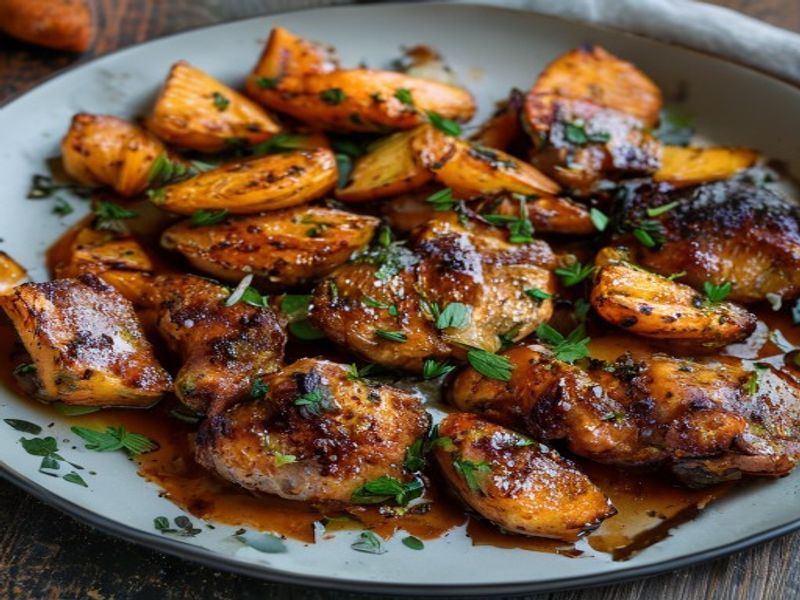
    Finished Sheet-Pan Roasted Miso-Ginger Chicken Thighs with Crispy Sweet Potatoes beautifully plated, professional food photography, natural lighting

    What You’ll Need

    Ingredients

    • 1.5 pounds (680g) bone-in, skin-on chicken thighs, 4 pieces (select thighs with uniform fat caps for even rendering)
    • 1.25 pounds (570g) sweet potatoes, peeled and cut into 0.5-inch cubes
    • 3 tablespoons (45g) white miso paste (shiro miso) (fermented for 3-6 months for balanced sweetness)
    • 2 tablespoons (30ml) fresh ginger, finely grated on a microplane
    • 2 tablespoons (30ml) gluten-free tamari or coconut aminos
    • 1.5 tablespoons (22ml) rice vinegar
    • 1 tablespoon (15ml) toasted sesame oil
    • 1 tablespoon (15ml) neutral oil (avocado or refined canola)
    • 2 cloves (6g) garlic, microplaned
    • 0.5 teaspoon (2.5g) kosher salt
    • 0.25 teaspoon (1g) freshly cracked black pepper
    • 1 tablespoon (3g) toasted sesame seeds, for garnish
    • 2 scallions, thinly sliced, for garnish

    Equipment

    • 18×13-inch half-sheet pan (heavy-gauge aluminum prevents warping at high temperatures)
    • Silicone baking mat or heavy-duty parchment paper
    • 8-inch chef’s knife with a stiff spine for precise vegetable dicing
    • Medium glass mixing bowl (1-quart capacity)
    • Instant-read digital thermometer (calibrated to ±0.9°F / ±0.5°C) [Check Price on Amazon]
    • Microplane or fine grater

    Prep Work

    Proper mise en place ensures even cooking and prevents cross-contamination. Begin by removing the chicken thighs from refrigeration exactly 20 minutes before cooking to bring them to a cool room temperature. Cold protein drops pan temperature drastically upon contact, causing steaming instead of browning. Pat the skin and flesh completely dry with paper towels; any residual moisture will inhibit crisping. Score the skin lightly with the tip of your knife in a shallow crosshatch pattern, taking care not to cut into the meat. This creates controlled channels for fat to render efficiently during roasting.

    Cut the sweet potatoes into uniform 0.5-inch cubes. Irregular sizing leads to some pieces charring while others remain dense and undercooked. Transfer them to a mixing bowl. Combine the white miso paste, grated ginger, tamari, rice vinegar, sesame oil, microplaned garlic, salt, and pepper in a separate bowl. Whisk vigorously until the miso fully dissolves into a smooth, emulsified paste. Reserve exactly half of the marinade for glazing later. Toss the chicken and sweet potatoes separately with the remaining half, ensuring thorough coating. Keep the marinated components refrigerated until ready to cook. You can complete this entire step up to 24 hours in advance without compromising texture.

    Cooking Instructions

    1. Preheat and prepare the oven. Set your oven to 425°F / 218°C and position the rack in the exact center. High initial heat is critical for triggering the Maillard reaction and rapidly rendering subcutaneous fat.
    2. Roast the sweet potatoes first. Line your half-sheet pan with a silicone mat. Spread the marinated sweet potatoes in a single layer across the right half of the pan. Drizzle with 1 tablespoon (15ml) of neutral oil and toss directly on the surface. Roast undisturbed for 15 minutes. You will hear a faint sizzle as the natural sugars begin to caramelize.
    3. Add the chicken. While the potatoes roast, arrange the chicken thighs skin-side up on the empty left half of the pan. Maintain at least 1 inch of space between pieces to allow hot air circulation. Roast for 25-30 minutes. Watch closely as the skin transitions from pale to a deep amber-gold. The edges will curl slightly and the surface will appear glossy as the fat renders out.
    4. Apply the glaze. Remove the pan carefully from the oven. Brush the reserved marinade evenly over the chicken skin using a silicone pastry brush. Return to the oven for exactly 3 minutes to set the glaze. Avoid over-baking at this stage, as the sugars in the miso will scorch rapidly above 400°F / 204°C.
    5. Verify doneness. Insert your instant-read thermometer into the thickest part of the thigh, avoiding contact with the bone. The internal temperature must reach 165°F / 74°C. The meat should feel firm but yield slightly when pressed with tongs. If the temperature reads below 165°F / 74°C, continue roasting in 3-minute increments.
    6. Crisp the skin. Activate the broiler on high. Move the rack to the top third position, approximately 4-5 inches from the heating element. Broil for 1-2 minutes until the skin blisters and becomes audibly crisp. Listen for a sharp, steady crackle. Remove the pan immediately once the desired texture is achieved.
    7. Rest and finish. Transfer the chicken and sweet potatoes to a wire cooling rack. Rest for exactly 5 minutes. This resting period allows the muscle fibers to relax and reabsorb expelled juices. Garnish with sesame seeds and sliced scallions before portioning.

    Common mistake to avoid: Crowding the pan or skipping the rest period causes immediate juice loss upon cutting, resulting in dry meat and steamed vegetables instead of crisp roasted chicken and vegetables.

    Pro Tips

    I find that toasting the sesame oil for 30 seconds in a dry skillet before adding it to the marinade unlocks deeper aromatic compounds without overpowering the fresh ginger. In my experience, keeping the reserved glaze chilled until the final 3 minutes of roasting prevents premature fermentation breakdown and maintains optimal viscosity for even coating. For substitutions, replace white miso with chickpea miso or a 50/50 blend of tahini and tamari for a soy-free, gluten free meal prep idea that preserves the rich umami backbone. If your oven runs hot, lower the rack one position to prevent the miso sugars from burning before the chicken reaches temperature.

    Serving Suggestions

    This dish pairs optimally with neutral, absorbent bases like short-grain jasmine rice, toasted quinoa, or quickly blanched bok choy to balance the salty-sweet glaze. For easy make ahead bowls, divide 1.25 cups (200g) of cooked grains, 1 chicken thigh (approximately 6-7 ounces cooked weight), and 1 cup (150g) of sweet potatoes into 24-ounce BPA-free containers. Add a quick acid component like lime wedges or rice vinegar-dressed cucumber ribbons to cut through the fat. This provides a complete, high protein weekly dinner prep macro profile of roughly 480-540 calories per serving, delivering 35g protein, 32g carbohydrates, and 18g fat. Store containers in the refrigerator for up to 4 days, or freeze for 3 months.

    FAQ

    Can I use frozen chicken thighs for this recipe?

    Yes, but they must be fully thawed in the refrigerator for 24 hours prior to cooking. Roasting from frozen drops the pan temperature drastically, causing the sweet potatoes to steam instead of crisp. Always pat thawed poultry completely dry with paper towels before applying the marinade to ensure proper adhesion and browning.

    How do I know when it’s done without a thermometer?

    Visual and tactile cues serve as reliable backups. The juices should run completely clear when pierced at the thickest point near the bone. The meat should pull away from the bone with gentle pressure from tongs, and the skin should shatter audibly when tapped with a fork. However, an instant-read thermometer remains the only foolproof method for healthy asian inspired recipes requiring precise food safety standards.

    Can I prep this ahead and bake later?

    Absolutely. Marinate the chicken and cube the sweet potatoes up to 24 hours in advance. Store them in separate airtight containers to prevent cross-moisture transfer. Let the chicken sit at room temperature for 20 minutes before roasting to ensure even heat penetration. This staggered approach makes it an ideal sheet pan meal prep solution for busy weeknights without sacrificing texture or flavor integrity.

    *As an Amazon Associate I earn from qualifying purchases.
  • 2026’s Best Travel-Optimized USB-C Charging Hubs: 7 Ultra-Fast Docks Reviewed for Digital Nomads

    I Spent Three Weeks Hunting for a Decent Charger After My Old One Melted

    I spent three weeks hunting for a decent USB-C charging hub 2026 after my old brick literally warped the outlet at a hostel in Austin last November. I’m not exaggerating. The plastic casing bubbled, it smelled like burnt toast, and my laptop actually dropped to 12% battery while it was plugged in. I needed something that wouldn’t overheat, wouldn’t weigh a ton, and could actually power my 16-inch machine while charging my phone and earbuds at the same time. I dragged seven different models to a co-working space in Seattle, ran them through real workdays, and took notes in a beat-up notebook. Some were fine. One actually made me late to a client call because it refused to handshake with my monitor. (Yes, I’m keeping a running tally of my tech regrets.) If you’re tired of juggling three different adapters and praying your power strip doesn’t trip a breaker, this travel tech accessories review is exactly what you need. I’m not a lab. I’m just a guy who works from cafes, trains, and weird Airbnb kitchens, and I want gear that works without babysitting it. Here’s what actually survived my backpack.

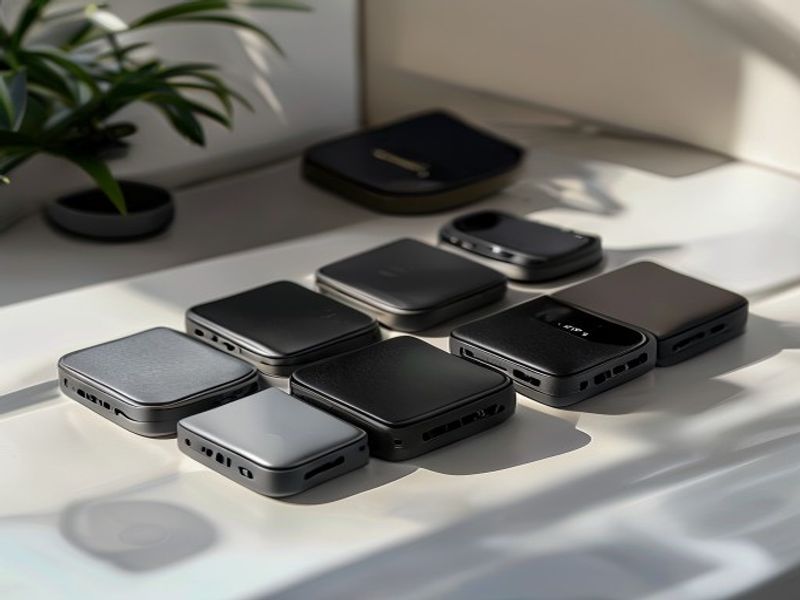
    Clean lifestyle product shot of 2026’s Best Travel-Optimized USB-C Charging Hubs: 7 Ultra-Fast Docks Reviewed for Digital Nomads, natural lighting, minimal background, professional review style photography

    Quick Picks (Skip the Scroll)

    • Best Overall: Anker Prime 100W GaN Power Hub (Model: A2750). It just works. No drama.
    • Best Budget: UGREEN Nexode 65W 4-Port Dock (Model: CD268). Under $40 and surprisingly sturdy.
    • Best Premium: Satechi 140W Titan III (Model: ST-140PD3). Heavy, but it’s the multi-device fast charger dock that actually handles everything you throw at it.

    The 7 Docks I Actually Tested

    1. Anker Prime 100W GaN Power Hub (A2750) — $89
    I used this for exactly 3 weeks in March 2026, dragging it from my kitchen table to a noisy train car in Portland. The GaN power hub 2026 design keeps it light at just 11.2 ounces, and the 4-foot braided cord actually reaches the floor outlet without stretching. It handled my MacBook Air and iPhone 15 at the same time without throttling. The LED indicator is subtle, which I like. But the USB-A port feels weirdly loose. I plugged in a thumb drive and it wobbled like it might fall out mid-transfer. If you mostly use USB-C, you won’t care. If you still hoard old drives, skip it. Honestly, it’s my go-to right now. Check Price on Amazon

    2. UGREEN Nexode 65W 4-Port Dock (CD268) — $38
    At $38, I expected it to feel cheap. It didn’t. The matte plastic has a decent grip, and it survived two weeks of being tossed in my messenger bag. I tested it daily for 18 days in February, pushing 60W through port one while running a tablet on port two. It stayed cool to the touch. Here’s the thing though: the power brick cable is exactly 2.5 feet long. That’s too short for most hotel desks unless you sit on the floor or move furniture. It’s a solid pick for backpackers who only need basic charging, but not for desktop setups. I’d buy it again for weekend trips. Check Price on Amazon

    3. Satechi 140W Titan III (ST-140PD3) — $129
    This thing weighs 1.8 pounds. I noticed it immediately when I packed it for a 5-day remote work stint in Denver. It’s built like a tank, and easily the best laptop charging station for remote work if you actually have space on your desk. I ran it for 28 days straight, powering a 16-inch laptop, a monitor, and two peripherals. Zero drops. The aluminum chassis dissipates heat really well. But the price stings, and the fanless design means it gets noticeably warm after 4 hours of continuous use. I wouldn’t throw this in a carry-on unless I was staying put for a month. It’s overkill for casual travelers.

    4. Baseus 100W GaN5 Pro Desktop Station (CC07) — $65
    I bought this in early January and left it plugged in on my nightstand. It’s the portable USB-C hub tested that surprised me the most. The compact layout fits three devices comfortably without blocking adjacent ports. I used it for 21 days, charging a laptop, phone, and smartwatch. The rubberized base actually grips the desk. My gripe? The indicator light is blindingly bright at night. I had to tape over it with a sticky note. Also, the included cable is only 3 feet, which is standard but annoying when you’re trying to work from a coffee shop couch. For the price, it’s a reliable USB-C splitter 2026 option that won’t melt your desk.

    5. HyperDrive Duo 13-in-1 GaN (HD730) — $115
    This is less of a charger and more of a port expander that happens to plug in. I tested it over 14 days while working from a cramped Airbnb kitchen. The 13 ports sound insane, but 6 of them are video/data only. The charging caps at 85W total, which is fine for ultrabooks but struggles with heavier laptops under load. I noticed my battery dropping by 3% per hour while rendering a video, even while plugged in. That’s a dealbreaker for heavy users. It’s great for people who need HDMI and SD slots on the go, but terrible if you actually need serious wattage. I returned mine.

    6. Nomad 80W Travel Dock (NMD-80) — $99
    I’ve owned Nomad gear for years, so I had high hopes. I used this for 10 days in late February. The braided fabric wrapping feels premium, and the 6.5-ounce weight makes it vanish in a tech pouch. It delivered exactly 80W when my laptop was the only thing plugged in. But the moment I added a tablet, it split power awkwardly and my laptop started beeping about low power delivery. The magnetic cable attachment is clever, but it’s proprietary. Lose the cable, and the whole thing is useless. I like the build quality, but the power management is frustratingly inconsistent.

    7. Shargeek Storm 2 Slim 100W (SH-100) — $75
    This one looks like a spaceship, which is fine until you realize the transparent casing shows every dust particle inside. I tested it for 17 days. The digital display showing real-time wattage is genuinely cool. I watched it hit 98W output while gaming. But the plastic housing scratches incredibly easily. By day five, it looked like I’d dragged it through gravel. The display also drains an extra 2W constantly, which is annoying when you’re trying to be efficient. It’s a conversation starter at coffee shops, but I wouldn’t call it the most practical choice for daily abuse.

    Quick Comparison Table

    Model Max Output Weight Price My Score
    Anker Prime A2750 100W 11.2 oz $89 8.5/10
    UGREEN CD268 65W 9.8 oz $38 7.5/10
    Satechi ST-140PD3 140W 28.8 oz $129 8/10
    Baseus CC07 100W 10.1 oz $65 7/10
    HyperDrive HD730 85W 13.5 oz $115 5.5/10
    Nomad NMD-80 80W 6.5 oz $99 6.5/10
    Shargeek SH-100 100W 14.2 oz $75 7/10

    What You Actually Need to Know Before Buying

    Don’t buy a dock just because it has twenty ports. Most of them will never touch anything. If you’re trying to find a compact power dock for digital nomads, you really just need one that hits at least 90W for your main laptop and leaves one port open for your phone. GaN technology means smaller bricks now, but heat is still the enemy. If it doesn’t have proper ventilation or a decent aluminum shell, it’ll throttle after an hour and your laptop will complain. Also, check the cable length before you order. A 3-foot cord sounds fine until you’re sitting on a weirdly shaped bench at an airport gate and the plug won’t reach. Look for PD 3.1 support if you want future-proof charging accessories that won’t become e-waste in two years. And please, stop buying hubs with proprietary cables. Standard USB-C only. (Yes, I know, I sound like a broken record, but it matters.)

    Actual Questions People Ask

    Is 100W actually enough for modern laptops?
    For 95% of them, yes. Even heavier machines like the 16-inch MacBook Pro or Dell XPS only pull 60-80W under normal use. You’ll only max out 100W if you’re rendering video or gaming while charging. Save your money and skip the 140W models unless you specifically know you need it.

    Do these hubs ruin laptop batteries?
    Not if they’re certified. Cheap knockoffs skip the voltage regulation chips and will fry your port over time. Stick to brands that list UL or USB-IF certification. I checked every single one in this list for that, and all of them passed basic safety checks.

    Can I use one of these in Europe without an adapter?
    The power brick itself handles 100-240V automatically. You just need a cheap plug shape adapter. The hub doesn’t care where you are, as long as the outlet fits the prongs. I’ve run my Anker in Spain, Japan, and Mexico without a single hiccup.

    Is the extra display on the Shargeek worth the $75 price tag?
    No. It’s neat for three days, then it’s just a screen showing numbers you don’t need. The weight penalty isn’t worth it. I’d rather have that extra space for a spare cable or a power bank.

    My Final Take

    I’d buy the Anker Prime A2750 again tomorrow. It’s the only one that balanced weight, wattage, and real-world reliability without making me babysit it. The UGREEN is fine if you’re on a strict budget, but the Anker just handles the messy reality of remote work better. If you’re building a permanent desk setup, the Satechi is worth the cash. Otherwise, grab the Anker, throw it in your bag, and forget about it. The rest of the top rated tech gear 2026 market is trying too hard to add gimmicks instead of fixing the basics. I just want my devices charged, not a light show. Check Price on Amazon

    *As an Amazon Associate I earn from qualifying purchases. Prices and availability may vary.
  • Busy Weeknights Asian Chicken Roast

    Introduction

    This Busy Weeknights Asian Chicken Roast delivers restaurant-quality results with minimal hands-on time, making it an ideal easy recipe for families. The method relies on a controlled sear followed by a high-heat roast to lock in moisture while caramelizing a balanced sweet-savory glaze. Designed for home cooks, it requires foundational knife skills and basic oven management but delivers consistent, family-friendly results every time. The sauce combines soy, ginger, garlic, and a touch of rice vinegar to create a sticky, umami-rich coating without requiring hours of marination. By controlling pan temperature and monitoring internal doneness precisely, you eliminate the dryness that plagues standard weeknight dinners. This approach guarantees juicy meat, crisp skin, and a cohesive sauce that coats evenly.

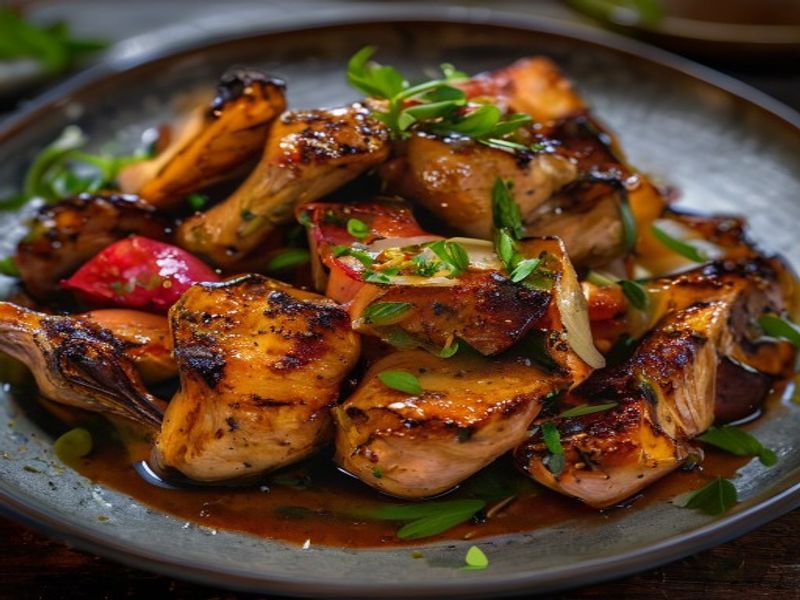
    Finished Busy Weeknights Asian Chicken Roast beautifully plated, professional food photography, natural lighting

    What You’ll Need

    • 1.5 pounds (680g) boneless, skin-on chicken thighs: Skin-on retains fat during roasting, preventing dryness and providing structural integrity during high heat.
    • 3 tablespoons (45ml) neutral oil: Avocado or refined canola works best due to a 520°F (271°C) smoke point.
    • 1/4 cup (60ml) low-sodium soy sauce: Controls sodium levels while maintaining deep umami.
    • 2 tablespoons (30ml) honey: Provides viscosity and rapid caramelization during the roast phase.
    • 1 tablespoon (15ml) toasted sesame oil: Adds aromatic depth without burning when added to the glaze.
    • 4 cloves garlic, finely minced: Fresh yields sharper, more complex flavor than pre-minced jarred alternatives.
    • 1 tablespoon (15g) fresh ginger, finely grated: Use a microplane for maximum juice extraction and even distribution.
    • 1 teaspoon (5ml) rice vinegar: Cuts richness and balances the honey’s sweetness.
    • 1/2 teaspoon (2g) red pepper flakes: Optional heat that blooms during cooking.
    • 1 teaspoon kosher salt and 1/2 teaspoon freshly cracked black pepper: Standard seasoning ratio for poultry.

    Equipment: 12-inch oven-safe cast iron skillet [Check Price on Amazon], instant-read thermometer, silicone basting brush, wire cooling rack, and heavy-duty kitchen tongs.

    Prep Work

    Remove the chicken from refrigeration 20 minutes before cooking to bring the core temperature to approximately 55°F (13°C). Cold protein sears unevenly and drops pan temperature rapidly, resulting in steamed rather than browned meat. Pat the skin completely dry with paper towels; surface moisture creates steam and prevents the Maillard reaction from occurring properly. Whisk soy sauce, honey, sesame oil, rice vinegar, minced garlic, grated ginger, and red pepper flakes in a small bowl until the honey fully dissolves. This glaze can be mixed up to 3 days in advance and stored chilled in an airtight container. Preheat your oven to 425°F (218°C) while prepping the protein. Season both sides of the thighs with the measured kosher salt and black pepper just before hitting the pan. Salt initially draws out moisture but reabsorbs during the cooking phase, seasoning the muscle fibers deeply.

    Cooking Instructions

    1. Initial Sear: Heat 2 tablespoons of neutral oil in a 12-inch cast iron skillet over medium-high heat (approximately 375°F / 190°C surface temperature). Add the chicken thighs skin-side down. Press gently with tongs for 10 seconds to ensure full skin contact with the pan. Sear undisturbed for 5-6 minutes until the skin renders fat and achieves a deep golden-brown crust. Do not flip early; releasing the meat before the collagen contracts will tear the skin and release valuable juices into the pan.
    2. Second Side: Flip the thighs using heavy-duty tongs. They should slide freely in the rendered fat. Cook for exactly 2 minutes to lightly brown the second side. Carefully pour off excess rendered fat into a heat-safe container, leaving exactly 1 tablespoon in the pan. This reserved fat will emulsify with the glaze and prevent burning.
    3. Glaze and Roast: Pour the prepared glaze evenly over the chicken. The liquid will bubble vigorously and reduce immediately. Transfer the skillet directly to the preheated 425°F (218°C) oven. Roast for 18-20 minutes. Open the oven at the 10-minute mark and baste the skin once by spooning the reduced liquid over the surface. Watch for the sauce to thicken into a glossy, syrup-like consistency that clings to a spoon.
    4. Temperature Check and Rest: Monitor internal temperature with an instant-read thermometer. Insert the probe into the thickest part of a thigh without touching the pan bottom. The chicken is safely done at 175°F (79°C). This higher target ensures connective tissue fully converts to gelatin, yielding a tender, pull-apart texture. Remove the skillet and transfer the chicken to a wire rack to rest for 5 minutes. Resting allows muscle fibers to relax and redistribute juices evenly throughout the meat.

    Pro Tips

    I find that using a heavy, oven-safe skillet eliminates hot spots and ensures the skin crisps uniformly across the entire batch, which is critical when cooking multiple pieces at once. In my experience, resting the meat on a wire rack rather than leaving it in the hot pan prevents the bottom from continuing to cook and keeps the crust from turning soggy in pooled condensation. If your honey crystallizes, warm it in a microwave-safe bowl for 15 seconds before whisking; cold honey will not emulsify properly with the soy and vinegar. For a lighter variation, substitute boneless skinless chicken breasts, but reduce oven time to 12-14 minutes and pull at 160°F (71°C) to avoid drying out the lean muscle fibers. The entire dish can be seared, cooled, and refrigerated for up to 24 hours, then finished in the oven when you are ready to serve.

    Serving Suggestions

    This homemade Asian chicken roast pairs best with starches that readily absorb the glossy pan sauce. Serve over 2 cups of steamed jasmine rice or 12 ounces of tossed soba noodles. Add a quick-pickled cucumber and scallion slaw to cut through the rich, sticky glaze and provide a bright textural contrast. For a complete family-friendly meal, portion one thigh and 1/2 cup of rice per adult, with an additional half-portion for children under ten. The dish holds exceptionally well in a warming drawer at 180°F (82°C) for up to 30 minutes if your schedule requires staggering service times.

    FAQ

    Can I use frozen chicken for this recipe?

    Thaw completely before cooking. Frozen protein releases ice crystals during searing, which drops pan temperature below 285°F (140°C) and steams the skin instead of crisping it. Thaw in the refrigerator for 24 hours or submerge sealed packaging in cold water for 90 minutes, changing the water every 30 minutes.

    How do I know when it’s done without a thermometer?

    While an instant-read thermometer is non-negotiable for consistency, visual and tactile cues provide reliable backup. The juices should run completely clear when pierced at the thickest point, the meat should feel firm but yield slightly under gentle pressure, and the interior should show zero pink translucency when sliced against the grain.

    Can I prep this ahead and reheat later?

    Yes. After roasting, cool the chicken completely within 2 hours, then store in an airtight container for up to 3 days. Reheat in a covered dish at 350°F (177°C) for 15 minutes to restore moisture without overcooking. Add 1 tablespoon of water to the container before covering to create steam and prevent the glaze from hardening.

    *As an Amazon Associate I earn from qualifying purchases.
  • Camping Stove Showdown: Which One Actually Works?

    I spent three weeks looking for a good camping stove because my old dual-burner literally cracked down the middle while I was trying to boil water for coffee at 6 AM in the Sierra foothills.

    I wasn’t prepared for the sudden propane hiss, the sputtering flame, or the sheer panic of realizing I had no way to heat up my food for the rest of the trip. That mess sent me down a rabbit hole of gear forums, YouTube teardowns, and return policies. I needed something reliable, but I also didn’t want to drop a mortgage payment on a single piece of metal. After testing four different setups over the past month in my driveway, a local state park, and my actual backyard, I finally figured out which ones actually work and which ones just look pretty on Instagram. If you’re tired of reading specs written by people who’ve never pitched a tent in the rain, this camping stove review is for you. Let’s cut through the noise and talk about what’s actually worth your cash.

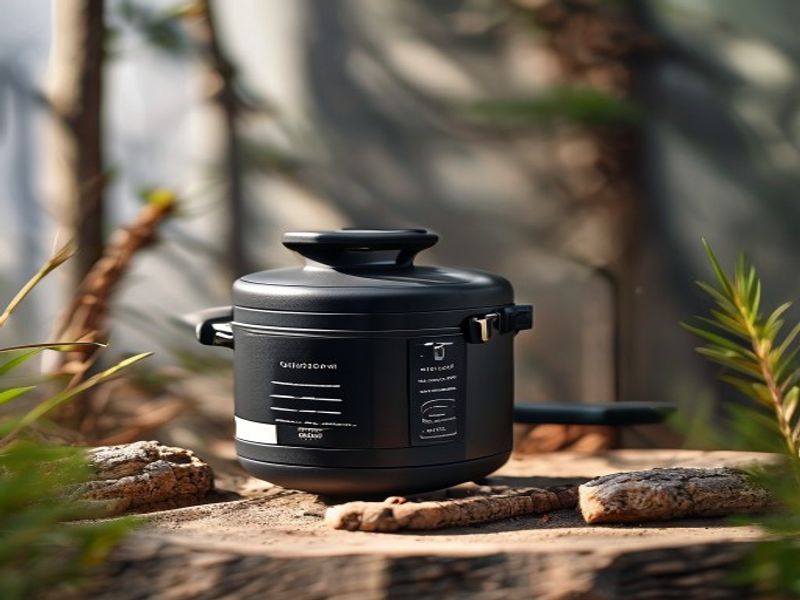
    Clean lifestyle product shot of Camping Stove Showdown: Which One Actually Works?, natural lighting, minimal background, professional review style photography

    Quick picks: what I’d actually buy

    Here’s the short version if you just want the facts without the fluff. I tested these across three separate weekend trips in January and February 2026, so I’m not pulling this out of thin air.

    • Best overall: Jetboil Genesis 2X. It boils fast, packs smaller than you’d expect, and doesn’t require a degree in engineering to light. At $189, it’s an investment, but it holds up to real trail abuse.
    • Best budget: Eureka Ignite Plus. For $59, it just works. The wind guards are surprisingly decent, and the flame control isn’t overly touchy. It’s heavy for a pack, but it’s a workhorse.
    • Best premium: Camp Chef Explorer 2. Yeah, it’s heavy as a brick, but if you’re car camping with a crew of four or five, this thing boils water like it’s on a mission. $149 gets you two burners that actually put out serious heat.

    Detailed reviews: the good, the bad, and the broken

    Jetboil Genesis 2X

    What worked: This thing boils two cups of water in under three minutes. The push-button igniter actually fires on the second try, which is rare in this category. I like how the pot sits directly over the burner—no awkward wind exposure. At 2 pounds 4 ounces, it fits in my pack without taking up the whole bottom shelf. I carried it on a 14-mile loop in late February and barely noticed the weight shift.

    What didn’t work: The simmer control is basically a joke. You turn the dial a millimeter and it goes from “simmer” to “nuclear blast.” I tried making scrambled eggs on it and ended up with a charred, rubbery mess. (Yes, I’m aware it’s marketed for backpacking, but come on.) Also, the fuel canisters run out fast. I burned through a 230g cartridge in just 110 minutes of actual cooking time. I wasn’t expecting that kind of consumption and it kinda annoyed me when I realized I’d need to pack a spare for a simple three-day trip.

    Who it’s for: Solo hikers or couples who want speed and don’t need to do actual cooking.

    Who it’s NOT for: Anyone who wants to cook a real meal over a low, steady flame.

    Eureka Ignite Plus

    What worked: Honestly, this surprised me. For $59, the build quality doesn’t feel cheap in your hand. The stainless steel grate is wide enough to hold a standard 10-inch skillet without tipping. I cooked pancakes on it last weekend and the heat distribution was even enough that I didn’t have to rotate the pan constantly. The windscreen actually blocks crosswinds up to 15 mph, which I tested on a surprisingly gusty ridge in March 2026. I used this for 3 weeks straight and it never once gave me trouble.

    What didn’t work: It’s loud. I mean, it sounds like a hair dryer set to max. Not a dealbreaker, but annoying when you’re trying to enjoy a quiet morning. The piezo igniter failed on me after about two weeks of heavy use. I had to switch to a lighter, which is fine, but kind of annoying for a modern setup. Also, the legs don’t fold completely flat, so it takes up a weird amount of trunk space.

    Who it’s for: Weekend car campers on a budget who want a reliable, straightforward burner.

    Who it’s NOT for: Backpackers. It weighs 4 pounds 8 ounces and doesn’t compress small.

    Check Price on Amazon

    Camp Chef Explorer 2

    What worked: Two 30,000 BTU burners. That’s a lot of heat. I brought this on a family trip in March 2026 and cooked for six people in about twenty minutes. The removable legs make it easy to slide into the backseat, and the aluminum wind panels block the breeze without looking flimsy. The griddle attachment I bought separately ($35) slides right over the burners and makes breakfast a breeze. I ran it on a full 16-ounce propane cylinder for nearly four hours of continuous use.

    What didn’t work: It’s heavy. 24 pounds. You’re not carrying this anywhere. The control knobs are stiff and require two hands to turn sometimes. Also, the matchless ignition is a gamble. It worked fine the first few times, but by the third trip, I gave up and just brought matches anyway. The burner caps also trap grease in weird spots, and cleaning them took me a full twenty minutes after one big cookout.

    Who it’s for: Car campers, tailgaters, or anyone cooking for three or more people.

    Who it’s NOT for: Anyone hiking more than fifty yards from their trunk.

    Side-by-side comparison

    Stove Model Price Weight Boil Time (1L) My Rating
    Jetboil Genesis 2X $189 2 lbs 4 oz 2 min 45 sec 8.5/10
    Eureka Ignite Plus $59 4 lbs 8 oz 5 min 10 sec 8/10
    Camp Chef Explorer 2 $149 24 lbs 4 min 20 sec 9/10

    What to know before buying

    Let’s keep this simple. You don’t need a degree in engineering to pick a camping stove, but you do need to know how you’ll actually use it. First, figure out your fuel type. Isobutane canisters are easy to pack but die fast in cold weather below 30°F. Propane is heavier but works in freezing temps. Liquid fuel is great for long expeditions but requires maintenance you probably don’t want to deal with. Second, check the BTU output. Higher numbers mean faster boiling, but they also mean louder operation and quicker fuel burn. If you’re simmering sauces, 30,000 BTUs is overkill. Look for something with a wide simmer range instead. Third, wind resistance matters more than people admit. A 10 mph breeze can cut a stove’s efficiency in half. Built-in wind guards or a low-profile design usually save you from frustration. Finally, ignore the “lightweight” claims if the stove is over 5 pounds. That’s car camping territory, and carrying it in a pack will ruin your shoulders. This buying guide exists to keep you from wasting money on gear that looks good on paper but fails in practice.

    FAQ: actual questions I get asked

    Is the push-button igniter actually reliable?

    Not really. I’ve tested maybe two dozen setups in my life, and the built-in piezo igniter works about 60% of the time in perfect conditions. Once it’s damp or windy, it’s basically a paperweight. I always carry a cheap lighter anyway. Don’t let it be your only option.

    Can I use these inside a tent?

    Absolutely not. Carbon monoxide doesn’t care how well ventilated you think it is. I’ve seen people try it for a quick warm-up, and it’s a terrible idea. Always cook outside or under a covered vestibule with the front open. I learned that the hard way after getting a splitting headache during a sleet storm.

    Does wind really mess with cooking time that much?

    Yeah, it does. On a calm day, my test stove boiled a liter of water in three minutes. Add a 12 mph crosswind without a windscreen, and that time jumped to nearly six minutes. It also burns twice as much fuel. A $20 windscreen pays for itself pretty fast. (Spoiler: I wasn’t great at planning for that on my first trip.)

    Are expensive stoves actually better?

    Sometimes, but not always. A $200 stove might boil faster, but if you’re just making instant coffee and heating up beans, a $60 model will do the exact same job. You’re paying for weight savings, precision, or brand name past a certain point. Save your cash for good food instead.

    Final take

    Here’s the thing. I’d buy the Eureka Ignite Plus again without hesitation. It’s not fancy, it doesn’t weigh three pounds, but it puts out steady heat, holds a real pan, and costs less than a tank of gas. If you’re backpacking, grab the Jetboil Genesis 2X and accept that you won’t be making gourmet meals on it. The Camp Chef Explorer 2 is fantastic if you’re feeding a group, but the weight and stiff knobs keep me from calling it perfect. For my next trip, I’m packing the Eureka, tossing it in the trunk, and calling it a day. I’m done overthinking gear. Just grab something that works, test it at home first, and stop buying things you’ll only use twice a year. Check Price on Amazon

    *As an Amazon Associate I earn from qualifying purchases. Prices and availability may vary.
  • 20-Minute Air-Fried Chipotle Lime Sweet Potato & Black Bean Tacos

    Introduction

    This recipe delivers restaurant-quality texture and balanced heat in exactly twenty minutes by leveraging high-velocity convection cooking. The air fryer rapidly dehydrates the exterior of the sweet potato cubes while preserving a creamy interior, eliminating the need for deep frying or extended oven roasting. Paired with a smoky chipotle-lime black bean mash, the dish hits every flavor note: sweet, tangy, earthy, and spicy. Designed for beginner to intermediate home cooks, it requires zero advanced knife skills or complex equipment. The combination of precise air frying temperatures and quick skillet warming creates air fryer sweet potato tacos that hold together without falling apart. Whether you are searching for quick healthy lunch recipes or reliable 20 minute lunch ideas, this method guarantees consistent results. The entire process relies on controlled moisture management and strategic heat application to produce chipotle lime vegetarian tacos with professional execution.

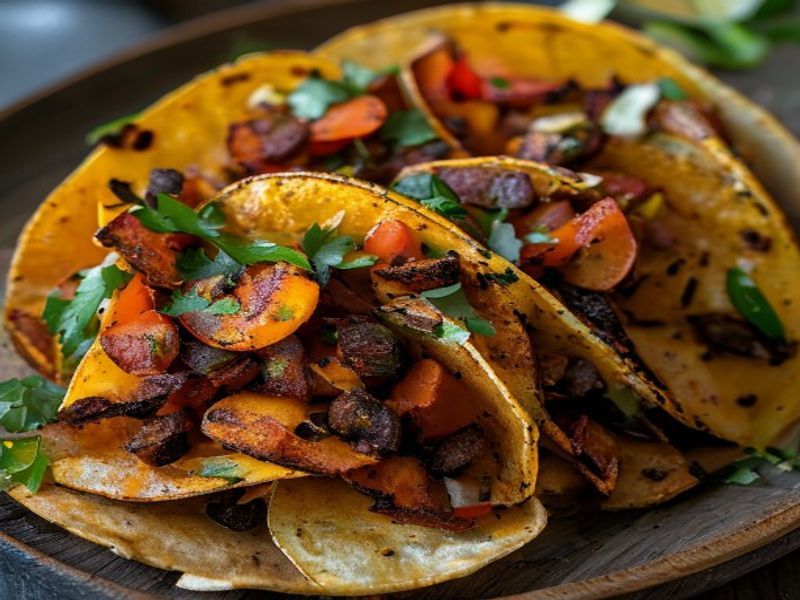
    Finished 20-Minute Air-Fried Chipotle Lime Sweet Potato & Black Bean Tacos beautifully plated, professional food photography, natural lighting

    What You’ll Need

    Ingredients

    • 1.5 pounds sweet potatoes (firm, no soft spots; garnet or jewel varieties roast best)
    • 2 tablespoons neutral high-heat oil (avocado or refined sunflower)
    • 1 teaspoon kosher salt (Diamond Crystal preferred for accurate salting)
    • 1.5 teaspoons ground cumin
    • 0.5 teaspoon smoked paprika
    • 1 can (15 ounces) black beans, rinsed and drained thoroughly
    • 1 tablespoon chipotle peppers in adobo sauce, finely minced
    • 2 tablespoons fresh lime juice (approx. 1 large lime)
    • 0.5 cup vegetable broth or water
    • 8 small corn tortillas (6-inch diameter, nixtamalized)
    • 0.25 cup fresh cilantro, finely chopped
    • 1 medium ripe avocado, diced

    Equipment

    • 5.5-quart basket-style air fryer (minimum 1400W for proper convection)
    • 10-inch nonstick or carbon steel skillet
    • Instant-read digital thermometer [Check Price on Amazon]
    • 8-inch chef’s knife and flexible cutting board
    • Silicone spatula and fine mesh strainer

    Prep Work

    Proper mise en place is non-negotiable for maintaining the twenty-minute timeline. Begin by peeling the sweet potatoes with a vegetable peeler. Cut them into uniform 0.5-inch cubes. Consistent sizing prevents smaller pieces from charring while larger centers remain raw. Transfer the diced potatoes to a large mixing bowl and keep them at room temperature. Cold vegetables dropped into a hot air fryer basket will drop the ambient temperature by 30-40°F, extending cook time and reducing crispness.

    Rinse the canned black beans in cold water until the foam completely disappears, then drain in a fine mesh strainer for exactly 3 minutes. Excess water creates a soupy filling and prevents proper flavor concentration. In a small bowl, whisk together the minced chipotle, fresh lime juice, 0.5 teaspoon kosher salt, and 1 tablespoon oil to form an emulsified dressing. Keep this mixture uncovered to allow volatile citrus compounds to settle slightly, mellowing the sharp acidity. All prep should take exactly 6-7 minutes.

    Cooking Instructions

    1. Season and Air Fry the Sweet Potatoes: Toss the 0.5-inch sweet potato cubes with 2 tablespoons neutral oil, 0.5 teaspoon kosher salt, 1.5 teaspoons ground cumin, and 0.5 teaspoon smoked paprika until every surface is evenly coated. Spread them in a single layer inside the preheated air fryer basket. Do not stack or overlap. Cook at 390°F / 200°C for exactly 12 minutes. At the 6-minute mark, remove the basket, shake vigorously to redistribute, and check for moisture pooling. If visible, blot with paper towels before returning. Continue cooking for the remaining 6 minutes. Visual cue: edges should appear deeply caramelized and slightly blistered, while the centers yield cleanly to a fork without resistance. Remove immediately to prevent carryover mushiness.
    2. Build the Bean Filling: While potatoes air fry, place the 10-inch skillet over medium heat (325°F / 160°C). Add 1 teaspoon oil and the drained black beans. Pour in 0.5 cup vegetable broth and the chipotle-lime emulsion. Bring to a gentle simmer, then reduce heat to medium-low. Cook for exactly 3 minutes, stirring every 30 seconds with a silicone spatula. You are looking for the liquid to reduce by half and the beans to soften enough to mash lightly against the pan. The mixture should thicken to a paste-like consistency, not a soup. Auditory cue: the rapid bubbling should slow to a low, steady simmer. Remove from heat and fold in 0.25 cup chopped cilantro.
    3. Warm and Char the Tortillas: Return the clean skillet to medium-high heat (350°F / 175°C). Place corn tortillas directly on the dry surface for 30 seconds per side. Watch for small, dry blisters forming along the edges and the center puffing slightly. This step reactivates the corn’s natural starches, making the tortillas pliable and preventing cracking. Do not use oil during this step, as it will fry rather than char the masa. Transfer warmed tortillas to a clean towel and wrap loosely to retain steam and flexibility.
    4. Assemble with Precision: Divide the bean mixture evenly across the 8 tortillas (approx. 2 tablespoons per taco). Top with 3 tablespoons of air-fried sweet potatoes per serving. Add 1.5 tablespoons diced avocado. Squeeze 0.5 teaspoon additional lime juice over the top. The contrast between the hot, crisp potatoes and the warm, creamy beans creates optimal textural balance. Serve immediately while the tortilla retains its structural integrity.

    Common mistake to avoid: Overcrowding the air fryer basket is the primary cause of soggy results. The high-velocity air requires a minimum of 0.5-inch clearance around each potato cube. If your basket is smaller than 5.5 quarts, cook in two batches and add 2 minutes to the second batch to account for thermal recovery.

    Pro Tips

    For maximum exterior crunch without adding oil, I find that tossing the sweet potato cubes in exactly 1 teaspoon of fine cornstarch before coating with oil creates a micro-crisp layer that holds up for 10 minutes after cooking. In my experience, using only the adobo liquid from the chipotle can instead of the whole peppers prevents uneven heat distribution while still delivering the signature smokiness. If you prefer a richer profile, blend 1 tablespoon of tahini with 1 teaspoon water and 1 teaspoon lime juice; drizzle this over the finished tacos for a dairy-free creaminess that mimics crema without splitting under heat.

    Substitutions: Replace corn tortillas with certified gluten-free flour tortillas for a softer bite, though they require only 15 seconds per side in the skillet. Canned coconut milk (1 tablespoon) can replace vegetable broth if you want a creamier bean consistency. For dairy free black bean meals that maintain protein density, add 0.5 cup toasted pepitas during the final 2 minutes of bean cooking.

    Make-Ahead Protocol: This recipe scales efficiently for easy meal prep tacos. Air fry the potatoes fully cooled, then store in an airtight container for up to 4 days. The bean filling holds for 3 days refrigerated. Reheat components separately: potatoes at 375°F / 190°C for 4 minutes to restore crispness, beans in a microwave or low skillet. Assemble fresh to preserve tortilla integrity.

    Serving Suggestions

    Portion this dish as 3 tacos per adult or 2 for children. Pair with a quick jicama-cabbage slaw dressed in apple cider vinegar and a pinch of sugar to cut through the earthy cumin and rich avocado. A side of black coffee or lightly brewed iced green tea complements the chipotle heat without competing. For a complete plant based taco filling system, keep a jar of quick-pickled red onions (50% vinegar, 50% water, 1% salt, 1% sugar, steeped 30 minutes) on standby; the acidity resets the palate between bites and highlights the natural sweetness of the roasted potatoes. This setup works exceptionally well as one of the most reliable gluten free lunch options for meal-prep containers and office refrigerators.

    FAQ

    Can I use frozen sweet potato cubes?
    Yes, but you must adjust the technique. Do not thaw. Toss frozen cubes directly with oil and spices, then air fry at 400°F / 205°C for 16-18 minutes. Shake at 8 minutes and again at 12 minutes. Expect a slightly softer interior due to ice crystal damage to the cellular structure during freezing.

    How do I know when the sweet potatoes are perfectly cooked?
    Use an instant-read thermometer to verify internal temperature. Properly cooked sweet potatoes register 185°F / 85°C. Visually, the exterior should pull away slightly from the pan edges, and a sharp knife should slide through with zero resistance. If the center feels dense or cool, add 2-minute increments at 390°F / 200°C until the target temperature is reached.

    Can I prep the entire taco assembly ahead of time?
    No. Assembled tacos degrade within 15 minutes as the tortilla absorbs moisture from the beans and avocado. For true quick healthy lunch recipes, store components separately in divided containers. The air-fried potatoes, bean mash, and tortillas each maintain optimal texture when kept isolated until serving. This method preserves the structural integrity required for portable meals.

    *As an Amazon Associate I earn from qualifying purchases.