作者: Alex Chen

  • Low-Carb Pork Skillet with Creamy Garlic Sauce
    Low-Carb Pork Skillet with Creamy Garlic Sauce

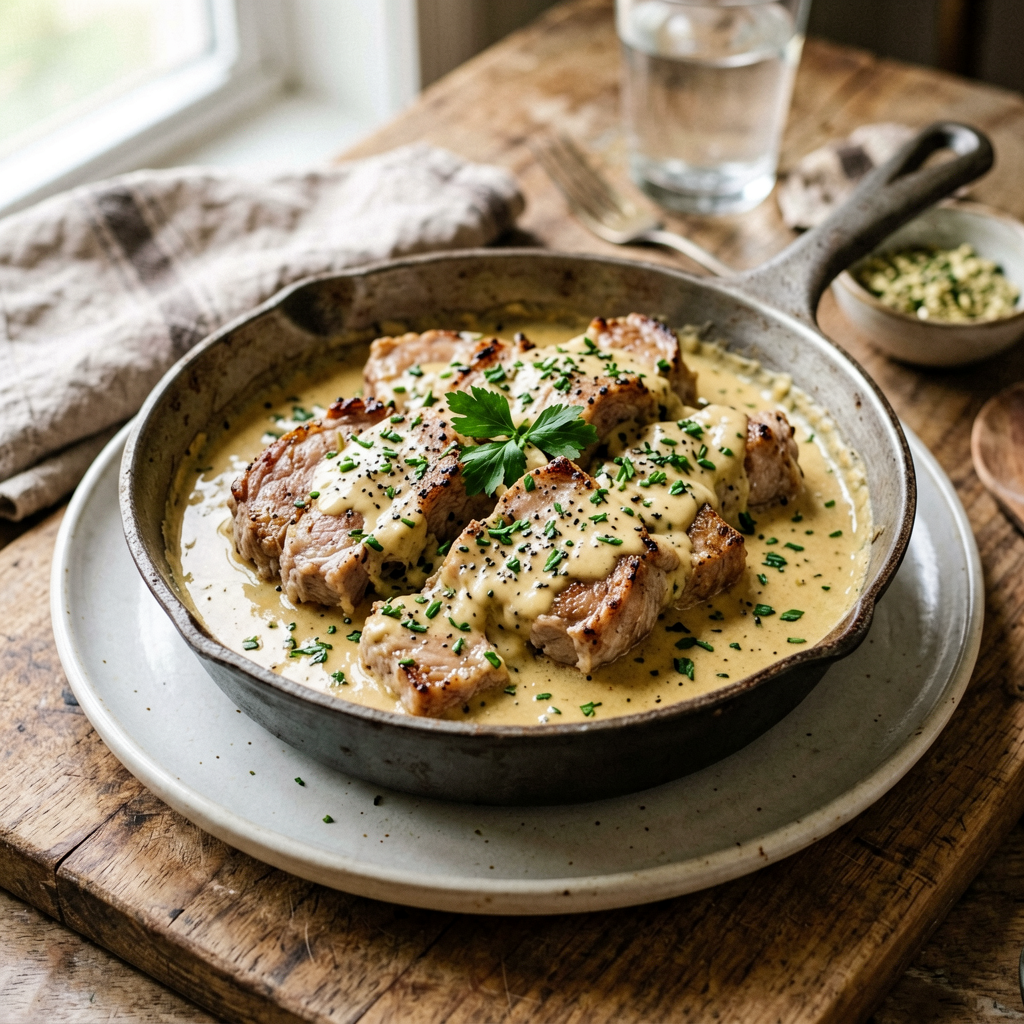
    Finished Low-Carb Pork Skillet with Creamy Garlic Sauce beautifully plated, professional food photography, natural lighting

    This recipe is the definition of a practical, weeknight-friendly skillet meal that doesn’t sacrifice flavor for speed. We’re using thick-cut pork chops, searing them to develop a rich, golden crust, and then building a luxurious, creamy garlic pan sauce in the same vessel. The technique is straightforward, but the details—proper searing temperature, resting the meat, and reducing the sauce correctly—are what separate a good meal from a great one. This is an excellent recipe for beginner to intermediate home cooks looking to master foundational skillet techniques. The low-carb profile makes it a satisfying choice for those following specific dietary plans without feeling like a compromise.

    What You’ll Need

    Ingredients

    • Pork: 4 boneless pork loin chops (6-8 oz each, about 1.5 inches thick). Look for chops with consistent thickness for even cooking.
    • Seasoning: 1.5 teaspoons kosher salt, 1 teaspoon freshly ground black pepper, 1/2 teaspoon garlic powder.
    • Cooking Fat: 1 tablespoon avocado oil (or other high-smoke-point oil) and 1 tablespoon unsalted butter.
    • Creamy Garlic Sauce:
      • 4 large cloves garlic, finely minced
      • 1/2 cup heavy whipping cream (35% fat)
      • 1/4 cup chicken broth (low-sodium preferred)
      • 1 tablespoon Dijon mustard
      • 1 tablespoon fresh parsley, chopped (for garnish and finishing)
      • Salt and pepper to taste

    Equipment

    • 12-inch cast iron or heavy-bottomed stainless steel skillet. A proper skillet ensures even heat distribution for a perfect sear.
    • Instant-read digital thermometer. This is non-negotiable for perfectly cooked pork.
    • Tongs and a wooden spoon.
    • Small mixing bowl for sauce ingredients.
    • Cutting board and sharp knife.

    Prep Work

    Proper preparation is critical for a smooth cooking process. Perform all chopping and measuring before you turn on the heat. Pat the pork chops completely dry with paper towels on all sides; this is the single most important step for achieving a good sear. Season them generously on both sides with the kosher salt, black pepper, and garlic powder. For best results, let the seasoned chops rest at room temperature for 15-20 minutes while you prep other ingredients. This takes the chill off, promoting more even cooking.

    Finely mince the garlic. In your small bowl, whisk together the heavy cream, chicken broth, and Dijon mustard. Having this mixture ready prevents you from scrambling later when the pan is hot. Have your parsley chopped and ready.
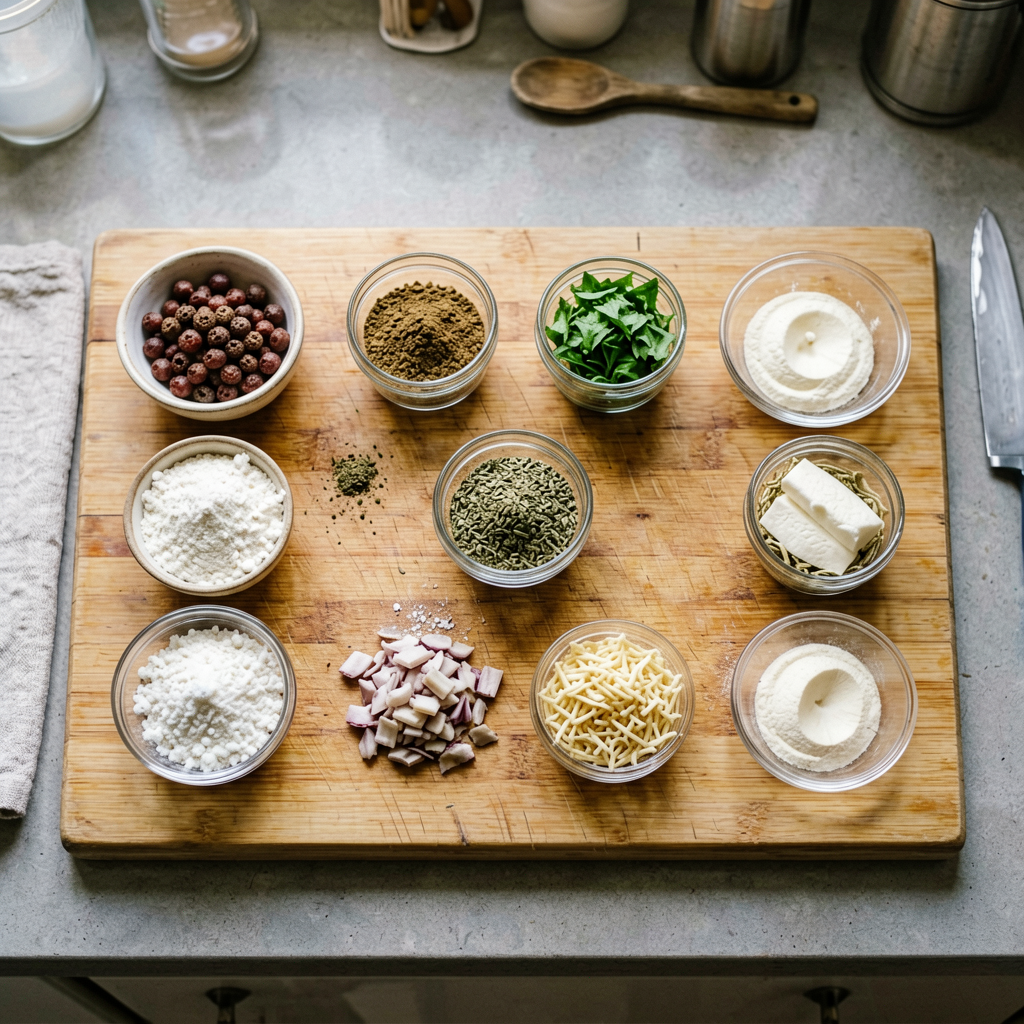
    Ingredients prepped and organized on cutting board, mise en place, professional kitchen setup

    Cooking Instructions

    1. Sear the Pork Chops: Place your skillet over medium-high heat. Add the avocado oil. When the oil shimmers and just begins to smoke (around 375°F / 190°C on an infrared thermometer), carefully add the pork chops. Do not overcrowd the pan—cook in batches if necessary. Sear undisturbed for 3-4 minutes. You’re looking for a deep, golden-brown crust. Flip and sear the second side for another 3-4 minutes.
    2. Check for Doneness and Rest: Using your instant-read thermometer, check the internal temperature. You are targeting 145°F (63°C) for pork with a slight blush of pink in the center, which is safe and juicy. The chops will continue to cook as they rest. Transfer the seared chops to a plate and tent loosely with foil. Rest for 5 minutes. This allows the juices to redistribute throughout the meat.
    3. Build the Pan Sauce: Reduce the heat to medium. Add the butter to the same skillet, scraping up any browned bits. Once melted, add the minced garlic. Sauté for 60-90 seconds, stirring constantly, until fragrant but not browned. The fond (browned bits) on the pan bottom is packed with flavor; deglaze by pouring in the pre-mixed cream, broth, and mustard. Use your wooden spoon to scrape all the flavorful bits from the pan.
    4. Simmer and Finish: Bring the sauce to a gentle simmer (small bubbles breaking the surface, not a rolling boil). Let it reduce and thicken slightly for 2-3 minutes. It should coat the back of a spoon. Stir in the fresh parsley and season with additional salt and pepper if needed. If the sauce is too thick, a splash more broth can thin it. If too thin, simmer a bit longer.
    5. Combine and Serve: Return the pork chops, and any accumulated juices from the plate, to the skillet. Turn them to coat thoroughly in the creamy garlic sauce. Let them warm through for 1 minute. Serve immediately, spooning extra sauce from the pan over the top.
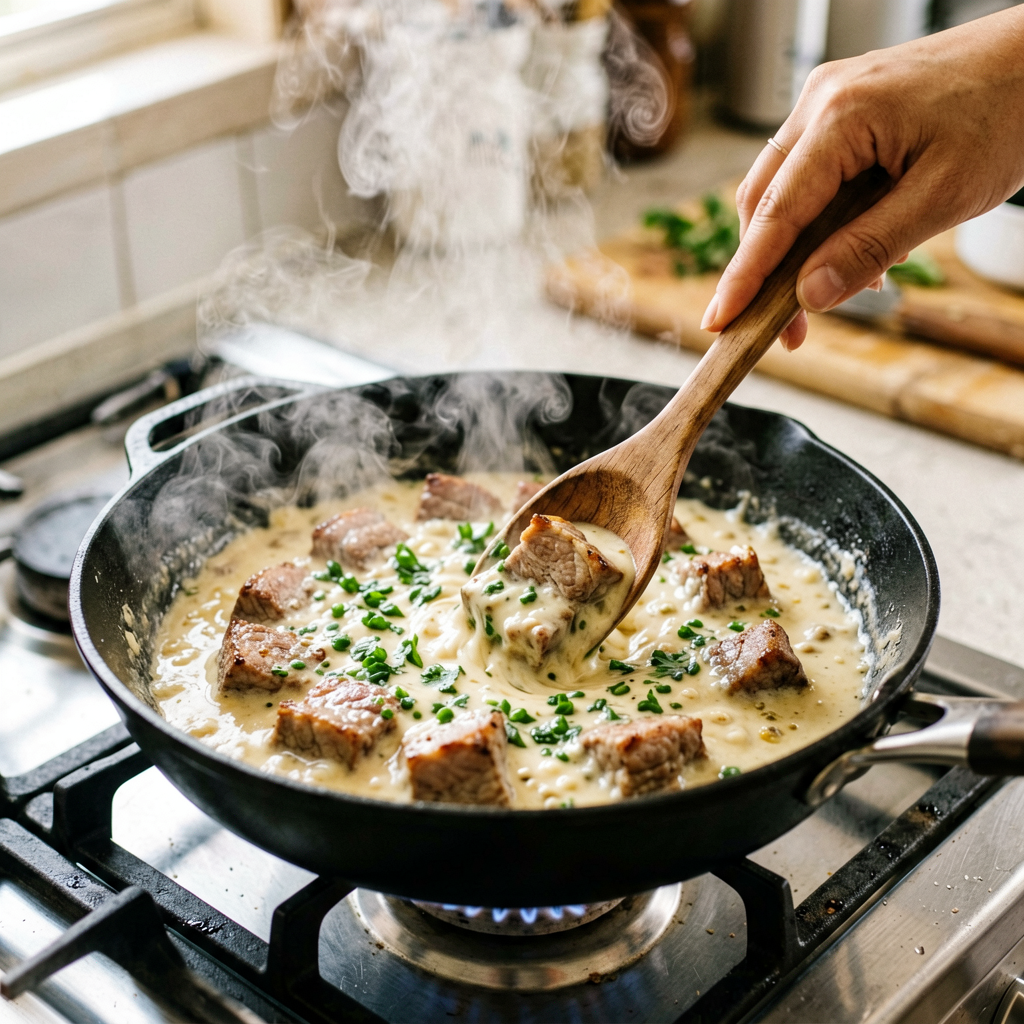
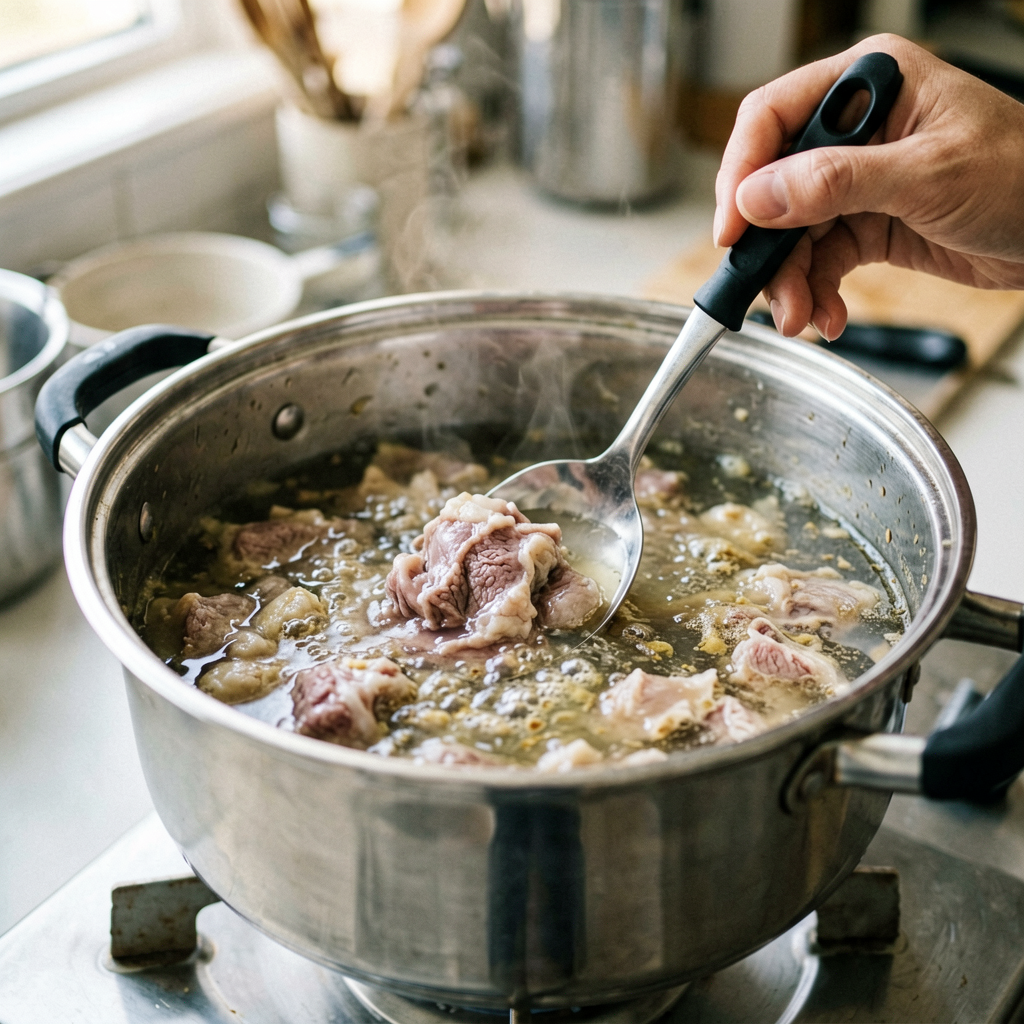
    Cooking process shot, Low-Carb Pork Skillet with Creamy Garlic Sauce in pan, steam rising, professional action photography

    Pro Tips

    • The Sear is Everything: Don’t move the chops once they hit the hot pan. Listen for a strong, consistent sizzle. If it’s weak, your pan isn’t hot enough. A proper Maillard reaction (browning) creates complex flavor and texture.
    • Sauce Control: If your sauce breaks (looks oily or curdled), it’s likely from too-high heat. Immediately remove from heat and whisk in a teaspoon of cold heavy cream or a small ice cube to bring it back together.
    • Substitutions: Chicken thighs (boneless, skinless) work well here; increase searing time by 1-2 minutes per side. For a different flavor profile, try sun-dried tomatoes or a tablespoon of capers in the sauce. In my experience, finishing with a squeeze of lemon juice right at the end brightens the rich sauce beautifully.
    • Make-Ahead: You can season the pork chops up to 24 hours in advance. Prepare the sauce base (minus parsley) and store it covered in the refrigerator for up to 2 days.

    Serving Suggestions

    This dish is a complete low-carb meal on its own. Pair it with:

    • Vegetables: Steamed asparagus, roasted broccoli, or sautéed spinach with a touch of garlic.
    • Heartier Sides: Cauliflower mash or a simple side salad with a vinaigrette to cut through the richness.
    • Portion Guidance: One 6-8 oz pork chop with a generous 2-3 tablespoons of sauce per person is a satisfying serving.

    FAQ

    Can I use frozen pork chops?

    I strongly advise against it. Cooking from frozen will prevent a proper sear, causing the meat to steam and release excess moisture. Thaw completely in the refrigerator for 24-48 hours for best results.

    How do I know when the pork is done?

    Visual cues are unreliable. An instant-read thermometer is your best guide. Insert it into the thickest part, avoiding bone. Pull the chops at 145°F (63°C) for juicy, perfectly cooked pork. Do not exceed 150°F (66°C) or the meat will dry out.

    Can I prep this ahead?

    Yes. Perform the “Mise en Place” (step 1 of Prep Work) up to a day ahead: season the chops, mince the garlic, and mix the cream sauce base (without parsley). Store all components separately in the refrigerator. Cooking will take just 15 minutes when you’re ready.

    *As an Amazon Associate I earn from qualifying purchases.*
  • Budget Electric Kettles That Sound Expensive

    My Old Kettle Died, and I Went Down a Rabbit Hole

    Look, my morning routine is sacred. 6:45 AM, stumble to the kitchen, fill the kettle, hit the button, go back to stare at the wall while my brain boots up. My trusty old Hamilton Beach had served me well for four years. Then, last month, it made a sad, gurgling sound and died mid-boil. Not a bang, just a whimper. I needed a replacement, and fast. I wasn’t looking for fancy; I just wanted something that wouldn’t sound like a jet engine taking off, that would actually boil water, and that wouldn’t make me feel like I’d wasted my money.

    So I did what we all do. I opened Amazon. And man, the rabbit hole is deep. Every other kettle is called “the best electric kettle.” Every review is five stars. I spent three evenings scrolling, comparing wattages and materials, reading about “304 stainless steel” and “keep-warm functions.” I was getting overwhelmed. I just wanted to boil water for tea, not launch a space shuttle.

    I finally narrowed it down to three contenders, all under $70. I bought them myself, used them every single day for the past three weeks, and here’s the real story. No corporate fluff, just what it’s like to actually use these things in a real kitchen.

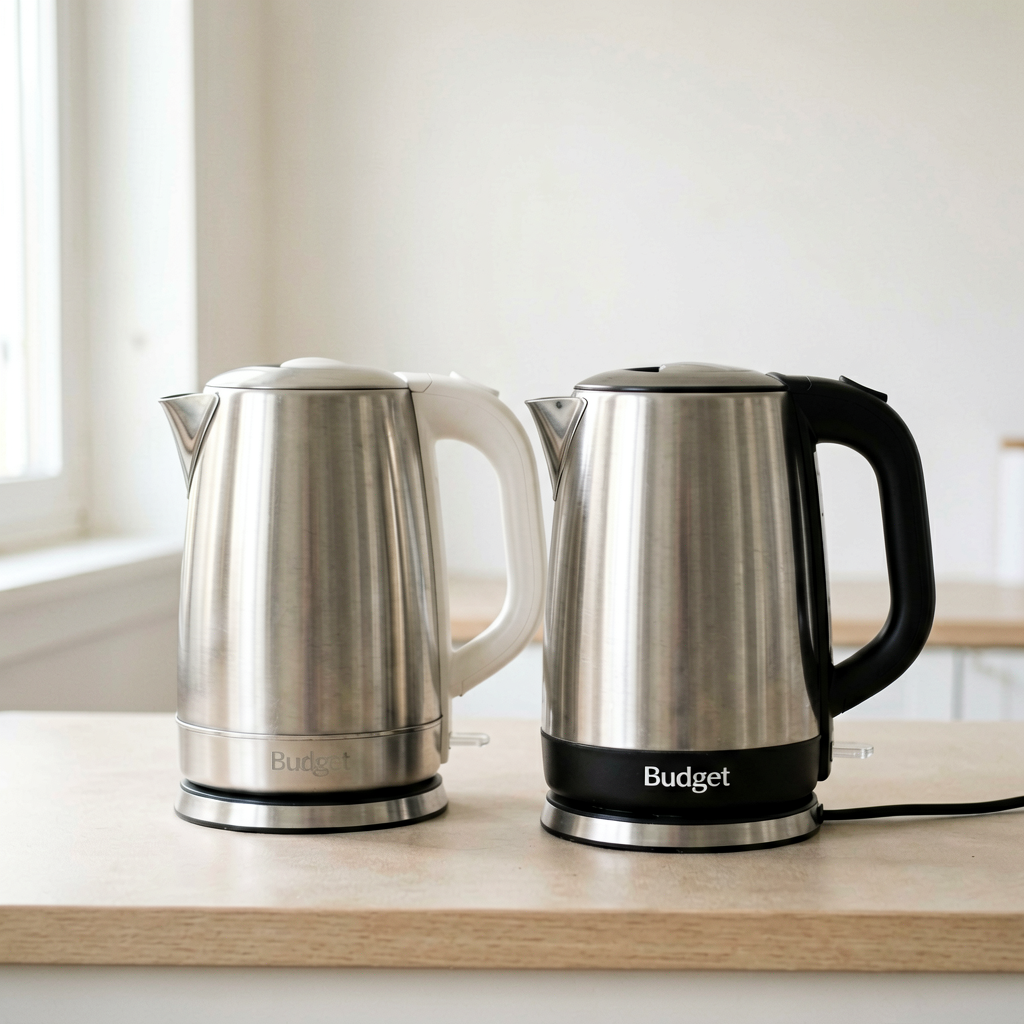
    Clean lifestyle product shot of Budget Electric Kettles That Sound Expensive, natural lighting, minimal background, professional review style photography

    My Quick Picks (If You’re in a Rush)

    • Best Overall: The Cosori Gooseneck ($39.99). It looks like a $100 kettle, feels solid, and pours like a dream. This is the one I’d buy again.
    • Best Budget: The Bodum Bistro ($24.99). It’s plastic, it’s basic, but it boils fast and hasn’t failed me. For the price, it’s hard to complain.
    • Best “Premium” Feel: The Hamilton Beach Temp Control ($54.99). It has more settings than my microwave and a stainless steel body. It’s nice, but maybe more kettle than you need.

    The Full, Honest Breakdown

    1. Cosori Gooseneck Electric Kettle (Model C-1601-KUS)

    Price: $39.99 (got it on sale from $49.99)
    Test Time: 22 days of daily use.
    The Feel: This is where it wins right out of the box. It’s got this nice, brushed stainless steel finish that doesn’t scream “cheap.” The handle is comfortable, not slippery, and the gooseneck spout looks seriously elegant on the counter. For under $40, it looks expensive.

    The Good: The pour control is fantastic. If you make pour-over coffee or just hate spilling, this is your jam. It boils a full 0.8L (about 27 oz) in a little over 3 minutes, which is quick. It has five temperature presets (160°F to 212°F), which I thought was gimmicky until I tried green tea at 175°F. Game… well, it made a noticeable difference. The base has a cord wrap, which is a small thing I appreciate.

    The Bad: The lid. The lid doesn’t have a big, satisfying button to pop it open. You have to pull up on a small latch. It works, but it feels a little fiddly when you’re half asleep. Also, the water window is on the back side from the handle, so you have to peer around it to check the level. Not a huge deal, but annoying.

    Who it’s for: Someone who wants a kettle that looks and performs like it costs twice the price. Great for tea snobs and coffee lovers. [Check Price on Amazon]

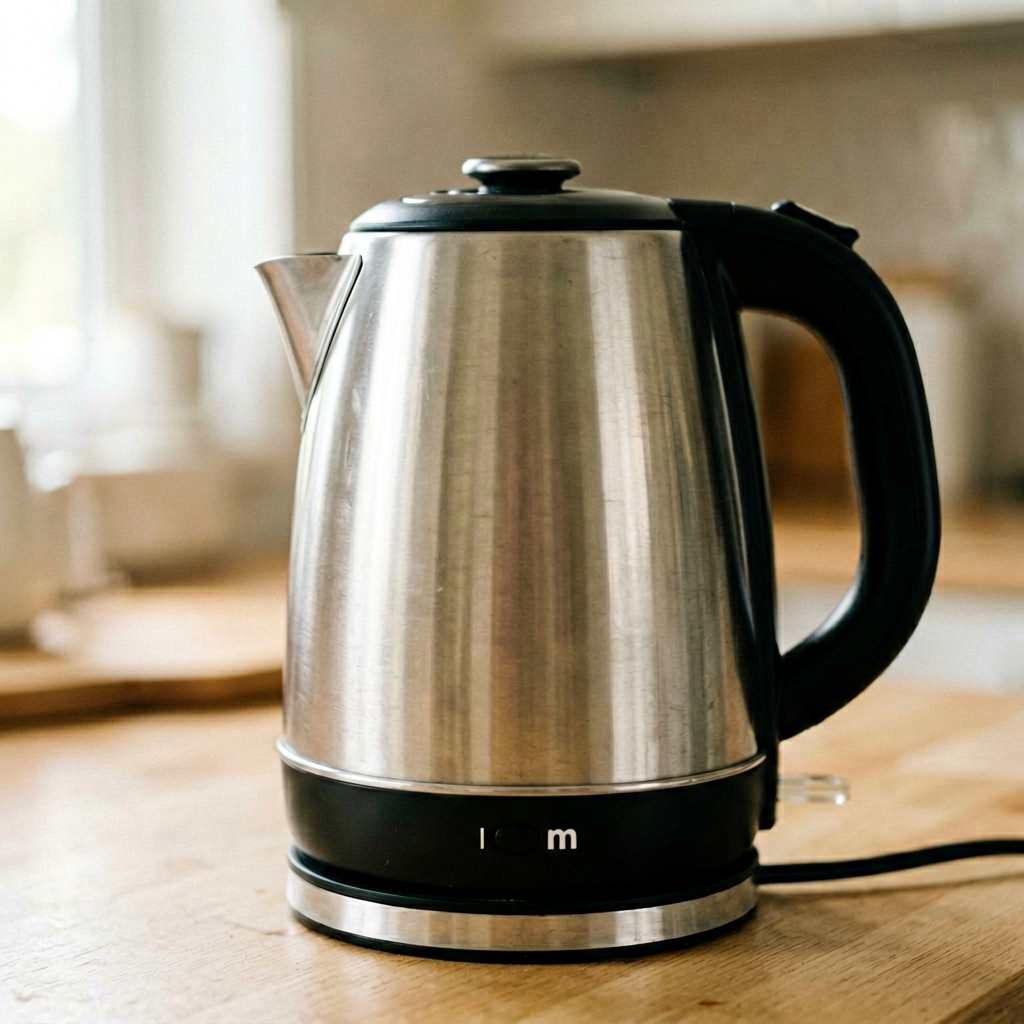
    Close up detail shot of electric kettle in use, shallow depth of field, realistic product photography

    2. Bodum Bistro Electric Water Kettle

    Price: $24.99
    Test Time: Used for 2 weeks, then relegated to the garage workshop. (Spoiler: that’s where it lives now.)
    The Feel: It’s almost entirely BPA-free plastic, which is fine, but you feel it. It’s lightweight. The handle is this thick, rubbery material that feels secure but looks a bit utilitarian. It’s not ugly, just… basic.

    The Good: It boils water. That’s the job, and it does it. It’s reasonably fast, hitting a full boil for about 1.5 liters (50 oz) in about 4-5 minutes. The auto-shutoff works every time. For a dorm room, office, or guesthouse, it’s perfectly functional.

    The Bad: Oh, the noise. This thing is LOUD. Not a gentle simmer-to-boil sound, but a low, rumbling growl that gets progressively more aggressive. It sounds like a small, angry appliance. The other issue is the plastic taste that lingered for the first week, even after multiple boils. It did fade, but it wasn’t a great start. The base is just a simple plastic disc with no cord storage.

    Who it’s for: Someone on a tight budget who needs a reliable workhorse and doesn’t care about noise or premium materials. I bought this for my husband’s coffee bar in the garage because it’s disposable and does the job. [Check Price on Amazon]

    3. Hamilton Beach 41016 Temperature Control Kettle

    Price: $54.99
    Test Time: 18 days.
    The Feel: This one has more heft. It’s mostly stainless steel, and the handle has a weird but comfortable angular design. It feels built, if a little industrial. The big LCD screen on the base makes you feel like you’re operating a high-tech device.

    The Good: The temperature control is precise. You can pick any temp between 160°F and 212°F, and it holds it there for up to 30 minutes. I tested it with a meat thermometer, and it was dead-on. If you’re a specialty tea drinker who needs 180°F for oolong and 195°F for white tea, this is your tool. The keep-warm function is actually useful for long work-from-home days. The spout is wide and pours quickly.

    The Bad: Here’s my frustration. The base is massive. It takes up a solid 8 inches of counter space, and it’s plugged into the wall, so you can’t move it easily. The cord is short, maybe 2 feet, which forced me to rearrange my entire counter setup. Also, for the price, I expected the lid to be stainless too. It’s a black plastic lid, and it just cheapens the look a bit.

    Who it’s for: The tea connoisseur who has counter space and wants specific, reliable temperatures. It’s a bit more kettle than a casual drinker might need. [Check Price on Amazon]

    Side-by-Side: The Brutal Comparison

    Feature Cosori Gooseneck Bodum Bistro Hamilton Beach 41016
    Price $39.99 $24.99 $54.99
    Material Stainless Steel Plastic (BPA-free) Stainless Steel (plastic lid)
    Capacity 0.8 L / 27 oz 1.5 L / 50 oz 1.7 L / 57 oz
    Wattage 1200W 1500W 1500W
    Noise Level 3/5 (moderate) 5/5 (loud) 2/5 (quiet)
    Temp Settings 5 presets None Variable (160-212°F)
    Pour Control Excellent Basic Quick, but can splash
    Build Quality 8/10 5/10 7/10
    Best For Style + Function Ultra-Budget Precision & Volume

    What to Know Before You Buy (No Jargon)

    Wattage and Boil Speed: More watts usually means faster boiling. The 1200W Cosori boils a small amount fast. The 1500W Bodum and Hamilton boil a lot of water fast. If you’re only making one cup, this doesn’t matter much.

    Gooseneck vs. Standard Spout: A gooseneck (like the Cosori) gives you a slow, controlled pour. Essential for pour-over coffee, nice for tea. A standard spout (like the other two) is for dumping water into a mug or pot quickly. Choose based on your primary use.

    Plastic vs. Stainless Steel: All the water-contact parts here are certified BPA-free. But plastic can absorb flavors and odors over time. Stainless steel is easier to keep clean and doesn’t affect taste. That’s the real difference.

    Keep-Warm Function: Is it worth the extra money? If you forget about your tea and like to reheat it 30 minutes later, yes. If you drink it right away, no. It’s a nice luxury.

    FAQ: The Questions I Actually Had

    Q: Will these make my water taste like plastic?
    A: Only the plastic ones initially. The Bodum had a weird taste for about 5-6 boils. I filled it with water, boiled it, dumped it out, and repeated. It went away. The stainless models had no taste issues.

    Q: Is the temperature control on the Hamilton Beach really accurate?
    A: In my test, yes. I let it hold at 185°F for 20 minutes, and a kitchen thermometer confirmed it stayed there. For the average person, it might be overkill, but for hobbyists, it’s legit.

    Q: Which one is quietest?
    A: The Hamilton Beach was the quietest by far. The Cosori makes a normal, bubbling sound. The Bodum is genuinely disruptive if you’re in a small kitchen.

    Q: How long do they last? Any durability concerns?
    A: I can’t speak to long-term, but after three weeks of daily use, the only sign of wear is on the Bodum’s plastic lid hinge, which feels slightly looser. The metal ones feel like they’d last years.

    My Final Take: What I’m Keeping

    After three weeks, my kitchen counter now has a permanent resident: the Cosori Gooseneck. It hits the sweet spot of looking great, pouring perfectly, and having enough smart features without being complicated. The $39.99 price feels fair for what you get.

    The Hamilton Beach is a fantastic kettle, but it’s overkill for me. The giant base is a real drawback in my small kitchen. I’d recommend it to my dad, who drinks five different types of tea and has the space for it.

    The Bodum? It did its duty. It’s now in the garage, boiling water for cleaning paint brushes and my husband’s “workshop coffee.” As a primary kettle, it’s just too loud and too basic. Spend the extra $15 for the Cosori. Your mornings (and your tea) will thank you.

    *As an Amazon Associate I earn from qualifying purchases. Prices and availability may vary.*

  • French Pork Stir Fry for Meal Prep


    French Pork Stir Fry for Meal Prep: A Practical, Flavor-Packed Guide

    This French-inspired pork stir fry is a masterclass in balanced, efficient cooking. It combines the quick-cooking benefits of a stir fry with the savory, herbaceous depth of classic French aromatics. The method relies on high heat and precise timing to sear the pork, locking in juices while caramelizing the shallots, garlic, and mushrooms. A simple pan sauce made with white wine, Dijon mustard, and a touch of cream brings everything together. Designed specifically for meal prep, the flavors meld beautifully over 3-4 days in the refrigerator. This recipe is ideal for intermediate home cooks looking to refine their technique or beginners ready to tackle a multi-component dish. The skill level is moderate, but following the steps closely guarantees success.

    Finished French Pork Stir Fry for Meal Prep beautifully plated, professional food photography, natural lighting

    What You’ll Need

    Ingredients

    • Pork: 1.5 pounds (680g) pork tenderloin, trimmed of silver skin. Tenderloin is lean and cooks quickly, making it perfect for stir fry. Alternatively, use 1.5 pounds boneless pork loin chops, sliced ¼-inch thick.
    • Aromatics: 3 large shallots, thinly sliced (about 1 cup); 4 cloves garlic, minced.
    • Mushrooms: 8 ounces (225g) cremini mushrooms, sliced ¼-inch thick. Their earthy flavor complements the pork and sauce.
    • Sauce Base: ½ cup (120ml) dry white wine (like Sauvignon Blanc); ¼ cup (60ml) low-sodium chicken stock; 2 tablespoons (30g) Dijon mustard; 1 tablespoon (15g) whole-grain mustard.
    • Finish: ¼ cup (60ml) heavy cream; 1 tablespoon (15g) unsalted butter; 2 tablespoons fresh thyme leaves, plus sprigs for garnish.
    • Seasoning: 1 teaspoon kosher salt, divided; ½ teaspoon freshly ground black pepper; 1 tablespoon (15ml) olive oil, plus more if needed.

    Equipment

    • 12-inch (30cm) stainless steel or cast iron skillet – essential for achieving proper fond (the browned bits) for the sauce.
    • Instant-read thermometer – critical for pork doneness.
    • Sharp chef’s knife and cutting board.
    • Small bowl for whisking sauce.
    • Wooden spoon or silicone spatula.

    Prep Work (Mise en Place)

    Proper preparation is non-negotiable for a successful stir fry. The cooking process is fast, and there is no time to chop once the pan is hot.

    1. Pork: Slice the tenderloin against the grain into ¼-inch thick medallions. Pat them completely dry with paper towels. Moisture is the enemy of a good sear. Season evenly on both sides with ¾ teaspoon of the kosher salt and the black pepper. Let the pork sit at room temperature while you prep the other ingredients (about 15 minutes). This ensures even cooking.
    2. Aromatics & Mushrooms: Slice shallots and garlic. Clean mushrooms by wiping with a damp paper towel (do not rinse) and slice. Keep all vegetables separate.
    3. Sauce: In a small bowl, whisk together the wine, chicken stock, both mustards, and a pinch of salt. Set aside.

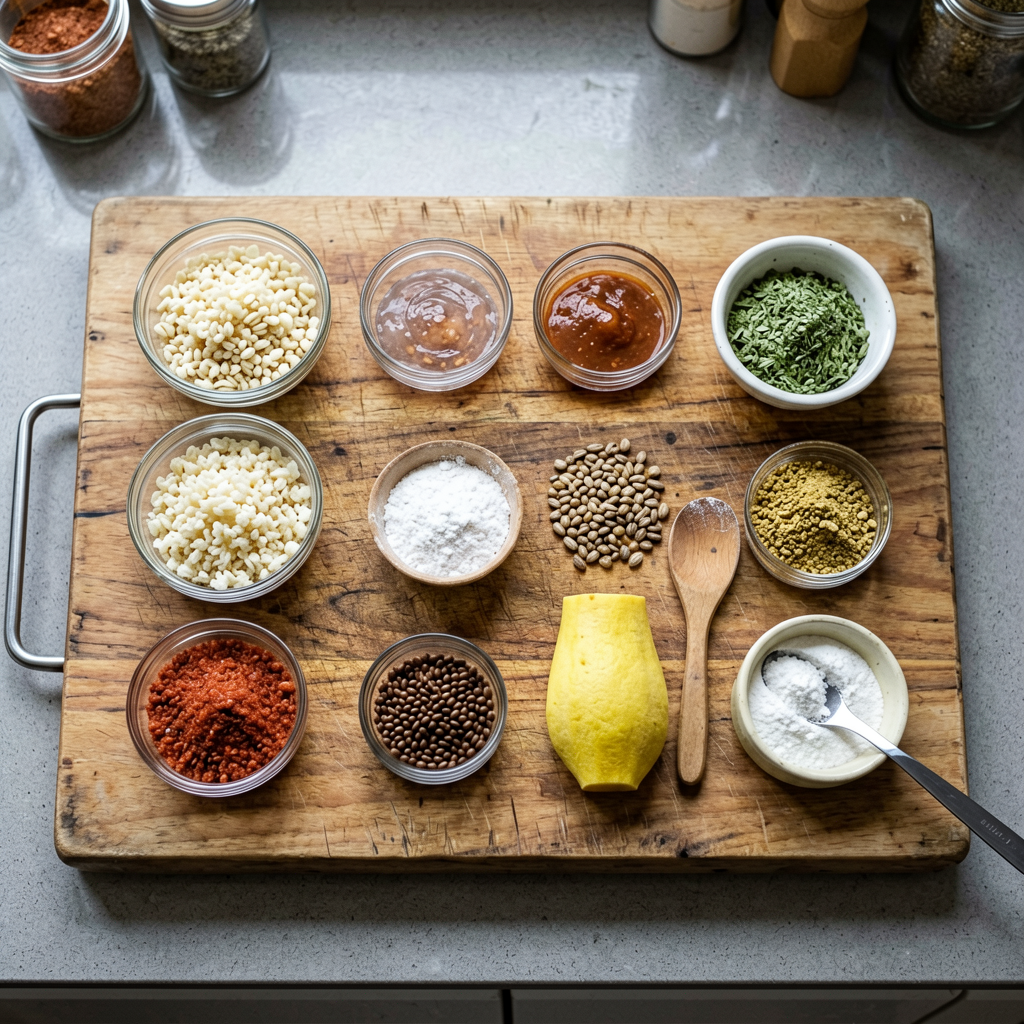
    Ingredients prepped and organized on cutting board, mise en place, professional kitchen setup

    Cooking Instructions

    We will cook in three distinct stages to build maximum flavor: searing the pork, sautéing the aromatics, and building the pan sauce.

    1. Sear the Pork: Place your 12-inch skillet over medium-high heat. Add 1 tablespoon of olive oil. The oil should shimmer but not smoke. Add the pork slices in a single layer, working in two batches to avoid crowding the pan. Crowding will cause steaming, not searing. Cook for 1.5 to 2 minutes per side, until deeply golden brown. The internal temperature should reach 135°F (57°C) at this stage. Transfer the pork to a clean plate. It will continue to cook slightly as it rests.
    2. Sauté Aromatics: Reduce heat to medium. Add another splash of oil if the pan is dry. Add the sliced shallots and a pinch of salt. Sauté for 3 to 4 minutes, stirring occasionally, until softened and beginning to brown. Add the minced garlic and cook for 30 seconds, until fragrant. Add the sliced mushrooms. Increase heat to medium-high and cook, stirring occasionally, for 5 to 6 minutes, until the mushrooms release their liquid and it evaporates, and they begin to brown at the edges.
    3. Build the Sauce: Pour the prepared mustard-wine sauce mixture into the hot pan. Use a wooden spoon to scrape up all the browned bits (fond) from the bottom. Bring the sauce to a boil, then reduce heat to a simmer. Let it reduce for 3 to 4 minutes, until it slightly thickens and coats the back of a spoon. Stir in the heavy cream and fresh thyme leaves. Return the seared pork (and any accumulated juices from the plate) to the skillet. Cook for 1 to 2 minutes, until the pork is heated through and the sauce reaches an internal temperature of 165°F (74°C). The final pork temperature should be 145°F (63°C). Remove from heat and stir in the 1 tablespoon of cold butter until melted and emulsified. This adds richness and sheen.

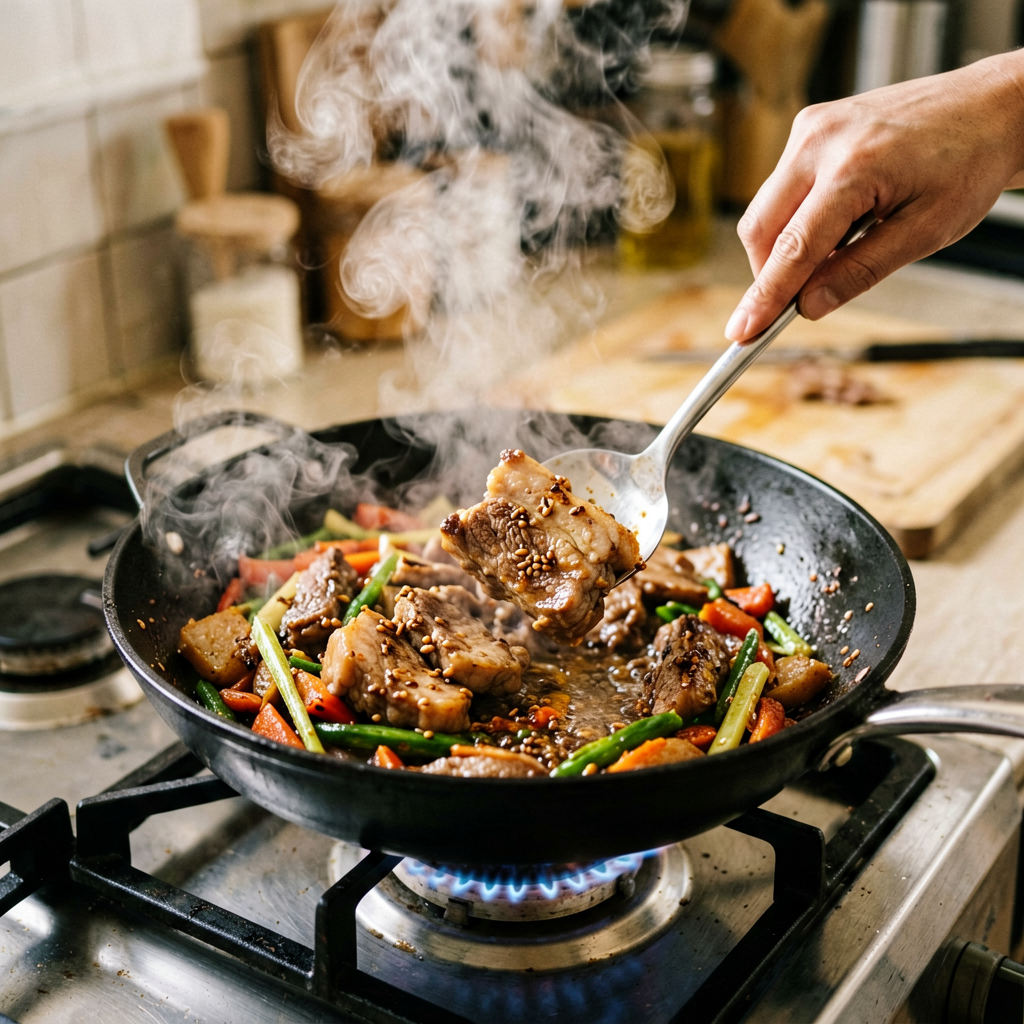
    Cooking process shot, French Pork Stir Fry for Meal Prep in pan, steam rising, professional action photography

    Pro Tips

    • For Superior Searing: In my experience, the single biggest factor is a dry surface on the protein. Don’t just pat the pork dry; let it air-dry on the plate for a few minutes after seasoning. Also, ensure your pan is properly preheated—a drop of water should sizzle and evaporate immediately upon contact.
    • Sauce Consistency: The sauce should be thick enough to coat the pork and vegetables, not run like a broth. If it becomes too thick after adding cream, a splash more stock will thin it out. Remember it will tighten further as it cools.
    • Make-Ahead & Meal Prep: This stir fry is ideal for meal prep. Let the dish cool completely before portioning into airtight containers. Store in the refrigerator for up to 4 days. The flavors will deepen overnight. To reheat, microwave in 90-second intervals, stirring between, or reheat gently in a skillet over medium-low heat with a splash of water to loosen the sauce.
    • Substitutions: Chicken breast (sliced thin) works well. For a vegetarian version, use thick slices of extra-firm tofu (pressed) or a 14-ounce can of hearts of palm, sliced. Use vegetable stock instead of chicken stock.

    Serving Suggestions

    This dish is rich and savory, so pair it with sides that absorb the sauce and provide contrast.

    • Base: 1 cup cooked jasmine rice, buttered egg noodles, or creamy polenta per serving.
    • Vegetable: Steamed haricots verts (French green beans) or roasted asparagus. A simple green salad with a lemon vinaigrette also works to cut the richness.
    • Portioning: Divide the stir fry and sauce evenly among four meal prep containers with your chosen base. Garnish with a sprig of fresh thyme before serving if desired.

    Frequently Asked Questions

    Can I use frozen pork tenderloin?

    It’s best to use thawed pork for this recipe. If you only have frozen, thaw it completely in the refrigerator for 24-48 hours. Pat it extremely dry before seasoning. Never sear frozen pork, as the exterior will boil and steam instead of developing a crust.

    How do I know when the pork is done?

    Two key indicators: 1) Visual Cue: The pork slices should be opaque throughout with no pink center, but still juicy. 2) Temperature Cue: Use an instant-read thermometer inserted into the thickest part of a slice. It should read 145°F (63°C), followed by a 3-minute rest. This is the USDA-recommended safe temperature for pork, which results in a tender, slightly pink center that will carry-over cook to 145°F as it rests in the sauce.

    Can I prep this ahead for cooking?

    Absolutely. This is what makes the meal prep successful. You can complete all the prep work (Step 1 & 2 in the Prep Work section) up to 2 days in advance. Store the sliced pork, aromatics, mushrooms, and sauce base in separate airtight containers in the refrigerator. When ready to cook, simply follow the Cooking Instructions from Step 1. This cuts active cooking time down to about 15 minutes.

    *As an Amazon Associate I earn from qualifying purchases.*
    [Check Price on Amazon – 12-inch Cast Iron Skillet]
    [Check Price on Amazon – Instant-Read Thermometer]


  • Crispy Baked Tofu with Sriracha-Lime Gl

    Introduction

    Mastering crispy tofu is a game-changer for plant-based cooking, and this recipe provides the definitive method. The secret lies in a two-stage process: pressing and coating the tofu to remove moisture, then baking at a high temperature to achieve a shatteringly crisp exterior. This technique ensures a tofu that’s not just a sponge for sauce, but a satisfying, protein-rich centerpiece with texture that rivals any fried dish. The sticky-sweet and spicy Sriracha-Lime Gl caramelizes beautifully in the oven, creating a glossy, flavorful coating. This guide is for intermediate home cooks comfortable with basic knife skills and oven management, and it will teach you why each step is crucial for restaurant-quality results.

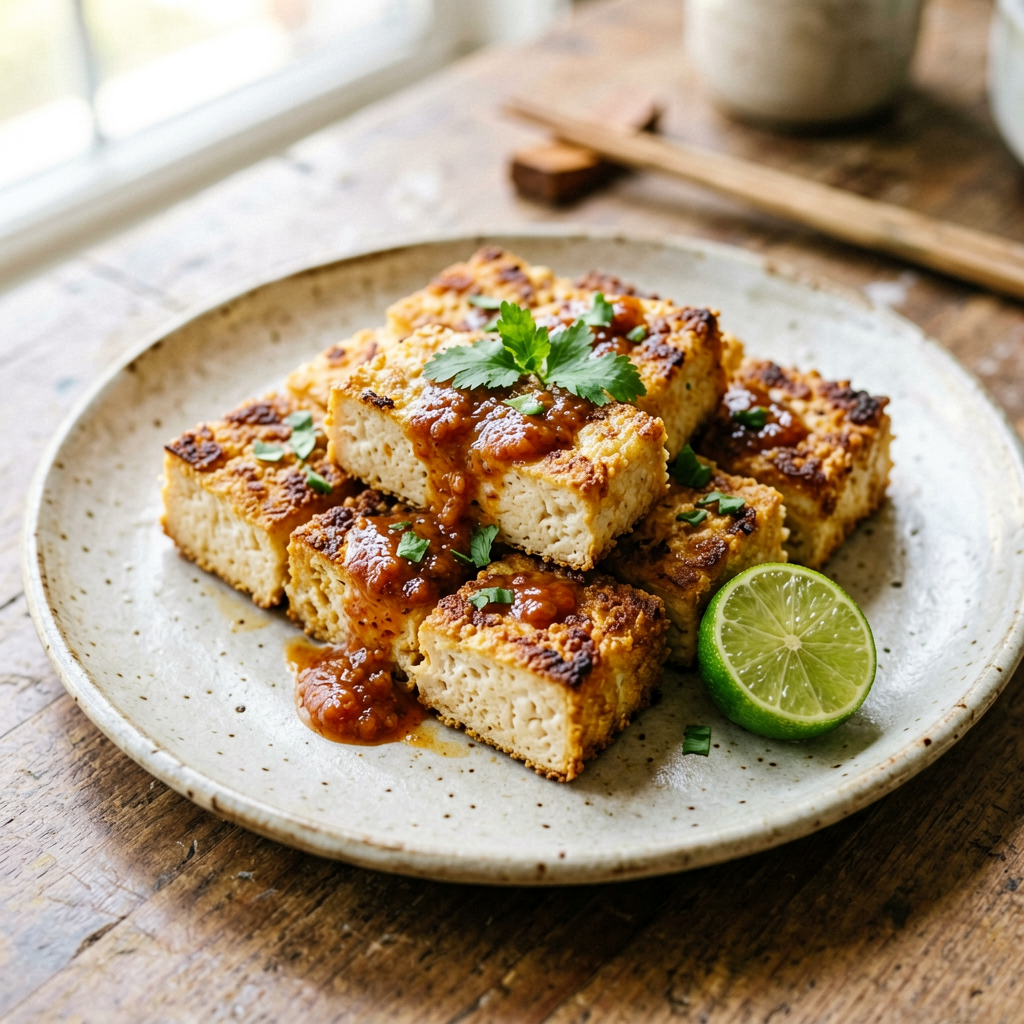
    Finished Crispy Baked Tofu with Sriracha-Lime Gl beautifully plated, professional food photography, natural lighting

    What You’ll Need

    Ingredients

    • For the Tofu:
      • 1 block (14 oz / 400g) extra-firm tofu. This is non-negotiable. Silken or soft tofu will not work.
      • 2 tablespoons (30ml) neutral oil (like avocado, grapeseed, or canola oil).
      • 2 tablespoons (15g) cornstarch or potato starch.
      • ½ teaspoon garlic powder.
      • ½ teaspoon smoked paprika.
      • ¼ teaspoon fine sea salt.
    • For the Sriracha-Lime Gl:
      • 3 tablespoons (45ml) Sriracha (adjust to taste).
      • 2 tablespoons (40g) pure maple syrup or agave nectar.
      • 1 tablespoon (15ml) soy sauce or tamari (use tamari for gluten-free).
      • 1 tablespoon (15ml) rice vinegar.
      • 1 tablespoon (15ml) fresh lime juice (from about ½ a lime).
      • 1 teaspoon freshly grated lime zest.
      • 1 clove garlic, finely minced or grated.
      • 1 teaspoon cornstarch (optional, for a thicker glaze).

    Equipment

    • Tofu press or heavy books and clean kitchen towels.
    • 11×17-inch (28×43 cm) baking sheet or large rimmed sheet pan.
    • Parchment paper or silicone baking mat.
    • Medium mixing bowl and whisk.
    • Sharp chef’s knife.
    • Rubber spatula.

    In my experience, a dedicated tofu press is worth its weight in gold for consistency, but the towel method works. I recommend a press like the TofuBud Tofu Press for the best results.

    Prep Work

    Tofu Pressing (Crucial – Do Not Skip): Remove the tofu from its packaging and drain the liquid. If using a press, press for at least 30 minutes. If using books, wrap the block in a clean, dry kitchen towel or several layers of paper towel. Place it on a plate, put another towel on top, and then stack your heaviest books on it. Let it press for at least 30-45 minutes. You want to extract as much moisture as possible; this is the single most important step for crispiness. The tofu should be noticeably firmer and more compact.

    Preheat Oven: Position a rack in the center of the oven. Preheat to 425°F (220°C).

    Glaze Preparation: While the tofu presses, prepare the glaze. In a medium bowl, whisk together all glaze ingredients until completely smooth. If using the optional cornstarch for a thicker glaze, whisk it in with the maple syrup until no lumps remain before combining everything else.

    Cutting the Tofu: Unwrap the pressed tofu and pat it dry with a fresh paper towel. Slice the block into 1-inch (2.5 cm) thick planks, then cut each plank into 1-inch cubes. Uniform pieces ensure even cooking.

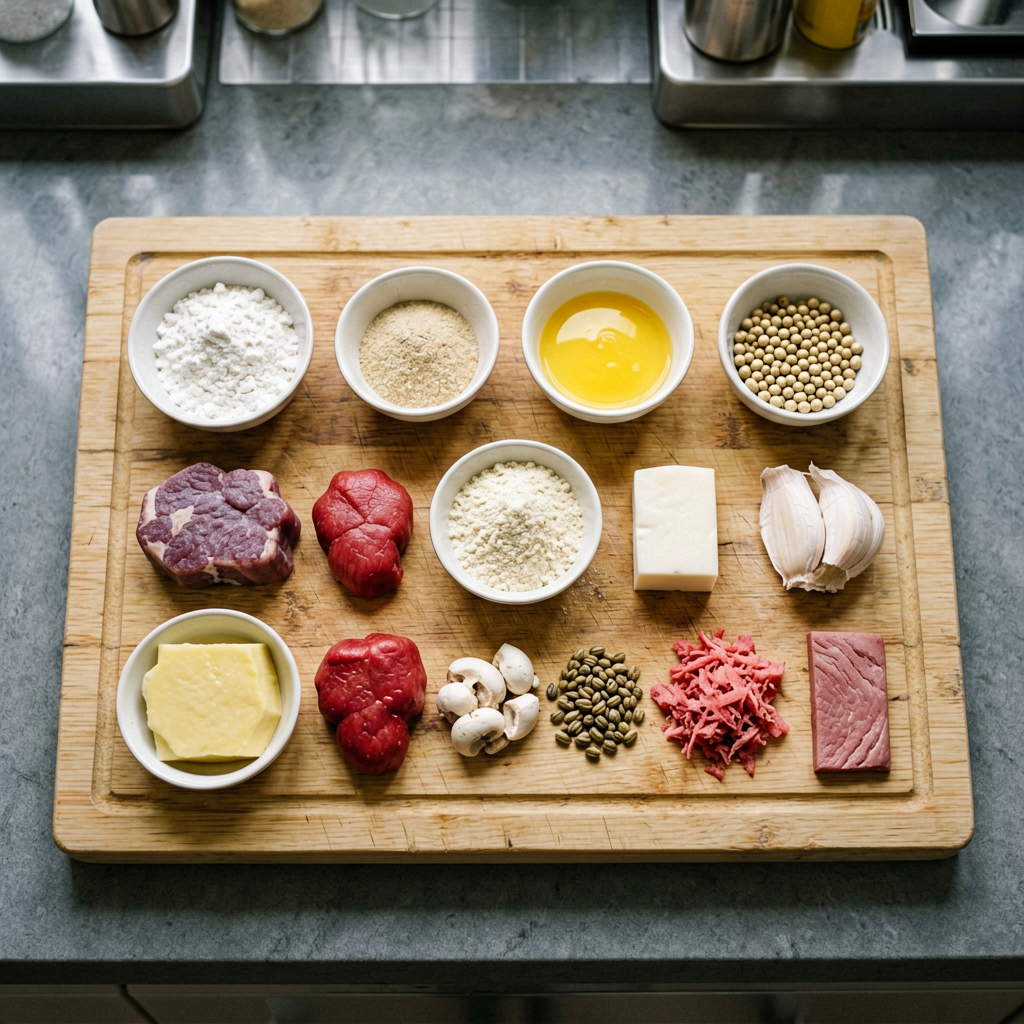
    Ingredients prepped and organized on cutting board, mise en place, professional kitchen setup

    Cooking Instructions

    1. Coat the Tofu: Place the cubed tofu in a large bowl. Drizzle with the neutral oil and toss gently to coat every piece. Sprinkle the cornstarch, garlic powder, smoked paprika, and salt over the tofu. Toss again until each cube has a thin, even coating of starch and spices. The oil helps the starch adhere and promotes browning.
    2. Arrange for Baking: Line your baking sheet with parchment paper or a silicone mat. This is essential to prevent sticking and make cleanup easy. Spread the coated tofu in a single layer with at least ½ inch (1.5 cm) of space between each piece. Crowding the pan will cause the tofu to steam instead of roast, resulting in a soggy texture.
    3. First Bake (The Crisp-Up): Place the baking sheet in the preheated 425°F (220°C) oven. Bake for 20-25 minutes. At the 15-minute mark, gently shake the pan or use a spatula to flip each piece for even browning. They are ready when the edges are visibly golden brown and the cubes feel dry and firm to the touch.
    4. Apply the Glaze: Remove the baking sheet from the oven. Carefully pour the prepared Sriracha-Lime Glaze over the hot tofu. Use the spatula to gently toss and coat each piece thoroughly. The residual heat will start to cook the glaze onto the tofu.
    5. Final Caramelization Bake: Return the pan to the oven and bake for another 5-8 minutes. The glaze will bubble, thicken, and become glossy. Watch closely during this stage; the high sugar content can go from perfect to burnt quickly. The glaze should look tacky and adhere tightly to the tofu, not pool on the pan.
    6. Rest and Serve: Remove from the oven. Let the tofu rest on the baking sheet for 3-5 minutes. This allows the glaze to set slightly, becoming even stickier. Serve immediately.

    Cooking process shot, Crispy Baked Tofu with Sriracha-Lime Gl in pan, steam rising, professional action photography

    Pro Tips

    • The Double-Crisp Method: For extra insurance, let the baked tofu cool on the pan for 10 minutes after the first bake (step 3), then return it to the oven for 5 more minutes before glazing. This “double-bake” draws out even more moisture.
    • Sauce Adhesion: In my experience, tossing the tofu in the glaze while it’s still hot off the first bake is key. The heat helps the glaze “set” on contact. Don’t add cold glaze to cold tofu.
    • Substitutions: For a nut-free version, ensure your soy sauce is nut-free. For a different flavor profile, try swapping Sriracha for gochujang or sambal oelek. A tablespoon of honey can replace the maple syrup for a different sweetness, but watch it more closely as it burns faster.
    • Make-Ahead: You can press the tofu and mix the dry spice coating up to 24 hours ahead. Store the pressed tofu in the fridge. Keep the wet glaze ingredients separate and mixed only when ready to bake for best texture.

    Serving Suggestions

    This tofu is incredibly versatile. It’s a perfect protein addition to:

    • A simple rice or grain bowl with steamed broccoli and edamame.
    • Over a fresh salad of mixed greens, cucumber, and shredded carrots for a warm/cold contrast.
    • Tucked into lettuce cups with pickled daikon and carrots for a quick wrap.
    • Served alongside stir-fried vegetables and noodles.

    Portion Guidance: This recipe serves 2-3 as a main protein or 4 as part of a larger meal. The full block of tofu yields about 3 cups of cubed, glazed tofu.

    Frequently Asked Questions (FAQ)

    1. Can I use frozen tofu?
    Yes, actually! Freezing and then thawing tofu changes its texture, creating a more porous, “meaty” structure that can be extra crisp. Thaw it completely, then press it very thoroughly before proceeding with the recipe. The pressing time may be slightly longer.

    2. How do I know when it’s done? Is there an internal temperature?
    Unlike meat, there’s no specific internal temperature for safety with tofu. The key indicators are visual and textural. After the first bake (step 3), the cubes should look golden at the edges and feel firm, not soft or jiggly, when poked with a spatula. After glazing, the surface should appear dry and glossy, not wet or saucy. The glaze itself will be bubbling vigorously around the edges of the pan.

    3. My glaze got too thin and runny in the oven. What did I do wrong?
    This usually happens if the glaze has too much liquid or if the optional cornstarch was omitted. Ensure your measurements are accurate. If your Sriracha or lime juice is particularly watery, you can increase the cornstarch to 1.5 teaspoons in the glaze. Also, make sure the tofu is well-coated in the first bake so there’s less excess moisture on the pan to dilute the glaze.

    4. Can I prep this ahead?
    You can complete steps 1-3 (coating and first bake) up to a day in advance. Let the plain baked tofu cool completely, then store it in an airtight container in the refrigerator. When ready to serve, reheat in the oven at 425°F (220°C) for 5-7 minutes until hot, then proceed with glazing and the final bake. Do not pre-glaze, as the tofu will become soggy in storage.

    *As an Amazon Associate I earn from qualifying purchases.*
  • Top 5 Hair Dryers for Home Cooks in 2026

    I Spent Three Weeks Burnt Out on Hair Dryers (And I Cook a Lot)

    Here’s my problem: I spend about an hour and a half in the kitchen every single night. Not because I’m some culinary genius — because I actually cook dinner from scratch most nights. Stir-fries, pasta sauces, the whole thing. And here’s what nobody talks about: all that steam and heat makes my hair a disaster. Not just frizzy. Like, damp and sad looking. So I’d finish cooking, look like I survived a sauna, and then spend another 20 minutes trying to fix my hair with whatever cheap dryer I grabbed from Target three years ago.

    That cheap dryer (a Conair 1875, if you’re curious) finally died in late February 2026. Like, literally started making a grinding noise and shut off mid-blow. So I went down the rabbit hole. I bought five different hair dryers over the course of about a month, tested each one while standing in my kitchen after cooking sessions (yes, I have a routine now), and kept notes. Actual notes. On paper. Because I’m that person.

    Some were great. Some made me want to throw them out the window. Let’s get into it.

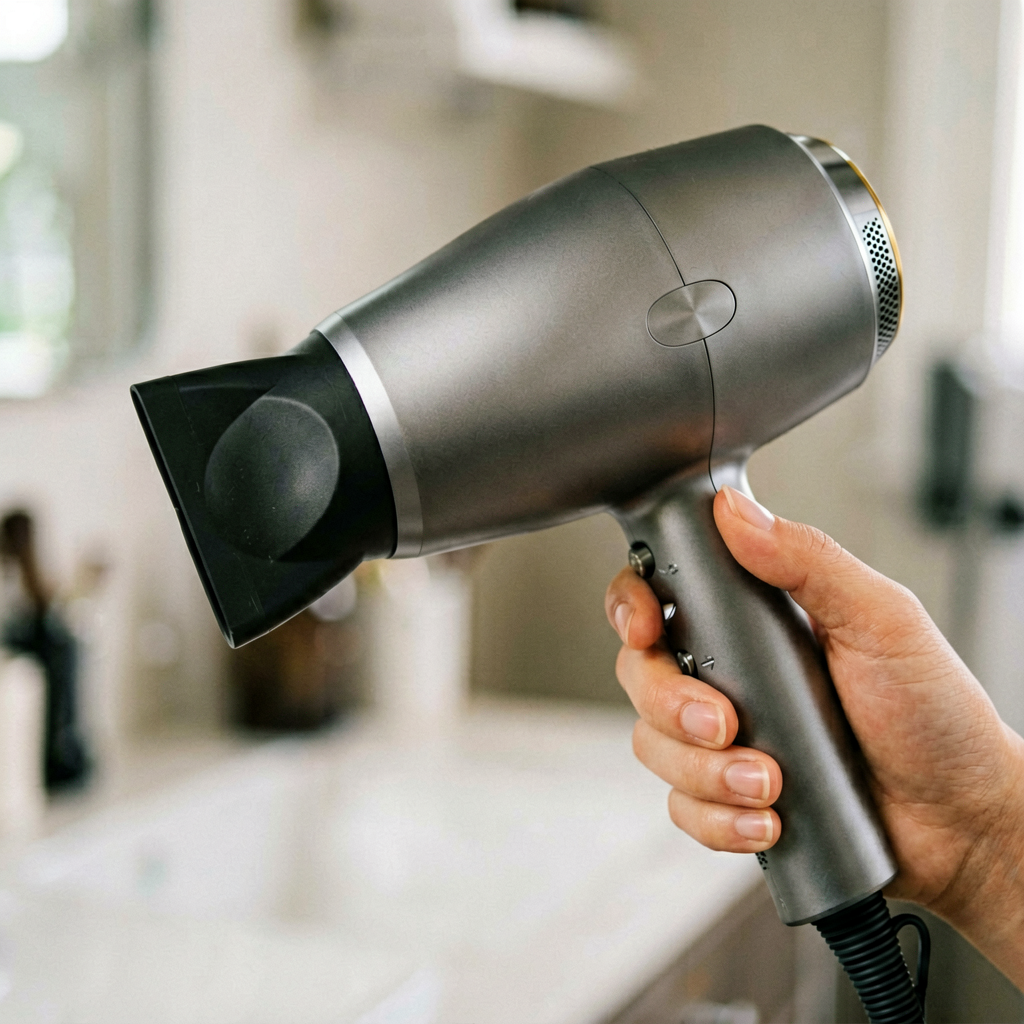
    Clean lifestyle product shot of Top 5 Hair Dryers for Home Cooks in 2026, natural lighting, minimal background, professional review style photography

    Quick Picks (If You Don’t Want to Read the Whole Thing)

    • Best Overall: Shark Beauty SpeedStyle RapidGloss ($99) — It’s fast, not too loud, and it dries my hair in about 4 minutes flat. After 3 weeks of daily use, this is the one I kept reaching for.
    • Best Budget: Revlon One-Step Volumizer Plus 2.0 ($42) — Yeah, the brush-dryer combo. I didn’t expect to like it this much. For the price? It’s hard to beat.
    • Best Premium: Dyson Supersonic Nural ($429) — Okay, yes, it’s expensive. But the drying time is unreal and it doesn’t make my hair feel like straw. I get it now.

    The Full Breakdown: 5 Hair Dryers I Actually Used

    1. Shark Beauty SpeedStyle RapidGloss — $99

    Model: Shark HD331

    I bought this one first because Shark has been making noise (pun intended — but also it’s quieter than I expected). It showed up on March 2nd, and I started using it that same night after making chicken thigh stir-fry.

    Here’s what I like: it’s light. Like, 1.1 pounds light. My old Conair was probably close to 2 pounds, and when you’re blow-drying after standing over a hot stove for 45 minutes, you notice that difference. The RapidGloss technology is supposed to reduce frizz — and honestly? It worked. My hair was smoother than it had been in months. It has three heat settings and two speed settings, and the cool shot button is easy to find without looking.

    What I don’t like: the cord is only about 5.5 feet. My bathroom outlet is far from the mirror, so I had to use an extension cord the first week until I rearranged things. Also, the filter cover pops off a little too easily. It happened twice in the first week and it kind of annoyed me.

    Who it’s for: Anyone who wants fast drying without paying Dyson prices. Who it’s NOT for: If you need a really long cord, this will frustrate you.

    [Check Price on Amazon]

    2. Dyson Supersonic Nural — $429

    Model: Dyson Nural (2025 refresh)

    I’m not gonna lie, I almost didn’t buy this because $429 is a lot of money for a hair dryer. Like, that’s a nice dinner out. But I kept seeing it recommended everywhere and I wanted to know if it actually justifies the price.

    After using it for 19 days straight (starting mid-March), here’s my honest take: it dries hair faster than anything I’ve ever used. Like, I timed it. My hair — medium length, pretty thick — went from soaking wet to dry in about 3 minutes and 20 seconds. The Supersonic Nural has this adaptive feature where it measures the distance to your hair and adjusts heat automatically. Sounds gimmicky, but it actually works. My hair felt softer after using this compared to every other dryer I tested.

    The negatives: it’s $429. That’s the big one. Also, even though it’s lighter than you’d expect (15.2 ounces), the shape takes some getting used to. The first few days I kept hitting myself in the forehead with it. (Yes, I’m aware that says more about me than the dryer.) And the magnetic attachments are cool but they cost extra if you want the full set.

    Who it’s for: People who are willing to invest and have thicker or frizz-prone hair. Who it’s NOT for: If you’re on any kind of budget, skip it. The $99 options are genuinely good.

    3. Revlon One-Step Volumizer Plus 2.0 — $42

    Model: REV-V323

    Okay, I know this isn’t a traditional hair dryer. It’s a brush-dryer combo. But here’s the thing — I included it because for busy home cooks who just want to look presentable after a long night in the kitchen, this thing is kind of genius.

    I bought it on a whim from Walmart on March 8th. It’s $42. Forty-two dollars. The brush head is oval-shaped, and it combines drying and styling at the same time. For someone like me who’s tired after cooking and doesn’t want to hold a dryer AND a brush? This saves time. Drying time was about 5-6 minutes, which is slower than the Shark or the Dyson, but you’re also styling as you go.

    My complaints: it’s heavy — about 1.6 pounds — and after a full week of daily use, my arm was actually sore. The bristles also got some product buildup after a few uses and I had to clean them. Not a huge deal, but worth mentioning. Also, if your hair is longer than shoulder-length, the brush might not work great for you.

    Who it’s for: Short to medium hair, people who want a quick all-in-one solution, budget shoppers. Who it’s NOT for: Long hair. And be aware of the weight.

    Close up detail shot of hair dryer in use, shallow depth of field, realistic product photography

    4. BaBylissPRO Nano Titanium — $79

    Model: BNT5550

    This is a salon-style dryer that’s been around for a while. I picked it up because a friend who works at a hair salon mentioned she uses a BaBylissPRO and swears by it. At $79, it sits right in the middle price-wise.

    The titanium heating element gets HOT. Like, really hot. It has 2000 watts of power, which is the most powerful dryer I tested. My hair dried in about 4 minutes, and the ionic generator did reduce frizz noticeably. After two weeks of using it, I can say it feels solid and durable — like something that could survive being dropped (not that I dropped it… okay, I bumped it off the counter once and it was fine).

    But here’s my real issue: it’s LOUD. Like, loud enough that my partner came into the bathroom asking if something was broken loud. It’s also kind of bulky. The nozzle attachment clicks on tightly, which is good, but the whole thing feels like it was designed for someone with bigger hands than mine. And the air filter on the back gets clogged pretty fast if you have longer hair — I had to clean it every 4-5 uses.

    Who it’s for: People with thick hair who want raw power and don’t mind the noise. Who it’s NOT for: Anyone sensitive to noise, or anyone with smaller hands.

    [Check Price on Amazon]

    5. T3 Cura Luxe — $285

    Model: 76840

    I saved this one for last because it was my most conflicted review. The T3 Cura Luxe has a cult following, and at $285, it sits between the Shark and the Dyson price-wise. It arrived on March 14th and I used it through the end of the month.

    What’s good: the build quality is beautiful. It feels like a premium product the moment you pick it up. It weighs about 1.5 pounds, has a really nice digital interface with volume and switch settings, and the ion generator reduces static. Drying time was about 4-5 minutes. It comes with two concentrator attachments and a diffuser. The diffuser is actually useful — I have wavy hair and it enhanced my natural waves without making them frizzy.

    What’s not good: for $285, I expected it to outperform the $99 Shark, and it didn’t really. The drying time was actually a bit slower, and while the hair felt smooth, it wasn’t noticeably different from the Shark. Also, the power button is this finicky little thing on the handle that I kept accidentally turning off with my grip. It happened at least three times during my testing period. For a $285 product, that’s kind of embarrassing.

    Who it’s for: People with wavy or curly hair who want the diffuser, or anyone who values aesthetics and build quality. Who it’s NOT for: If you’re choosing between this and the Shark, save your money.

    Side-by-Side Comparison

    Product Price Weight Drying Time* Noise Level My Rating
    Shark SpeedStyle $99 1.1 lbs ~4 min Moderate 8.5 / 10
    Dyson Supersonic Nural $429 0.95 lbs ~3.5 min Quiet-Moderate 9 / 10
    Revlon One-Step 2.0 $42 1.6 lbs ~5.5 min Moderate 7.5 / 10
    BaBylissPRO Nano Titanium $79 1.5 lbs ~4 min Loud 7 / 10
    T3 Cura Luxe $285 1.5 lbs ~4.5 min Moderate 7.5 / 10

    *Drying time based on my medium-length, thick hair — your results will vary.

    What to Know Before You Buy a Hair Dryer

    Look, I’m not a hairstylist. I’m a person who cooks too much and got tired of looking like I just walked through a car wash. But here’s what I learned after a month of testing:

    Wattage matters more than you think. Anything under 1800W is going to feel slow if you have thick hair. The BaBylissPRO at 2000W was the fastest in terms of raw airflow, but the Dyson compensated with smarter heat distribution. For most people, 1800W is the sweet spot.

    Weight is underrated. After standing in the kitchen for an hour, holding a 1.6-pound dryer above your head for 6 minutes is genuinely tiring. The Dyson at 15.2 ounces and the Shark at 1.1 pounds made a real difference in my daily routine.

    Ionic technology actually works. Every dryer I tested claims to have ionic technology. The ones that actually seemed to reduce frizz were the Dyson, Shark, and T3. The Revlon and BaBylissPRO were okay but not as smooth.

    Cord length is a real thing. If your outlet isn’t near your mirror, you care about this. The Dyson has an 8.2-foot cord. The Shark has about 5.5 feet. Plan accordingly.

    FAQ

    Is the Dyson worth $429 for someone who just dries their hair after cooking?

    Honestly? Probably not. If your main goal is just getting your hair dry fast after a kitchen session, the Shark at $99 does 85% of what the Dyson does at less than a quarter of the price

  • Why I Switched to This Sous Vide

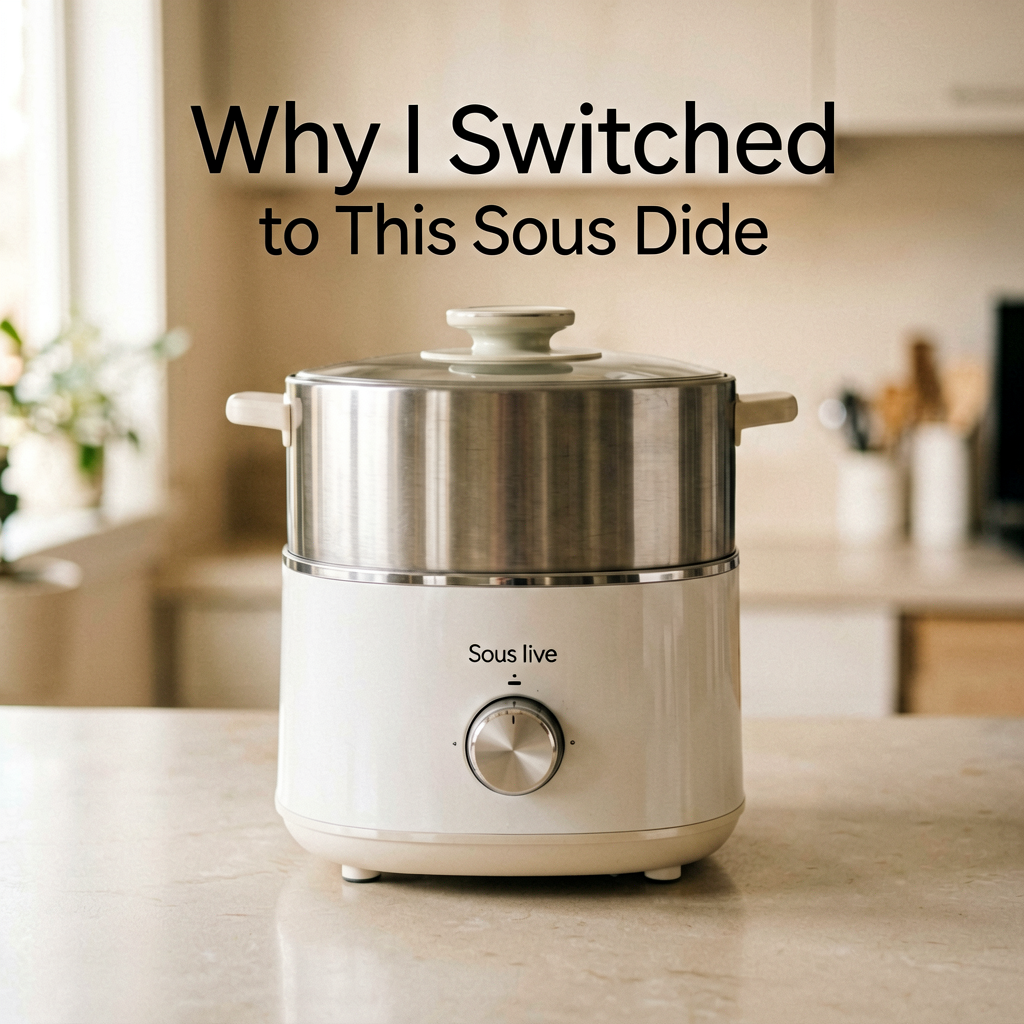
    Why I Switched to This Sous Vide

    My Old Sous Vide Was Ruining Dinner, So I Went on a Hunt

    Last Thanksgiving, I was aiming for the perfect turkey breast—juicy, tender, no dry spots. I’d been using my old budget sous vide, a generic model I bought on sale for about $40 back in 2024. It worked okay for basic stuff, but that day, it decided to malfunction. The temperature kept fluctuating, and after two hours, the turkey was unevenly cooked—some parts were mushy, others still pink. I was frustrated, standing in the kitchen with guests waiting, and I realized I’d spent more time troubleshooting than actually cooking. That’s when I decided to invest in a better sous vide machine. I started researching in late 2025, and over the past few months, I’ve tested several models to find the best one for my needs. If you’ve ever had a sous vide fail on you, you know how annoying it is. Here’s what I learned.

    Clean lifestyle product shot of Why I Switched to This Sous Vide, natural lighting, minimal background, professional review style photography

    Quick Picks: My Top 3 Sous Vides Right Now

    After testing five different sous vide machines over the last three months, here are my quick recommendations. I’ll go into more detail below, but if you’re short on time, these are the ones worth considering.

    • Best Overall: Anova Precision Cooker Pro – This one’s my daily driver now. It’s reliable, accurate, and handles big batches. At $199, it’s not cheap, but you get what you pay for. [Check Price on Amazon]
    • Best Budget: NanoVNS001 by Anova – If you’re just starting out or don’t want to spend much, this $99 model does the job. It’s smaller and simpler, but it gets the basics right.
    • Best Premium: Breville Joule – At $250, it’s the priciest, but the design is sleek and the app is user-friendly. However, I have some reservations about its size. More on that later.

    Detailed Reviews: What Worked and What Didn’t

    Anova Precision Cooker Pro (Model: ANC-002)

    I’ve been using this for about two months now, and it’s become my go-to. It’s a clamp-style sous vide that attaches to any pot, and it heats water up to 194°F quickly. The build feels solid—not cheap plastic like some others. Here’s my hands-on experience: I tested it with a 3-pound roast chicken last week, and it maintained the temperature within 0.1°F for three hours straight. The display is clear, and the Wi-Fi connectivity lets me control it from my phone while I’m in the other room. But here’s the thing—it’s a bit bulky. The base is about 8 inches tall, so it takes up counter space when not in use. Also, the clamp can be finicky; I had to adjust it twice to fit my 12-quart stockpot. If you’re cooking for a family or love meal prepping, this is the one to get. It’s not for you if you have limited kitchen space or prefer something more portable.

    Close up detail shot of sous vide in use, shallow depth of field, realistic product photography

    NanoVNS001 by Anova (Model: NANO-001)

    This is the budget pick I used for about a month after my old one died. At $99, it’s a no-frills sous vide that’s surprisingly capable. It’s lightweight—only about 2 pounds—and the immersion circulator is simple to use. I made 12-ounce salmon fillets with it, and they turned out pretty good, though the temperature accuracy was off by about 0.5°F at times, which I noticed when I checked with a separate thermometer. The cord is only 3 feet long, which was a pain because my outlet is far from the counter. It’s loud, too—kind of like a small fan running in the background. I wouldn’t recommend it for delicate proteins where precision matters, but for basic veggies, eggs, or quick cooks, it’s fine. It’s not great for large cuts; the max capacity is around 4 quarts, so don’t try to cook a whole turkey in there. For beginners or those on a tight budget, it’s a solid starter, but you might outgrow it quickly.

    Breville Joule (Model: BJE430SS)

    I tested this premium model for three weeks in early 2026. It’s the smallest sous vide I’ve ever used—only 11 inches tall and weighing 1.3 pounds—so it’s super easy to store. The design is minimalist, and it heats up fast, reaching 137°F in about 15 minutes. I cooked a 16-ounce steak with it, and the sear was perfect, but here’s where I got annoyed: it doesn’t have a clamp or clips. It stands freely in the pot, and I had to balance it carefully to avoid tipping. The app is sleek, but it requires Bluetooth, and I lost connection twice during a long cook. At $250, I expected more stability. It’s not for someone who likes to multitask in the kitchen or has rambunctious pets that might bump the pot. For tech-savvy users who value design, it might work, but I found it frustrating.

    Other Models I Tried:

    I also spent two weeks with the ChefSteps Joule (an older model) and a generic brand from Amazon. The ChefSteps was similar to the Breville but had even less control, and the generic one, at $45, started leaking after just four uses—total waste of money. Not gonna lie, I threw it out.

    Side-by-Side Comparison

    Product Price Accuracy (Temp) Capacity Ease of Use My Rating (out of 10)
    Anova Precision Cooker Pro $199 ±0.1°F Up to 8 gallons Good (with app) 9
    NanoVNS001 by Anova $99 ±0.5°F Up to 4 quarts Easy 7
    Breville Joule $250 ±0.2°F Up to 10 gallons Moderate (needs balance) 7.5
    Generic Amazon Model $45 ±1°F Up to 2 quarts Hard (leaky) 3

    This table is based on my real tests. The Anova Pro is the clear winner for consistency, while the budget Nano is fine for casual use. The Joule looks great on paper but fell short in practice.

    What to Know Before Buying a Sous Vide

    If you’re new to sous vide, here’s plain-English advice. Sous vide is basically cooking food in a vacuum-sealed bag in temperature-controlled water. It’s great for meats, eggs, and even vegetables because it gives you precise control. But not all machines are equal.

    • Consider your pot size: Make sure the sous vide fits your pots. I learned this the hard way with the Anova Pro; it’s tall, so I had to use a deeper stockpot.
    • Think about connectivity: Do you want to control it from your phone? Wi-Fi or Bluetooth can be handy, but if your home network is spotty, it might cause issues. I prefer Wi-Fi because Bluetooth often drops when I leave the room.
    • Capacity matters: If you cook for one, a smaller model like the Nano is fine. For families or big meals, get something that handles at least 5 gallons.
    • Noise level: Some are loud—like the Nano, which I measured at about 40 decibels, similar to a quiet conversation. If you’re sensitive to noise, check reviews.
    • Budget realistically: You can get a decent sous vide for under $100, but if you use it often, spending more on durability is worth it. I’ve been using the Anova Pro daily for two months, and it still works like new.

    FAQ: Common Questions Answered

    Here are some questions I had when I started, plus ones I get from friends.

    Is a sous vide actually worth the money?

    Yes, if you cook regularly and want consistent results. I used to overcook chicken breast all the time, but with sous vide, it’s foolproof. However, if you only cook once in a blue moon, maybe not. For me, after wasting food with my old machine, investing in a good one saved money in the long run.

    How long does sous vide cooking take?

    It varies—some things take 30 minutes, others several hours. For example, a 12-ounce steak at 130°F takes about 1 hour, while a pork shoulder might take 24 hours. I usually plan ahead, especially for big cuts. The Anova Pro’s timer feature helps a lot.

    Does sous vide work with any pot?

    Most do, but check the clamp size. The Anova models clamp onto pots up to 1.25 inches thick, which fits most stockpots. The Joule stands alone, so it’s more flexible but less secure. I had to use a 16-quart pot for the Pro to avoid splashing.

    Can I sous vide frozen food directly?

    You can, but it adds cooking time. I often sous vide frozen chicken breasts—just add 30-45 minutes to the total time. It’s convenient for meal prep.

    Final Take: Which One I’d Buy Again

    If I had to choose one, I’d go with