French Pork Stir Fry for Meal Prep: A Practical, Flavor-Packed Guide
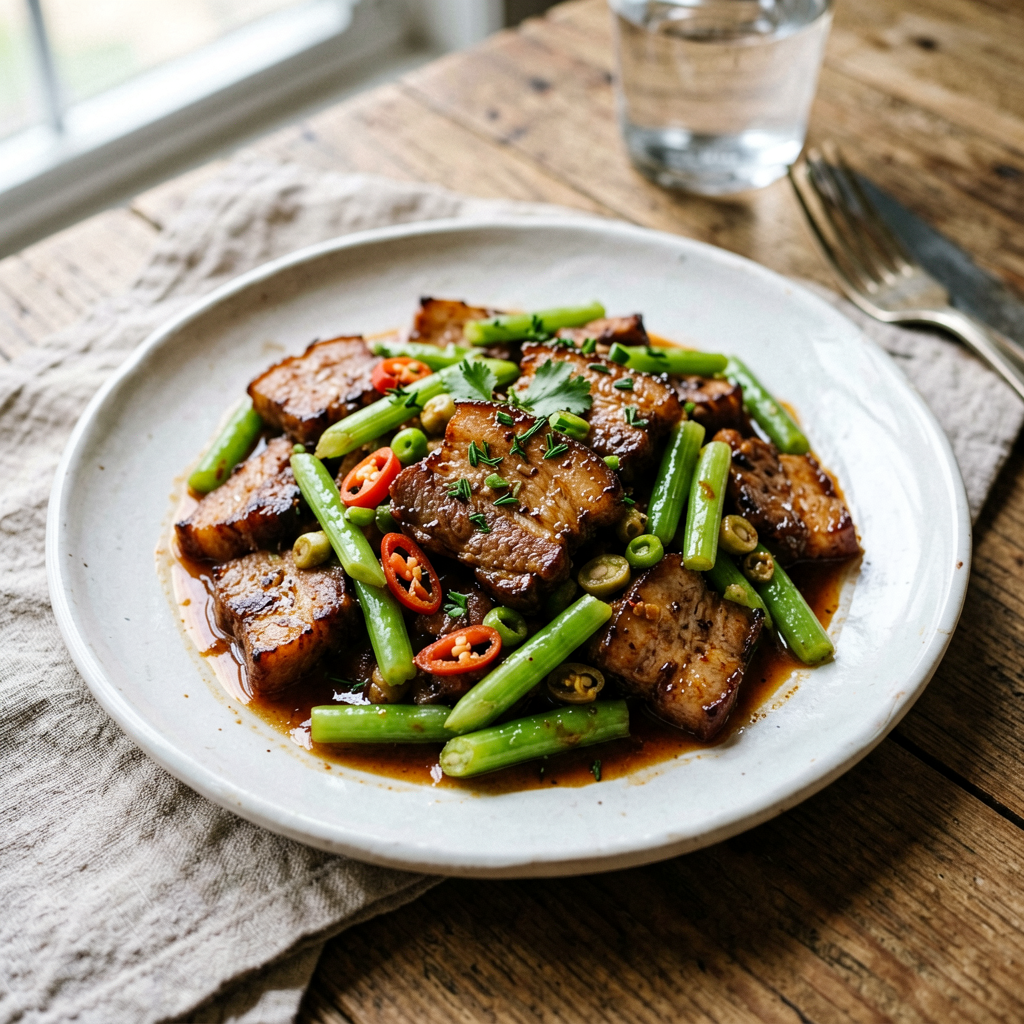
This French-inspired pork stir fry is a masterclass in balanced, efficient cooking. It combines the quick-cooking benefits of a stir fry with the savory, herbaceous depth of classic French aromatics. The method relies on high heat and precise timing to sear the pork, locking in juices while caramelizing the shallots, garlic, and mushrooms. A simple pan sauce made with white wine, Dijon mustard, and a touch of cream brings everything together. Designed specifically for meal prep, the flavors meld beautifully over 3-4 days in the refrigerator. This recipe is ideal for intermediate home cooks looking to refine their technique or beginners ready to tackle a multi-component dish. The skill level is moderate, but following the steps closely guarantees success.
What You’ll Need
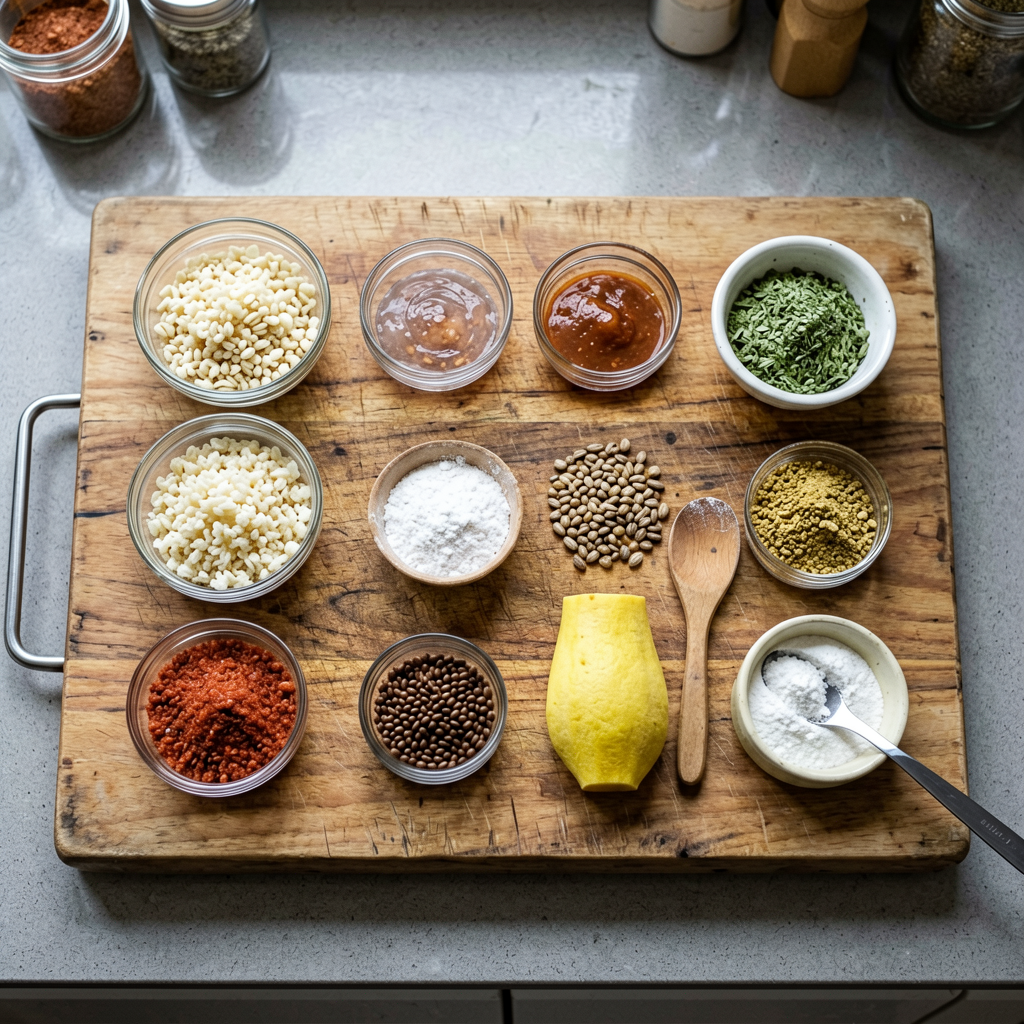
Ingredients
- Pork: 1.5 pounds (680g) pork tenderloin, trimmed of silver skin. Tenderloin is lean and cooks quickly, making it perfect for stir fry. Alternatively, use 1.5 pounds boneless pork loin chops, sliced ¼-inch thick.
- Aromatics: 3 large shallots, thinly sliced (about 1 cup); 4 cloves garlic, minced.
- Mushrooms: 8 ounces (225g) cremini mushrooms, sliced ¼-inch thick. Their earthy flavor complements the pork and sauce.
- Sauce Base: ½ cup (120ml) dry white wine (like Sauvignon Blanc); ¼ cup (60ml) low-sodium chicken stock; 2 tablespoons (30g) Dijon mustard; 1 tablespoon (15g) whole-grain mustard.
- Finish: ¼ cup (60ml) heavy cream; 1 tablespoon (15g) unsalted butter; 2 tablespoons fresh thyme leaves, plus sprigs for garnish.
- Seasoning: 1 teaspoon kosher salt, divided; ½ teaspoon freshly ground black pepper; 1 tablespoon (15ml) olive oil, plus more if needed.
Equipment
- 12-inch (30cm) stainless steel or cast iron skillet – essential for achieving proper fond (the browned bits) for the sauce.
- Instant-read thermometer – critical for pork doneness.
- Sharp chef’s knife and cutting board.
- Small bowl for whisking sauce.
- Wooden spoon or silicone spatula.
Prep Work (Mise en Place)
Proper preparation is non-negotiable for a successful stir fry. The cooking process is fast, and there is no time to chop once the pan is hot.
- Pork: Slice the tenderloin against the grain into ¼-inch thick medallions. Pat them completely dry with paper towels. Moisture is the enemy of a good sear. Season evenly on both sides with ¾ teaspoon of the kosher salt and the black pepper. Let the pork sit at room temperature while you prep the other ingredients (about 15 minutes). This ensures even cooking.
- Aromatics & Mushrooms: Slice shallots and garlic. Clean mushrooms by wiping with a damp paper towel (do not rinse) and slice. Keep all vegetables separate.
- Sauce: In a small bowl, whisk together the wine, chicken stock, both mustards, and a pinch of salt. Set aside.
Cooking Instructions
We will cook in three distinct stages to build maximum flavor: searing the pork, sautéing the aromatics, and building the pan sauce.
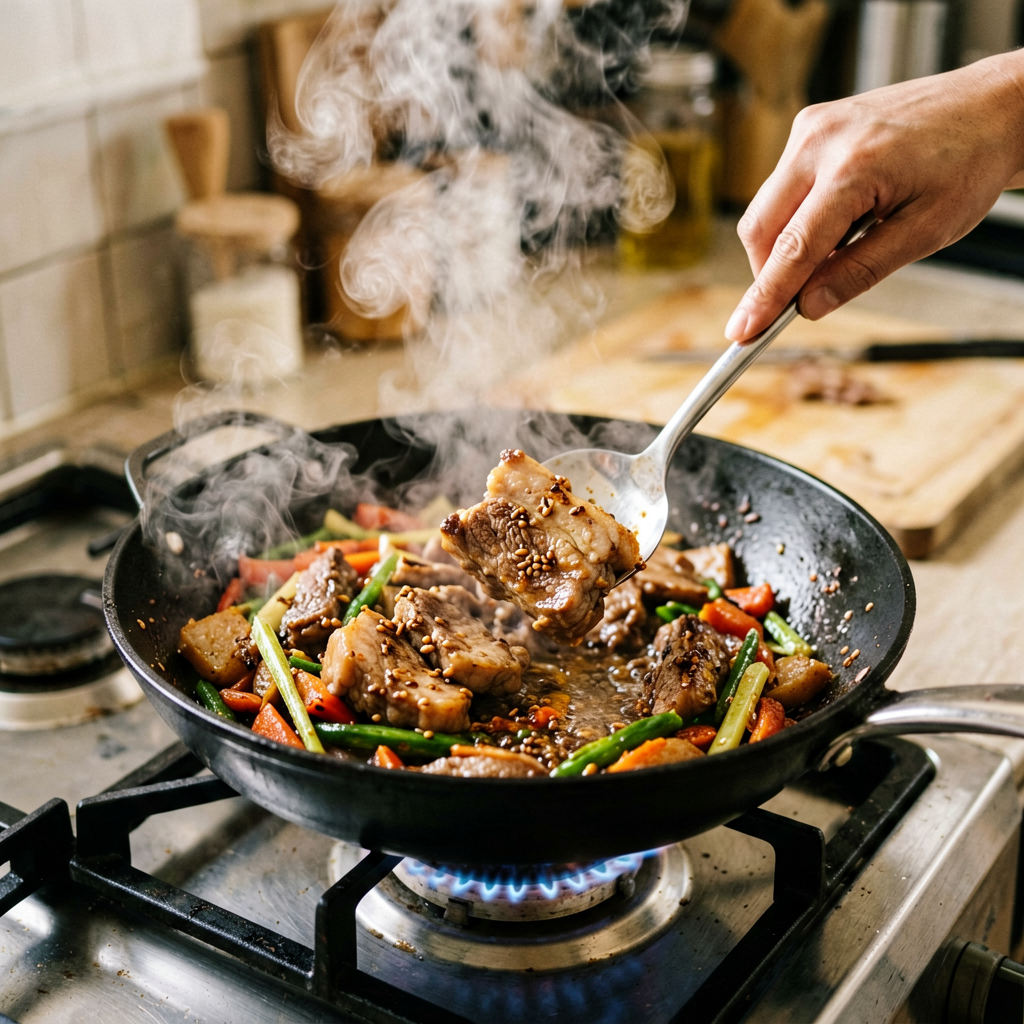
- Sear the Pork: Place your 12-inch skillet over medium-high heat. Add 1 tablespoon of olive oil. The oil should shimmer but not smoke. Add the pork slices in a single layer, working in two batches to avoid crowding the pan. Crowding will cause steaming, not searing. Cook for 1.5 to 2 minutes per side, until deeply golden brown. The internal temperature should reach 135°F (57°C) at this stage. Transfer the pork to a clean plate. It will continue to cook slightly as it rests.
- Sauté Aromatics: Reduce heat to medium. Add another splash of oil if the pan is dry. Add the sliced shallots and a pinch of salt. Sauté for 3 to 4 minutes, stirring occasionally, until softened and beginning to brown. Add the minced garlic and cook for 30 seconds, until fragrant. Add the sliced mushrooms. Increase heat to medium-high and cook, stirring occasionally, for 5 to 6 minutes, until the mushrooms release their liquid and it evaporates, and they begin to brown at the edges.
- Build the Sauce: Pour the prepared mustard-wine sauce mixture into the hot pan. Use a wooden spoon to scrape up all the browned bits (fond) from the bottom. Bring the sauce to a boil, then reduce heat to a simmer. Let it reduce for 3 to 4 minutes, until it slightly thickens and coats the back of a spoon. Stir in the heavy cream and fresh thyme leaves. Return the seared pork (and any accumulated juices from the plate) to the skillet. Cook for 1 to 2 minutes, until the pork is heated through and the sauce reaches an internal temperature of 165°F (74°C). The final pork temperature should be 145°F (63°C). Remove from heat and stir in the 1 tablespoon of cold butter until melted and emulsified. This adds richness and sheen.
Pro Tips
- For Superior Searing: In my experience, the single biggest factor is a dry surface on the protein. Don’t just pat the pork dry; let it air-dry on the plate for a few minutes after seasoning. Also, ensure your pan is properly preheated—a drop of water should sizzle and evaporate immediately upon contact.
- Sauce Consistency: The sauce should be thick enough to coat the pork and vegetables, not run like a broth. If it becomes too thick after adding cream, a splash more stock will thin it out. Remember it will tighten further as it cools.
- Make-Ahead & Meal Prep: This stir fry is ideal for meal prep. Let the dish cool completely before portioning into airtight containers. Store in the refrigerator for up to 4 days. The flavors will deepen overnight. To reheat, microwave in 90-second intervals, stirring between, or reheat gently in a skillet over medium-low heat with a splash of water to loosen the sauce.
- Substitutions: Chicken breast (sliced thin) works well. For a vegetarian version, use thick slices of extra-firm tofu (pressed) or a 14-ounce can of hearts of palm, sliced. Use vegetable stock instead of chicken stock.
Serving Suggestions
This dish is rich and savory, so pair it with sides that absorb the sauce and provide contrast.
- Base: 1 cup cooked jasmine rice, buttered egg noodles, or creamy polenta per serving.
- Vegetable: Steamed haricots verts (French green beans) or roasted asparagus. A simple green salad with a lemon vinaigrette also works to cut the richness.
- Portioning: Divide the stir fry and sauce evenly among four meal prep containers with your chosen base. Garnish with a sprig of fresh thyme before serving if desired.
Frequently Asked Questions
Can I use frozen pork tenderloin?
It’s best to use thawed pork for this recipe. If you only have frozen, thaw it completely in the refrigerator for 24-48 hours. Pat it extremely dry before seasoning. Never sear frozen pork, as the exterior will boil and steam instead of developing a crust.
How do I know when the pork is done?
Two key indicators: 1) Visual Cue: The pork slices should be opaque throughout with no pink center, but still juicy. 2) Temperature Cue: Use an instant-read thermometer inserted into the thickest part of a slice. It should read 145°F (63°C), followed by a 3-minute rest. This is the USDA-recommended safe temperature for pork, which results in a tender, slightly pink center that will carry-over cook to 145°F as it rests in the sauce.
Can I prep this ahead for cooking?
Absolutely. This is what makes the meal prep successful. You can complete all the prep work (Step 1 & 2 in the Prep Work section) up to 2 days in advance. Store the sliced pork, aromatics, mushrooms, and sauce base in separate airtight containers in the refrigerator. When ready to cook, simply follow the Cooking Instructions from Step 1. This cuts active cooking time down to about 15 minutes.
*As an Amazon Associate I earn from qualifying purchases.*
[Check Price on Amazon – 12-inch Cast Iron Skillet]
[Check Price on Amazon – Instant-Read Thermometer]
发表回复