分类: Healthy Recipes

  • Crispy Sweet Potato Fries Guide

    Intro

    My kitchen used to smell like quiet disappointment every time I tried to make sweet potato fries. I would toss them onto a crowded baking sheet, wait for thirty minutes, and pull out a tray of limp, steamed vegetables instead of the crispy, caramelized perfection I craved. I spent months testing different oven temperatures, flipping them halfway, swapping out heavy aluminum pans, and honestly, I almost gave up on them completely. But I could not let a stubborn tuber win. After tweaking the method over and over, tracking moisture levels, and paying close attention to how different starches reacted under high heat, I finally cracked the code. It is not just about the temperature; it is about aggressive moisture removal, a precise starch coating, and giving them serious breathing room. Now, when I pull a pan out of my oven, the sound is unmistakable. That sharp, satisfying crackle when the fries hit the cooling rack means I have nailed it. I am sharing every single trick I learned along the way so you can skip the trial and error and go straight to the good stuff. Whether you are feeding a hungry crowd, packing a weekday lunch, or just craving a salty-sweet snack at midnight, this guide will completely change how you approach root vegetables.

    Why You’ll Love This

    • Guaranteed Crispiness: The double-dry method and light starch coating create a shatteringly crisp exterior every single time.
    • Ready in Under 30 Minutes: Active prep takes less than ten minutes, and the oven does the heavy lifting while you set the table.
    • Completely Plant-Based: No dairy, no eggs, and no animal products required, making it a perfect match for vegan and vegetarian meals.
    • Customizable Flavor: Swap the paprika for smoked chili, add a pinch of rosemary, or keep it simple with sea salt and black pepper.
    • Batch-Friendly: Easily scales up for game day, meal prep, or family gatherings without sacrificing texture.

    Ingredients Breakdown

    Getting the right ingredients is half the battle. I have learned that cheap shortcuts lead to soggy results, so here is exactly what to grab at the store and how to choose wisely.

    Sweet Potatoes

    Look for firm, heavy tubers with smooth, unblemished skin. I prefer the classic orange-fleshed variety because they caramelize beautifully and hold their shape during high heat roasting. Avoid any potatoes that feel soft, give under pressure, or have sprouting eyes, as they contain too much internal moisture and will never crisp properly. Uniformity is key, so pick two potatoes that are roughly the same size and shape. This guarantees they cook at the exact same rate without leaving you with a mix of burnt and raw pieces.

    High-Heat Oil

    You need an oil that can handle intense heat without smoking or turning bitter. Avocado oil is my absolute favorite because it has a neutral flavor and a smoke point well above 400°F. Refined olive oil or grapeseed oil work just as well. Skip the extra virgin olive oil for this recipe; it will burn before the fries develop that signature golden crust.

    Cornstarch or Arrowroot Powder

    This is the secret weapon. A light dusting of cornstarch or arrowroot absorbs surface moisture and creates a microscopic barrier that turns glassy and crisp in the heat. I use about one tablespoon per large potato. Arrowroot gives a slightly lighter, more delicate finish, while cornstarch delivers that classic diner-style crunch. Both work beautifully.

    Seasoning Blend

    Salt is non-negotiable, but I like to add smoked paprika, garlic powder, and a pinch of cayenne for depth. If you want to keep it simple, coarse sea salt and freshly cracked black pepper will never steer you wrong. Always apply your spices after the oil so they adhere evenly without burning.

    Step-by-Step Instructions

    1. Prep and Slice: Scrub your sweet potatoes thoroughly under cold running water. Leave the skins on for extra texture and nutrients, or peel them if you prefer a smoother bite. Using a sharp chef’s knife, cut the potatoes into even ¼-inch thick sticks. Uniform pieces are crucial so everything cooks at the exact same pace and develops an even crust.
    2. Soak to Remove Starch: Immediately drop the cut fries into a large bowl filled with cold water. Let them sit for at least thirty minutes. You will notice the water turning cloudy as excess starch leaches out. This step prevents them from sticking together and burning in the oven.
    3. Dry Completely: Drain the water and spread the fries across a clean, lint-free kitchen towel. Pat them aggressively dry. I cannot stress this enough: moisture is the enemy of crispiness. They should feel bone-dry to the touch. Any lingering water will create steam, which leads to soft, disappointing results.
    4. Coat Lightly: Transfer the completely dry fries to a large, dry mixing bowl. Sprinkle the cornstarch or arrowroot powder evenly over the top. Toss gently until every single stick has a faint, matte dusting. Drizzle in your chosen oil and toss again until they glisten but are not dripping.
    5. Season and Arrange: Add your spice blend and toss one final time. Spread the fries in a single layer across two parchment-lined baking sheets. Do not crowd the pan. If they overlap or touch, they will steam instead of roast. I always bake on two sheets to guarantee maximum airflow and even browning.
    6. Roast Until Golden: Slide the pans into a preheated 425°F oven. Bake for twenty minutes, then carefully flip each fry with tongs. Return to the oven for another ten to fifteen minutes. Watch closely as they develop a deep, caramelized golden crust. They should sound hollow when tapped against the pan and feel firm to the touch.
    7. Cool and Serve: Pull them out and immediately transfer to a wire rack. Let them rest for three to five minutes. This brief cooling period allows the exterior to set into that satisfying, shatteringly crisp shell we all love.

    Pro-Tips / Troubleshooting

    Even with a solid recipe, ovens behave differently, and sweet potatoes vary in water content. Here is how to fix common issues before they happen.

    What if my fries turn out soggy? This almost always means there was too much moisture in the pan. Make sure you are drying them thoroughly after soaking, and never skip the two-pan method. If your oven runs cool, increase the temperature by 15°F and extend the cooking time by five minutes. Also, avoid sealing them in a container while they are still warm; trapped heat will ruin the texture instantly.

    Why are the edges burning before the centers cook? Your oil might be pooling in certain spots, or the pieces are cut too thin. Check your knife work and aim for consistent thickness. If you notice hot spots in your oven, rotate the baking sheets halfway through the bake and switch their rack positions from top to bottom.

    Can I make these ahead of time? You can prep and dry the fries up to a day in advance. Store them in an airtight container lined with paper towels in the refrigerator. When you are ready to eat, toss with oil, starch, and seasoning right before roasting. They will not crisp up properly if coated too early.

    Serving Suggestions

    Crispy sweet potato fries are incredibly versatile. I love serving them straight off the pan with a sprinkle of flaky sea salt, but they shine even brighter when paired with the right dips and dishes. For a classic combo, whip up a quick chipotle mayo by mixing mayonnaise, lime juice, and a dash of adobo sauce. If you are leaning into a healthier route, a tangy Greek yogurt dip with fresh dill and lemon zest cuts through the natural sweetness perfectly.

    They also make a fantastic side dish for hearty mains. I regularly pile them next to black bean burgers, grilled portobello mushrooms, or a simple roasted chicken with herb butter. For lunch, toss a handful over a warm kale salad with avocado and toasted pepitas. They add a satisfying crunch that transforms ordinary bowls into restaurant-quality meals. On busy weeknights, we often pair them with a quick black bean chili and a squeeze of fresh lime for a comforting, balanced plate.

    FAQ Section

    Can I use an air fryer instead of the oven?

    Absolutely. The air fryer is actually one of my favorite tools for this recipe. Follow the exact same prep, drying, and coating steps, but work in smaller batches. Cook at 400°F for twelve to fourteen minutes, shaking the basket halfway through. You will get an even crispier result with less oil and faster cook times.

    Why do my fries get soft so quickly?

    Sweet potatoes naturally release moisture as they cool. The best way to maintain that golden crust is to serve them immediately after resting on the wire rack. If you must pack them for later, keep them in a paper bag rather than plastic or airtight containers, which trap steam and soften the exterior. Re-crisping in the oven or air fryer is always better than microwaving.

    What is the best way to reheat leftovers?

    Never use the microwave, as it will turn them mushy. Instead, spread the cold fries on a baking sheet and warm them in a 375°F oven for five to seven minutes until heated through and crisp again. An air fryer at 350°F for three minutes works just as well and brings back that original crunch.

    If you are serious about getting perfect results every single time, investing in a reliable appliance makes a massive difference. I tested dozens of models before settling on the [Best Air Fryer I Recommend] for my daily cooking routine. The consistent airflow and precise temperature control take the guesswork out of achieving that perfect crunch, especially on rainy days when the oven just feels too slow.

    *As an Amazon Associate I earn from qualifying purchases.
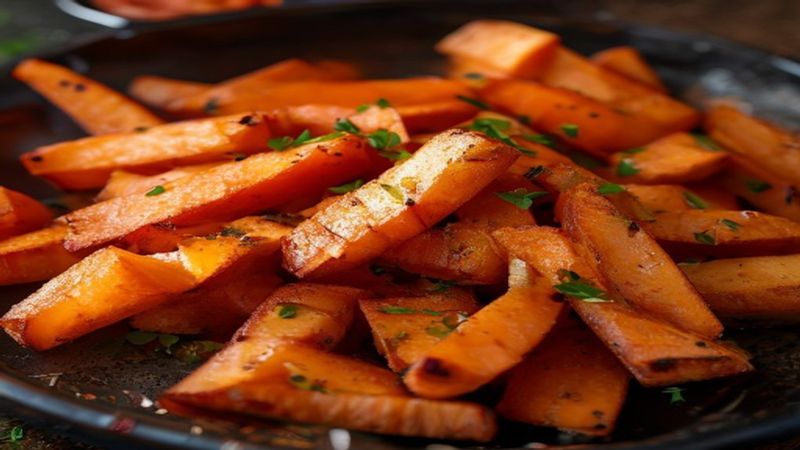
    Crispy Sweet Potato Fries Guide

  • Detox Kale Green Smoothie

    Why This Green Smoothie Became My Morning Staple

    Three years ago, I found myself completely drained. I had spent an entire weekend hosting family, eating rich pastas and heavy desserts, and by Monday morning, my energy was practically nonexistent. I stood in my kitchen, staring at a wilting bunch of kale in the crisper drawer, and decided enough was enough. I grabbed my trusty high-speed blender and started tossing in whatever looked fresh: a handful of dark greens, half a banana I had stashed in the freezer, a squeeze of lemon, and some crisp ginger. I hit the button, watched the ingredients transform into a swirling emerald pool, and took that first cautious sip. Instead of the grassy bitterness I expected, I tasted something surprisingly bright, sweet, and incredibly refreshing. That morning, I felt lighter within twenty minutes. It became the exact reset button I needed, and after tweaking the ratios over dozens of batches, this is the version I keep coming back to. It is not about extreme cleanses or restrictive habits. It is simply about giving your body a vibrant, nutrient-dense drink that actually tastes good. I make it almost every single day now, and I genuinely believe it will change your morning routine for the better.

    Why You Will Absolutely Love This Recipe

    • Ready in under five minutes: You only need a blender and a handful of simple ingredients. No complicated prep work or specialty equipment required.
    • Naturally dairy-free and vegan: The entire recipe relies on plant-based milks and fresh fruit, making it perfect for anyone avoiding animal products.
    • Completely masks the kale flavor: The natural sweetness of ripe bananas and tropical fruit perfectly balances the earthy greens, so even the pickiest drinkers will happily finish the glass.
    • Highly customizable: Swap the liquid base, add a scoop of protein powder, or toss in a handful of spinach if kale is not your favorite. The ratios are incredibly forgiving.
    • Supports steady energy: Packed with fiber, antioxidants, and healthy fats from chia seeds, this drink keeps you full and focused without the dreaded sugar crash.

    Ingredients Breakdown: How to Pick the Best Components

    The secret to a phenomenal green smoothie lies entirely in the quality of your ingredients. When you start with fresh, properly stored items, the flavor profile shifts dramatically. Here is exactly what to look for at the market or in your own fridge.

    The Kale Base

    I always recommend organic curly kale or lacinato (also known as dinosaur kale) for this recipe. When shopping, look for leaves that are deeply colored, crisp to the touch, and completely free of yellowing edges. If the stems feel woody or snap rather than bend, the bunch is past its prime. I strip the tough ribs completely because they add a bitter, fibrous texture that ruins the smooth mouthfeel. If you want the absolute best flavor, soak the leaves in cold water for ten minutes before blending. It wakes them up and removes any lingering grit.

    The Sweetness & Creaminess

    For the banana, I strongly advise using frozen slices. Peel ripe bananas (the ones with plenty of brown speckles) before freezing them in a single layer on a baking sheet. Once solid, transfer them to a sealed bag. Frozen bananas create an ice-cream-like thickness and keep the drink frosty without watering it down. For the tropical element, fresh or frozen pineapple chunks work wonderfully. Look for pineapple that smells fragrant at the stem and feels heavy for its size. If it smells sour or fermented, skip it.

    The Liquid & Boosters

    Unsweetened almond milk or coconut water makes an excellent base. If using almond milk, check the ingredient list for a simple blend of water, almonds, and sea salt. Avoid brands loaded with gums or added vanilla syrup, as they clash with the fresh greens. Fresh ginger is non-negotiable here. Pick a root that feels firm, heavy, and has taut, shiny skin. Wrinkled ginger is dried out and lacks that signature spicy kick. Finally, use whole chia seeds or freshly ground flax. They thicken the mixture naturally and provide essential omega-3 fatty acids that keep your skin glowing.

    Step-by-Step Instructions

    1. Prep your greens: Tear roughly three packed cups of kale into bite-sized pieces, removing all the thick central stems. Toss them into the bottom of your blender pitcher. Placing the leafy vegetables at the very bottom ensures the blades catch them immediately and pulverize them evenly.
    2. Add the frozen elements: Drop in one cup of frozen pineapple chunks and one large frozen banana. You will hear the satisfying, crisp thud as the frozen fruit hits the glass. This step is crucial for achieving that thick, frosty consistency without relying on ice cubes.
    3. Layer in the aromatics and boosters: Grate about one teaspoon of fresh ginger directly over the frozen fruit. The sharp, citrusy scent will instantly fill your kitchen. Follow it with one tablespoon of chia seeds and a generous squeeze of fresh lemon juice, roughly two tablespoons. The acid brightens the entire mixture and cuts through any lingering earthiness.
    4. Pour in the liquid: Measure out one and a half cups of unsweetened almond milk. Pour it slowly over the top. Starting with less liquid gives you better control over the final texture. You can always add more later if the blades get stuck.
    5. Blend until silky: Secure the lid tightly and start your blender on the lowest setting. Gradually increase the speed to high over the course of thirty seconds. Listen for the steady, powerful whir of the motor as it shatters the frozen fruit. Let it run for a full forty-five to sixty seconds until the mixture transforms into a completely uniform, vibrant emerald swirl with absolutely no leafy chunks remaining.
    6. Pour and serve immediately: Remove the lid and watch the thick, glossy liquid cascade into your favorite tall glass. The surface should look perfectly smooth, almost like melted sorbet. Take a sip and enjoy the immediate rush of cool, refreshing flavor.

    Pro-Tips & Troubleshooting

    My smoothie tastes too grassy. This usually happens when the fruit-to-green ratio is off or the kale is simply too old. Always use very ripe, frozen bananas and ensure your kale leaves are bright green and fresh. A tiny drizzle of raw honey or an extra half cup of pineapple will instantly balance out the bitterness.

    The texture is too thick or my blender is struggling. Frozen bananas can sometimes act like cement in lower-powered machines. If your motor sounds strained or the blades stop moving, pause immediately. Add another quarter cup of liquid through the opening in the lid, let the mixture rest for thirty seconds to soften the ice crystals, and then pulse a few times before resuming high speed.

    The chia seeds are making it gelatinous. Chia seeds absorb liquid rapidly. If you plan to drink this right away, the natural thickness is perfect. However, if you are blending it for meal prep and storing it in the fridge, the seeds will continue swelling and turn your smoothie into a pudding. Simply omit the chia seeds from the initial blend and stir them into your glass right before drinking, or use a liquid sweetener like agave instead for thickness control.

    It separates after sitting. This is completely normal with fresh, preservative-free drinks. The heavier fiber settles while the water rises. Give it a vigorous shake or a quick stir with a long spoon before taking your first sip. The flavor will be exactly the same.

    Serving Suggestions & Pairings

    I love treating this smoothie as a complete morning experience rather than just a quick drink. For a more substantial breakfast bowl, pour half of the blended mixture into a wide, shallow dish and top it with toasted coconut flakes, a handful of crunchy hemp seeds, and sliced kiwi. The contrasting temperatures and textures make it incredibly satisfying.

    If you prefer something savory on the side, pair it with a slice of warm avocado toast sprinkled with everything bagel seasoning and red pepper flakes. The rich, creamy fats in the avocado complement the bright, acidic notes of the smoothie perfectly. We also keep a batch of roasted nuts on hand for post-workout fuel. I usually toss almonds and walnuts with cinnamon and a pinch of sea salt, then pop them in my [Best Air Fryer I Recommend] for exactly six minutes until they are fragrant and lightly toasted. The warm, spiced crunch alongside the cold, refreshing drink creates the ideal balance.

    For busy weekday mornings, I portion out the kale, banana, and pineapple into freezer bags on Sunday. When Monday hits, I just dump the bag into the blender, add my liquids and boosters, and I am out the door in under three minutes.

    Frequently Asked Questions

    Does this smoothie actually detox my body?

    Your liver and kidneys are already incredible at filtering out toxins naturally. This drink supports those existing systems by delivering a concentrated dose of chlorophyll, hydration, and fiber. The antioxidants in kale and ginger help reduce inflammation, while the fiber keeps your digestion moving efficiently. Think of it as giving your body premium fuel rather than a magical cleanse.

    Can I prepare this the night before?

    You absolutely can, though I always recommend drinking it fresh for the best nutrient retention and texture. If you must prep ahead, blend everything except the chia seeds, pour it into an airtight mason jar, and leave minimal air space at the top. Store it in the coldest part of your refrigerator for up to twenty-four hours. Shake it vigorously before drinking, and consider adding a fresh squeeze of lemon right before you consume it to restore that bright flavor.

    How do I make this recipe higher in protein?

    The base recipe contains about four to five grams of protein from the kale and seeds, which is great for a light morning boost. To make it a full post-workout recovery drink, simply add one scoop of unflavored or vanilla plant-based protein powder. You may need to increase the almond milk by a quarter cup to account for the powder absorbing liquid. Alternatively, blend in a quarter cup of raw cashews or two tablespoons of hemp hearts for a whole-food protein bump.

    *As an Amazon Associate I earn from qualifying purchases.
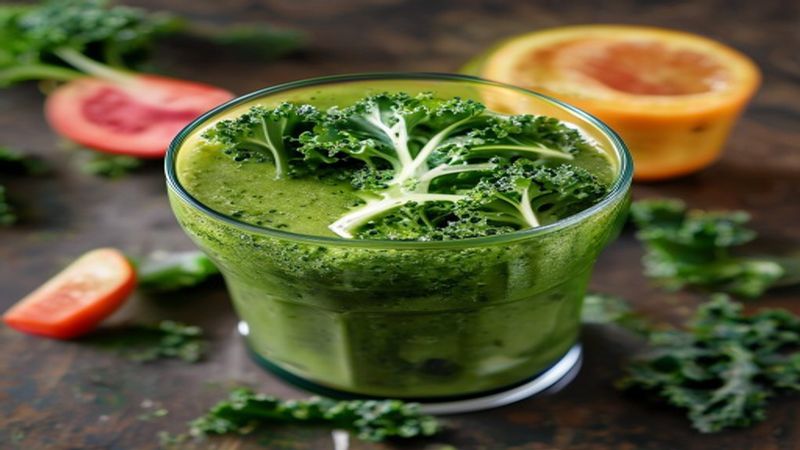
    Detox Kale Green Smoothie

  • 5 Avocado Toast Variations

    5 Avocado Toast Variations That Actually Keep You Full

    I remember my first real avocado toast in a tiny corner café back in 2014. The sourdough was thick, toasted until the edges turned a deep mahogany, and the avocado was mashed with a heavy hand of flaky salt and a bright squeeze of lime. It wasn’t plated with tweezers or drizzled with gold leaf, but it completely shifted how I viewed quick breakfasts. Fast forward to my own kitchen, and I’ve spent the better part of a decade tweaking that simple formula. I used to think toast was just a placeholder until my recipe-testing schedule became relentless and I needed something fast, genuinely satisfying, and packed with real nutrients. These five variations came from countless trial runs, messy countertops, and hungry mornings that demanded more than a plain slice of bread. I kept the base intentionally straightforward so you can build whatever you’re craving without stressing over complicated techniques. They work for busy weekdays, lazy Sunday brunches, and everything in between. Grab your favorite knife, because we’re about to make toast feel brand new again.

    Why You’ll Love This

    • Ready in under ten minutes: I built these for real mornings when the coffee is brewing and you need to eat before heading out the door.
    • Endlessly customizable: Swap out proteins, adjust spice levels, or lean into whatever seasonal produce is sitting in your crisper drawer.
    • Balanced macros: The healthy fats from ripe avocado pair perfectly with fiber-rich bread and optional protein toppings to keep your energy steady until lunch.
    • Budget-friendly: You don’t need specialty grocery items. Most of these ingredients are pantry staples or easily found at your local market.
    • Dairy-free and vegan adaptable: Every variation can easily skip animal products without losing flavor or texture.

    How to Pick the Best Ingredients

    The difference between a decent slice and a crave-worthy bite almost always comes down to ingredient quality. I’ve learned this the hard way after buying underripe avocados for three weeks straight. Here is exactly what I look for when I’m shopping.

    The Bread

    I always reach for a sturdy sourdough or a seeded whole-grain loaf. The crust needs to hold up to moisture without turning soggy. When I’m at the bakery counter, I press lightly on the heel. It should give just a little but spring right back. If it feels rock-hard, it’s stale. If it collapses, it’s too soft and will turn mushy under the avocado. Look for loaves with visible air pockets and a crackly exterior. A good slice should shatter slightly when toasted.

    The Avocado

    Ripeness is everything. I gently press near the stem end with my thumb. It should yield to light pressure like a ripe peach, not a rock or a water balloon. If the stem nub pops off easily and reveals green underneath, you’ve struck gold. I also look for Hass avocados with pebbly, dark purple skin rather than the smooth green varieties, since they have a higher oil content and a richer, nuttier flavor that stands up to bold toppings.

    The Supporting Cast

    For eggs, I prefer pasture-raised with vibrant, deep orange yolks. The color actually signals higher carotenoids and a richer taste. If you’re using tomatoes, skip the hothouse varieties and grab vine-ripened or cherry tomatoes that smell like summer dirt and sun. For seeds and nuts, I always check the packaging date and smell the bag through the plastic. Rancid walnuts or pepitas will ruin the whole slice. If you want a bright finish, look for lemons and limes that feel heavy for their size and have thin, glossy skin, which means they’re packed with juice.

    Step-by-Step Instructions

    1. Toast the bread properly: Preheat your oven to 400°F or set your toaster to a medium-high setting. I like to arrange the slices on a wire rack over a baking sheet so air circulates evenly. Bake until the edges turn a deep golden brown and the surface crackles when tapped. That crisp foundation is non-negotiable.
    2. Prep the avocado: Slice your ripe avocados lengthwise and twist them open. Remove the pit with a sharp knife twist, then scoop the flesh into a wide bowl. Use a fork to mash until it’s mostly smooth but still holds a few chunky pieces for texture. Immediately squeeze half a lemon or lime over it and fold in a generous pinch of flaky sea salt. The acid slows oxidation and wakes up the natural buttery notes.
    3. Build your base: Spread the avocado thick and even across each warm slice. You want a generous layer that reaches the crust. The residual heat from the toast will slightly melt the avocado into the bread, creating a creamy, cohesive bite.
    4. Add your variation toppings: Classic Lemon-Pepper: Crack fresh black pepper over the top, add a drizzle of olive oil, and sprinkle with red pepper flakes. Everything Bagel & Radish: Press everything seasoning into the avocado, then layer paper-thin radish slices for a sharp, peppery crunch. Smoked Salmon & Dill: Arrange cold-smoked salmon ribbons over the toast, scatter fresh chopped dill, and finish with a few capers. Tomato & Balsamic: Top with halved cherry tomatoes, a light reduction of balsamic glaze, and torn basil leaves. Spicy Black Bean & Lime: Spoon warmed black beans seasoned with cumin and smoked paprika over the avocado, then finish with pickled jalapeño slices and a final lime wedge.
    5. Finish and serve immediately: Toast only shines when eaten hot. I always give each slice one final crack of flaky salt right before serving. The crunch, the cream, and the bright toppings should hit your palate all at once.

    Pro-Tips & Troubleshooting

    I’ve burned, drowned, and overcomplicated more slices than I care to admit. Here are the fixes for the most common kitchen hiccups.

    What if my toast turns soggy? This almost always happens when you spread cold avocado onto cool bread or add juicy tomatoes too early. Always toast until deeply golden, spread the avocado while the bread is still warm, and layer wet ingredients last. I also keep a small wire rack under the slices to prevent condensation from pooling on the bottom.

    My avocado browned before I finished eating. Oxidation is natural, but you can slow it down significantly by keeping the pit in the bowl (not on the toast) and pressing a piece of plastic wrap directly against the surface of the mashed avocado. The acid from citrus is your best friend here. Never skip the lemon juice.

    The toppings keep sliding off. If your avocado is too smooth or too cold, it won’t grip. I leave small chunks and make sure the bread has a slightly rough, toasted surface. For heavy toppings like beans or salmon, I press them gently into the mash with the back of a spoon so they settle into the creamy layer rather than sitting loosely on top.

    It tastes flat. Avocado is naturally rich and mild, so it craves contrast. I always finish with three elements: acid (lemon, lime, or vinegar), heat (chili flakes, hot honey, or pickled peppers), and crunch (seeds, toasted nuts, or raw vegetables). Taste before you salt, then add salt in small increments until the flavors pop.

    What to Serve Alongside

    These variations are substantial enough to stand alone, but I love rounding them out with a few simple sides. A small side salad of bitter greens tossed in a sharp vinaigrette cuts through the richness perfectly. For protein-heavy days, I pair the toast with a soft-boiled egg or a handful of roasted chickpeas for extra fiber. If I’m leaning into a weekend brunch vibe, I’ll serve a bowl of fresh berries or a light cucumber-mint salad. Coffee is always a given, but I’ve also found that a chilled glass of sparkling water with a slice of grapefruit balances the meal beautifully. Keep it light, keep it fresh, and let the toast take center stage.

    Frequently Asked Questions

    Can I prep these ahead of time for meal prep? I don’t recommend assembling them fully in advance because the bread will lose its crunch and the avocado will oxidize. However, you can absolutely prep the components. Toast the bread and store it in an airtight container at room temperature. Mash the avocado with citrus and press plastic wrap directly against it in the fridge. Slice your vegetables and portion your toppings in small containers. When you’re ready to eat, just assemble and toast for two minutes. It takes less than a minute and tastes completely fresh.

    What if I need this to be gluten-free? Swap the sourdough or whole-grain loaf for a certified gluten-free seed bread or a sturdy rice-based slice. Look for brands that use psyllium husk or chia seeds in the dough, as they hold moisture better and toast up much crispier than standard GF breads. I also love using thick slices of roasted sweet potato or toasted polenta rounds as a base for a naturally grain-free option.

    How do I keep my knife from slipping when cutting the avocado pit? This is a classic kitchen safety moment. Never stab downward with force. Instead, slice the avocado in half, tap the blade firmly into the pit so it catches, then twist the knife gently while rotating the avocado half. The pit will pop out cleanly. If you’re nervous, I highly recommend using a spoon to scoop the pit out instead. It’s slower but completely eliminates the risk.

    If you love getting that perfect golden crisp without heating up your whole oven, I keep my [Best Air Fryer I Recommend] running on my counter almost every single morning. It toasts bread evenly, warms beans in seconds, and saves me precious time during busy weekdays.

    *As an Amazon Associate I earn from qualifying purchases.
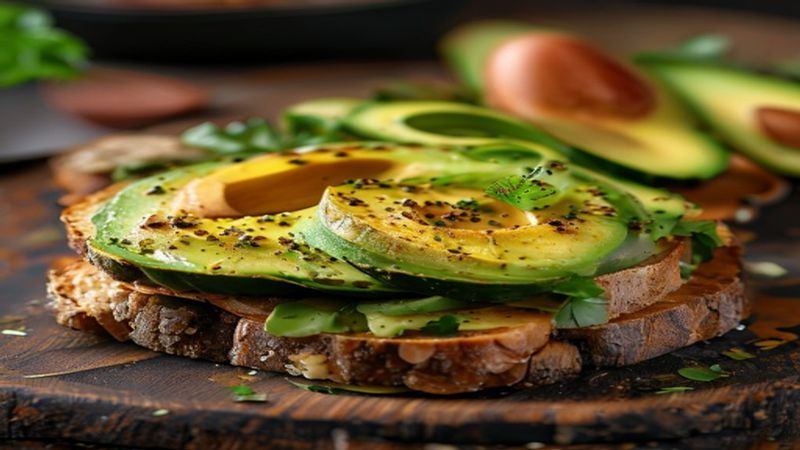
    5 Avocado Toast Variations

  • Mediterranean Quinoa Bowls

    Mediterranean Quinoa Bowls

    I still remember the exact Tuesday afternoon this bowl was born. My kitchen was a disaster zone from testing three different cookie recipes that completely flopped, and I had exactly twenty minutes before my stomach started making embarrassing noises. I opened the fridge, pulled out a nearly empty container of cooked quinoa, a jar of kalamata olives, a handful of cherry tomatoes, and a block of feta that was begging to be used up. Instead of scrambling for takeout, I tossed everything into a wide ceramic bowl, squeezed half a lemon over the top, drizzled it with olive oil, and took one bite. It was bright, deeply satisfying, and honestly better than half the restaurant meals I’ve paid twenty dollars for. That accidental lunch became a permanent fixture on my weekly menu. Over the years, I’ve refined the ratios, tested different herbs, and figured out exactly how to keep the grains light instead of heavy. What started as a pantry-clearing experiment turned into the recipe I now pack for my husband’s office lunches, serve at summer potlucks, and reach for whenever I need something that actually fuels my afternoon without making me sluggish. If you’ve been chasing a weeknight dinner that feels fresh, nourishes you deeply, and comes together faster than boiling pasta, you’re going to want this in your rotation.

    Why You’ll Love This

    • Ready in 25 minutes flat from start to finish, making it perfect for busy evenings.
    • Naturally gluten-free and dairy-free when you skip the feta, which keeps it accessible for almost everyone.
    • Meal-prep friendly because the components store beautifully and hold their texture for up to four days.
    • Highly customizable since you can swap in roasted sweet potatoes, grilled chicken, or whatever vegetables are looking good at the market.
    • Balanced macros in every bite with complete plant protein, complex carbs, and heart-healthy fats keeping you full for hours.

    Ingredients Breakdown

    The beauty of a bowl like this lies in the quality of the individual pieces. When each component shines, the whole dish elevates itself without any complicated techniques. Here’s what I look for when I’m shopping, and why it matters for the final flavor.

    Quinoa: I always buy white or tri-color quinoa in clear bags so I can check the grain quality. Look for uniform, dry kernels with no visible moisture or clumping. If the bag feels damp or heavy, the quinoa has absorbed humidity and will turn mushy when cooked. Rinsing is non-negotiable, but starting with fresh, well-stored grains makes a massive difference.

    Chickpeas: I keep both canned and dry chickpeas in my pantry. If you’re grabbing cans, check for low-sodium varieties and avoid any cans with dents, rust, or bulging lids. When you open them, the liquid should be clear, not cloudy or overly thick. For dry beans, look for smooth, uncracked skins and a uniform tan color. I prefer dry beans when I have time, but canned works beautifully if you rinse and dry them thoroughly before roasting.

    Cucumber and Cherry Tomatoes: I buy Persian cucumbers because they have thin skins, fewer seeds, and a satisfying crunch that holds up against the dressing. Look for firm, heavy cucumbers with bright green coloring and no soft spots. For tomatoes, I want them plump, deeply red, and slightly fragrant at the stem. If they smell like nothing, they’ll taste like nothing.

    Kalamata Olives: Skip the pre-pitted ones sitting in oil if you want real flavor. I look for olives packed in a salty brine. They should be glossy, deeply purple, and slightly firm to the touch. The brine keeps them from turning greasy, which keeps your bowl tasting clean instead of heavy.

    Herbs and Lemon: Fresh parsley and mint are essential here. Look for vibrant, perky leaves with no yellowing or slimy stems. For lemons, I always squeeze the fruit before buying. If it feels rock-hard, it’s past its prime. A heavy, slightly yielding lemon will give you maximum juice and bright acidity to cut through the tahini.

    Step-by-Step Instructions

    1. Place one cup of quinoa in a fine-mesh strainer and run it under cool tap water for exactly one minute, rubbing the grains gently with your fingers until the water runs completely clear. This removes the natural saponin coating that causes bitterness.
    2. Transfer the rinsed quinoa to a medium saucepan set over medium heat. Let the grains toast in the dry pan for sixty seconds, shaking the pan occasionally, until they smell deeply nutty and you hear a faint crackling sound.
    3. Pour in two cups of low-sodium vegetable broth and bring the liquid to a vigorous, rolling boil. As soon as bubbles break the surface, immediately drop the heat to the lowest setting, cover the pot with a tight-fitting lid, and simmer for exactly twelve minutes.
    4. While the grains cook, drain your chickpeas in a colander and spread them on a clean kitchen towel. Pat them completely dry with paper towels, removing every trace of moisture so they crisp properly instead of steaming.
    5. Toss the dried chickpeas in a mixing bowl with one tablespoon of extra-virgin olive oil, half a teaspoon of smoked paprika, a quarter teaspoon of garlic powder, and a pinch of sea salt. Spread them in a single layer on a parchment-lined baking sheet and roast at 400°F for fifteen minutes until the skins blister and develop a shattering, golden crust.
    6. In a small glass bowl, whisk together three tablespoons of tahini, the juice of one large lemon, one minced garlic clove, one teaspoon of pure maple syrup, and two tablespoons of warm water. Keep whisking vigorously until the mixture emulsifies into a silky, pale, pourable sauce that coats the back of a spoon.
    7. Remove the quinoa pot from the heat and let it sit, covered, for five minutes. This resting period allows the grains to finish absorbing the steam evenly. Uncover, fluff with a fork to release trapped heat, and divide it among four wide serving bowls.
    8. Arrange the roasted chickpeas, halved cherry tomatoes, thinly sliced cucumber, brined olives, and torn fresh herbs over the quinoa in organized sections or a colorful scatter, depending on your mood.
    9. Drizzle the lemon-tahini sauce generously over the top, finish with a fresh crack of black pepper, and serve immediately while the chickpeas are still warm and the vegetables are crisp.

    Pro-Tips / Troubleshooting

    What if my quinoa turns mushy? This almost always comes from excess liquid or skipping the rinse. Measure your broth with a standard liquid measuring cup, not the markings on your rice cooker. After cooking, always fluff it immediately with a fork to stop the residual heat from turning it into a dense block.

    Why aren’t my chickpeas getting crispy? Moisture is the enemy here. If you skip the towel-drying step, the chickpeas will steam in their own skins. Make sure your oven is fully preheated to 400°F, and never crowd the baking sheet. Give them space to roast evenly, and resist the urge to stir them until they’ve baked for at least ten minutes.

    My dressing turned into a thick paste. Tahini thickens rapidly when it hits acidic ingredients. The fix is simple: add warm water, one teaspoon at a time, while whisking constantly. The heat helps the emulsion break down and become glossy again. If it’s still too heavy, a splash of room-temperature olive oil will smooth it out.

    Serving Suggestions

    I usually serve these bowls on their own because they’re so complete, but I love offering a few extras when I’m having guests. Warm whole-wheat pita wedges are perfect for scooping up stray chickpeas and soaking up the tahini dressing. If you want to keep it light, a small side of quick-pickled red onions adds a sharp, tangy bite that cuts through the creaminess. For non-vegetarians, I often serve a side of lemon-herb grilled shrimp or pan-seared chicken thighs. A crisp, dry white wine like Sauvignon Blanc or a chilled glass of sparkling water with fresh mint leaves makes a wonderful beverage pairing. I also keep a jar of homemade harissa on the counter for anyone who wants to kick up the heat without changing the flavor profile.

    Frequently Asked Questions

    Can I make this recipe ahead of time for work lunches? Absolutely. I prep the quinoa, roast the chickpeas, chop the vegetables, and whisk the dressing on Sunday. Store the quinoa and chickpeas in airtight containers in the fridge, and keep the cucumbers and tomatoes separate so they don’t release water into the grains. Assemble each morning, drizzle the dressing right before eating, and everything will stay crisp and vibrant for four days.

    What should I use instead of tahini if I’m allergic to sesame? I’ve tested several substitutes and my favorite is a blend of sunflower seed butter and a splash of lemon juice. It won’t taste identical, but it mimics the creamy, nutty texture perfectly. You can also use a simple Greek yogurt-based dressing with garlic and dill if dairy isn’t a concern.

    Do I have to use vegetable broth for cooking the quinoa? Not at all, though it adds a subtle savory depth that water lacks. I frequently use plain filtered water when I’m short on time, and I simply adjust the salt in the dressing and on the roasted chickpeas to compensate. The bright herbs and lemon will carry the flavor regardless of your cooking liquid.

    If you’re looking to upgrade your weeknight routine without buying a dozen new kitchen gadgets, I rely heavily on a solid, versatile appliance that handles roasting and reheating without drying out my ingredients. After testing dozens of models in my kitchen over the last few years, I finally found one that cooks chickpeas to perfection and reheats leftovers without turning them rubbery. You can check out the [Best Air Fryer I Recommend] if you want to streamline your bowl prep and get consistently crispy results every single time.

    *As an Amazon Associate I earn from qualifying purchases.
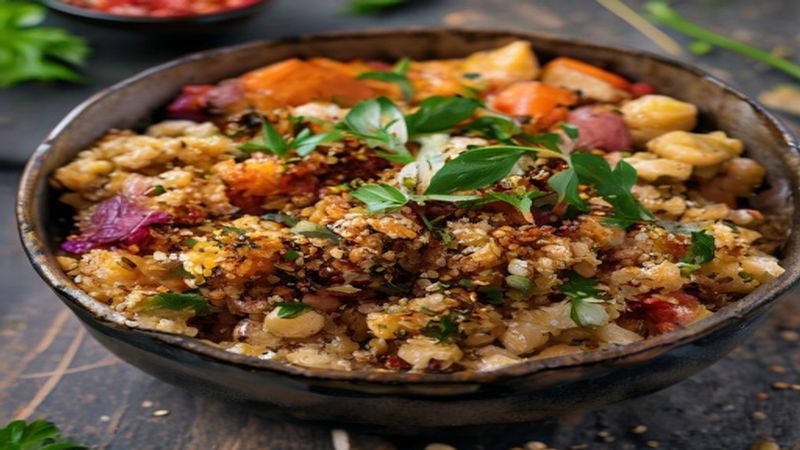
    Mediterranean Quinoa Bowls

  • Air Fryer Salmon

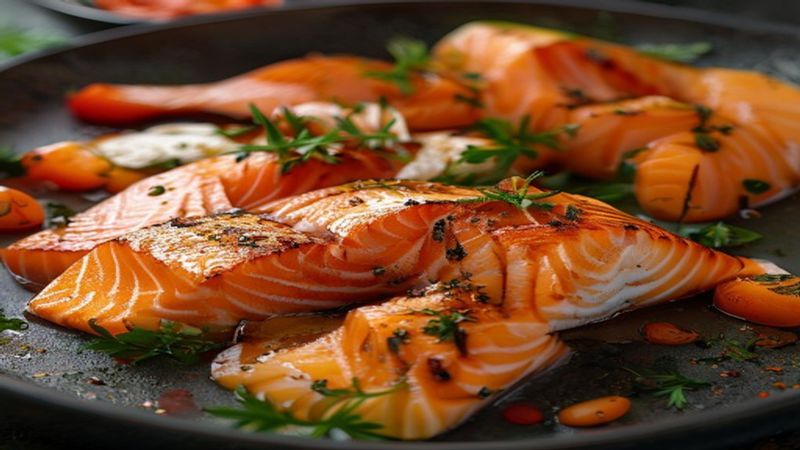
    My Weeknight Air Fryer Salmon Revelation

    I still remember the exact Tuesday evening when my kitchen routine completely flipped. Rain was drumming against the window, my grocery run had been delayed by an hour, and the last thing I wanted to do was turn on my oven and wait forty minutes for it to preheat. I grabbed two salmon fillets from the fridge, tossed them with olive oil and a quick sprinkle of smoked paprika, and dropped them into my air fryer on a whim. Fifteen minutes later, the smell of perfectly cooked, crispy-edged fish had completely filled my apartment. I sliced into it and watched the flesh flake effortlessly. That single pan-free, sheet-pan-less dinner changed how I cook fish forever. Since then, I have tested this method dozens of times, tweaking the temperature and timing until I found the exact sweet spot that delivers restaurant-quality results without the heavy cleanup. If you have ever been intimidated by cooking seafood, let me tell you this: the air fryer is your absolute best friend. It locks in moisture, creates that irresistible golden crust, and leaves your stovetop completely spotless. We make this recipe at least twice a week in my house because it bridges the gap between healthy eating and pure convenience. Whether you are meal prepping for the workweek or just need a quick, elegant dinner that looks like you spent hours on it, this method delivers every single time.

    Why You’ll Love This

    • Ready in under 15 minutes from prep to plate, making it a true lifesaver on busy evenings.
    • Minimal cleanup required since you only need a quick rinse for the basket and a single bowl for seasoning.
    • Dairy-free and gluten-free right out of the gate, fitting seamlessly into almost any dietary preference.
    • Foolproof temperature control ensures the center stays tender while the edges crisp up beautifully.
    • Highly adaptable to whatever spice blends, citrus, or marinades you currently have in your pantry.

    Choosing the Best Ingredients

    The foundation of any great fish dish starts at the market, and I always tell my readers to be picky about what they bring home. When selecting your fillets, look for pieces with a vibrant, bright orange or pink hue. Dull or brownish edges usually indicate the fish has been sitting out too long. Press the flesh gently with your finger; it should feel firm and spring back immediately. If it leaves an indentation, keep looking. I highly recommend buying skin-on fillets for air frying. The skin acts as a natural barrier that protects the delicate meat from drying out, and it crisps up into a snack-worthy layer that I honestly fight my kids for. As for the oil, skip the heavy vegetable oils and reach for something with a higher smoke point like avocado oil or light olive oil. These oils can handle the rapid, circulating heat without burning or leaving a bitter aftertaste. For seasoning, keep it simple. A balanced mix of kosher salt, freshly cracked black pepper, garlic powder, and a touch of smoked paprika does wonders. If you want a glossy finish, brush a thin layer of honey or maple syrup mixed with a splash of soy sauce over the top during the final two minutes. The natural sugars will caramelize quickly in the hot air, giving you a beautiful, sticky glaze without any extra pots to wash.

    Step-by-Step Instructions

    1. Pat the fillets completely dry. I cannot stress this enough. Grab a few paper towels and press them firmly against both sides of the salmon. Removing surface moisture is the secret to getting that satisfying sizzle instead of steaming the fish in its own juices.
    2. Coat evenly with oil and seasoning. Drizzle about a tablespoon of oil over the fillets and rub it in with your hands. Sprinkle your spice blend generously over the top and sides, pressing the seasoning lightly so it adheres to the flesh rather than just sitting on top.
    3. Preheat the basket. Set your air fryer to 390 degrees and let it run empty for three minutes. A hot basket guarantees an immediate sear, which prevents sticking and jumpstarts the browning process.
    4. Place the salmon inside carefully. Lay the fillets in the center of the basket, skin-side down, leaving at least half an inch of space between each piece. Overcrowding traps steam and ruins the crispy edges we are aiming for.
    5. Air fry until golden. Cook for 8 to 10 minutes depending on thickness. Halfway through, open the drawer and check the progress. You will notice the edges turning a rich, opaque pink while the top develops a lightly caramelized, crackling crust.
    6. Rest before slicing. Pull the basket out and transfer the fillets to a plate. Let them sit undisturbed for three minutes. This resting period allows the internal juices to redistribute, ensuring every bite stays incredibly moist.

    Pro-Tips and Troubleshooting

    Even with a simple recipe, a few small missteps can throw off the final result. The most common complaint I hear is that the fish sticks to the basket. This almost always happens when the basket is cold, or when the fillets are placed directly onto a wet surface. Always preheat, and if you are using a model with a bare metal grid, consider placing a perforated parchment liner underneath. Another frequent issue is overcooking. Salmon transitions from perfectly tender to chalky in about sixty seconds, so I always rely on an instant-read thermometer. Pull it out when the thickest part hits 135 degrees. It will continue cooking during the rest period and safely reach the recommended 140 degrees. If you notice the top browning too quickly while the center remains translucent, loosely tent a small piece of foil over the fillets for the last few minutes. This shields the surface while allowing the gentle heat to finish cooking the middle. Finally, never skip the drying step. I have tested this side-by-side countless times, and skipping the paper towels guarantees a pale, soggy exterior that completely defeats the purpose of using an air fryer in the first place.

    What to Serve With It

    This method shines brightest when paired with dishes that complement the rich, buttery flavor of the fish without competing with it. I usually keep my sides light and fresh. A quick lemon-dressed arugula salad adds a peppery bite that cuts through the natural oils of the salmon perfectly. For something heartier, a scoop of fluffy jasmine rice or a handful of roasted asparagus tossed in garlic and sea salt works beautifully. On busy weeknights, I often throw a bag of frozen broccoli florets into the bottom half of the air fryer basket while the salmon cooks on the top rack. The circulating air handles both simultaneously, giving you a complete, balanced plate in a single go. If you want to elevate the dish for weekend guests, drizzle a bright herb sauce made from chopped dill, capers, lemon juice, and a touch of olive oil right before serving. The acidity wakes up the palate and makes the entire meal feel restaurant-worthy.

    Frequently Asked Questions

    Can I cook frozen salmon fillets straight from the freezer?
    Yes, but you will need to adjust your timing and temperature. Start at 360 degrees for about 12 minutes to gently thaw the exterior, then increase the heat to 390 degrees and cook for an additional 8 to 10 minutes. Keep in mind that frozen fillets release more moisture as they cook, so patting them dry halfway through the process is crucial for achieving that crisp finish.

    How do I know when it is fully cooked without cutting it open?
    Watch for the color change and texture. Raw salmon is translucent and deep orange. As it cooks, the flesh turns opaque and lighter pink. Gently press the top with a fork or your finger; it should flake apart easily along the white fat lines. If you want absolute precision, an instant-read thermometer is your safest bet, but the visual and tactile cues are highly reliable once you get used to them.

    Is it better to use a marinade or a dry rub?
    Both work wonderfully, but they behave differently in an air fryer. Wet marinades can drip through the basket and create smoke if they pool at the bottom. If you choose to marinate, make sure to wipe off excess liquid before placing the fillets in the basket. Dry rubs tend to crisp up better and adhere nicely to the oiled surface. For maximum flavor without the mess, I prefer a quick dry rub, but a light brush of marinade during the final two minutes gives you the best of both worlds.

    If you are still cooking on a traditional stovetop or waiting forever for your conventional oven, it is genuinely time to upgrade your setup. I have tested dozens of models over the years, and the [Best Air Fryer I Recommend] consistently delivers the most even heat distribution, which is exactly what you need for perfectly cooked fish every single time.

    *As an Amazon Associate I earn from qualifying purchases.
    Air Fryer Salmon

  • Test: 10 Minute Garlic Butter Shrimp Scampi

    10 Minute Garlic Butter Shrimp Scampi

    It was one of those Tuesday nights where the clock had already ticked past six, the fridge was holding exactly three sad lemons and a half-empty jar of capers, and my husband was eyeing the takeout menus with that familiar, defeated sigh. I told him to put his phone away, grabbed my largest skillet, and threw together a batch of shrimp scampi. Ten minutes later, we were sitting at the kitchen island, forks scraping against ceramic, completely ignoring the fact that we had not even set the table properly. I have been testing and tweaking recipes in my kitchen for over a decade now, and I can honestly tell you that this particular dish has survived every single busy season, unexpected dinner guest, and weeknight exhaustion I have thrown at it. The magic lies in how quickly the butter melts into a glossy, garlic-infused sauce, how the shrimp curl and blush in the heat, and how the bright lemon cuts right through the richness. You do not need a reservation or a complicated prep list to make something that tastes like a coastal Italian trattoria. You just need a hot pan, a sharp knife, and ten minutes of your attention.

    Why You’ll Love This

    • It actually takes ten minutes from start to finish. I timed it myself, and that includes thawing, chopping, cooking, and plating. There is no simmering for an hour or waiting for water to boil while your stomach growls.
    • One pan means minimal cleanup. My sink is already full enough without adding a mountain of pots to the washing pile. This entire process happens in a single heavy skillet, which means you are looking at maybe two minutes of actual scrubbing.
    • The flavor hits every single note you crave. You get the savory depth of browned butter, the sharp bite of fresh garlic, the bright acidity of lemon, and just a whisper of heat from red pepper flakes. It is balanced without being complicated.
    • It adapts to whatever is in your pantry. No white wine on hand? Use broth or water. Fresh parsley missing? Skip it. This recipe is forgiving enough to handle last-minute substitutions without falling apart.

    Ingredients Breakdown

    Let us talk about what goes into the skillet, because the difference between a decent scampi and a spectacular one usually comes down to three things: shrimp quality, garlic freshness, and fat content. I always reach for large or extra-large raw shrimp, tail-on or off depending on your preference. The larger the shrimp, the less likely they are to curl up into tight little balls and turn tough. Make sure they are peeled and deveined before they hit the pan. If you buy them frozen, run them under cold water for five minutes until they bend easily, then pat them aggressively dry with paper towels. Wet shrimp steam instead of sear, and we want that golden edge.

    For the butter, I use unsalted European-style butter whenever I can find it. The higher fat content and lower water ratio create a much richer, more cohesive sauce that clings to the noodles instead of breaking apart. Garlic is non-negotiable. Jarred minced garlic has its place in quick meals, but it will give this dish a flat, slightly bitter aftertaste. I mince three to four fresh cloves myself. The oils release differently when you crush them with the flat side of a knife, and that raw, pungent aroma is exactly what you want hitting the hot butter.

    A dry white wine like Pinot Grigio or Sauvignon Blanc adds necessary acidity and depth. If you do not drink alcohol, low-sodium chicken broth or even plain water works fine, but you will need an extra squeeze of lemon to compensate. Fresh lemon juice and zest are mandatory. Bottled lemon juice tastes metallic and will ruin the brightness. Finally, a handful of chopped flat-leaf parsley and a pinch of crushed red pepper flakes round out the flavor profile. The parsley adds an herbal freshness, while the pepper flakes provide a gentle background heat that wakes up your palate.

    Step-by-Step Instructions

    • 1. Pat and season the shrimp. Lay your peeled shrimp on a clean kitchen towel or a stack of paper towels. Press down firmly to absorb every drop of moisture. Season them generously with kosher salt and black pepper. This initial seasoning is crucial because the cooking time is too short to rely on a sauce for flavor penetration.
    • 2. Heat the fat. Place your largest skillet over medium-high heat. Add two tablespoons of olive oil and two tablespoons of butter. The oil prevents the butter from burning too quickly, giving you a wider window to work with. Wait until the butter stops foaming and just starts to smell nutty.
    • 3. Sear the shrimp. Carefully arrange the shrimp in a single layer. Do not crowd the pan. If they are touching, the temperature will drop, and they will release liquid instead of browning. Cook them for exactly one minute on the first side until the edges turn opaque and pink. Flip them with tongs and cook for another thirty to sixty seconds. Remove them to a plate immediately. They will finish cooking later in the sauce, and taking them out now guarantees they stay tender.
    • 4. Bloom the aromatics. Lower the heat to medium. Add the minced garlic and red pepper flakes to the remaining butter and oil. Stir constantly with a wooden spoon for about thirty seconds. You want the garlic to soften and turn fragrant, but stop before it browns. Burnt garlic tastes bitter and will overpower the entire dish.
    • 5. Deglaze the pan. Pour in half a cup of white wine. Use your wooden spoon to scrape up any browned bits stuck to the bottom of the skillet. Those browned bits are pure flavor, and the wine will dissolve them into a glossy, aromatic liquid. Let it bubble and reduce by half, which takes about two minutes.
    • 6. Finish and combine. Return the cooked shrimp to the skillet along with any juices that pooled on the plate. Squeeze the fresh lemon juice over everything, add the zest, and toss in the chopped parsley. Stir gently for another thirty seconds until the sauce looks thick and coats the shrimp evenly. Turn off the heat and serve immediately.

    Pro-Tips

    What if my shrimp are rubbery?

    Rubberiness almost always comes down to two things: overcrowding the pan and overcooking. Shrimp cook incredibly fast. The moment the flesh turns from translucent to opaque and forms a loose C-shape, it is done. If it curls into a tight O, it has already passed the tender stage. Always pull them out of the pan a few seconds early, because the residual heat in the skillet will continue to cook them as you toss them in the sauce. Also, never skip the drying step. Moisture is the enemy of a good sear, and wet shrimp will boil in their own liquid rather than browning.

    Another trick I swear by is keeping your heat consistent but controlled. Medium-high is perfect for the initial sear, but drop it down to medium once you add the garlic. Garlic burns in seconds at high heat, and once it turns dark, there is no fixing it. If your butter is browning too fast, just tilt the pan and add a splash of cold water to bring the temperature down instantly.

    Maximizing the Sauce

    If you find your sauce looks too thin, let it reduce a little longer before adding the shrimp back in. If it looks too thick or greasy, a splash of pasta cooking water or cold broth will emulsify it perfectly. The starch in pasta water acts like a natural thickener, helping the butter and lemon bind together instead of separating.

    Frequently Asked Questions

    Can I use frozen shrimp for this recipe?

    Yes, absolutely. Most of the shrimp you find at the grocery store were previously frozen anyway. The key is thawing them properly. Run them under cold tap water until they are completely pliable, never use warm water or the microwave, as both will start to cook the outer layer and ruin the texture. Once thawed, dry them thoroughly before seasoning.

    What if I do not want to use wine?

    You can easily substitute the wine with low-sodium chicken or vegetable broth, or even just plain water. Since wine contributes both liquid and acidity, you will want to increase the lemon juice by about half a tablespoon to keep the bright, tangy balance. The dish will still come out rich and flavorful without the alcohol.

    How should I serve this scampi?

    While it pairs beautifully over linguine or spaghetti, I also love serving it with a thick slice of crusty sourdough bread to soak up every last drop of the garlic butter. If you are keeping it light, toss the shrimp over a bed of zucchini noodles, roasted asparagus, or a simple arugula salad dressed with olive oil and sea salt. It is incredibly versatile and works as a main dish, a topping, or even a warm appetizer.

    When I am cooking this on busy weeknights, I always reach for my [Best Cast Iron Skillet]. It holds heat evenly, develops a beautiful fond for the sauce, and transitions straight from stovetop to table without needing an extra serving bowl. If you do not already own one, it is the single most reliable tool I keep on my counter for quick sears and pan sauces.

    *As an Amazon Associate I earn from qualifying purchases.

    Shrimp Scampi

  • Crispy Sweet Potato Fries Guide

    The Ultimate Quest for Perfectly Crispy Sweet Potato Fries

    If you have ever pulled a baking sheet out of the oven only to discover limp, soggy sweet potato fries, you already know the frustration. Sweet potatoes are undeniably delicious, packed with complex carbohydrates, fiber, and vibrant nutrients, but their naturally high water content makes achieving that coveted restaurant-quality crunch a genuine culinary challenge. The secret to mastering crispy sweet potato fries is not about finding a magic ingredient. It is about understanding the science of moisture removal, starch gelatinization, and precise heat application. Whether you are hosting a casual weeknight dinner, planning a festive game-day spread, or simply craving a wholesome snack that satisfies without the guilt, this comprehensive guide will transform your kitchen skills. I have spent countless hours testing temperatures, oil ratios, and coating techniques to bring you three foolproof methods that guarantee golden, shatteringly crisp edges and tender, caramelized interiors every single time. Say goodbye to mushy vegetables and hello to the ultimate homemade side dish that will have your family asking for seconds.

    Method 1: The Classic Oven-Baked Crisp (Step-by-Step)

    Step 1: Precision Cutting and Moisture Management

    The foundation of any great sweet potato fry begins with how you prepare the raw vegetable. Start by selecting firm, heavy sweet potatoes with smooth skin. Peel them completely using a sharp vegetable peeler, then slice them into uniform quarter-inch sticks. Consistency in size is absolutely critical because uneven pieces will cook at drastically different rates, leaving you with some burnt ends and others completely raw. Once you have your pile of cut potatoes, place them in a large bowl of ice water for exactly thirty minutes. This crucial step leaches out excess surface starch and prevents premature browning. After soaking, drain the water and thoroughly pat every single piece completely dry using clean kitchen towels or paper towels. Any lingering moisture will steam the potatoes instead of roasting them, which is the number one reason for soggy results.

    Step 2: The Cornstarch Coating Technique

    Now comes the game-changing step that separates amateur fries from professional quality. Place your completely dry sweet potato sticks into a large mixing bowl and sprinkle exactly two tablespoons of high-quality cornstarch over them. Gently toss the potatoes with your hands until every single piece is lightly but evenly coated in a thin, matte layer. The cornstarch absorbs residual moisture and creates a microscopic barrier that dehydrates rapidly in the heat, forming a delicate, crunchy crust. Avoid adding oil at this stage, as it will prevent the starch from adhering properly. Once coated, let the fries sit uncovered on a wire rack for ten minutes. This resting period allows the starch to hydrate slightly and bond to the surface, ensuring maximum adhesion during the baking process.

    Step 3: High-Heat Roasting with Strategic Spacing

    Preheat your oven to a blazing four hundred and twenty-five degrees Fahrenheit. Line two heavy-gauge rimmed baking sheets with parchment paper or silicone mats. Drizzle a high-smoke-point oil like avocado or refined coconut oil directly onto the hot pan before arranging the fries. Space them meticulously so that no two pieces are touching. Overcrowding is the enemy of crispiness because it creates a steamy microclimate that traps moisture. Bake the fries on the center rack for twenty minutes, then carefully flip each piece using metal tongs. Return them to the oven for an additional fifteen to twenty minutes until the edges are deeply caramelized and rigid. Remove them immediately, season generously with flaky sea salt and smoked paprika, and serve while hot.

    Method 2: The Lightning-Fast Air Fryer Technique (Step-by-Step)

    Step 1: Rapid Prep and Dry Surface Creation

    Air frying has revolutionized home cooking by circulating superheated air at high velocities, mimicking the effects of deep frying with a fraction of the oil. Begin by cutting your sweet potatoes into slightly thicker half-inch batons. The thicker cut withstands the intense air circulation without turning into brittle shards. Immediately after cutting, transfer the pieces to a salad spinner and spin for two full minutes. If you lack a spinner, lay them flat on a clean dish towel and roll them tightly to wick away every drop of surface water. The drier the exterior, the faster the Maillard reaction will occur, delivering that irresistible golden-brown color and complex flavor profile we all crave.

    Step 2: Light Oil Toss and Seasoning Integration

    Unlike the oven method, the air fryer basket requires a minimal amount of fat to conduct heat efficiently. Transfer your bone-dry potatoes to a dry mixing bowl and add exactly one tablespoon of light olive oil or grapeseed oil. Toss vigorously until each fry has a barely visible sheen. Add your seasoning blend directly to the oil-coated potatoes. A mixture of garlic powder, onion powder, and a pinch of cayenne pepper works beautifully here because the oil acts as a carrier, helping the spices adhere to the surface without burning. If you want extra crunch, sprinkle one teaspoon of rice flour or arrowroot powder over the top and give everything one final gentle toss. This lightweight coating crisps beautifully in the concentrated airflow.

    Step 3: Batch Cooking and Airflow Optimization

    Never fill the air fryer basket past the halfway mark. Proper airflow is the entire point of this appliance, and a crowded basket will result in steamed, unevenly cooked potatoes. Set the temperature to four hundred degrees Fahrenheit and cook for twelve minutes. Open the drawer at the six-minute mark and shake the basket vigorously to redistribute the pieces. This ensures that every side gets exposed to the circulating hot air. Continue cooking for the remaining six minutes until the fries are firm to the touch and the edges are slightly blistered. Transfer them to a cooling rack immediately rather than a bowl to prevent residual heat and trapped steam from softening the crust. A light sprinkle of coarse salt right out of the basket completes this rapid-fire masterpiece.

    Method 3: The Double-Fry Diner-Style Crunch (Step-by-Step)

    Step 1: Par-Cooking in Simmering Water

    For those rare occasions when you want absolute perfection and have the time to indulge, the double-fry method delivers unparalleled texture. Start by cutting your sweet potatoes into uniform half-inch sticks. Place them in a large pot of cold, heavily salted water. Bring the water to a gentle simmer over medium heat and cook for exactly six minutes. The goal is not to make them tender, but rather to partially gelatinize the starches inside. This par-cooking step creates a fluffy interior that will contrast beautifully with an ultra-crisp shell. Carefully remove the fries using a slotted spoon and spread them out on a wire rack set over a baking sheet. Allow them to air-dry completely for at least thirty minutes, or speed up the process by placing them in a single layer on the counter with a small fan blowing nearby.

    Step 2: The First Fry for Interior Cooking

    Fill a heavy Dutch oven or deep skillet with two inches of peanut oil or canola oil. Heat the oil to three hundred and twenty-five degrees Fahrenheit using a reliable candy thermometer. Once the temperature stabilizes, gently lower half of the dried sweet potato sticks into the hot oil. Fry them for exactly three minutes, stirring occasionally with a spider strainer to prevent sticking. The fries will soften and release steam, but they should not take on much color. This first fry cooks the interior thoroughly while setting the outer structure. Remove them carefully, drain on a fresh wire rack, and let them rest for fifteen minutes until completely cool. The cooling phase is non-negotiable, as it allows the internal starches to set firmly before the final high-heat blast.

    Step 3: The Second Fry for Maximum Crispness

    Increase the oil temperature to three hundred and seventy-five degrees Fahrenheit. Once the oil reaches the target heat, carefully lower the cooled fries back into the pot. You will hear an immediate, aggressive sizzle as the remaining moisture rapidly evaporates. Fry for two to three minutes, watching closely as they turn a deep, rich amber. The exterior will harden into a glass-like crust while the inside remains pillowy soft. Lift the fries out with a slotted spoon and drain them on a wire rack immediately. Season them with a generous pinch of flaky salt while they are still piping hot, as the residual surface oil will help the seasoning adhere perfectly. This traditional technique yields a crunch that simply cannot be replicated by any other cooking method.

    Expert Pro-Tips for Foolproof Sweet Potato Fries

    Mastering the art of crispy sweet potato fries goes beyond just following a recipe. These professional-grade insights will elevate your results and eliminate common kitchen mistakes. Understanding the nuances of ingredient behavior and heat management will make you a true home cooking expert.

    • Choose the Right Variety: Opt for orange-fleshed Beauregard or Jewel sweet potatoes. They have a lower moisture-to-starch ratio than purple or white varieties, making them significantly easier to crisp.
    • Never Skip the Cooling Rack: Placing hot fries directly onto paper towels or into a serving bowl traps steam instantly. Always use an elevated wire cooling rack to allow air circulation around the entire surface, preserving that hard-won crunch.
    • Master Your Oil Selection: Use refined oils with high smoke points. Extra virgin olive oil burns too quickly at high temperatures and imparts a bitter flavor, while avocado oil and light olive oil provide neutral, clean heat transfer.
    • Salt at the Perfect Moment: Always season immediately after cooking while the surface is still slightly oily and porous. If you wait until the fries cool, the salt will simply bounce off and fail to penetrate.
    • Reheat Like a Pro: Leftovers rarely survive the fridge well, but you can rescue them. Avoid the microwave at all costs. Instead, toss cold fries in a single layer in a preheated four hundred degree oven for five minutes, or blast them in an air fryer at three hundred and seventy-five degrees for three minutes to restore their original texture.

    Final Thoughts on Mastering Crispy Sweet Potato Fries

    Achieving that perfect balance of a tender, naturally sweet interior and a shatteringly crisp exterior is entirely within your reach. By controlling moisture, applying the right starch coating, respecting the importance of spacing, and choosing your cooking method wisely, you can consistently produce restaurant-quality sweet potato fries right in your own kitchen. Whether you prefer the hands-off reliability of the oven, the rapid efficiency of an air fryer, or the indulgent crunch of a double fry, each technique offers its own unique rewards. Don’t be afraid to experiment with different spice blends, dipping sauces, and fresh herbs to make them your own signature dish. The journey to crispy perfection is well worth the effort, and the results will quickly become a beloved staple in your weekly meal rotation. Grab your favorite cutting board, preheat your cooking vessel, and get ready to transform simple root vegetables into an unforgettable culinary experience.

    If you are looking to upgrade your kitchen setup for these recipes, I highly recommend investing in a heavy-duty rimmed baking sheet or a precision digital thermometer. You can find the [Best Product on Amazon] to streamline your cooking process and ensure consistent results every time.

    *As an Amazon Associate I earn from qualifying purchases.

    Crispy Sweet Potato Fries Guide

  • Detox Kale Green Smoothie

    Why This Detox Kale Green Smoothie Deserves A Permanent Spot In Your Routine

    Welcome to your new favorite morning ritual. If you have been scrolling through wellness feeds and nutrition blogs lately, you have probably noticed a recurring theme that keeps gaining serious momentum: the humble green smoothie. But let us be perfectly clear right from the start about what true detoxification actually means in the modern wellness space. It is absolutely not about extreme juice cleanses, restrictive fasting, or drinking questionable herbal concoctions that leave you feeling depleted. Real, sustainable detoxification happens when you consistently fuel your body with vibrant, fiber-rich, and phytonutrient-dense ingredients that naturally support your liver pathways, kidney function, and digestive tract. That is exactly why this Detox Kale Green Smoothie has earned an undeniable, permanent spot in my weekly routine. It is refreshingly crisp, beautifully balanced, and specifically designed to help your body eliminate accumulated toxins while keeping your energy levels remarkably steady throughout the entire day. Whether you are a seasoned green drink enthusiast or someone who still needs a little convincing to sip on something leafy, this comprehensive guide will completely change your perspective. We are going to walk through exactly how to build the perfect glass, explore three distinct recipe variations to keep your mornings exciting, and share the exact techniques professional nutritionists use to maximize nutrient absorption. Grab your favorite blender glass and a fresh bunch of kale, because we are about to transform your kitchen into a vibrant wellness sanctuary.

    Step One: Mastering The Classic Detox Kale Green Smoothie

    This foundational recipe is your absolute gateway to daily vitality and consistent energy. It relies on a simple, scientifically backed ratio of dark leafy greens, hydrating fruits, and healthy fats to create a silky, non-gritty texture that tastes surprisingly sweet and incredibly refreshing. Follow these precise, step-by-step instructions for flawless results every single time you hit that blend button.

    • Gather your precise ingredients: You will need exactly two cups of tightly packed fresh kale leaves, one medium ripe banana, half a crisp green apple, one tablespoon of raw chia seeds, one cup of cold coconut water, and the fresh juice of half a lemon. The lemon provides essential vitamin C, which dramatically increases the bioavailability of non-heme iron naturally found in the kale.
    • Prep the greens properly: Rinse the kale thoroughly under cool running water to remove any lingering soil or residual agricultural treatments. Carefully tear the leafy portions away from the thick central stems, which can make your smoothie unpleasantly bitter and leave behind tough, unblended fibers. Place the prepared leaves directly into your blender pitcher.
    • Layer strategically for optimal blending: Always add your liquid base first, followed by the softer fruits like the banana and chopped green apple. This intentional layering creates a natural vortex during the blending cycle that actively pulls the kale down into the high-speed blades, preventing those dreaded leafy clumps from getting stuck near the top.
    • Blend in controlled stages: Start on the absolute lowest setting for exactly fifteen seconds to initially break down the tough kale cell walls. Gradually increase to high speed and let it run continuously for forty-five to sixty seconds. Stop only when the mixture is completely uniform, aerated, and absolutely no green flecks remain visible against the sides of the pitcher.
    • Serve immediately for peak freshness: Pour the finished smoothie directly into a chilled glass and consume it within twenty minutes to experience the maximum enzymatic activity and hydration benefits. You will immediately notice a crisp, clean flavor profile with absolutely zero bitter aftertaste.

    Step Two: Crafting The Creamy Avocado And Ginger Variation

    When you want a noticeably richer mouthfeel that feels more like a decadent dessert but works just as hard for your digestive system, this variation becomes your ultimate nutritional solution. The strategic addition of healthy monounsaturated fats and warming fresh ginger makes this recipe incredibly soothing for your gut lining while still delivering a powerful, inflammation-fighting detoxifying punch.

    • Prepare your base ingredients carefully: Measure out one and a half cups of roughly chopped kale, half a perfectly ripe avocado, one peeled organic cucumber, one teaspoon of freshly grated ginger, one tablespoon of raw local honey, and one cup of chilled unsweetened almond milk. The cucumber adds incredible cellular hydration and natural dietary silica that supports glowing, resilient skin.
    • Activate the ginger compounds: Always grate the fresh ginger using a fine microplane rather than roughly chopping it. This technique releases the volatile gingerol compounds directly into the liquid base, ensuring maximum digestive stimulation and anti-inflammatory benefits without leaving behind harsh fibrous chunks that can irritate sensitive palates.
    • Build the blender layers with intention: Pour the almond milk into the pitcher first, followed by the kale, cucumber chunks, and scooped avocado. The naturally creamy avocado will coat the internal blender blades, creating a smooth, stable emulsion that completely masks the earthy, mineral-heavy notes of the raw kale.
    • Execute a high-speed blend: Secure the lid tightly and pulse exactly twice on medium power to combine the heavier ingredients with the liquid. Switch to high power and let it run continuously for a full sixty seconds. You are actively looking for a velvety, pale green consistency that pours effortlessly and leaves no residue on your spoon.
    • Adjust and enjoy mindfully: Taste the mixture carefully and add a touch more honey if you prefer additional natural sweetness. This particular smoothie is exceptionally satiating and makes an ideal breakfast replacement or post-workout recovery drink that actively reduces systemic inflammation.

    Step Three: Blending The Berry Antioxidant Power Boost

    If you are actively transitioning from traditional sugary fruit smoothies to nutrient-dense greens, this berry-forward recipe serves as the absolute perfect bridge. It utilizes the natural tartness, deep pigmentation, and potent polyphenol content of mixed berries to completely transform the visual appeal and flavor profile while doubling down on cellular protection and liver detoxification pathways.

    • Assemble your complete components: You will need two cups of thoroughly de-stemmed kale, one full cup of frozen mixed berries, half a frozen banana, one tablespoon of shelled hemp seeds, one cup of chilled brewed green tea, and a light pinch of Ceylon cinnamon. The green tea provides gentle L-theanine and potent catechins that naturally upregulate your body detoxification enzymes.
    • Thaw slightly for optimal texture control: Let the frozen berries and banana sit on your counter for exactly five minutes before attempting to blend them. This slight thawing period prevents your blender motor from unnecessary straining and ensures the fruits break down evenly without turning your drink into an icy, difficult-to-pour slush.
    • Combine and blend with precision: Add the green tea to the bottom of the container, followed by the kale, hemp seeds, and the slightly thawed fruit mixture. The hemp seeds contribute complete plant-based protein and essential omega fatty acids that actively keep you satiated and mentally focused for hours.
    • Monitor the texture closely: Blend on medium speed for twenty seconds to initially incorporate the ingredients, then immediately increase to high for forty seconds. The frozen elements will naturally create a thick, frosty consistency that perfectly mimics soft-serve ice cream without requiring any additional water or ice dilution.
    • Garnish and serve immediately: Pour into your favorite tall glass and sprinkle a light dusting of cinnamon on top for added metabolic warmth. This variation delivers a sweet, tangy, and deeply satisfying flavor profile that makes daily detoxification feel like an absolute culinary treat rather than a chore.

    Expert Pro-Tips For Maximum Nutrient Retention

    Creating a truly effective Detox Kale Green Smoothie goes far beyond simply throwing random ingredients into a blender and hoping for the best. The massive difference between an average daily drink and a nutritionally optimized wellness elixir lies entirely in your preparation techniques, storage habits, and fundamental understanding of food synergy. Here are the exact professional strategies I rely on daily to guarantee every single glass delivers peak performance for your body.

    • Massage your kale before blending: If you consistently notice a lingering bitter taste despite following the recipes perfectly, try massaging the raw leaves with a few drops of extra virgin olive oil and fresh lemon juice for exactly thirty seconds before adding them to your blender. This mechanical action breaks down tough cellulose walls and significantly reduces the bitter glucosinolate compounds.
    • Always include a healthy fat source: Fat-soluble vitamins like A, K, and E are found abundantly in dark leafy greens, but they strictly require dietary fat for proper intestinal absorption. Never skip the avocado, chia seeds, hemp seeds, or nut butter in these recipes if you actually want to utilize and benefit from the expensive nutrients you are consuming.
    • Rotate your leafy greens weekly: While kale is exceptionally nutrient-dense and fiber-rich, your digestive system thrives on dietary variety. Swap kale with baby spinach, romaine lettuce, or Swiss chard on alternating weeks to prevent dietary oxalate buildup and expose your gut microbiome to a broader, more diverse spectrum of protective phytonutrients.
    • Invest in a high-powered blender: A reliable, commercial-grade machine is genuinely the single most important tool in your green smoothie journey. Weak residential motors consistently leave behind coarse plant fibers that cause unnecessary bloating and prevent proper nutrient extraction. For consistently silky results and years of reliable performance, I highly recommend upgrading your setup by checking out the [Best Product on Amazon] to save yourself from frustrating, uneven blending sessions.
    • Store correctly for advanced meal prep: If you absolutely must prepare your smoothies ahead of a busy schedule, fill glass mason jars to the absolute brim to completely eliminate air pockets, seal them tightly with airtight lids, and refrigerate for up to twenty-four hours. The acidic lemon juice and cold storage environment will actively preserve the vibrant green color and prevent rapid oxidation, though drinking fresh remains the undisputed gold standard for maximum enzymatic benefits.

    Embrace The Green Smoothie Lifestyle Today

    Embracing a daily Detox Kale Green Smoothie routine is genuinely one of the simplest, most sustainable ways to actively support your body natural cleansing processes without resorting to restrictive diets, expensive supplements, or unsustainable wellness fads. By mastering these three distinct recipe variations, you are giving yourself the incredible flexibility to match your nutritional intake directly to your daily energy requirements, personal taste preferences, and digestive comfort levels. Remember that long-term consistency always dramatically outperforms short-term perfection. Start with just one glass every other morning, pay close attention to how your sustained energy, skin clarity, and digestion respond over the next thirty days, and gradually build this healthy habit into your permanent lifestyle. Your body is remarkably resilient and highly adaptive when consistently provided with the right cellular building blocks, and every vibrant green pour you consume is a direct, measurable investment in your long-term vitality and overall wellness. I would absolutely love to hear which specific variation becomes your new absolute favorite and how it positively transforms your daily mornings. Drop a thoughtful comment below, share your beautiful results on Pinterest, and keep blending your way toward radiant, energized, and toxin-free wellness every single day.

    *As an Amazon Associate I earn from qualifying purchases.

    Detox Kale Green Smoothie

  • 5 Avocado Toast Variations

    The Ultimate Guide to Mastering 5 Avocado Toast Variations

    There is a reason why avocado toast has transcended its humble brunch origins to become a global culinary staple. It is the perfect edible canvas, offering an unparalleled balance of creamy richness, satisfying crunch, and endless flavor possibilities. Yet, despite its simplicity, making truly exceptional avocado toast requires more than just slapping mashed green fruit onto a slice of bread. It demands technique, thoughtful ingredient pairing, and a willingness to experiment beyond the basics. Over the years, I have tested dozens of combinations in my own kitchen, tweaking textures, adjusting acid-to-fat ratios, and refining seasoning layers until I landed on five standout variations that consistently deliver restaurant-quality results at home. Whether you are a morning meal purist or a flavor adventurer looking to elevate your weekday breakfast, these recipes will transform your routine into something truly special. Today, we are diving deep into the world of elevated avocado toast. You will discover the exact ratios, timing, and assembly methods that separate mediocre toast from extraordinary toast. While I will introduce five distinct variations to inspire your week, I will walk you step-by-step through three of the most beloved, highly requested recipes so you can master them with absolute confidence. Grab your favorite cutting board and let us get to work.

    Five Irresistible Avocado Toast Variations to Try This Week

    Before we dive into the detailed instructions, let us take a quick look at the full lineup of variations we are exploring. Each combination is designed to highlight a different flavor profile, ensuring you never experience toast fatigue. First, we have the Mediterranean Feta and Sun-Dried Tomato, which brings briny depth and chewy sweetness. Second, the Spicy Everything Bagel with Crispy Chickpeas delivers bold crunch and a kick of heat. Third, the Sweet and Savory Honey Chili with Whipped Ricotta plays with contrasting temperatures and flavor notes. Fourth, the Classic Lemon and Flaky Sea Salt remains the timeless foundation for purists who appreciate simplicity. Finally, the Smoked Salmon, Dill, and Capers variation leans into sophisticated, coastal-inspired elegance. While all five deserve a spot on your weekly rotation, I want you to focus your energy on mastering three of these first. The step-by-step breakdowns below will give you the foundational skills to adapt any topping combination you dream up.

    The Mediterranean Feta and Sun-Dried Tomato Avocado Toast

    This variation is my personal favorite for weekend mornings when I have a few extra minutes to savor the process. The key here is balancing the earthy creaminess of the avocado with the sharp, salty punch of feta and the concentrated sweetness of oil-packed sun-dried tomatoes. The acidity cuts through the fat, creating a bite that feels both rich and refreshingly bright.

    Step One: Prepare Your Base Properly
    Start by selecting a thick-cut sourdough loaf. Sourdough provides a sturdy structure and a subtle tang that complements Mediterranean flavors beautifully. Slice the bread into half-inch thick pieces and toast them until deeply golden. You want a firm exterior that will not turn soggy when topped. Brush each slice lightly with extra virgin olive oil while still warm to create a moisture barrier.

    Step Two: Season and Mash the Avocado
    Take one perfectly ripe Hass avocado, slice it open, and scoop the flesh directly into a small mixing bowl. Do not over-mash. Using a fork, gently press and fold until you have a chunky, rustic texture with visible pieces. Over-mashing destroys the mouthfeel. Add a generous pinch of flaky sea salt, a crack of black pepper, and half a teaspoon of freshly squeezed lemon juice. The lemon juice is non-negotiable, as it prevents oxidation and brightens the entire dish.

    Step Three: Layer and Garnish
    Spread the seasoned avocado evenly across each toast slice, leaving a quarter-inch border to showcase the beautiful crust. Crumble two tablespoons of high-quality feta cheese over the top. Next, thinly slice three oil-packed sun-dried tomatoes and arrange them strategically. Finish with a micro drizzle of the tomato oil from the jar, a sprinkle of dried oregano, and a handful of fresh arugula for peppery contrast. Serve immediately while the bread retains its warmth and crunch.

    The Spicy Everything Bagel Avocado Toast with Crispy Chickpeas

    If you crave bold, satisfying crunch and a touch of heat, this variation will quickly become your weekday staple. The combination of everything bagel seasoning, roasted chickpeas, and a hint of chili oil creates an addictive texture contrast that keeps you coming back for more.

    Step One: Crisp the Chickpeas
    Preheat your oven to four hundred degrees Fahrenheit. Drain and thoroughly pat dry one can of chickpeas. Toss them in a bowl with one tablespoon of olive oil, half a teaspoon of smoked paprika, a quarter teaspoon of garlic powder, and a pinch of cayenne. Spread them in a single layer on a parchment-lined baking sheet and roast for twenty minutes, shaking the pan halfway through. They should be golden and audibly crunchy when removed.

    Step Two: Toast and Season the Bread
    Choose a dense whole grain or multigrain bread for this variation, as it can stand up to the heavy toppings. Toast until crisp. While the bread is still hot, generously sprinkle two tablespoons of everything bagel seasoning over the surface. The heat helps the seeds and spices adhere and release their aromatic oils.

    Step Three: Assemble with Precision
    Mash half an avocado with a fork, seasoning lightly with salt and a splash of apple cider vinegar. Spread it thickly over the seeded toast. Top each slice with a quarter cup of the warm, crispy chickpeas. Drizzle with chili crisp or a few drops of toasted sesame oil for an extra layer of complexity. Garnish with thinly sliced radishes and a handful of fresh cilantro. The radishes add a crisp, peppery bite that cuts through the richness perfectly.

    The Sweet and Savory Honey Chili Avocado Toast with Whipped Ricotta

    This variation might sound unconventional if you have only ever tried traditional savory avocado toast, but the marriage of sweet, spicy, and creamy elements is a culinary revelation. It works beautifully for brunch gatherings and pairs exceptionally well with a glass of sparkling rosé or cold brew coffee.

    Step One: Whip the Ricotta
    Place half a cup of fresh whole-milk ricotta in a small bowl. Using a hand whisk or mini food processor, blend it until completely smooth and aerated. Add one teaspoon of lemon zest and a pinch of sea salt. The whipped ricotta creates a luxurious, cloud-like base that elevates the avocado from a simple topping to a gourmet experience.

    Step Two: Prepare the Avocado and Toast
    Toast a thick slice of brioche or milk bread until the edges are caramelized and the center remains tender. Spread two generous tablespoons of the whipped ricotta across the entire surface. Next, slice half a ripe avocado into thin, uniform pieces. Fan the slices neatly over the ricotta. Do not mash, as the presentation relies on clean lines and distinct layers.

    Step Three: Finish with Sweet Heat
    Drizzle one tablespoon of raw, unfiltered honey evenly over the avocado slices. Sprinkle with crushed red pepper flakes and flaky sea salt. The honey should be applied sparingly to avoid making the bread soggy. Garnish with toasted pumpkin seeds for added crunch and a few fresh mint leaves for aromatic brightness. Eat immediately to experience the full temperature and texture contrast.

    Expert Pro-Tips for Flawless Avocado Toast Every Time

    Mastering these recipes is only half the battle. The difference between good and extraordinary avocado toast lies in the details. Over the years, I have compiled a set of professional techniques that guarantee consistent, restaurant-quality results in your own kitchen. Pay close attention to these foundational principles, and you will never struggle with bland, soggy, or uneven toast again.

    • Select the Right Stage of Ripeness: Avocados are highly temperamental. If you need to eat it today, look for dark green skin that yields slightly to gentle pressure. If you are meal prepping, purchase firmer fruit and let it ripen on your counter at room temperature. Never store unripe avocados in the refrigerator, as the cold halts the ripening process permanently.
    • Invest in a Quality Bread Knife: The crust-to-crumb ratio of your toast dictates the entire eating experience. A dull knife will crush delicate sourdough or multigrain loaves, resulting in dense, uneven slices that toast poorly. A [Best Product on Amazon] will glide through artisanal bread effortlessly, preserving the airy interior while maintaining structural integrity.
    • Season in Layers, Not All at Once: Professional chefs never dump seasoning into a single bowl and hope for the best. Salt the avocado lightly during mashing, then add another micro pinch after spreading it on the bread. Seasoning at different stages ensures that every component carries flavor, preventing bland pockets.
    • Create a Moisture Barrier: Avocado naturally releases oils, and toppings like tomatoes or citrus can quickly soften your toast. Always brush warm bread with a thin layer of high-quality olive oil or butter before adding toppings. This creates an invisible shield that keeps the crust crisp for up to fifteen minutes.
    • Master the Acid-to-Fat Balance: Avocado is incredibly rich, and without proper acidity, it can taste heavy and one-dimensional. Always incorporate a bright element like lemon juice, apple cider vinegar, or pickled shallots. The acid cuts through the fat, awakens your taste buds, and makes each bite feel lighter and more refreshing.
    • Work Quickly and Serve Immediately: Avocado toast is not a make-ahead dish. The moment avocado is exposed to air, oxidation begins, and the vibrant green color fades. Toast your bread, assemble your toppings, and plate immediately. If you are serving multiple people, prepare components in advance but assemble each slice only when you are ready to eat.

    Elevate Your Everyday Breakfast Routine

    Avocado toast is far more than a passing trend or a simple quick fix for busy mornings. It is a culinary foundation that rewards attention to detail, creative pairing, and mindful preparation. By understanding the science behind texture, flavor balance, and ingredient quality, you can transform a humble snack into a deeply satisfying meal. The three detailed recipes shared today are designed to give you a reliable starting point, but the true magic happens when you begin experimenting with your own pantry staples. Try swapping out feta for goat cheese, replacing chili flakes with zaatar, or adding a soft-boiled egg for extra protein. The possibilities are truly endless. Save this guide, pin your favorite variations to your board, and share your creations with friends and family who appreciate the art of simple, elevated cooking. I cannot wait to hear which combination becomes your new morning obsession. Happy toasting, and remember that the best meals are the ones made with intention and enjoyed slowly.

    *As an Amazon Associate I earn from qualifying purchases.

    5 Avocado Toast Variations

  • Mediterranean Quinoa Bowls

    Welcome to the Ultimate Mediterranean Quinoa Bowl Experience

    There is something undeniably magical about a perfectly assembled grain bowl that captures the sun-drenched essence of the Mediterranean coast. Imagine vibrant ruby tomatoes, crisp cucumber, briny olives, and herbaceous notes all resting atop a bed of perfectly fluffy quinoa, finished with a bright, citrus-kissed dressing that ties everything together. This Mediterranean Quinoa Bowl recipe has quickly become a cornerstone of my weekly meal rotation, and for good reason. It is effortlessly nutritious, wildly customizable, and absolutely stunning to photograph, making it the ultimate Pinterest-worthy dish that performs just as beautifully on your plate. Whether you are a seasoned home cook or someone just stepping into the world of wholesome meal prep, this guide will walk you through every single detail needed to master this vibrant dish. We will break down the exact techniques for cooking flawless quinoa, layering ingredients for optimal texture, and storing your bowls so they taste freshly made days later. Grab your favorite mixing bowls and a sharp chef knife, because we are about to transform your kitchen into a Mediterranean-inspired haven.

    Step One: Mastering the Fluffy Quinoa Foundation

    The secret to any exceptional grain bowl lies entirely in the base. Too many home cooks skip the crucial preparation steps, resulting in gummy, bitter, or mushy quinoa that ruins the entire bowl. To achieve that light, airy, and perfectly separated texture, you must follow a precise method that honors the grain. Begin by measuring out one cup of white or tri-color quinoa. Place it in a fine-mesh strainer and rinse it thoroughly under cool running water for at least forty-five seconds. This step is non-negotiable because quinoa is naturally coated in saponin, a bitter-tasting compound that can linger if left unwashed. Once rinsed, transfer the quinoa to a medium saucepan and add one and three-quarters cups of low-sodium vegetable broth. The broth will infuse the grains with a subtle savory depth that plain water simply cannot achieve.

    Place the saucepan over medium-high heat and bring the liquid to a rolling boil. Immediately reduce the heat to the lowest possible setting, cover the pot with a tight-fitting lid, and let it simmer undisturbed for exactly fifteen minutes. Do not lift the lid during this time, as the trapped steam is what cooks the quinoa evenly. Once the timer goes off, turn off the heat and allow the pot to sit on the warm burner for ten additional minutes. This resting phase allows residual moisture to redistribute, ensuring every kernel plumps up perfectly. Finally, remove the lid and use a wide spatula to gently fold and fluff the grains. You will notice how each seed stands apart, creating the ideal canvas for your Mediterranean toppings. For an extra layer of flavor, stir in a teaspoon of high-quality extra virgin olive oil and a generous pinch of sea salt while the quinoa is still warm.

    Step Two: Building the Mediterranean Masterpiece and Layering Strategy

    Now that your quinoa base is resting and cooling slightly, it is time to prepare the vibrant mix-ins that will define the character of your bowl. Mediterranean cuisine thrives on balance, so we will focus on crisp textures, bright acidity, and rich umami elements. Start by dicing one English cucumber, halving one cup of cherry tomatoes, and thinly slicing half a red onion. If raw onion feels too sharp for your palate, soak the slices in ice water for ten minutes before draining to mellow the bite without losing the crunch. Add half a cup of chopped kalamata olives and a quarter cup of freshly chopped flat-leaf parsley. The parsley is essential here, as its earthy, citrusy notes cut through the richness of the other ingredients and elevate the entire profile.

    Next, prepare the signature lemon-herb vinaigrette that will act as the unifying thread. In a small glass jar, combine three tablespoons of fresh-squeezed lemon juice, two tablespoons of extra virgin olive oil, one minced garlic clove, half a teaspoon of dried oregano, a quarter teaspoon of smoked paprika, and a pinch of black pepper. Secure the lid and shake vigorously until the dressing emulsifies into a glossy, fragrant liquid. When assembling your bowls, place a generous portion of the fluffed quinoa at the bottom, followed by neat sections of your chopped vegetables. Drizzle half of the dressing over the vegetables and reserve the other half to add right before eating. This strategic layering prevents the ingredients from becoming waterlogged and keeps the flavors distinct yet harmonious. If you want to elevate the protein content, consider adding grilled chicken, baked chickpeas, or a generous sprinkle of crumbled feta cheese.

    Step Three: The Ultimate Meal Prep Blueprint for All-Week Freshness

    One of the greatest advantages of this Mediterranean Quinoa Bowl is its remarkable compatibility with meal prep routines. However, storing grain bowls incorrectly can quickly lead to soggy vegetables, separated dressings, and flavor fatigue. To guarantee your bowls stay crisp, vibrant, and restaurant-quality for up to five days, follow this exact assembly and storage protocol. First, ensure all cooked components have reached room temperature before packing them into containers. Warm food releases condensation, which creates a damp environment that accelerates spoilage and ruins texture. Invest in high-quality, airtight glass containers with secure lids, as they do not absorb odors and maintain temperature consistency far better than plastic alternatives.

    Layer your ingredients strategically inside each container. Start with the cooled quinoa on the bottom, followed by the sturdier vegetables like cucumbers and onions. Place the tomatoes and delicate herbs on the very top, away from direct contact with the dressing. Keep your lemon-herb vinaigrette in a separate small container or a reusable silicone dressing cup. This separation technique is the single most important step for successful meal prep. When you are ready to eat, simply pour the dressing over the bowl, toss everything together, and enjoy. The quinoa will absorb the flavors beautifully while the vegetables maintain their satisfying crunch. If you are storing the bowls for longer than three days, consider adding a fresh squeeze of lemon juice right before eating to brighten the flavors that naturally mellow during refrigeration.

    Expert Pro-Tips for Next-Level Mediterranean Bowls

    • Toast Your Quinoa Before Boiling: For a nuttier, deeper flavor profile, toast the rinsed quinoa in a dry skillet for two to three minutes until fragrant before adding your broth. This simple technique unlocks complex aromas that elevate the entire dish.
    • Use a High-Quality Olive Oil: Since extra virgin olive oil serves as both a cooking medium and a dressing base, invest in a cold-pressed, single-origin variety. The peppery finish and grassy notes will make your bowls taste authentically Mediterranean rather than generic.
    • Add a Briny Element Strategically: Beyond kalamata olives, consider incorporating a teaspoon of capers or a light sprinkle of pickled red peppers. These ingredients provide an acidic punch that balances the earthiness of quinoa and the richness of feta.
    • Customize Your Protein Rotation: Keep the base recipe consistent but rotate your protein sources weekly to prevent flavor fatigue. Try marinated tofu cubes, lemon-pepper salmon flakes, or spiced lentils to keep your meal prep exciting and nutritionally diverse.
    • Revive Leftover Quinoa Properly: If your stored bowls dry out slightly in the refrigerator, add one tablespoon of warm water or vegetable broth before reheating. Cover and microwave in short bursts to restore the original fluffy texture without overcooking.
    • Invest in Reliable Meal Prep Containers: To keep your ingredients organized and leak-proof during transport, check out [Best Product on Amazon] for highly rated glass storage sets that fit perfectly in standard refrigerator shelves and withstand dishwasher cycles.

    Final Thoughts: Your New Favorite Weeknight Staple

    Mastering the Mediterranean Quinoa Bowl is less about following a rigid formula and more about understanding how to balance textures, temperatures, and bold flavors. Once you internalize the techniques for cooking perfect grains, layering strategically, and storing intelligently, you will find yourself returning to this recipe again and again. It adapts effortlessly to seasonal produce, accommodates nearly every dietary preference, and delivers consistent satisfaction with minimal effort. Save this guide, pin it to your favorite recipe board, and share it with friends who are looking to upgrade their lunchbox game. The Mediterranean diet has stood the test of time for centuries, and now you have the exact blueprint to bring its vibrant, health-forward philosophy right into your own kitchen. Grab your whisk, chop those vegetables, and get ready to fall in love with every single bite.

    *As an Amazon Associate I earn from qualifying purchases.

    Mediterranean Quinoa Bowls