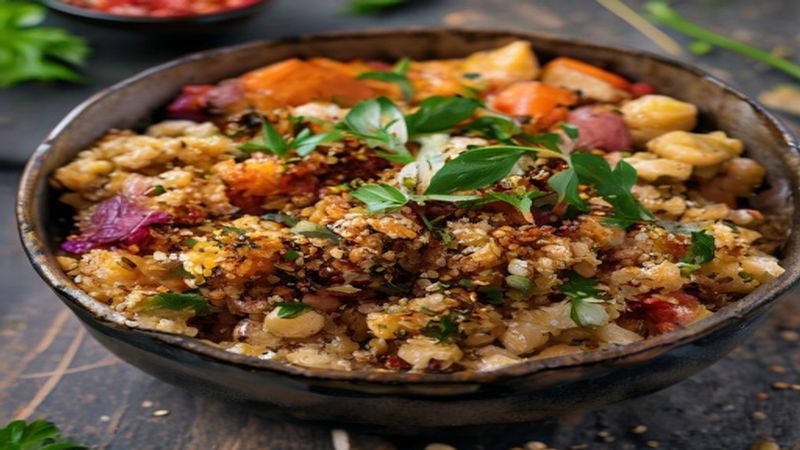
Mediterranean Quinoa Bowls
I still remember the exact Tuesday afternoon this bowl was born. My kitchen was a disaster zone from testing three different cookie recipes that completely flopped, and I had exactly twenty minutes before my stomach started making embarrassing noises. I opened the fridge, pulled out a nearly empty container of cooked quinoa, a jar of kalamata olives, a handful of cherry tomatoes, and a block of feta that was begging to be used up. Instead of scrambling for takeout, I tossed everything into a wide ceramic bowl, squeezed half a lemon over the top, drizzled it with olive oil, and took one bite. It was bright, deeply satisfying, and honestly better than half the restaurant meals I’ve paid twenty dollars for. That accidental lunch became a permanent fixture on my weekly menu. Over the years, I’ve refined the ratios, tested different herbs, and figured out exactly how to keep the grains light instead of heavy. What started as a pantry-clearing experiment turned into the recipe I now pack for my husband’s office lunches, serve at summer potlucks, and reach for whenever I need something that actually fuels my afternoon without making me sluggish. If you’ve been chasing a weeknight dinner that feels fresh, nourishes you deeply, and comes together faster than boiling pasta, you’re going to want this in your rotation.
Why You’ll Love This
- Ready in 25 minutes flat from start to finish, making it perfect for busy evenings.
- Naturally gluten-free and dairy-free when you skip the feta, which keeps it accessible for almost everyone.
- Meal-prep friendly because the components store beautifully and hold their texture for up to four days.
- Highly customizable since you can swap in roasted sweet potatoes, grilled chicken, or whatever vegetables are looking good at the market.
- Balanced macros in every bite with complete plant protein, complex carbs, and heart-healthy fats keeping you full for hours.
Ingredients Breakdown
The beauty of a bowl like this lies in the quality of the individual pieces. When each component shines, the whole dish elevates itself without any complicated techniques. Here’s what I look for when I’m shopping, and why it matters for the final flavor.
Quinoa: I always buy white or tri-color quinoa in clear bags so I can check the grain quality. Look for uniform, dry kernels with no visible moisture or clumping. If the bag feels damp or heavy, the quinoa has absorbed humidity and will turn mushy when cooked. Rinsing is non-negotiable, but starting with fresh, well-stored grains makes a massive difference.
Chickpeas: I keep both canned and dry chickpeas in my pantry. If you’re grabbing cans, check for low-sodium varieties and avoid any cans with dents, rust, or bulging lids. When you open them, the liquid should be clear, not cloudy or overly thick. For dry beans, look for smooth, uncracked skins and a uniform tan color. I prefer dry beans when I have time, but canned works beautifully if you rinse and dry them thoroughly before roasting.
Cucumber and Cherry Tomatoes: I buy Persian cucumbers because they have thin skins, fewer seeds, and a satisfying crunch that holds up against the dressing. Look for firm, heavy cucumbers with bright green coloring and no soft spots. For tomatoes, I want them plump, deeply red, and slightly fragrant at the stem. If they smell like nothing, they’ll taste like nothing.
Kalamata Olives: Skip the pre-pitted ones sitting in oil if you want real flavor. I look for olives packed in a salty brine. They should be glossy, deeply purple, and slightly firm to the touch. The brine keeps them from turning greasy, which keeps your bowl tasting clean instead of heavy.
Herbs and Lemon: Fresh parsley and mint are essential here. Look for vibrant, perky leaves with no yellowing or slimy stems. For lemons, I always squeeze the fruit before buying. If it feels rock-hard, it’s past its prime. A heavy, slightly yielding lemon will give you maximum juice and bright acidity to cut through the tahini.
Step-by-Step Instructions
- Place one cup of quinoa in a fine-mesh strainer and run it under cool tap water for exactly one minute, rubbing the grains gently with your fingers until the water runs completely clear. This removes the natural saponin coating that causes bitterness.
- Transfer the rinsed quinoa to a medium saucepan set over medium heat. Let the grains toast in the dry pan for sixty seconds, shaking the pan occasionally, until they smell deeply nutty and you hear a faint crackling sound.
- Pour in two cups of low-sodium vegetable broth and bring the liquid to a vigorous, rolling boil. As soon as bubbles break the surface, immediately drop the heat to the lowest setting, cover the pot with a tight-fitting lid, and simmer for exactly twelve minutes.
- While the grains cook, drain your chickpeas in a colander and spread them on a clean kitchen towel. Pat them completely dry with paper towels, removing every trace of moisture so they crisp properly instead of steaming.
- Toss the dried chickpeas in a mixing bowl with one tablespoon of extra-virgin olive oil, half a teaspoon of smoked paprika, a quarter teaspoon of garlic powder, and a pinch of sea salt. Spread them in a single layer on a parchment-lined baking sheet and roast at 400°F for fifteen minutes until the skins blister and develop a shattering, golden crust.
- In a small glass bowl, whisk together three tablespoons of tahini, the juice of one large lemon, one minced garlic clove, one teaspoon of pure maple syrup, and two tablespoons of warm water. Keep whisking vigorously until the mixture emulsifies into a silky, pale, pourable sauce that coats the back of a spoon.
- Remove the quinoa pot from the heat and let it sit, covered, for five minutes. This resting period allows the grains to finish absorbing the steam evenly. Uncover, fluff with a fork to release trapped heat, and divide it among four wide serving bowls.
- Arrange the roasted chickpeas, halved cherry tomatoes, thinly sliced cucumber, brined olives, and torn fresh herbs over the quinoa in organized sections or a colorful scatter, depending on your mood.
- Drizzle the lemon-tahini sauce generously over the top, finish with a fresh crack of black pepper, and serve immediately while the chickpeas are still warm and the vegetables are crisp.
Pro-Tips / Troubleshooting
What if my quinoa turns mushy? This almost always comes from excess liquid or skipping the rinse. Measure your broth with a standard liquid measuring cup, not the markings on your rice cooker. After cooking, always fluff it immediately with a fork to stop the residual heat from turning it into a dense block.
Why aren’t my chickpeas getting crispy? Moisture is the enemy here. If you skip the towel-drying step, the chickpeas will steam in their own skins. Make sure your oven is fully preheated to 400°F, and never crowd the baking sheet. Give them space to roast evenly, and resist the urge to stir them until they’ve baked for at least ten minutes.
My dressing turned into a thick paste. Tahini thickens rapidly when it hits acidic ingredients. The fix is simple: add warm water, one teaspoon at a time, while whisking constantly. The heat helps the emulsion break down and become glossy again. If it’s still too heavy, a splash of room-temperature olive oil will smooth it out.
Serving Suggestions
I usually serve these bowls on their own because they’re so complete, but I love offering a few extras when I’m having guests. Warm whole-wheat pita wedges are perfect for scooping up stray chickpeas and soaking up the tahini dressing. If you want to keep it light, a small side of quick-pickled red onions adds a sharp, tangy bite that cuts through the creaminess. For non-vegetarians, I often serve a side of lemon-herb grilled shrimp or pan-seared chicken thighs. A crisp, dry white wine like Sauvignon Blanc or a chilled glass of sparkling water with fresh mint leaves makes a wonderful beverage pairing. I also keep a jar of homemade harissa on the counter for anyone who wants to kick up the heat without changing the flavor profile.
Frequently Asked Questions
Can I make this recipe ahead of time for work lunches? Absolutely. I prep the quinoa, roast the chickpeas, chop the vegetables, and whisk the dressing on Sunday. Store the quinoa and chickpeas in airtight containers in the fridge, and keep the cucumbers and tomatoes separate so they don’t release water into the grains. Assemble each morning, drizzle the dressing right before eating, and everything will stay crisp and vibrant for four days.
What should I use instead of tahini if I’m allergic to sesame? I’ve tested several substitutes and my favorite is a blend of sunflower seed butter and a splash of lemon juice. It won’t taste identical, but it mimics the creamy, nutty texture perfectly. You can also use a simple Greek yogurt-based dressing with garlic and dill if dairy isn’t a concern.
Do I have to use vegetable broth for cooking the quinoa? Not at all, though it adds a subtle savory depth that water lacks. I frequently use plain filtered water when I’m short on time, and I simply adjust the salt in the dressing and on the roasted chickpeas to compensate. The bright herbs and lemon will carry the flavor regardless of your cooking liquid.
If you’re looking to upgrade your weeknight routine without buying a dozen new kitchen gadgets, I rely heavily on a solid, versatile appliance that handles roasting and reheating without drying out my ingredients. After testing dozens of models in my kitchen over the last few years, I finally found one that cooks chickpeas to perfection and reheats leftovers without turning them rubbery. You can check out the [Best Air Fryer I Recommend] if you want to streamline your bowl prep and get consistently crispy results every single time.
*As an Amazon Associate I earn from qualifying purchases.
发表回复