Intro
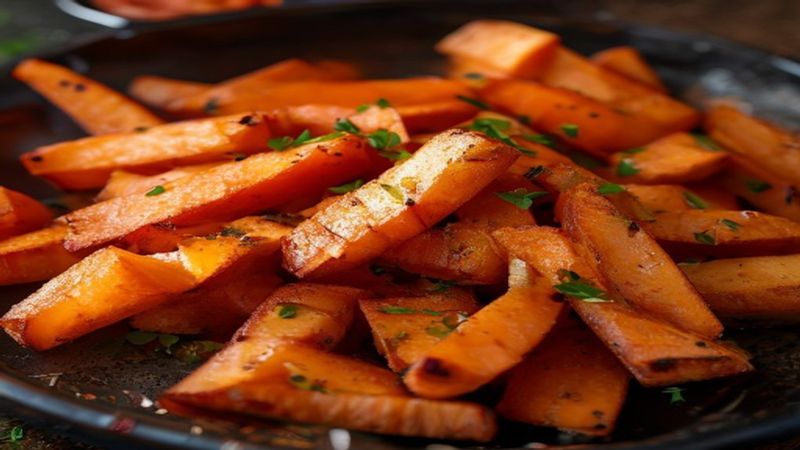
My kitchen used to smell like quiet disappointment every time I tried to make sweet potato fries. I would toss them onto a crowded baking sheet, wait for thirty minutes, and pull out a tray of limp, steamed vegetables instead of the crispy, caramelized perfection I craved. I spent months testing different oven temperatures, flipping them halfway, swapping out heavy aluminum pans, and honestly, I almost gave up on them completely. But I could not let a stubborn tuber win. After tweaking the method over and over, tracking moisture levels, and paying close attention to how different starches reacted under high heat, I finally cracked the code. It is not just about the temperature; it is about aggressive moisture removal, a precise starch coating, and giving them serious breathing room. Now, when I pull a pan out of my oven, the sound is unmistakable. That sharp, satisfying crackle when the fries hit the cooling rack means I have nailed it. I am sharing every single trick I learned along the way so you can skip the trial and error and go straight to the good stuff. Whether you are feeding a hungry crowd, packing a weekday lunch, or just craving a salty-sweet snack at midnight, this guide will completely change how you approach root vegetables.
Why You’ll Love This
- Guaranteed Crispiness: The double-dry method and light starch coating create a shatteringly crisp exterior every single time.
- Ready in Under 30 Minutes: Active prep takes less than ten minutes, and the oven does the heavy lifting while you set the table.
- Completely Plant-Based: No dairy, no eggs, and no animal products required, making it a perfect match for vegan and vegetarian meals.
- Customizable Flavor: Swap the paprika for smoked chili, add a pinch of rosemary, or keep it simple with sea salt and black pepper.
- Batch-Friendly: Easily scales up for game day, meal prep, or family gatherings without sacrificing texture.
Ingredients Breakdown
Getting the right ingredients is half the battle. I have learned that cheap shortcuts lead to soggy results, so here is exactly what to grab at the store and how to choose wisely.
Sweet Potatoes
Look for firm, heavy tubers with smooth, unblemished skin. I prefer the classic orange-fleshed variety because they caramelize beautifully and hold their shape during high heat roasting. Avoid any potatoes that feel soft, give under pressure, or have sprouting eyes, as they contain too much internal moisture and will never crisp properly. Uniformity is key, so pick two potatoes that are roughly the same size and shape. This guarantees they cook at the exact same rate without leaving you with a mix of burnt and raw pieces.
High-Heat Oil
You need an oil that can handle intense heat without smoking or turning bitter. Avocado oil is my absolute favorite because it has a neutral flavor and a smoke point well above 400°F. Refined olive oil or grapeseed oil work just as well. Skip the extra virgin olive oil for this recipe; it will burn before the fries develop that signature golden crust.
Cornstarch or Arrowroot Powder
This is the secret weapon. A light dusting of cornstarch or arrowroot absorbs surface moisture and creates a microscopic barrier that turns glassy and crisp in the heat. I use about one tablespoon per large potato. Arrowroot gives a slightly lighter, more delicate finish, while cornstarch delivers that classic diner-style crunch. Both work beautifully.
Seasoning Blend
Salt is non-negotiable, but I like to add smoked paprika, garlic powder, and a pinch of cayenne for depth. If you want to keep it simple, coarse sea salt and freshly cracked black pepper will never steer you wrong. Always apply your spices after the oil so they adhere evenly without burning.
Step-by-Step Instructions
- Prep and Slice: Scrub your sweet potatoes thoroughly under cold running water. Leave the skins on for extra texture and nutrients, or peel them if you prefer a smoother bite. Using a sharp chef’s knife, cut the potatoes into even ¼-inch thick sticks. Uniform pieces are crucial so everything cooks at the exact same pace and develops an even crust.
- Soak to Remove Starch: Immediately drop the cut fries into a large bowl filled with cold water. Let them sit for at least thirty minutes. You will notice the water turning cloudy as excess starch leaches out. This step prevents them from sticking together and burning in the oven.
- Dry Completely: Drain the water and spread the fries across a clean, lint-free kitchen towel. Pat them aggressively dry. I cannot stress this enough: moisture is the enemy of crispiness. They should feel bone-dry to the touch. Any lingering water will create steam, which leads to soft, disappointing results.
- Coat Lightly: Transfer the completely dry fries to a large, dry mixing bowl. Sprinkle the cornstarch or arrowroot powder evenly over the top. Toss gently until every single stick has a faint, matte dusting. Drizzle in your chosen oil and toss again until they glisten but are not dripping.
- Season and Arrange: Add your spice blend and toss one final time. Spread the fries in a single layer across two parchment-lined baking sheets. Do not crowd the pan. If they overlap or touch, they will steam instead of roast. I always bake on two sheets to guarantee maximum airflow and even browning.
- Roast Until Golden: Slide the pans into a preheated 425°F oven. Bake for twenty minutes, then carefully flip each fry with tongs. Return to the oven for another ten to fifteen minutes. Watch closely as they develop a deep, caramelized golden crust. They should sound hollow when tapped against the pan and feel firm to the touch.
- Cool and Serve: Pull them out and immediately transfer to a wire rack. Let them rest for three to five minutes. This brief cooling period allows the exterior to set into that satisfying, shatteringly crisp shell we all love.
Pro-Tips / Troubleshooting
Even with a solid recipe, ovens behave differently, and sweet potatoes vary in water content. Here is how to fix common issues before they happen.
What if my fries turn out soggy? This almost always means there was too much moisture in the pan. Make sure you are drying them thoroughly after soaking, and never skip the two-pan method. If your oven runs cool, increase the temperature by 15°F and extend the cooking time by five minutes. Also, avoid sealing them in a container while they are still warm; trapped heat will ruin the texture instantly.
Why are the edges burning before the centers cook? Your oil might be pooling in certain spots, or the pieces are cut too thin. Check your knife work and aim for consistent thickness. If you notice hot spots in your oven, rotate the baking sheets halfway through the bake and switch their rack positions from top to bottom.
Can I make these ahead of time? You can prep and dry the fries up to a day in advance. Store them in an airtight container lined with paper towels in the refrigerator. When you are ready to eat, toss with oil, starch, and seasoning right before roasting. They will not crisp up properly if coated too early.
Serving Suggestions
Crispy sweet potato fries are incredibly versatile. I love serving them straight off the pan with a sprinkle of flaky sea salt, but they shine even brighter when paired with the right dips and dishes. For a classic combo, whip up a quick chipotle mayo by mixing mayonnaise, lime juice, and a dash of adobo sauce. If you are leaning into a healthier route, a tangy Greek yogurt dip with fresh dill and lemon zest cuts through the natural sweetness perfectly.
They also make a fantastic side dish for hearty mains. I regularly pile them next to black bean burgers, grilled portobello mushrooms, or a simple roasted chicken with herb butter. For lunch, toss a handful over a warm kale salad with avocado and toasted pepitas. They add a satisfying crunch that transforms ordinary bowls into restaurant-quality meals. On busy weeknights, we often pair them with a quick black bean chili and a squeeze of fresh lime for a comforting, balanced plate.
FAQ Section
Can I use an air fryer instead of the oven?
Absolutely. The air fryer is actually one of my favorite tools for this recipe. Follow the exact same prep, drying, and coating steps, but work in smaller batches. Cook at 400°F for twelve to fourteen minutes, shaking the basket halfway through. You will get an even crispier result with less oil and faster cook times.
Why do my fries get soft so quickly?
Sweet potatoes naturally release moisture as they cool. The best way to maintain that golden crust is to serve them immediately after resting on the wire rack. If you must pack them for later, keep them in a paper bag rather than plastic or airtight containers, which trap steam and soften the exterior. Re-crisping in the oven or air fryer is always better than microwaving.
What is the best way to reheat leftovers?
Never use the microwave, as it will turn them mushy. Instead, spread the cold fries on a baking sheet and warm them in a 375°F oven for five to seven minutes until heated through and crisp again. An air fryer at 350°F for three minutes works just as well and brings back that original crunch.
If you are serious about getting perfect results every single time, investing in a reliable appliance makes a massive difference. I tested dozens of models before settling on the [Best Air Fryer I Recommend] for my daily cooking routine. The consistent airflow and precise temperature control take the guesswork out of achieving that perfect crunch, especially on rainy days when the oven just feels too slow.
*As an Amazon Associate I earn from qualifying purchases.
发表回复