A Little Story About My First Batch
There is a particular kind of magic that happens when the air turns crisp and my kitchen windows start to fog. I remember one of those evenings a few years ago, wrapped in a thick cable-knit sweater, desperately craving something golden, salty, and deeply comforting. I tossed sweet potato wedges onto a baking sheet, expecting crisp edges and soft centers, only to pull out a tray of limp, steamed vegetables. I sat there with a fork, sighing into my sweater while the rain tapped steadily against the glass. That quiet little kitchen failure actually sparked a gentle obsession. Over the next several months, I tested every method I could think of. I soaked them in ice water, tossed them in different starches, adjusted the oven rack, and learned to listen for the exact moment they stopped sizzling and started caramelizing. What I found was a simple, reliable rhythm that turns those naturally moist roots into perfectly crisp, caramelized fries. Now, whenever the leaves start to turn or the weekend slows down, I make a batch. They fill the house with a warm, earthy aroma that feels like a long hug. This guide shares everything I learned along the way, so you can skip the guesswork and head straight to the crispy, golden goodness we all want.
Why You’ll Love This
- They deliver that deeply satisfying crunch without needing a heavy batter or a pot of hot oil.
- The natural sweetness balances beautifully with a pinch of flaky sea salt and a whisper of smoked paprika.
- You only need a handful of pantry staples and about ten minutes of hands-on prep time.
- They hold their shape wonderfully, making them a reliable side dish for weeknight dinners or lazy weekend afternoons.
- The method works beautifully in a standard oven, giving you consistent results without any special equipment.
- They reheat nicely in a toaster oven or skillet, keeping your kitchen routine flexible.
Ingredients Breakdown
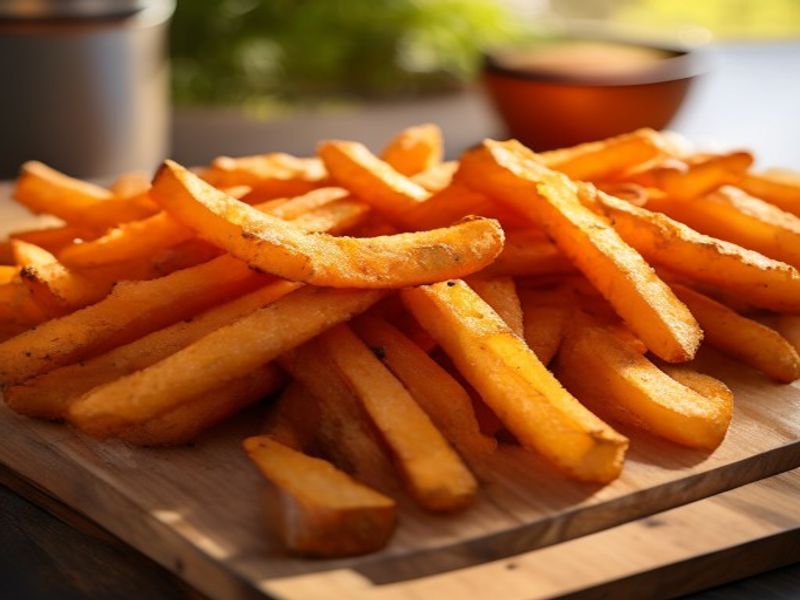
Getting the right foundation makes all the difference with sweet potatoes. Because they hold so much natural moisture, choosing carefully prevents that dreaded soggy middle. Start by looking for medium-sized tubers that feel firm, smooth, and heavy for their size. Avoid any with soft spots, wrinkled skin, or tiny sprouts, as these signs mean they have started to lose their moisture and will steam instead of crisp in the oven. I usually reach for the darker-skinned varieties, often labeled as Beauregard or Jewel, because they have a denser flesh that holds its shape beautifully when roasted. If you can, buy them unwashed and store them in a cool, dark pantry rather than the refrigerator, which can turn the starches gritty and change their flavor.
For the coating, a simple blend of arrowroot powder or fine cornstarch does wonders. The powder draws out surface moisture and creates a delicate, glassy shell that shatters when you bite into it. I keep a box of flaky sea salt and a small tin of smoked paprika within arm’s reach on the counter. A light drizzle of avocado oil or refined coconut oil works best because both have higher smoke points and won’t weigh down the fries. Freshly cracked black pepper and a whisper of garlic powder round out the flavor without overpowering that lovely, earthy sweetness. When you gather everything before you start chopping, the whole process flows smoothly and keeps your hands clean.
Step-by-Step Instructions
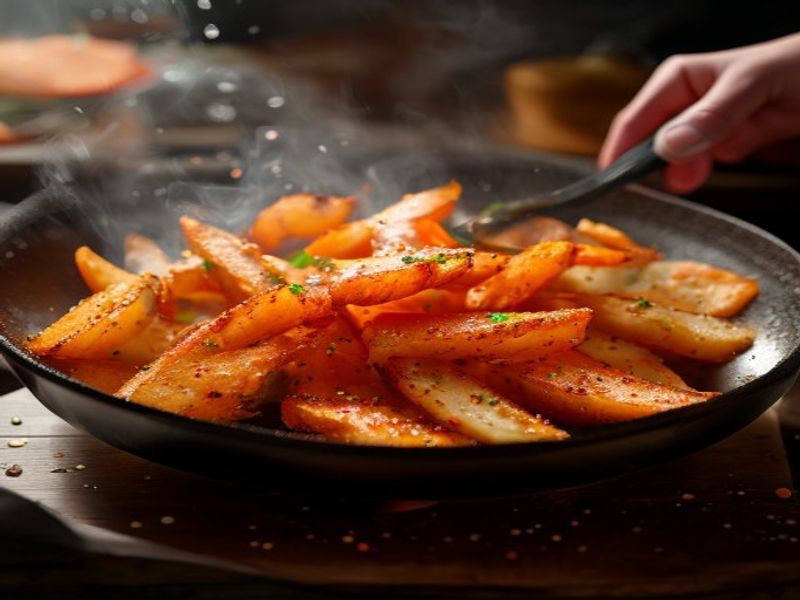
- Preheat your oven to 425°F and place a heavy rimmed baking sheet on the middle rack. Let it heat fully so the metal is properly hot when the fries make contact. A cold pan will cause the potatoes to release their juices too quickly.
- Peel the sweet potatoes if you prefer a smoother texture, or leave the skins on for extra earthiness. Slice them into even, quarter-inch matchsticks. Try to keep the width consistent so they bake at the same pace. You will hear a quiet, crisp snap as your knife moves through the dense flesh.
- Submerge the cut fries in a large bowl of very cold water for at least thirty minutes. Watch the water turn slightly cloudy as excess starch escapes. This step is the real secret to that satisfying crunch.
- Drain the water and spread the potatoes across a clean kitchen towel. Gently roll them and press down until every single piece is completely dry. Any lingering moisture will steam the coating, so take your time here.
- Transfer the dry fries to a large mixing bowl. Sprinkle two tablespoons of your chosen starch over the top and toss with your hands until each piece wears a light, matte coating. The texture should feel dry to the touch, not clumpy.
- Add two tablespoons of oil, a generous pinch of flaky salt, and half a teaspoon of smoked paprika. Fold everything together until the fries glisten evenly and the spices cling to the starch layer.
- Carefully arrange the fries in a single layer on your preheated baking sheet. Leave a little space between them so hot air can circulate freely. Crowding the pan will trap steam and ruin the crispness.
- Roast for twenty minutes, then carefully flip each piece using a thin spatula. Continue baking for another fifteen to eighteen minutes until the edges turn deep caramel brown and the centers yield to gentle pressure.
- Pull the tray from the oven and let the fries rest for two minutes on the hot metal. This brief pause allows the crust to firm up. Transfer to a serving bowl, finish with an extra sprinkle of salt, and enjoy the warm, crackling crunch.
Pro-Tips / Troubleshooting
Why Are My Fries Still Soggy?
The most common culprit is moisture hiding on the surface or in the oven air. Make sure your towel-drying step is thorough. If your kitchen tends to be humid, prop the oven door open slightly with a wooden spoon during the last five minutes of baking. This lets steam escape and forces the exterior to dry out and crisp. Also, avoid using parchment paper if your oven runs cool; placing them directly on the hot metal helps conduct heat faster.
How Do I Prevent Burning?
Sweet potatoes contain more natural sugars than regular potatoes, which means they caramelize quickly. If your oven runs hot or you notice the edges darkening too fast, lower the temperature to 400°F and extend the baking time by a few minutes. Keep an eye on them through the oven light during the final stretch, and rotate the pan halfway through to ensure even browning.
Can I Prep These Ahead of Time?
Absolutely. You can slice, soak, and thoroughly dry the potatoes up to a day in advance. Store them in an airtight container lined with a paper towel in the refrigerator. When you are ready to bake, simply toss them with the starch and oil right before they hit the hot pan. This saves precious time on busy evenings without sacrificing texture.
Serving Suggestions
These fries shine alongside almost anything, but I especially love pairing them with cozy, comforting mains. A thick slice of roasted chicken with rosemary and lemon makes a beautiful plate. For a vegetarian option, a warm bowl of black bean soup or a simple chickpea and avocado salad brings out their earthy sweetness. If you are serving them as a standalone snack, set out a small ramekin of chipotle aioli or a bright lemon-tahini drizzle for dipping. They also make a wonderful topping for loaded nachos or a hearty grain bowl. Keep a sprinkle of fresh parsley or finely chopped chives nearby for a pop of color and a touch of freshness that cuts through the richness.
FAQ Section
Do I really need to soak the potatoes?
While you can skip it, soaking is what transforms limp fries into crispy ones. The cold water pulls excess surface starch out of the potato, which prevents the pieces from sticking together and allows the exterior to dry faster in the oven. I always keep a bowl of ice water by my sink for this exact reason.
Why did my starch clump up?
Clumping usually happens when the potatoes are too wet when you add the coating. Always dry them completely before tossing with arrowroot or cornstarch. If you notice small lumps forming, just add a light drizzle of oil first to help the powder distribute evenly.
Can I use an air fryer instead of an oven?
Yes, the air fryer is fantastic for this recipe. Cook them at 380°F for about twelve minutes, shaking the basket halfway through. The rapid air circulation gives an even crispier result in less time, though you will need to work in smaller batches to avoid steaming.
If you find yourself craving these on weeknights and want to speed up the process even more, I highly recommend investing in a quality countertop model. It handles batches beautifully and keeps the kitchen from heating up. You can check out the Best Air Fryer I Recommend for reliable, even cooking every single time.
*As an Amazon Associate I earn from qualifying purchases.