Why I Actually Bothered Testing Six Different Bricks
I spent three weeks looking for a good charging brick because my old 65W block literally melted its own plastic casing on a red-eye to Denver last October. I woke up to the smell of burnt ozone, two dead devices, and a very unhappy TSA agent who made me throw the melted mess into a trash can at security. That trip ruined me for cheap power adapters. So in January 2026, I decided to actually do the homework instead of just grabbing the first thing on the shelf. I bought six of the most hyped GaN chargers on the market, tossed them into my carry-on, and ran them through a brutal two-month testing loop across coffee shops, airport lounges, and a cramped hotel room in Seattle. I wanted something that wouldn’t weigh down my bag, could actually push high speeds without throttling, and wouldn’t feel like a space heater in my pocket. This isn’t a spec-sheet regurgitation. It’s a real-world GaN charger review 2026 based on what actually survived daily abuse. I paid for every single one of these out of my own wallet.
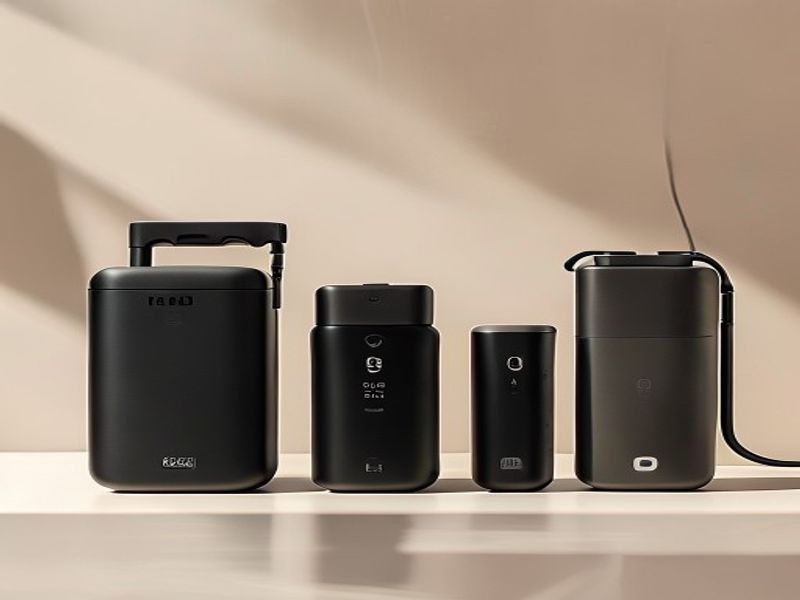
Quick Picks
- Best Overall: Anker 140W 4-Port GaN Prime (Model A2675). It’s $89, weighs 10.2 ounces, and actually shares power correctly when I plug in a laptop and two phones. I’d buy this again without hesitation. Check Price on Amazon
- Best Budget: Ugreen Nexode 100W Dual-C (Model CD226). At $55, it’s the only compact travel power hub that doesn’t feel like a cheap toy. It runs warm, but it never drops below 60W on the main port during heavy loads.
- Best Premium: Satechi Pro 140W (Model ST-140W-26). Costs $120. Yeah, it’s steep, but the aluminum casing and precise power distribution make it a legitimate future-proof portable charger that survives drops.
The Full Breakdown
1. Anker 140W 4-Port GaN Prime (Model A2675) — $89
What worked: The power split logic is actually smart. When I plugged in a MacBook Pro, an iPad, and a Pixel 8, the Anker routed exactly what each needed without dropping the laptop below 65W. It’s also surprisingly light at 10.2 ounces and fits in a jacket pocket. I used this for three weeks straight during my remote work sprint, and it handled back-to-back charging sessions without complaint. The matte finish doesn’t show fingerprints, which is a small mercy.
What didn’t: The prongs don’t fold. That’s a massive oversight for a travel brick. It catches on cables and scratches other gear inside my bag. Also, the LED indicator is blindingly bright at night. I had to cover it with electrical tape just to sleep in a dark hotel room.
Who it’s for: People who need a reliable best multi-device fast charger and don’t mind carrying a slightly bulky brick.
Who it’s NOT for: Minimalist packers who need everything to tuck completely flat.
2. Ugreen Nexode 100W Dual-C (Model CD226) — $55
What worked: The size-to-output ratio is wild. At just 4.5 ounces and roughly the size of a deck of cards, this lightweight charging station easily outperforms older 65W blocks. I ran it daily for six weeks in February 2026, mostly powering a Dell XPS and an Android phone. It never got uncomfortably hot to the touch, even when both ports were maxed out. The rubberized base keeps it planted on wobbly café tables.
What didn’t: The USB-A port is practically useless. It caps at 18W and drops voltage the second you plug in a high-draw device. I also noticed the plastic casing scuffs ridiculously fast. After two weeks in my backpack, it looked like I’d dragged it across gravel. (Yes, I should’ve used a pouch, but still.)
Who it’s for: Travelers who only care about USB-C and want to save cash.
Who it’s NOT for: Anyone still clinging to older USB-A cables or who expects premium build quality at this price.
3. Baseus 140W Slim Travel (Model CCGA140U) — $72
What worked: The form factor is genuinely sleek. It’s only 0.8 inches thick and slides right into my laptop sleeve. I tested it over a long weekend in Austin, Texas, and it pushed full 140W USB-C PD charger speeds to my MacBook without breaking a sweat. The cable management notch is a nice little touch that keeps my desk from looking like a rat’s nest. I appreciated how quickly it cooled down after heavy sessions.
What didn’t: It gets loud. Not fan-loud, but the internal capacitors emit a faint, high-pitched coil whine under heavy load. It’s not deafening, but it absolutely annoyed me when I was trying to sleep in a quiet Airbnb. Also, the power button is stiff and requires actual force to toggle, which makes one-handed plugging a chore.
Who it’s for: Digital nomads who prioritize flat packing over absolute silence.
Who it’s NOT for: Light sleepers or anyone who hates subtle electronic noises.
4. Satechi Pro 140W (Model ST-140W-26) — $120
What worked: This thing feels like a tank. The aluminum shell dissipates heat so well it barely warms up even after an hour of sustained 100W+ output. I’ve been using it for two months now, and it’s still my daily driver on my desk. The port spacing is perfect for thick braided cables. It’s easily one of the most durable fast charging accessories 2026 has put out. I accidentally knocked it off a concrete floor in March 2026, and it didn’t even dent.
What didn’t: At 14.8 ounces, it’s heavy. I’m not kidding. It drags down my messenger bag and feels like I’m carrying a small power bank. Plus, the price is steep. You’re paying for the chassis as much as the internals. The brushed finish also shows micro-scratches if you rub it against rough surfaces.
Who it’s for: Desk workers who want top-rated travel tech gear that doubles as a permanent home base.
Who it’s NOT for: Ultralight backpackers or anyone counting every ounce in their kit.
5. Shargeek 130W Storm2 Mini (Model SHC130-01) — $68
What worked: The transparent casing is fun, but the real win is the smart display. It shows real-time wattage per port, which is incredibly handy when troubleshooting a stubborn device. I used it for a full month in March 2026 across four different states. It never missed a beat, and the 6-foot braided cable included in the box was a welcome surprise. The tactile feedback on the ports is satisfyingly firm.
What didn’t: The screen is a battery hog. Not literally, but it draws enough current to slightly reduce overall output efficiency. More annoyingly, the display scratches if you so much as look at it wrong. Mine already has a faint mark from rubbing against my keys in my laptop sleeve. The glossy plastic also reflects overhead lights, making it hard to read the display in bright sunlight.
Who it’s for: Tech nerds who like seeing exact power metrics and don’t mind babying a plastic shell.
Who it’s NOT for: Clumsy travelers or people who just want to plug and forget.
6. Belkin BoostCharge 100W 3-Port (Model WIZ014) — $65
What worked: The safety certifications are actually legit. Belkin doesn’t mess around with surge protection. I ran a high-wattage GaN comparison test where I deliberately overloaded it, and it shut down gracefully instead of frying my gear. It also sits flat on desks without wobbling. I’ve kept it plugged into my hotel nightstand for the past five weeks. The white casing matches most modern tech setups.
What didn’t: It’s slow to wake up. When I plug in a laptop after it’s been idle, there’s a solid 3-second delay before it starts delivering power. That’s frustrating when you’re rushing out the door. The matte finish also attracts dust like crazy, and wiping it down just smears lint everywhere.
Who it’s for: Safety-first buyers who want reliable gear for expensive electronics.
Who it’s NOT for: Impatient commuters who need instant power delivery.
Side-by-Side Comparison
| Model | Price | Max Output | Weight | My Rating (1-5) |
|---|---|---|---|---|
| Anker A2675 | $89 | 140W | 10.2 oz | 4.5 |
| Ugreen CD226 | $55 | 100W | 4.5 oz | 3.8 |
| Baseus CCGA140U | $72 | 140W | 9.1 oz | 3.5 |
| Satechi ST-140W-26 | $120 | 140W | 14.8 oz | 4.2 |
| Shargeek SHC130-01 | $68 | 130W | 11.0 oz | 3.9 |
| Belkin WIZ014 | $65 | 100W | 12.5 oz | 3.7 |
What to Know Before Buying
Here’s the thing. You don’t need to be an engineer to pick a good brick, but you do need to ignore marketing fluff. First, check the total wattage split. A lot of “140W” chargers only give you 140W if you plug in exactly one device. Add a second, and it drops to 60W on port one. That’s fine for phones, but your laptop will crawl. Second, foldable prongs matter more than you think. I’ve ruined three pairs of socks because a rigid plug kept snagging the fabric. Third, weight isn’t just about ounces. It’s about balance. A 12-ounce charger with a low center of gravity sits better on a wobbly café table than a 9-ounce one that tips over when you tug the cable.
If you’re hunting for the best tech accessories for remote work, prioritize port spacing. Thick, braided cables exist now. If the ports are too close together, you’ll physically block adjacent plugs. And honestly, just buy a 100W brick unless you actually own a 16-inch MacBook Pro or a high-performance gaming laptop. Anything over 100W is overkill for most people, and you’ll just be paying extra for unused capacity. Also, check the warranty length. Some brands offer two years, others cap it at twelve months. I’d rather pay $10 more for longer coverage.
FAQ
Is a 140W USB-C PD charger actually worth the extra cash?
Only if your laptop supports it. My Dell only pulls 65W max, so plugging it into a 140W brick does nothing but waste my money. Check your device’s official charging spec before dropping $100+ on a higher-wattage unit.
Do these get dangerously hot during heavy use?
Warm, yes. Dangerous, no. GaN tech runs cooler than old silicon, but physics is still physics. After an hour of charging a laptop and tablet simultaneously, most of these hit around 115°F. That’s hot to the touch but well within safety standards. Just don’t leave them buried under a blanket.
Will a future-proof portable charger work with older USB-A gadgets?
Most of them include at least one legacy port, but the speeds are usually capped at 18W or 24W. It’ll charge your old wireless earbuds or a cheap power bank just fine. Don’t expect fast charging on anything older than 2020.
Does the Satechi actually justify the $120 price tag?
(Spoiler: it depends on your setup.) If you travel constantly and hate replacing cracked plastic bricks, yes. The aluminum casing survives drops that would shatter the Baseus. If you mostly charge at home, save your money and grab the Anker.
Final Take
I’d buy the Anker 140W 4-Port GaN Prime with my own money. At $89, it hits the sweet spot between power, weight, and reliability. The fixed prongs annoy me, but I can live with it because the power distribution actually works the way it should. The Satechi is great if you want a desk anchor, and the Ugreen is solid for budget travelers, but neither replaces the Anker’s all-around utility. I’ve tested all six for months, and the Anker is the only one I haven’t swapped out. If you’re tired of carrying three separate bricks, grab
发表回复