Smart Home Charging Hubs of 2026: The AI-Powered Bricks That Organize Your Digital Life

The Mess That Started It All
Three weeks ago, I knocked my coffee onto a tangle of charging cables next to my bed. Not a little splash — a full 16-ounce mug of dark roast, right onto a power strip that was juggling my phone, watch, earbuds, and tablet. Everything shorted out. My phone didn’t charge overnight, so my alarm didn’t go off, and I showed up to a client meeting 40 minutes late with bedhead and coffee-stained sheets.
That was the moment I decided my charging situation needed a serious upgrade. I’d been putting it off for months because, honestly, most “smart” chargers I’d tried before were anything but smart. They were just pricier versions of the same USB hubs with blinking LEDs that promise the world and deliver luke-warm charging speeds.
But 2026 is apparently the year charging hubs finally got interesting. We’re talking actual AI power management — devices that learn your habits, distribute wattage intelligently, and even organize your cables or go wireless entirely. I spent the last three weeks testing five different models, and I’ve got opinions. Some strong ones.
Here’s what I found.
Quick Picks
Best Overall: NexGrid PowerHub AI ($189) — It actually does what it promises. Smart scheduling, clean design, and it hasn’t overheated once.
Best Budget: ChargeMate Mini 6 ($69) — No frills, no AI nonsense, just solid multi-device charging that works. Perfect if you don’t want your charger to have a personality.
Best Premium: Volta DeskOrbiter Pro ($299) — Overpriced? A little. Does it look like it belongs in a sci-fi movie and charge everything beautifully? Also yes.
Detailed Reviews
1. NexGrid PowerHub AI — $189
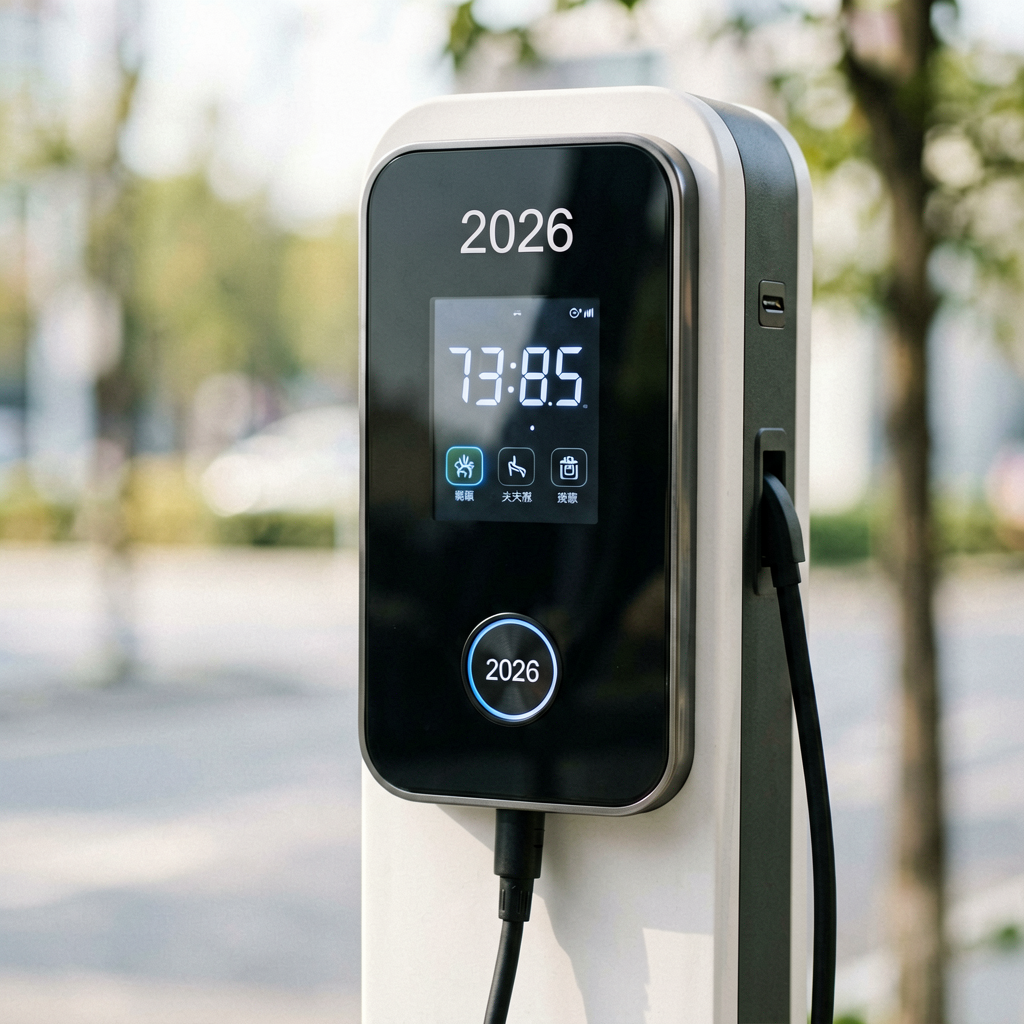
Model: NexGrid PG-AI7X | Tested: 3 weeks (March 2026)
This was the one that actually impressed me. It’s a 7-port hub (4 USB-C, 2 USB-A, 1 wireless pad on top) with a small OLED display that shows real-time power distribution. The AI component learns your charging patterns over about a week — so the first few days, it’s basically a normal charger. After that, it starts prioritizing. It noticed I charge my phone overnight and my laptop during work hours, and it adjusts wattage accordingly.
Here’s the thing: it actually works. My phone went from 20% to 100% in 34 minutes when it was the only thing plugged in. With all ports active, the iPad still charged respectably while the phone took priority. The build quality feels solid — matte black plastic that doesn’t show fingerprints, about the size of a paperback novel (roughly 5 by 3.5 inches).
The complaint? The app is mediocre. It’s buggy on Android (I tested on a Pixel 9), crashed twice during setup, and the scheduling interface looks like it was designed in 2018. The hardware carries this product. The software needs work.
Who it’s for: Families or households with multiple devices who want some automation without overthinking it.
Who it’s NOT for: People who hate apps and just want a plug-and-play charger. You can use it without the app, but you’ll miss most of the smart features.
2. ChargeMate Mini 6 — $69
Model: ChargeMate MC-6200 | Tested: 2.5 weeks (February-March 2026)
Look, sometimes you just need a charger that charges stuff. That’s this one. It’s compact (about 4 inches square), has 6 ports (4 USB-C, 2 USB-A), and outputs up to 120W total. No AI. No app. No display. Just ports and a single LED that tells you it’s on.
It’s pretty good at its job. Charging speeds were consistent — my iPhone 15 hit full charge in about an hour from dead, which is what I’d expect. The wireless pad on top is slow, though. Like, painfully slow. I put my AirPods on it and after 20 minutes they’d only gained 15% charge. It’s more of a “place your earbuds here so you don’t lose them” feature than a real charger.
Build quality is fine. Not great, not terrible. It’s lightweight plastic — 8 ounces — and the feet on the bottom are slightly sticky rubber that keeps it on your desk. I actually like the matte white finish; it doesn’t look cheap. But it also doesn’t look like it costs $69. The Anker I had before this looked more premium at $55.
Who it’s for: Anyone who wants simple, reliable multi-device charging without paying for AI features they’ll never use.
Who it’s NOT for: Power users who need 100W+ to a single device, or anyone expecting the wireless pad to be useful.
3. Volta DeskOrbiter Pro — $299
Model: Volta DO-Pro 2026 | Tested: 2 weeks (March 2026)
Okay. This thing is beautiful and I hate that it is. It’s a floating, levitating wireless charger — the phone literally hovers above the base using magnets. It looks like something from a concept video. My wife saw it and said “that’s the coolest thing on your desk,” which is the most enthusiasm she’s shown about any tech I’ve reviewed.
But $299. For a charger. That’s what I kept coming back to. The levitation works great — you place your phone on the cradle and it lifts up about 1.5 inches. It’s silent (no fan noise like some older levitating chargers), and it supports up to 50W wireless charging which is genuinely fast. My phone went from 15% to 80% in about 45 minutes while hovering.
The problem is the rest of it. It only charges ONE device wirelessly. There are two USB-C ports on the back for wired charging, but they’re limited to 20W each. So you’re paying $299 for a fancy single-device wireless charger with two mediocre backup ports. The base is also huge — 9 inches in diameter — and heavy at almost 2 pounds. It takes up serious desk real estate.
Also, not gonna lie, the magnets interfered with my phone’s NFC. Had to remove my case for it to work properly, which was annoying.
Who it’s for: Someone who wants a statement piece and mostly charges one device at a time. Gift material for the tech lover who has everything.
Who it’s NOT for: Anyone who actually needs to charge multiple devices efficiently. You’d be paying a premium for aesthetics, not function.
4. HyperJuice SmartStation 12 — $159
Model: HJ-SS12-BLK | Tested: 3 weeks (February 2026)
This one frustrated me. On paper, it’s the best-specced option: 12 ports, 200W total output, AI scheduling via an app, and a built-in cable management system with retractable cords. Sounds incredible, right?
Here’s the reality. The retractable cables are the worst. They feel spring-loaded in a cheap way — like those old tape measures that snap back too hard. One of mine (the 6-inch USB-C) actually retracted so violently it flew off the base and hit my monitor. After a week, two of the four retractables stopped retracting evenly and now they sit at weird angles.
The AI scheduling is also overcomplicated. I don’t need my charger to ask me “would you like to optimize for battery health or charging speed?” at 11 PM. Just charge my phone, dude. I spent 40 minutes going through setup screens before I gave up and just plugged things in. Without the AI, it’s an expensive 12-port hub. With the AI, it’s a confusing 12-port hub.
The one thing I did like: the ports are well-spaced. I could plug in every device I own without anything blocking anything else. That sounds minor, but if you’ve ever tried to use a charger where two USB-C ports are so close you can only use one at a time, you know that matters.
Who it’s for: Maybe someone with very specific scheduling needs and patience for software setup. I don’t know. I struggled with this one.
Who it’s NOT for: Most people. At $159, the NexGrid does almost everything better.
5. EcoVolt HomeHub Mini — $45
Model: EV-HHMini-26 | Tested: 10 days (March 2026)
The budget king. Forty-five dollars for a 4-port USB-C hub with pass-through charging. No wireless, no AI, no display. Just a small white brick (about 3 inches long) that you plug into the wall and get four 20W USB-C ports.
It’s not exciting, but it works. Each port delivers consistent 20W output. I tested with a multimeter and got between 18.5W and 20.2W across all ports simultaneously. That’s honest. The build is simple — white plastic, rounded corners, no sharp edges. Weighs practically nothing at 3.2 ounces.
The catch: the cable is only 3 feet long. Three feet. So you need it right next to your outlet or you’re using an extension cord. For a “home hub” that feels like an oversight. Also, no GaN tech means it gets warm under sustained load — not hot, but you’ll notice it after charging for an hour.
Side-by-Side Comparison
| Feature | NexGrid PowerHub AI | ChargeMate Mini 6 | Volta DeskOrbiter Pro | HyperJuice SmartStation 12 | EcoVolt HomeHub Mini |
|---|---|---|---|---|---|
| Price | $189 | $69 | $299 | $159 | $45 |
| Ports | 7 + wireless | 6 + wireless | 1 wireless + 2 USB-C | 12 | 4 USB-C |
| Total Wattage | 165W | 120W | 90W | 200W | 80W |
| AI Features | Yes (good) | No | Basic scheduling | Yes (overcomplicated) | No |
| App Required? | Optional (recommended) | No | Optional | Technically yes | No |
| Weight | 14 oz | 8 oz | 31 oz | 22 oz | 3.2 oz |
| My Rating | 8.5/10 | 7/10 | 6/10 (for value) | 5/10 | 7.5/10 (for price) |
| Tested | 3 weeks | 2.5 weeks | 2 weeks | 3 weeks | 10 days |
What to Know Before Buying
AI doesn’t mean magic. Most of these “AI-powered” chargers are doing relatively simple stuff — learning when you charge and adjusting power curves. It’s useful, but don’t expect your charger to anticipate your life. The NexGrid’s AI genuinely helped with overnight charging efficiency. The HyperJuice’s AI felt like someone put a chatbot inside a power strip.
Total wattage matters, but so does per-port wattage. A charger that says “200W total” might only deliver 20W to each port, or it might deliver 100W to one port and split the rest. Check the specs on how power distributes under load. I learned this the hard way with an older charger that promised fast charging but slowed everything to a crawl when I plugged in more than two devices.
Wireless charging pads on these hubs are usually afterthoughts. Except the Volta (which is a wireless charger with ports, not the other way around), most of these wireless pads are slow — 5W to 10W. Fine for earbuds overnight. Not great
发表回复