Introduction
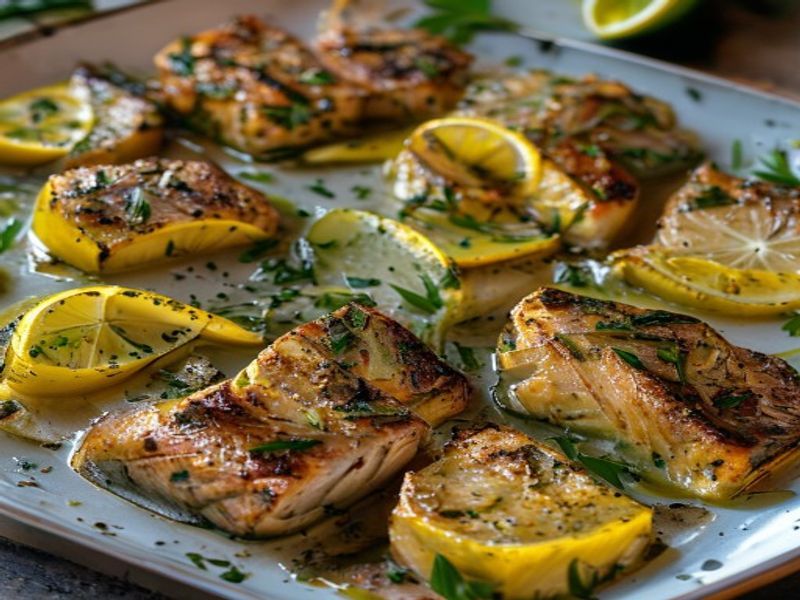
This easy recipe delivers a homemade, healthy meal that maximizes flavor while minimizing cleanup. The sheet pan method relies on high, direct heat to caramelize the exterior while keeping the interior tender. By combining the broad surface area of a heavy-gauge sheet pan with the concentrated heat retention typically associated with a cast iron skillet, you achieve professional searing without constant monitoring. This technique works reliably for home cooks at any skill level because it eliminates guesswork through precise temperature control and timed staging. The bright lemon herb marinade cuts through the natural richness of the fish, while the aromatics infuse the flesh during roasting. Follow the steps exactly, and you will consistently produce restaurant-grade results in under twenty minutes.
What You’ll Need
Ingredients
- 4 salmon fillets: 6 ounces each, skin-on, center-cut for uniform thickness
- Extra virgin olive oil: 3 tablespoons total (2 tablespoons for pan, 1 tablespoon for marinade)
- Lemons: 2 large, zested and juiced (yields approximately 1/4 cup juice)
- Fresh dill: 2 tablespoons finely chopped
- Fresh parsley: 2 tablespoons finely chopped
- Fresh thyme: 1 tablespoon leaves only
- Garlic: 3 cloves, minced
- Kosher salt: 1.5 teaspoons total
- Black pepper: 3/4 teaspoon freshly cracked
- Cherry tomatoes: 1 pint, halved
- Asparagus: 12 ounces, woody ends trimmed
Equipment
- 13×18 inch half-sheet pan with 1-inch rim (heavy-gauge aluminum preferred)
- Parchment paper or food-grade silicone baking mat
- Instant-read digital thermometer [Check Price on Amazon]
- Citrus zester and microplane
- Small mixing bowl and silicone pastry brush
- Thin metal fish spatula
Prep Work
Proper mise en place ensures consistent cooking and prevents the salmon from drying out. Remove the fillets from refrigeration and let them rest on a wire rack at room temperature for exactly 15 minutes. Cold protein hitting a hot surface drops the ambient temperature and causes uneven steaming. While the fillets rest, pat every surface completely dry with paper towels. Surface moisture is the primary enemy of browning; trapped water vapor will create a dull, rubbery exterior instead of a crisp crust.
Zest both lemons, then juice them. Combine the juice, 1 tablespoon olive oil, minced garlic, dill, parsley, thyme, 3/4 teaspoon kosher salt, and 1/2 teaspoon black pepper in a small bowl. Whisk vigorously until emulsified. Set aside. Trim the asparagus by bending each spear until it naturally snaps, discarding the bottom third. Halve the cherry tomatoes. You can prep the lemon herb mixture up to 4 hours in advance and refrigerate it in an airtight container. Do not apply the acidic emulsion to the raw fish until immediately before cooking, as the citric acid will begin to denature the proteins and create a mushy texture.
Cooking Instructions
- Preheat and line: Preheat your oven to 400°F / 200°C with the rack positioned in the center. Line the 13×18 inch sheet pan with parchment paper. Do not use wax paper, as it will smoke and degrade at this temperature.
- Season and arrange vegetables: Toss the asparagus and cherry tomatoes with 2 tablespoons olive oil, 1/2 teaspoon kosher salt, and 1/4 teaspoon black pepper directly on the pan. Spread them evenly in a single layer, leaving a clear 3-inch gap in the center for the fish. Overcrowding traps steam and prevents proper caramelization.
- Prepare the salmon: Place the room-temperature fillets skin-side down in the center gap. Season the top surfaces generously with the remaining 1/2 teaspoon kosher salt and 1/4 teaspoon pepper. The skin acts as a natural thermal barrier, protecting the delicate flesh from direct contact with the hot metal.
- Apply the marinade: Using a silicone pastry brush, coat the top of each fillet evenly with the lemon herb mixture. Reserve half of the liquid for basting later. The oil in the emulsion will conduct heat evenly across the protein.
- Roast: Transfer the pan to the oven. Roast for exactly 12 minutes. Do not open the oven door during the first 8 minutes, as heat loss disrupts the Maillard reaction and extends cooking time unpredictably.
- Baste and check: At the 12-minute mark, carefully pull the pan out and brush the reserved mixture over the fillets. Watch for the edges to turn opaque white, approximately 1/2 inch up the sides of each piece. The surface should appear glossy, not dull or milky.
- Finish cooking: Return to the oven for 2 to 4 additional minutes. The exact time depends on fillet thickness. Insert your instant-read thermometer into the thickest part of a fillet. Target an internal temperature of 125°F / 52°C. The residual heat will carry it to a perfect 135°F / 57°C during resting. If the thermometer reads below 120°F / 49°C, roast for 1 more minute.
- Rest and serve: Remove the pan from the oven and let the salmon rest undisturbed for exactly 5 minutes. Resting allows the muscle fibers to relax and redistribute juices. The flesh should flake easily when gently pressed with a fork. Slide a thin metal spatula under the skin to release it from the parchment, then plate.
Common mistake to avoid: Flipping the salmon or moving it prematurely. Let the skin bond to the pan before attempting to lift it. If it resists, it is not ready.
Pro Tips
- I find that scoring the skin lightly with a sharp paring knife before roasting prevents curling and ensures even contact with the hot surface, yielding a consistently crisp base without the need for heavy pressing.
- In my experience, letting the fish rest undisturbed for exactly five minutes after roasting is the difference between dry flakes and a moist, restaurant-quality texture. Skipping this step forces juices to escape onto the cutting board instead of staying in the meat.
- Herb timing matters: Delicate herbs like dill and parsley lose their volatile oils when exposed to prolonged high heat. Reserve one tablespoon of fresh chopped herbs to sprinkle over the salmon immediately after resting. This preserves the bright, grassy notes that define the dish.
- Substitutions that work: If fresh herbs are unavailable, use 1 tablespoon of dried oregano and 1 teaspoon of dried dill in the marinade. Dried herbs require hydration, so let the mixture sit for 10 minutes before brushing. You can also swap the asparagus for broccoli florets or green beans; adjust roasting time by 2 minutes if using denser vegetables.
- Make-ahead strategy: The lemon herb emulsion can be prepared 2 days in advance. The salmon can be portioned, wrapped tightly in plastic, and stored for up to 24 hours. Keep it on the bottom shelf of your refrigerator to prevent cross-contamination.
Serving Suggestions
This healthy meal pairs best with neutral starches that absorb the citrus-herb pan juices. Serve each portion over 3/4 cup of cooked quinoa or farro. A side of roasted fingerling potatoes or a simple arugula salad with shaved fennel provides necessary textural contrast. For portion guidance, allocate one 6-ounce fillet per adult, plus 1 cup of roasted vegetables. The dish scales linearly: for six servings, use two standard half-sheet pans to maintain proper airflow and prevent overcrowding.
FAQ
Can I use frozen salmon for this recipe?
Yes, but you must thaw it completely first. Transfer the vacuum-sealed fillets to the refrigerator 24 hours before cooking, then pat them thoroughly dry. Do not cook from frozen, as the exterior will overcook before the center reaches a safe temperature.
How do I know when it’s done without a thermometer?
Gently press the center of the thickest fillet with your finger. Properly cooked salmon will offer slight resistance and separate into clean flakes when nudged with a fork. The flesh should transition from translucent orange to opaque pink. If it feels mushy, it is undercooked; if it resists entirely, it is overdone.
Can I prep this entirely ahead of time?
You can prep the vegetables and herb mixture up to 24 hours in advance. Do not assemble the pan until you are ready to roast. Acidic marinades left on raw fish for more than 30 minutes will denature the proteins, resulting in a mushy texture.
How should I store and reheat leftovers?
Store cooled salmon in an airtight container in the refrigerator for up to 3 days. Reheat gently at 275°F / 135°C for 10 minutes, or until the internal temperature reaches 110°F / 43°C. High heat will dry out the protein and ruin the delicate herb flavors.
*As an Amazon Associate I earn from qualifying purchases.