Introduction
This 20-Minute Sheet-Pan Harissa-Lemon Chicken Thighs recipe delivers consistent, restaurant-quality results through precise heat management and strategic flavor layering. By roasting at high temperature on a single sheet pan, boneless thighs develop a deeply caramelized exterior while retaining maximum internal moisture. The technique eliminates multiple cooking vessels, making it an ideal easy work from home lunch or quick weeknight lunch. Harissa provides complex, smoky heat, while fresh lemon juice and zest cut through the fat to create a balanced spicy citrus chicken. This method requires minimal knife work and relies on exact timing rather than advanced culinary training, making it highly accessible for home cooks. The resulting dish is a reliable anchor for meal prep chicken bowls, offering a high-protein lunch that maintains texture and flavor through refrigeration. Follow this guide to execute a quick healthy lunch that performs reliably for gluten free lunch prep and everyday rotation.
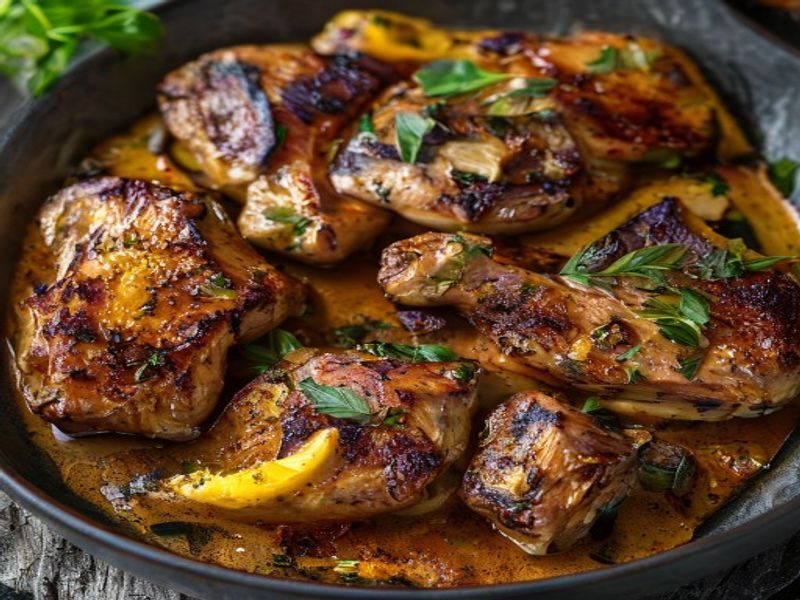
What You’ll Need
Ingredients
- 1.5 pounds (680g) boneless, skinless chicken thighs: Trim visible connective tissue and pat completely dry. Uniform thickness ensures even cooking.
- 3 tablespoons (45ml) high-quality harissa paste: Select a tube or jar with minimal fillers. Adjust down to 1.5 tablespoons for milder heat.
- 2 tablespoons (30ml) extra virgin olive oil: Use a stable, neutral-tasting oil for the marinade base.
- Zest and juice of 1 large lemon: Yields approximately 3 tablespoons (45ml) juice. Reserve zest separately to preserve volatile oils.
- 1 teaspoon (5g) kosher salt: Diamond Crystal preferred for accurate volume measurement.
- 1/2 teaspoon (2.5g) freshly cracked black pepper: Coarse grind provides better aromatic release than pre-ground.
- 1 teaspoon (5g) smoked paprika: Adds depth without competing with harissa.
- 2 cloves (8g) garlic, finely grated: Use a microplane to create a paste that distributes evenly.
- 8 ounces (225g) cherry tomatoes: Leave whole. Firm skins prevent excessive bursting during high-heat roasting.
- 1 medium (150g) red onion, sliced 1/4-inch half-moons: Uniform cuts guarantee synchronized caramelization.
- 1 tablespoon (15g) unsalted butter, cold: Added late to emulsify pan juices and promote final browning.
Equipment
- Heavy-duty rimmed baking sheet (18×13 inches) with flat surface for consistent heat distribution
- Food-safe parchment paper or silicone baking mat
- 12-inch stainless steel mixing bowl
- Instant-read digital thermometer [Check Price on Amazon]
- Microplane zester and flexible silicone spatula
- Kitchen tongs with locking mechanism
Prep Work
Proper preparation dictates the success of sheet pan chicken thighs. Remove chicken from refrigeration 10 minutes before seasoning to take the initial chill off. Cold meat drops oven temperature and steams instead of roasting. Pat every surface thoroughly dry with three layers of paper towels; residual moisture creates a barrier that prevents the Maillard reaction. In a 12-inch mixing bowl, whisk together harissa paste, olive oil, lemon juice, lemon zest, kosher salt, black pepper, smoked paprika, and grated garlic until a homogenous emulsion forms. Add chicken thighs and toss until every surface is coated. Allow the mixture to rest at room temperature for exactly 5 minutes. This brief marination window lets the acid begin tenderizing the outer muscle fibers without turning them mushy.
While chicken rests, slice the red onion into uniform half-moons and leave cherry tomatoes intact. Place a rimmed baking sheet in the center oven rack. Preheat oven to 425°F / 220°C. If your oven features convection, engage the fan for more efficient heat transfer. Line the cold sheet pan with parchment paper before arranging ingredients. The marinade can be mixed and the chicken coated up to 4 hours in advance, stored covered in the refrigerator. Always return to room temperature for 10 minutes before cooking to ensure proper thermal equilibrium.
Cooking Instructions
- Arrange on Pan: Place coated chicken thighs on the prepared sheet pan in a single layer, maintaining at least 1/2 inch of space between pieces. Scatter red onions and cherry tomatoes into the gaps. Why this matters: Overcrowding traps steam, which lowers surface temperature and prevents browning. Spacing ensures direct radiant heat contact for a proper crust.
- Initial Roast: Slide pan into preheated oven at 425°F / 220°C. Roast for exactly 12 minutes without opening the oven door or moving ingredients. What to watch for: The harissa will darken to a deep mahogany, chicken edges will slightly curl upward, and cherry tomatoes will begin to blister and split. Mistake to avoid: Do not stir or flip during this phase. Disturbing the pan resets the browning process.
- Flip and Baste: Carefully remove pan using oven mitts. Using kitchen tongs, flip each thigh to expose the uncooked side. Add cold butter directly to the hot pan. It will melt and sizzle within 15 seconds. Use a silicone spatula to brush the melted butter and pan juices over the chicken and vegetables. Why this matters: Butter carries fat-soluble flavor compounds and lowers the water activity on the surface, accelerating the final caramelization stage.
- Finish Roasting: Return pan to oven. Cook for 5-7 minutes until the internal temperature reaches exactly 165°F / 74°C at the thickest point. Visual and tactile cues: Meat should feel firm but yield slightly under pressure. Juices should run completely clear, not pink or cloudy. Vegetables will show deep, glossy caramelization. Common mistake: Relying solely on color. Harissa naturally darkens, so a thermometer is non-negotiable for accuracy.
- Rest and Slice: Remove pan from oven. Transfer chicken to a clean cutting board or leave on the pan to rest for 3 minutes. Resting allows muscle fibers to relax and reabsorb expelled moisture. Slice against the grain if serving immediately, or portion whole for storage.
Pro Tips
I find that toasting the harissa paste in a dry pan for 30 seconds before mixing with oil unlocks volatile aromatics that remain muted in raw form. This brief thermal activation significantly deepens the flavor profile without adding complexity to your prep routine. If you prefer bone-in thighs for added richness, increase the total roasting time to 16-18 minutes and always probe near the bone where heat penetrates slowest. For substitutions, preserved lemon rind can replace fresh zest to introduce a fermented, salty brightness, while Aleppo pepper provides a milder, fruity alternative to smoked paprika. In my experience, reheating refrigerated portions at 325°F / 165°C for exactly 8 minutes in a covered dish restores texture far better than microwave steaming, which rapidly degrades the protein structure.
Serving Suggestions
For a complete quick healthy lunch, pair each portion with 1 cup cooked quinoa, farro, or riced cauliflower. The neutral base absorbs the spicy citrus chicken juices effectively. Add 2 tablespoons toasted slivered almonds or pumpkin seeds for textural contrast. Each serving of 2 thighs delivers approximately 35g of protein, making it ideal for high protein lunch recipes. Serve alongside a simple bitter green salad tossed with 1 teaspoon olive oil and a squeeze of fresh lemon to balance the richness. For meal prep chicken bowls, layer grains at the bottom, add roasted vegetables and chicken, and seal immediately. This configuration prevents cross-moisture and maintains structural integrity for up to 4 days in the refrigerator.
FAQ
Can I use frozen chicken thighs?
No. Frozen meat releases significant moisture during the initial roasting phase, which drops the pan temperature and creates steam instead of a crust. Always thaw completely in the refrigerator for 12-18 hours, drain any accumulated liquid, and pat thoroughly dry before seasoning. Starting with frozen meat will extend cooking time unpredictably and compromise texture.
How do I know when it’s done?
Use an instant-read digital thermometer inserted into the thickest part of the thigh without touching the pan or parchment. The target is exactly 165°F / 74°C. Visual indicators include a firm exterior that yields slightly to pressure, completely clear juices, and vegetables that have collapsed slightly with deep browning. Color alone is unreliable due to the dark harissa marinade.
Can I prep this ahead for the week?
Yes. You can mix the marinade and coat the chicken up to 24 hours in advance, storing it covered in the refrigerator. Bring to room temperature for 10 minutes before roasting. Cooked portions store safely in airtight containers for 4 days. Keep vegetables and chicken in separate compartments until reheating to prevent the grains from absorbing excess liquid and turning soggy.
What if I want less spice?
Reduce the harissa paste to 1.5 tablespoons and add 1 tablespoon of tomato paste to maintain the rich, savory base. The lemon juice will still provide the necessary acidity to cut through the fat. You can also substitute half the harissa with roasted red pepper paste for a sweeter, milder profile while preserving the Mediterranean character.
*As an Amazon Associate I earn from qualifying purchases.
发表回复