Introduction
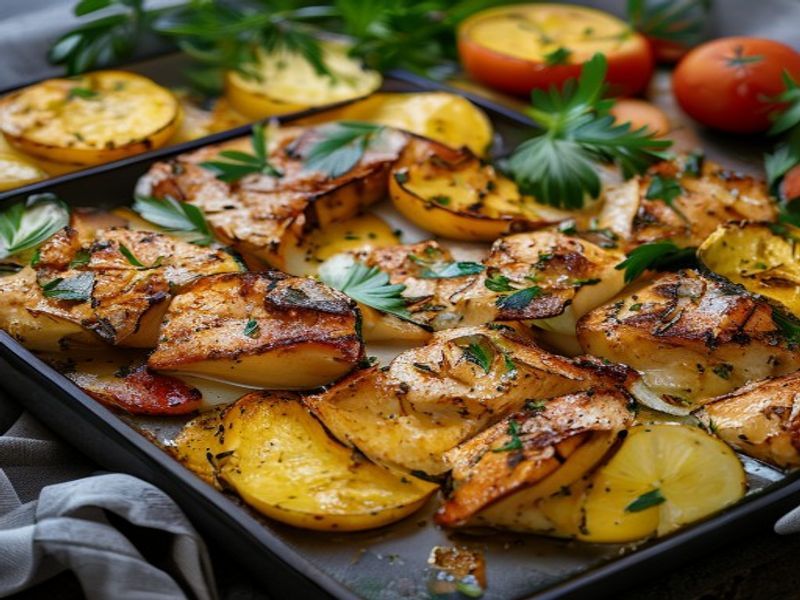
This sheet pan chicken and potato combination delivers restaurant-quality results with minimal cleanup and maximum flavor. The success of this easy dinner hinges on three core techniques: proper acid-fat emulsification, strategic pan spacing, and controlled high-heat roasting. By using a balanced marinade of extra virgin olive oil, fresh lemon juice, and dried oregano, the meat stays moist while developing a deeply caramelized exterior. The potatoes absorb the rendered poultry juices and citrus-herb mixture, transforming into crispy, golden-edged wedges. This lemon chicken greek recipe is designed for intermediate home cooks who want reliable, repeatable results without guesswork. Follow the exact temperatures, timing, and spacing guidelines below to ensure consistent execution every time.
What You’ll Need
Ingredients
- Chicken thighs, bone-in, skin-on: 4 pieces (approximately 1.5 pounds / 680g total). Skin-on thighs retain moisture better than breasts during high-heat roasting.
- Yukon Gold potatoes: 1.5 pounds / 680g, roughly 4 medium potatoes. Their medium starch content yields a creamy interior with crisp edges.
- Extra virgin olive oil: 5 tablespoons total (3 tablespoons for marinade, 2 tablespoons for roasting). High-quality EVOO provides the flavor base.
- Fresh lemon juice: 1/4 cup / 60ml (from approximately 2 large lemons). Always strain to remove pulp and seeds.
- Lemon zest: 1 tablespoon, finely grated from the lemons before juicing.
- Garlic: 4 cloves, finely minced or pressed.
- Dried oregano: 2 teaspoons. Greek oregano is preferred for its earthy, peppery notes.
- Dijon mustard: 1 teaspoon. Acts as an emulsifier and tenderizer.
- Kosher salt: 1.5 teaspoons total (1 teaspoon for marinade, 1/2 teaspoon for potatoes).
- Black pepper: 1 teaspoon freshly cracked.
- Kalamata olives: 1/2 cup / 75g, pitted and halved. Add in the final 10 minutes.
- Fresh parsley: 2 tablespoons, finely chopped for garnish.
Equipment
- Heavy-duty rimmed baking sheet: 18 x 13 inches (half-sheet pan). Avoid thin aluminum; it causes hot spots and burning.
- Instant-read thermometer: [Check Price on Amazon] Essential for verifying doneness without cutting into the meat.
- Large mixing bowls: Two (one for marinade, one for potatoes).
- Paper towels: For thoroughly drying chicken skin before seasoning.
Prep Work
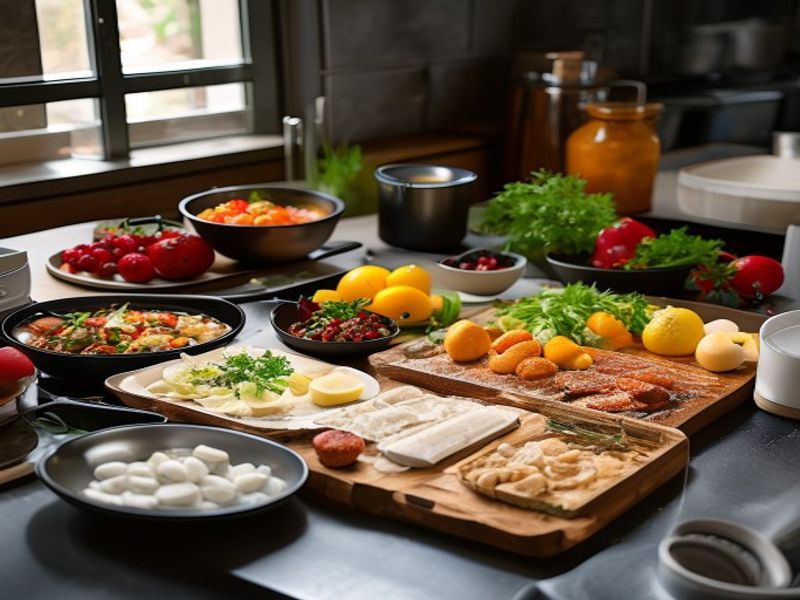
Proper mise en place ensures smooth execution and prevents overcooking while searching for ingredients. Start by bringing the chicken to room temperature for exactly 20 minutes before cooking. Cold meat straight from the refrigerator will steam instead of roast, resulting in pale, rubbery skin. While the chicken rests, wash and dry the potatoes. Cut them into uniform 1-inch wedges to guarantee even cooking. Submerge the cut potatoes in cold water for 10 minutes to remove excess surface starch, then drain and pat completely dry with clean kitchen towels. Moisture is the enemy of crispness.
Prepare the marinade by whisking together 3 tablespoons olive oil, 1/4 cup fresh lemon juice, 1 tablespoon lemon zest, 4 minced garlic cloves, 2 teaspoons dried oregano, 1 teaspoon Dijon mustard, 1 teaspoon kosher salt, and 1 teaspoon black pepper in a small bowl. The acid and mustard will emulsify into a thick, cohesive liquid that clings to the chicken. Place the chicken in a large bowl, pour half the marinade over it, and toss to coat. Reserve the remaining half for tossing with the potatoes. The chicken can be marinated for up to 12 hours in the refrigerator, but remove it 20 minutes before roasting to reach optimal cooking temperature.
Cooking Instructions
- Preheat oven and prepare pan: Set your oven to 425°F / 220°C. Place an empty heavy-duty rimmed baking sheet on the middle rack during preheating. Heating the pan before adding food jumpstarts the searing process and prevents sticking. While the oven heats, pat the marinated chicken skin completely dry with paper towels. This step is non-negotiable; any residual moisture will steam the skin.
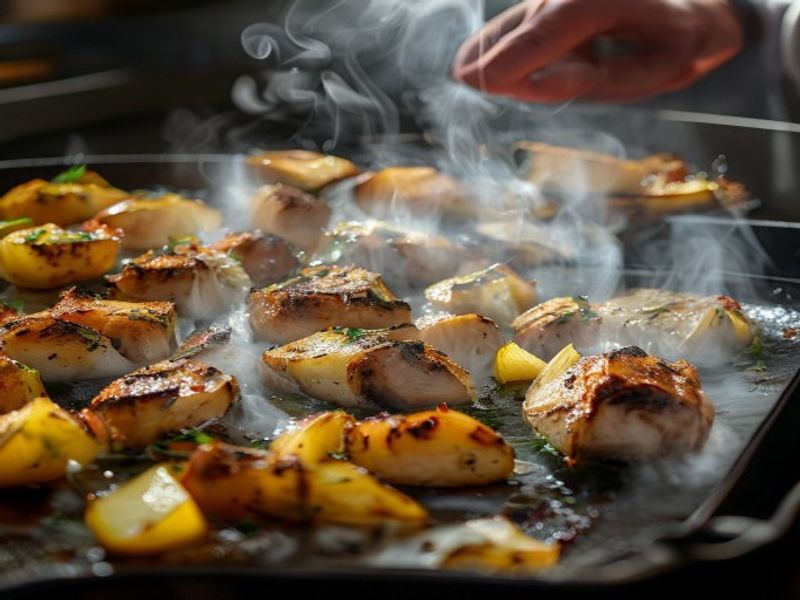
- Arrange and roast potatoes first: Carefully remove the hot sheet pan from the oven. Drizzle 1 tablespoon of olive oil onto the pan and swirl to coat. Spread the potato wedges in a single layer with at least 1/4 inch of space between each piece. Sprinkle evenly with 1/2 teaspoon kosher salt. Roast for 15 minutes undisturbed. You will hear a steady sizzle when the potatoes hit the pan; if the sound is silent, your oven or pan is not hot enough.
- Add chicken and continue roasting: After 15 minutes, pull the pan out and carefully nestle the chicken pieces among the potatoes, skin-side up. Do not cover or overlap the chicken. Pour the reserved marinade over the potatoes and chicken. Return to the oven and roast for 35-40 minutes. Halfway through the roasting time (at the 20-minute mark), rotate the pan 180 degrees for even browning. The oven door should remain closed during the first 25 minutes to maintain consistent heat.
- Check for doneness and finish: At 35 minutes, verify the internal temperature by inserting an instant-read thermometer into the thickest part of the chicken, avoiding the bone. The target is 165°F / 74°C. The skin should be deeply golden brown and crisp, and the potatoes should yield easily to a fork with caramelized, browned edges. If the chicken reaches temperature but the potatoes need more crispness, move the pan to the top rack and broil at 450°F / 230°C for 2-3 minutes, watching constantly to prevent burning.
- Rest and serve: Remove the pan from the oven and let the chicken rest for exactly 5 minutes before plating. Resting allows the muscle fibers to relax and reabsorb juices. Scatter the halved Kalamata olives over the hot pan during this resting period so they warm through without turning mushy. Garnish with 2 tablespoons fresh chopped parsley and serve immediately.
Pro Tips
Maximize Crispy Skin: I find that adding a light dusting of baking powder (1/2 teaspoon mixed into the marinade) to the chicken skin dramatically accelerates the Maillard reaction and draws out surface moisture. The result is consistently crackling skin, even in humid kitchens.
Prevent Bitter Lemon: If your lemons are particularly tart or the marinade sits for over 6 hours, the citric acid can break down the chicken proteins too aggressively, creating a mushy texture. In my experience, adding 1 teaspoon of honey to the marinade buffers the acidity and promotes better browning without altering the Greek flavor profile.
Substitutions That Work: Boneless, skinless chicken breasts can replace thighs, but reduce the roasting time to 20-25 minutes and pull them at 155°F / 68°C, as they will continue cooking during the rest. Russet potatoes work in a pinch but require parboiling for 5 minutes first to ensure they cook through without burning.
Make-Ahead Strategy: You can fully prep the chicken, potatoes, and marinade up to 24 hours in advance. Store the chicken and potatoes separately in airtight containers in the refrigerator. Combine everything and roast exactly as directed. Do not add the fresh lemon juice until you are ready to roast, as prolonged acid exposure will degrade the chicken texture.
Serving Suggestions
This sheet pan chicken, lemon chicken, and greek recipe combination is designed as a complete easy dinner. Portion one chicken thigh and approximately 3/4 cup of roasted potatoes per adult. The dish pairs exceptionally well with a crisp, high-acid green salad tossed in a simple red wine vinaigrette to cut through the rich olive oil and rendered chicken fat. For a more traditional presentation, serve alongside warm pita bread and a dollop of tzatziki or whipped feta cheese. Leftovers store beautifully in the refrigerator for up to 3 days and can be reheated in a 350°F / 175°C oven for 10 minutes to restore the potato crispness.
FAQ
Can I use frozen chicken or potatoes?
No. Frozen chicken will release excessive water as it thaws in the oven, creating a steaming environment that prevents browning and extends cooking time unpredictably. Frozen potatoes contain ice crystals that turn to steam, resulting in a soggy, pale exterior. Always use fully thawed, room-temperature ingredients for consistent roasting.
How do I know when it’s done?
Visual cues alone are unreliable for bone-in poultry. Always verify doneness with an instant-read thermometer inserted into the thickest part of the thigh, avoiding contact with the bone. The safe target is 165°F / 74°C. If the thermometer reads 160°F / 71°C, remove it from the oven immediately; the carryover cooking during the mandatory 5-minute rest will bring it to the safe temperature while keeping the meat juicy.
Can I prep this ahead?
You can prep the components 12-24 hours in advance, but do not assemble the full pan and refrigerate it for longer than 2 hours before roasting. The salt and acid will draw moisture from the potatoes and chicken, creating a wet marinade that prevents the skin from crisping. Keep the marinade separate until 20 minutes before you place the pan in the preheated oven.
Why are my potatoes still hard after 35 minutes?
This typically results from overcrowding the pan or using potatoes that are too large. Ensure each wedge has at least 1/4 inch of clearance for proper air circulation. If your wedges exceed 1 inch in thickness, parboil them in salted water for 4 minutes, drain thoroughly, and rough up the edges with a fork before roasting to accelerate interior cooking.
*As an Amazon Associate I earn from qualifying purchases.
发表回复