Introduction
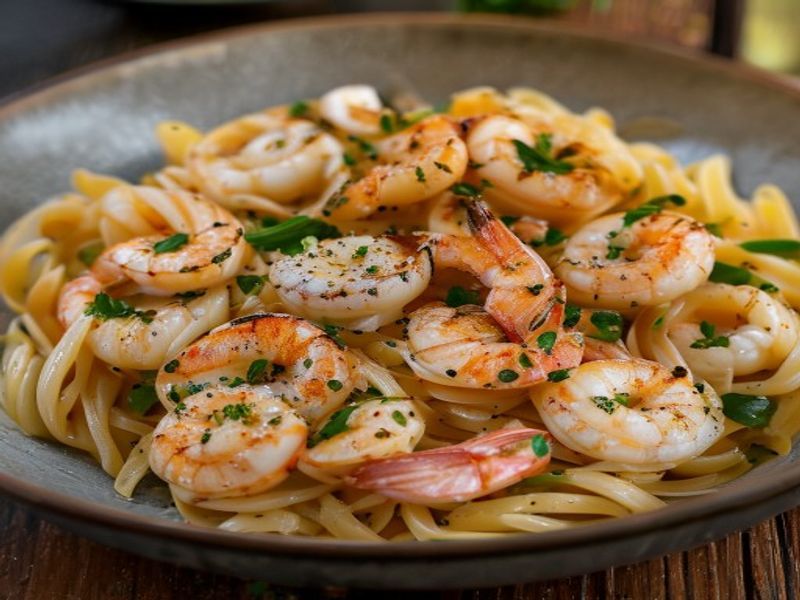
This 15-minute garlic butter shrimp pasta delivers restaurant-quality results through controlled heat management and precise emulsification. Designed as an efficient quick dinner for busy weeknights, the recipe relies on a simple but critical technique: building a stable garlic butter emulsion with starchy pasta water to create a glossy, clinging sauce. This easy recipe is ideal for cooks with intermediate pan skills who want consistent, high-quality results without complex steps. You will learn how to properly sear seafood without overcooking, time your pasta boil to match sauce development, and recognize the exact visual cues for a perfectly balanced dish. The method eliminates common pitfalls like watery sauces or rubbery shrimp by prioritizing sequential ingredient addition and temperature control. Whether you are cooking for two or scaling for a family, the ratios remain consistent and the workflow is streamlined for maximum kitchen efficiency.
What You’ll Need
Ingredients
- 1 pound (450g) large shrimp, peeled and deveined (21/25 count per pound)
- 8 ounces (225g) linguine or fettuccine, dry weight before cooking
- 4 tablespoons (56g) unsalted butter, divided into two 2-tablespoon portions, kept cold
- 2 tablespoons (30ml) extra-virgin olive oil
- 6 cloves garlic, finely minced (approx. 2 tablespoons)
- 1/4 cup (60ml) dry white wine, such as Pinot Grigio or Sauvignon Blanc
- 1/2 cup (120ml) reserved pasta cooking water
- 1/4 teaspoon (1.5g) kosher salt, plus additional for boiling water
- 1/4 teaspoon (0.5g) freshly cracked black pepper
- 2 tablespoons (5g) fresh Italian parsley, finely chopped
- 1/2 teaspoon (1g) red pepper flakes (optional, for controlled heat)
Ingredient Notes: Use wild-caught or high-quality farmed shrimp. The shell-on variety offers superior flavor but requires extra prep time. Cold butter is essential for the final emulsion step; warm butter will separate instantly upon contact with hot liquid.
Equipment
- 12-inch stainless steel skillet with a heavy, flat bottom for even thermal distribution
- Large 6-quart stockpot with a tight-fitting lid
- Instant-read digital thermometer [Check Price on Amazon]
- Heavy-duty kitchen tongs and a heat-resistant silicone spatula
- 1-cup liquid measuring cup for pasta water extraction
Prep Work
Proper mise en place is non-negotiable for a recipe with this aggressive timeline. Begin by thawing shrimp completely if frozen, then arrange them in a single layer on a double thickness of paper towels. Pat them completely dry on all surfaces; residual surface moisture will drop the pan temperature and cause steaming instead of searing. Lightly season the dried shrimp with 1/4 teaspoon kosher salt and 1/4 teaspoon black pepper. Keep them refrigerated at 38°F / 3°C until exactly 3 minutes before cooking to maintain firm protein structure.
Mince the 6 garlic cloves uniformly to 1/8-inch pieces. Uneven mincing will cause smaller fragments to burn while larger pieces remain harsh and raw. Chop the parsley and measure all liquids into separate containers. Bring a large pot of water to a rolling boil and salt it heavily at a ratio of 1.5 tablespoons of kosher salt per 4 quarts of water. The water should taste distinctly like seawater. All dry components can be prepped up to 4 hours ahead. Store the minced garlic and chopped herbs in separate airtight containers in the refrigerator. Do not combine the garlic with the butter until the moment of cooking, as prolonged contact will extract harsh sulfur compounds and dull the sauce flavor.
Cooking Instructions
- Boil the pasta: Drop 8 ounces of linguine into the heavily salted, rolling boiling water. Set a timer for exactly 7 minutes. You want the pasta slightly undercooked (al dente minus 1 minute) since it will finish absorbing liquid in the pan. Stir vigorously for the first 15 seconds to prevent sticking.
- Heat the skillet: While pasta boils, place your 12-inch stainless steel skillet over medium-high heat. Add 2 tablespoons of olive oil. Heat until the oil shimmers, ripples, and reaches approximately 375°F / 190°C. In my experience, this precise temperature is critical; too cool and the shrimp will release water and stew, while too hot will instantly scorch the garlic in the following step.
- Sear the shrimp: Carefully lay the dried shrimp into the hot oil in a single layer. Do not overcrowd the surface; cook in two batches if necessary. Sear undisturbed for exactly 90 seconds per side. Look for an opaque white color with pink edges and a faint golden crust forming on the bottom. Remove immediately to a clean plate once flipped. Internal temperatures exceeding 180°F / 82°C during active cooking will guarantee a tough, rubbery texture.
- Build the garlic butter base: Reduce heat to medium-low (approximately 275°F / 135°C surface temperature). Add the remaining 2 tablespoons of cold butter and the minced garlic. Stir constantly with a silicone spatula for exactly 60 seconds. Watch for the garlic to turn pale gold and release a nutty, toasted aroma. If it begins to darken rapidly, pull the pan off the burner immediately to prevent bitter acrid notes.
- Deglaze and emulsify: Pour in 1/4 cup of dry white wine to deglaze the fond. Let it simmer vigorously for 45 seconds until reduced by half. Add 1/2 cup of reserved starchy pasta water. Bring the mixture to a gentle simmer, then add the final 2 tablespoons of cold butter, one piece at a time, whisking constantly. This creates a stable, glossy emulsion. The sauce should coat the back of a spoon evenly and leave a clean line when you draw a finger through it.
- Combine and finish: Transfer the partially cooked pasta directly into the skillet using tongs (do not drain completely; let it drip starch into the sauce). Add the seared shrimp and any accumulated resting juices. Toss continuously over low heat for exactly 2 minutes. The pasta will absorb the liquid and reach perfect doneness. The final dish should look cohesive, with the sauce clinging to the noodles rather than pooling at the pan bottom.
- Season and plate: Remove from heat entirely. Fold in the chopped parsley and red pepper flakes. Taste and adjust with an additional pinch of salt only if necessary. Plate immediately while hot. The entire workflow from pasta drop to service takes exactly 15 minutes.
Common Mistake to Avoid: Adding warm or melted butter during the emulsification stage will break the sauce, leaving a greasy, separated pool at the bottom. Always use refrigerated butter and incorporate it slowly off direct high heat to maintain the fat-water suspension.
Pro Tips
- Emulsion Control: The key to a professional-quality sauce is the starch-to-fat ratio. If your mixture appears thin, add 2 tablespoons more pasta water and increase your tossing speed for 30 seconds. The mechanical agitation forces the liquid and fat to bind into a stable colloid.
- Substitutions: If you cannot use alcohol, substitute the white wine with a 1:1 mixture of low-sodium chicken broth and fresh lemon juice. For a dairy-free version, replace the final butter with 3 tablespoons of high-quality extra-virgin olive oil, though the mouthfeel will be noticeably lighter.
- Make-Ahead Strategy: You cannot fully pre-cook and reheat this dish without compromising the shrimp texture or breaking the sauce. However, you can prep the garlic, herbs, and shrimp up to 24 hours in advance. Store them separately in the refrigerator at 38°F / 3°C. Always cook the pasta fresh to guarantee optimal starch release.
- I find that using a combination of cold-start butter and vigorous off-heat tossing yields the most stable emulsion every single time. Professional kitchens rely on this cold-fat incorporation method to prevent broken sauces during high-volume dinner service.
Serving Suggestions
This recipe yields exactly two generous portions or three moderate portions. The rich, emulsified sauce pairs best with high-acid, lightly dressed vegetables to cut through the butterfat. Serve alongside a simple arugula salad with shaved Parmesan and a bright lemon vinaigrette, or roasted broccolini tossed with olive oil and flaky sea salt. For beverage pairing, continue with the same dry white wine used in the sauce. A chilled Pinot Grigio or Vermentino at 45°F / 7°C will complement the garlic and butter without overpowering the delicate seafood. Avoid heavy, tannic reds, which will clash with the shrimp and amplify any metallic notes from the iodine.
FAQ
Can I use frozen shrimp?
Yes, but they must be fully thawed in the refrigerator overnight and patted completely dry. Never cook shrimp straight from frozen in this recipe, as the rapid temperature drop will ruin the emulsion and cause the pan to steam rather than sear. Properly thawed shrimp will also cook predictably, allowing you to hit the 90-second sear window accurately.
How do I know when the shrimp is perfectly done?
Properly cooked shrimp will curl into a loose “C” shape and turn uniformly opaque white with pink accents along the back. The internal temperature should read exactly 120°F / 49°C when removed from the pan, as carryover cooking will safely bring it to the 145°F / 63°C threshold. If the shrimp forms a tight “O” shape, it has been overcooked and will be tough.
Can I prep this dish entirely ahead of time?
No. The sauce relies on fresh starch emulsification, and reheating will break the butter matrix and overcook the shrimp. You can, however, prepare all components separately and store them in the refrigerator for up to 24 hours. Reheat the sauce base gently, add freshly cooked pasta, and fold in room-temperature shrimp just before serving to maintain optimal texture.
*As an Amazon Associate I earn from qualifying purchases.
发表回复