Introduction
This high-protein pork curry with teriyaki glaze delivers a balanced, restaurant-quality meal in under 40 minutes. The recipe leverages lean pork loin, which provides approximately 30 grams of protein per serving, while the curry base builds deep, layered aromatics without relying on heavy cream. The teriyaki glaze adds controlled sweetness and a glossy finish that contrasts perfectly with the savory spice profile. Designed as an easy recipe for a homemade quick dinner, this dish requires fundamental knife skills and heat management but remains highly approachable for home cooks. You will learn how to properly sear lean meat, build a spice base without burning, and reduce a glaze to the correct viscosity. Follow the temperatures and visual cues precisely, and you will achieve consistent, tender results every time.
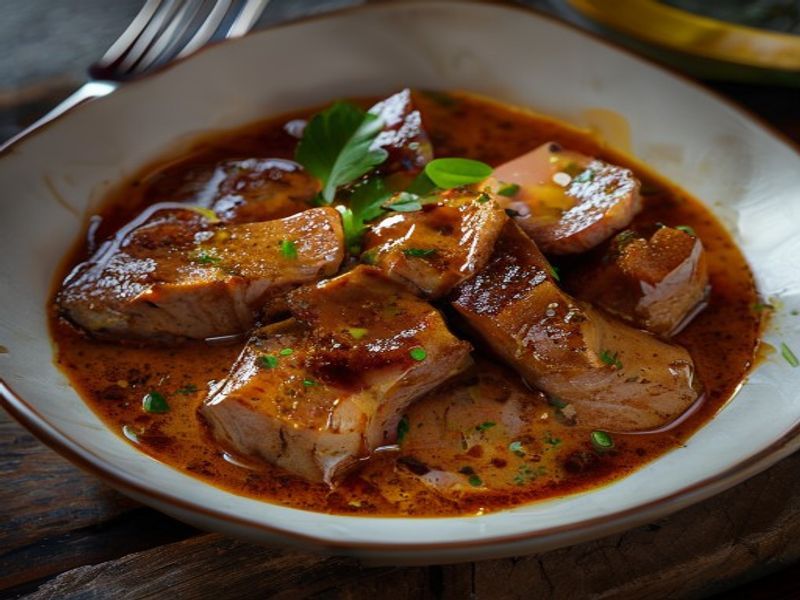
What You’ll Need
- Pork loin: 1.5 pounds (680g), boneless, trimmed of excess fat, cut into 1-inch cubes. Choose a center-cut piece with uniform marbling for even cooking.
- Neutral oil: 2 tablespoons (30ml), such as grapeseed or avocado, selected for a high smoke point.
- Fresh ginger: 1.5 tablespoons (22g), finely grated. Use firm, unwrinkled roots.
- Garlic: 4 cloves (12g), minced. Avoid pre-minured jarred varieties.
- Yellow onion: 1 medium (150g), diced into 0.5-inch pieces.
- Curry powder: 2 tablespoons (16g), Japanese or Madras blend.
- Ground turmeric: 1 teaspoon (2g).
- Low-sodium chicken broth: 1 cup (240ml).
- Light coconut milk: 0.5 cup (120ml).
- Soy sauce or tamari: 3 tablespoons (45ml).
- Mirin: 1.5 tablespoons (22ml).
- Granulated sugar: 1 tablespoon (15g).
- Rice vinegar: 1 teaspoon (5ml).
- Cornstarch: 1 tablespoon (8g) mixed with 2 tablespoons (30ml) cold water.
- Scallions: 2 stalks, thinly sliced for garnish.
Equipment Needed: 12-inch heavy-bottomed stainless steel or cast iron skillet, instant-read digital thermometer [Check Price on Amazon], microplane grater, sharp 8-inch chef’s knife, heat-resistant silicone spatula, and standard measuring tools.
Prep Work
Begin by pulling the pork loin from refrigeration 15 minutes before cooking. Allowing the meat to reach 60°F / 15°C ensures even searing and prevents a tough exterior. While the pork rests, measure all liquids and dry spices into separate prep bowls. Mince the garlic and grate the ginger using a microplane for maximum surface area and even distribution. Dice the onion uniformly to guarantee synchronized softening during the sauté phase. Combine the soy sauce, mirin, sugar, and rice vinegar in a small bowl and whisk until the sugar dissolves completely. Prepare the cornstarch slurry by mixing it with cold water; do not use warm water, as it will clump prematurely. Store all components in the refrigerator if prepping more than 30 minutes ahead, but bring them back to room temperature before heating begins to maintain thermal consistency in the pan.
Cooking Instructions
- Heat the pan: Place the 12-inch skillet over medium-high heat. Add 2 tablespoons of oil and heat to 350°F / 175°C. Test by dropping a single drop of water in the pan; it should sizzle and evaporate instantly. If the oil smokes heavily, reduce heat immediately to avoid bitter, oxidized flavors.
- Sear the pork: Pat the pork cubes completely dry with paper towels. Moisture creates steam, which prevents browning. Add the pork in a single layer with 0.5-inch spacing between pieces. Sear undisturbed for 3 minutes until a deep golden crust forms. Flip and cook the opposite side for 2 minutes. Remove pork to a clean plate. Do not overcrowd the pan, as this drops the surface temperature and boils the meat instead of searing it.
- Build the aromatics: Reduce heat to medium (300°F / 150°C). Add the diced onion and sauté for 4 minutes, scraping the fond from the bottom with a silicone spatula. Add the garlic and ginger, stirring constantly for 45 seconds until fragrant. The raw, sharp garlic smell should dissipate, indicating the sulfur compounds have mellowed and sweetened.
- Toast the spices: Sprinkle the curry powder and turmeric over the aromatics. Stir continuously for 1 minute. You will hear a faint crackling sound and smell the spices blooming in the residual oil. This step releases essential oils and eliminates any raw, chalky flavor. Over-toasting past 90 seconds will burn the turmeric and create bitterness.
- Deglaze and simmer: Pour in the chicken broth and light coconut milk. Use the spatula to dissolve all caramelized bits from the pan bottom. Return the seared pork and any accumulated juices to the skillet. Bring the liquid to a gentle simmer (185°F / 85°C), then reduce heat to low. Cover partially and cook for 12 minutes. The pork will reach an internal temperature of 145°F / 63°C and remain juicy. Overcooking past 150°F / 65°C will cause the lean fibers to contract and dry out.
- Apply the teriyaki glaze: Uncover the pan. Pour the prepared soy-mirin-sugar mixture over the pork and vegetables. Increase heat to medium-high and simmer for 3 minutes until the liquid reduces by one-third and thickens slightly. Stir in the cornstarch slurry and cook for exactly 60 seconds. The sauce should coat the back of a spoon and leave a clean line when you drag your finger through it. Remove from heat immediately to prevent over-thickening.
Pro Tips
I find that marinating the pork cubes in 1 teaspoon of baking soda for 15 minutes before searing breaks down muscle proteins and guarantees exceptional tenderness without altering the flavor profile. Always rinse the pork thoroughly under cold water and pat dry before proceeding. In my experience, using fresh ginger paste from a jar lacks the volatile compounds of freshly grated root, which are essential for cutting through the rich curry base and balancing the sweetness of the glaze.
- Substitutions: Swap pork loin for chicken breast (adjust sear time to 4 minutes per side) or extra-firm tofu (press for 30 minutes, pan-fry until crisp). For a richer curry, use full-fat coconut milk instead of light, but reduce simmer time by 3 minutes to prevent the fat from separating.
- Make-ahead options: The curry base (without the glaze and cornstarch) can be refrigerated for up to 48 hours. Reheat to 160°F / 71°C before applying the glaze. Do not freeze the glazed version, as the cornstarch will weep and separate upon thawing.
Serving Suggestions
Pair this dish with 1 cup of cooked jasmine rice or cauliflower rice for a lower-carb option. The neutral starch absorbs the reduced glaze and balances the intense spice profile. Portion control is straightforward: allocate 6 ounces of cooked pork and 0.5 cup of sauce per person, which provides approximately 30 grams of protein. Garnish with 1 tablespoon of toasted sesame seeds and 2 thinly sliced scallions added immediately before serving to preserve their crisp texture and fresh bite. Serve alongside quick-pickled cucumber slices to cut through the richness and refresh the palate between bites.
FAQ
Can I use frozen pork for this recipe?
Yes, but thaw completely in the refrigerator for 12 hours first. Cooking from frozen creates temperature gradients that result in overcooked edges and raw centers. If you must use frozen, defrost in cold water for 45 minutes, changing the water every 15 minutes.
How do I know when the pork is safely cooked?
Insert an instant-read thermometer into the center of the thickest pork cube. The USDA safe minimum is 145°F / 63°C, followed by a 3-minute rest. At this temperature, the meat will be slightly pink in the center but completely safe to eat and optimally tender.
Can I prep the entire dish ahead of time?
You can prep and cook the pork and curry base up to 48 hours in advance. Store in an airtight container and refrigerate at or below 40°F / 4°C. Reheat gently on the stovetop with 2 tablespoons of water to prevent scorching, then apply the glaze and cornstarch slurry fresh to maintain proper viscosity.
Why did my glaze turn grainy?
Graininess occurs when the sugar crystallizes during reduction or when the cornstarch slurry is added to boiling liquid too quickly. Always whisk the slurry until completely smooth, pour it in while stirring constantly, and remove the pan from heat within 60 seconds of thickening.
*As an Amazon Associate I earn from qualifying purchases.
发表回复