Introduction
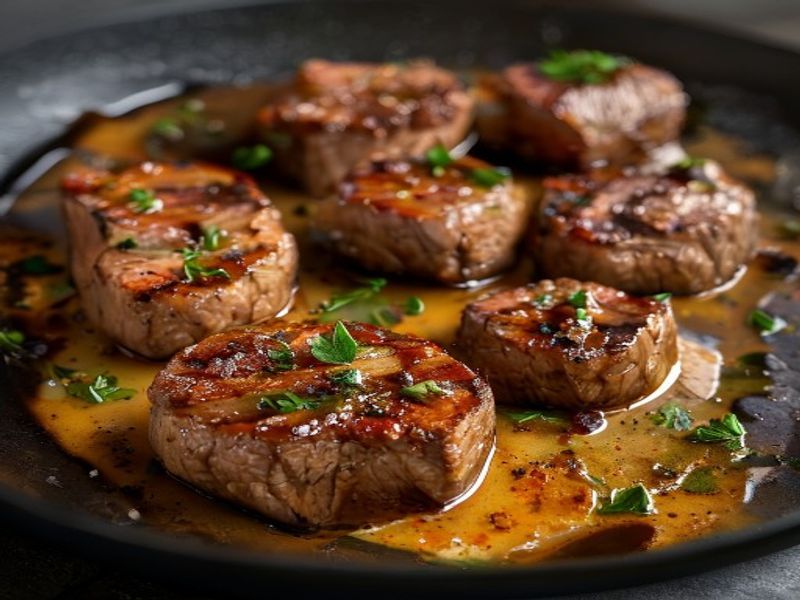
This 20-minute skillet balsamic glazed steak bites recipe delivers restaurant-quality results through precise heat management and controlled reduction. The technique relies on high-temperature searing to develop a Maillard crust before a rapid balsamic reduction coats each piece without overcooking the protein. Designed for intermediate home cooks, this one pan dinner eliminates unnecessary steps while maximizing flavor extraction. The high surface-area-to-volume ratio of the beef cubes ensures rapid cooking, making it an ideal quick weeknight dinner that fits seamlessly into fast family meals and weeknight meal prep routines. You will achieve tender, savory results by following exact timing and temperature controls.
What You’ll Need
Ingredients
- 1.5 pounds (680g) sirloin tip or top sirloin: Choose a well-marbled cut with minimal connective tissue for rapid cooking.
- 2 tablespoons (30ml) high-smoke-point oil: Avocado or grapeseed oil works best to withstand 450°F / 232°C pan temperatures.
- 1 teaspoon (5g) kosher salt: Fine grain ensures even seasoning distribution.
- 1/2 teaspoon (1g) freshly cracked black pepper: Coarse grind provides aromatic heat.
- 1/2 cup (120ml) aged balsamic vinegar: Look for Aceto Balsamico di Modena IGP with at least 6% acidity for proper reduction.
- 2 tablespoons (30ml) low-sodium beef broth: Adds depth without excessive sodium during glaze formation.
- 1 tablespoon (15g) unsalted butter: Cold butter emulsifies the reduction for a glossy finish.
- 1 clove (3g) garlic, finely minced: Adds aromatic complexity without burning.
- 1 teaspoon (2g) fresh thyme leaves: Optional, for herbal brightness.
Equipment
- 12-inch heavy-bottomed cast iron or carbon steel skillet: [Check Price on Amazon] Essential for heat retention and even searing.
- Instant-read digital thermometer: Critical for monitoring doneness.
- Silicone-tipped tongs: Prevents scratching the pan surface while flipping.
- Small stainless steel whisk: For emulsifying the glaze.
Prep Work
Proper preparation dictates the success of this 20 minute meals approach. Cut the beef into uniform 1-inch (2.5cm) cubes. Irregular sizing causes uneven cooking, resulting in some pieces overcooking while others remain underdone. Pat the beef completely dry with paper towels; surface moisture creates steam, which drops pan temperature and prevents proper browning. Season the cubes with 1 teaspoon kosher salt and 1/2 teaspoon black pepper exactly 10 minutes before cooking. Let the meat rest at room temperature (68°F / 20°C) during this window. Cold meat hitting a hot pan causes a drastic temperature drop, compromising the sear.
Measure the balsamic vinegar, beef broth, minced garlic, and thyme into a small prep bowl. In my experience, the difference between a decent pan-sear and a restaurant-quality crust comes down to moisture control and heat retention. I find that pre-salting the beef 10 minutes before cooking draws out surface proteins, which then dehydrate and caramelize instantly upon contact with the hot oil. This small adjustment consistently yields a deeper, more complex savory steak recipe without requiring additional ingredients. This entire prep stage takes exactly 12 minutes and can be completed up to 24 hours ahead if the seasoned beef is stored uncovered on a wire rack in the refrigerator.
Cooking Instructions
- Heat the Skillet: Place your 12-inch skillet over medium-high heat. Add 2 tablespoons of avocado oil and heat to exactly 400°F / 204°C, verified by an infrared thermometer or the shimmering oil test (when oil ripples but does not smoke). This temperature ensures immediate protein coagulation for a proper crust.
- Sear the Beef: Carefully add the skillet steak bites in a single layer, leaving 1/2-inch gaps between pieces. Overcrowding traps steam and causes boiling rather than searing. Cook undisturbed for exactly 2 minutes 30 seconds until a deep mahogany crust forms and the edges release naturally from the pan. Flip using tongs and sear the second side for exactly 2 minutes. Internal temperature should reach 125°F / 52°C at this stage.
- Remove and Rest: Transfer the beef to a warm plate. Let it rest while you build the glaze. Residual heat will carry the internal temperature up by 5°F / 3°C.
- Build the Reduction: Reduce heat to medium (325°F / 163°C). Pour 1/2 cup balsamic vinegar and 2 tablespoons beef broth into the hot skillet. Scrape the fond (browned bits) from the bottom using a wooden spoon. Simmer for exactly 4 minutes until the liquid reduces by 50% and coats the back of a spoon.
- Emulsify and Finish: Remove the pan from heat. Add 1 tablespoon cold unsalted butter and 1 minced garlic clove. Whisk vigorously for exactly 15 seconds until the sauce thickens to a syrup-like consistency and turns glossy. Return the rested beef to the pan. Toss continuously for exactly 30 seconds to coat evenly without cooking the meat further.
Common Mistake to Avoid: Do not add garlic during the initial sear. The high heat will burn the garlic within 30 seconds, introducing bitter compounds to the glaze. Always add aromatics off-heat or at the end of the reduction.
Pro Tips
- Control the Maillard Reaction: The crust forms when amino acids and sugars react above 285°F / 140°C. Maintain pan heat by cooking in two batches if your skillet cannot hold all pieces without touching. Always verify oil temperature before adding meat.
- Acid Balance: Aged balsamic reduces quickly but can become cloying. If your glaze tastes too sharp after reduction, add 1/2 teaspoon of honey or brown sugar. This balances the pH and rounds out the savory profile.
- Make-Ahead Storage: This recipe scales well for weeknight meal prep. Store cooked bites in an airtight container for up to 3 days. Reheat gently in a skillet at 300°F / 149°C with 1 tablespoon of water to restore moisture without toughening the protein.
- Substitutions: Top round or flank steak work but require slicing against the grain after cooking. For dairy-free preparation, replace butter with 1 tablespoon of extra virgin olive oil, though the emulsion will be slightly less glossy.
Serving Suggestions
Serve immediately while the balsamic glazed beef remains tacky and warm. Each 1.5-pound portion yields 4 servings of approximately 6 ounces each, delivering roughly 35 grams of high-quality protein per plate. Pair this easy beef recipe with roasted asparagus, garlic mashed potatoes, or a crisp arugula salad with shaved Parmesan to cut through the rich acidity of the glaze. For a complete one pan dinner, add halved baby potatoes to the skillet during the first 10 minutes of prep, then set aside and toss with the finished steak bites before plating.
FAQ
Can I use frozen beef for this recipe?
Yes, but you must fully thaw the meat in the refrigerator for 12-16 hours before cubing. Partially frozen beef contains ice crystals that release excess moisture when heated, dropping pan temperature and preventing proper crust formation. Never cook directly from frozen for this technique.
How do I know when it’s done?
Use an instant-read digital thermometer inserted into the center of the largest cube. For medium-rare, remove the beef at 125°F / 52°C before resting. The glazing step will bring it to 130°F / 54°C. If you prefer medium, pull at 130°F / 54°C initially. The meat should yield slightly to pressure and show a uniform pink center when sliced.
Can I prep this ahead for weeknight meal prep?
Yes, though high protein dinners are best served fresh. If prepping ahead, cook the beef to 120°F / 49°C, cool rapidly on a baking sheet, and store the glaze separately. When ready to eat, reheat the beef in a skillet at 300°F / 149°C, then add the glaze and toss for exactly 1 minute. This prevents overcooking and preserves the tender texture.
What cut of beef works best for skillet steak bites?
Top sirloin, sirloin tip, and tri-tip are ideal. They offer a balance of tenderness and beefy flavor without the high fat content of ribeye, which can cause excessive splattering and greasy glaze. Avoid chuck roast for this quick method, as it requires low, slow braising to break down connective tissue.
*As an Amazon Associate I earn from qualifying purchases.
发表回复