Introduction
This easy sheet pan lamb soup transforms a standard weeknight dinner into a deeply flavored, restaurant-quality meal through a simple two-stage process. Instead of boiling ingredients directly in broth, we roast the lamb and aromatics on a heavy-gauge sheet pan at 400°F / 205°C to trigger the Maillard reaction. This caramelization builds a rich fond that dissolves directly into the simmering liquid, creating a complex, homemade broth without hours of active stirring. The method is highly efficient, minimizes cleanup, and yields a consistently family-friendly result. Suitable for beginner to intermediate cooks, this easy recipe relies on precise temperature control and proper ingredient spacing to guarantee tender meat and deeply roasted vegetables. By following this structured approach, you will master a foundational technique that elevates simple pantry staples into a cohesive, comforting dish.
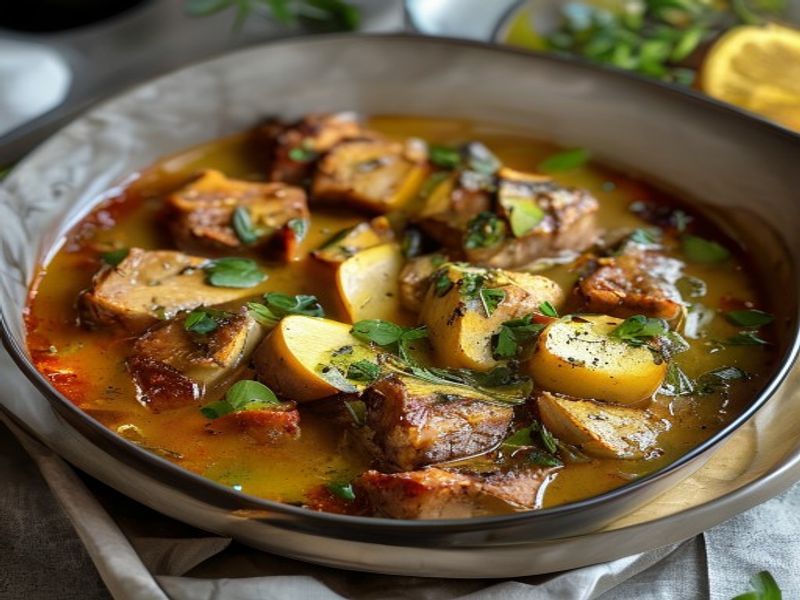
What You’ll Need
Ingredients
- Lamb shoulder: 1.5 pounds (680g), cut into 1-inch cubes. Choose meat with visible fat marbling for moisture retention during roasting.
- Olive oil: 3 tablespoons (45ml), divided. Use a high-heat stable oil for the sheet pan.
- Yellow onion: 1 large (8oz / 225g), cut into 1.5-inch chunks. Larger pieces prevent burning during high-heat roasting.
- Carrots: 2 medium (12oz / 340g total), peeled and cut on a sharp bias into 2-inch pieces. Diagonal cuts increase surface area for caramelization.
- Celery: 3 stalks (6oz / 170g), sliced 1/2-inch thick.
- Garlic: 4 cloves (12g total), smashed and left whole. Whole cloves roast without turning bitter.
- Tomato paste: 2 tablespoons (30g). Concentrated umami base for the broth.
- Chicken or lamb stock: 6 cups (1.4L), low-sodium. Room temperature prevents thermal shock when deglazing.
- Dried thyme: 1 teaspoon (2g)
- Dried rosemary: 1/2 teaspoon (1g), finely crushed
- Kosher salt: 1.5 teaspoons (8g) for seasoning, plus more to taste
- Black pepper: 1/2 teaspoon (2g), freshly cracked
- Fresh parsley: 1/4 cup (15g), chopped for garnish
Equipment
- Half-sheet pan: 18 x 13-inch (45 x 33 cm), heavy-gauge aluminum or stainless steel. Thin pans warp at high heat and cause uneven roasting. [Check Price on Amazon]
- Heavy-bottomed Dutch oven: 6-quart capacity for simmering
- Silicone spatula: Heat-resistant up to 500°F / 260°C for scraping fond
- Instant-read thermometer: Digital probe for verifying doneness [Check Price on Amazon]
- Chef’s knife and cutting board: 8-inch blade for uniform cuts
Prep Work
Proper mise en place ensures seamless execution. Begin by bringing the lamb to room temperature for 20 minutes before cooking. Cold meat dropped onto a hot pan drops the pan temperature drastically, causing steaming instead of searing. Pat the lamb cubes completely dry with paper towels; surface moisture creates a steam barrier that prevents browning. Toss the lamb with 2 tablespoons olive oil, 1 teaspoon kosher salt, and black pepper in a large mixing bowl until evenly coated. Combine the onion, carrots, celery, and whole smashed garlic in a separate bowl with the remaining 1 tablespoon oil, thyme, and rosemary. Keep both bowls uncovered on the counter. You can chop all vegetables and measure dry spices up to 24 hours in advance; store them separately in airtight containers in the refrigerator to prevent moisture migration. The tomato paste and stock should be measured and kept at room temperature to integrate smoothly during the deglazing phase. Uniform 1-inch cuts are critical for synchronized cooking.
Cooking Instructions
- Preheat and Load the Pan: Position your oven rack in the center and preheat to 400°F / 205°C. Leave the sheet pan bare for maximum browning. Spread the seasoned lamb and vegetables in a single, uncrowded layer. Overcrowding drops the pan temperature and traps moisture. Leave 1/2-inch gaps between each piece to ensure hot air circulation.
- Roast for Caramelization: Place the pan in the oven and roast for 25 minutes. Do not open the oven door for the first 15 minutes to maintain steady radiant heat. At the 20-minute mark, check the edges; the lamb should show a deep golden-brown crust, and the carrots should have slightly shriveled, caramelized edges. Rotate the pan 180 degrees to ensure even heat distribution. Roast for 5 additional minutes until the lamb registers 145°F / 63°C internally. The vegetables should be fork-tender but not mushy.
- Deglaze the Pan: Carefully transfer all roasted ingredients into a 6-quart Dutch oven. Immediately add 1/2 cup (120ml) of the room-temperature stock to the hot sheet pan. Using a silicone spatula, vigorously scrape the bottom of the pan to dissolve the browned fond. You will hear a sharp hiss and see dark, flavorful particles lifting from the metal. Pour this liquid over the lamb and vegetables. This step captures 100% of the roasted flavor compounds that would otherwise be discarded.
- Build the Broth: Add the remaining 5.5 cups (1.3L) stock and 2 tablespoons tomato paste to the Dutch oven. Whisk thoroughly to break up the paste. Bring the liquid to a gentle boil over medium-high heat, then immediately reduce to a low simmer where bubbles barely break the surface. Simmer uncovered for 30 minutes. Skim any excess fat or impurities from the surface with a fine-mesh skimmer during the first 10 minutes.
- Final Seasoning and Rest: Remove the pot from heat. Taste the broth and adjust with kosher salt in 1/4 teaspoon increments. The soup will taste slightly less salty once cooled, but aim for a balanced, savory profile now. Let the soup rest for 5 minutes off the heat. This allows the proteins to relax and the flavors to marry. Ladle into bowls, ensuring each portion receives an equal ratio of meat, vegetables, and broth. Garnish with fresh parsley.
Pro Tips
- Control the Fond: In my experience, leaving the rendered lamb fat on the sheet pan during deglazing significantly enriches the final broth. Do not wipe the pan clean before adding the splash of stock; that fat is the primary flavor carrier for the vegetables and aromatics.
- Acid Balance: Lamb fat carries a heavy, rich mouthfeel. Finish the soup with 1 teaspoon of fresh lemon juice or red wine vinegar just before serving. The acidity cuts through the richness and brightens the roasted vegetable notes without making the dish taste sour.
- Make-Ahead Optimization: This soup actually improves after 12 hours in the refrigerator as collagen and gelatin fully hydrate. Reheat gently on the stove at a low simmer. If the broth thickens too much after chilling, add 1/2 cup of warm water per quart to restore the proper consistency.
- Substitutions: For a leaner profile, substitute lamb leg, but reduce roasting time by 5 minutes to prevent drying out. If fresh celery is unavailable, 1/2 teaspoon of celery seed added during the simmer stage provides an accurate flavor match.
Serving Suggestions
Each batch yields approximately 4 generous portions (about 2 cups per bowl). Serve this family-friendly dish alongside crusty sourdough bread for dipping, as the porous crumb absorbs the gelatin-rich broth efficiently. A simple side salad dressed with a sharp vinaigrette provides necessary textural contrast. For a heartier meal, stir in 1 cup of cooked farro or small pasta shells directly into individual bowls just before serving. Avoid adding grains to the main pot if storing leftovers, as they will continue absorbing liquid and turn mushy upon reheating. The soup pairs exceptionally well with dry, medium-bodied reds like Côtes du Rhône or a crisp Albariño if you prefer white wine.
FAQ
Can I use frozen lamb for this easy recipe?
Technically yes, but it is strongly discouraged for optimal results. Frozen meat releases excessive water as it thaws in the oven, which steams the ingredients and prevents the necessary Maillard reaction. If you must use frozen lamb, thaw it completely in the refrigerator for 24 hours, pat it completely dry, and let it sit at room temperature for 30 minutes before seasoning and roasting.
How do I know when the soup is done?
The soup is ready when the lamb reaches an internal temperature of 145°F / 63°C and pulls apart easily with gentle pressure from a spoon. The broth should be clear, not cloudy, and the carrots should yield to a fork with minimal resistance. The final simmer stage (30 minutes) is primarily for flavor extraction and texture development rather than cooking the meat through, as the lamb is already roasted.
Can I prep this ahead of time and freeze it?
Yes. This soup freezes exceptionally well for up to 3 months. Cool it rapidly in an ice bath or shallow containers, then portion into airtight freezer-safe bags or containers. Leave 1/2-inch headspace for expansion. Thaw overnight in the refrigerator and reheat gently on the stovetop. Do not add fresh herbs until after thawing, as frozen parsley will turn dark and bitter.
Why does the broth sometimes turn greasy?
Excess surface grease usually indicates the soup was simmered too vigorously or not skimmed during the first 10 minutes. Maintain a gentle simmer where only occasional bubbles break the surface. Use a fine-mesh skimmer or a paper towel dragged lightly across the surface to lift excess fat without removing the flavorful liquid base.
*As an Amazon Associate I earn from qualifying purchases.
发表回复