Introduction
This sheet pan chicken recipe delivers restaurant-quality flavor with zero active fuss. The maple mustard glaze caramelizes under high heat, creating a sticky, tangy-sweet crust that contrasts perfectly with deeply roasted vegetable sides. Designed for healthy meal prep bowls and quick weeknight chicken service, this method relies on precise oven timing and strategic ingredient placement to guarantee even cooking. Whether you are executing easy batch cooking recipes for the week or assembling make ahead dinner bowls, the technique scales reliably without sacrificing texture. Intermediate home cooks will appreciate the streamlined workflow, while beginners can execute it flawlessly by following the temperature and timing markers. The result is a balanced, gluten free meal prep foundation that stores cleanly for four days and reheats without drying out.
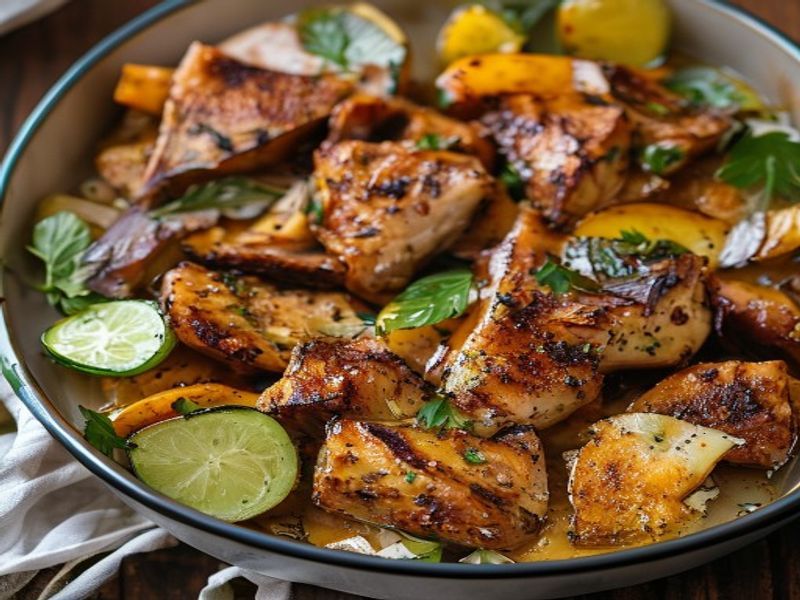
What You’ll Need
Ingredients
- Chicken: 1.5 lbs (680g) boneless, skinless chicken breasts, trimmed and cut into uniform 1.5-inch cubes
- Broccoli: 1 lb (450g) florets, stems peeled and sliced into 1/2-inch coins
- Carrots: 8 oz (225g) baby carrots, halved lengthwise
- Red Onion: 1 medium (300g), peeled and cut into 1-inch wedges
- Avocado Oil: 2 tbsp for roasting (high smoke point prevents bitter off-flavors)
- Maple Syrup: 3 tbsp pure grade A (artificial blends lack the proper sugar-to-water ratio and will not caramelize)
- Dijon Mustard: 2 tbsp, smooth or grainy
- Olive Oil: 1 tbsp
- Smoked Paprika: 1.5 tsp
- Kosher Salt: 1/2 tsp
- Black Pepper: 1/4 tsp, freshly cracked
- Garlic: 2 cloves, finely minced
Equipment
- 18×13 inch (46×33 cm) half-sheet pan
- 8-inch mixing bowl
- Silicone spatula and tongs
- Instant-read digital thermometer [Check Price on Amazon]
- Parchment paper or aluminum foil
Prep Work
Proper mise en place is the foundation of successful 35 minute dinner ideas. Begin by patting the chicken cubes completely dry with paper towels. Surface moisture creates steam, which inhibits browning and prevents the maple mustard chicken from developing a proper crust. Cut the chicken into uniform 1.5-inch pieces and let them rest on a plate at room temperature for 10 minutes while the oven preheats. Cold protein dropped into a hot oven drops the ambient temperature and causes uneven cooking.
Wash and thoroughly dry all vegetables. Cut the thick ends of the carrots in half lengthwise to match the density of the broccoli florets. Cut the red onion into wedges but leave the root end intact on at least two wedges; this structural anchor prevents the layers from separating and burning during roasting. In the 8-inch mixing bowl, whisk together 3 tbsp maple syrup, 2 tbsp Dijon mustard, 1 tbsp olive oil, 1.5 tsp smoked paprika, 1/2 tsp kosher salt, 1/4 tsp black pepper, and 2 minced garlic cloves until fully emulsified. Set aside 2 tbsp of the glaze for finishing. The remaining mixture will coat the chicken.
Timing for prep-ahead: Chop and store vegetables submerged in cold water in the refrigerator for up to 24 hours. Drain and pat bone-dry before roasting. The glaze can be whisked and refrigerated in a sealed container for 3 days.
Cooking Instructions
- Preheat and Prepare the Pan: Position an oven rack in the center and preheat to 425°F / 220°C. Line the half-sheet pan with parchment paper or heavy-duty foil. Drizzle 2 tbsp avocado oil across the surface and spread it evenly with a paper towel.
- Arrange Vegetables: Place broccoli, carrots, and onion in the prepared pan. Toss with tongs until coated. Spread into a single layer, maintaining at least 1/4-inch spacing between pieces. Overcrowding creates trapped steam, which softens the cell walls instead of roasting them.
- Initial Roast: Place the pan in the oven for exactly 12 minutes. The goal is to soften the outer edges of the vegetables while preserving their structural integrity. Look for the broccoli tips to turn slightly dark green and the carrots to develop faint blistering.
- Coat the Chicken: While the vegetables roast, add the chicken cubes to the mixing bowl with the reserved glaze (minus the 2 tbsp set aside). Toss vigorously until every piece is evenly coated. Do not overmix, as the acid in the mustard can begin to break down the protein fibers if left sitting for more than 5 minutes.
- Combine and Roast: After 12 minutes, carefully pull the hot pan from the oven. Push the vegetables to the outer perimeter, leaving a clear 6-inch zone in the center. Place the glazed chicken in the center. Return to the oven for 15-17 minutes. At the 14-minute mark, insert an instant-read thermometer into the thickest cube. The target internal temperature is 160°F / 71°C. Carryover heat will safely bring it to 165°F / 74°C during resting.
- Glaze and Finish: Remove the pan. Brush the reserved 2 tbsp of glaze evenly over the chicken. Switch the oven to broil (high setting) and place the pan on the upper rack. Broil for 2-3 minutes, watching constantly. The sugars will caramelize rapidly. Remove when the surface turns deep amber and looks tacky to the eye. Do not walk away; maple syrup burns in under 60 seconds at high heat.
- Rest and Portion: Transfer the chicken and vegetables to a wire cooling rack. Rest for exactly 5 minutes. This allows the muscle fibers to relax and reabsorb expelled juices. Divide immediately into meal prep containers while warm, but do not seal the lids until completely cool to prevent condensation and sogginess.
Common Mistakes to Avoid: Adding the finishing glaze before roasting causes the sugars to carbonize and taste bitter. Skipping the 5-minute rest step guarantees dry, stringy chicken regardless of how accurately you monitor temperature. Placing the chicken directly on top of the vegetables during the final roast traps moisture and prevents proper caramelization.
Pro Tips
I find that scoring the chicken lightly with a 1/8-inch deep crosshatch pattern on one side increases surface area, allowing the maple mustard marinade to penetrate deeper without overcooking the exterior. In my experience, placing dense vegetables like carrots on the outer edges of the sheet pan exposes them to more direct radiant heat from the oven walls, which accelerates browning without charring the center. For substitutions, swap broccoli for halved Brussels sprouts or 1/2-inch cubed sweet potatoes. If you require a dairy-free or vegan alternative, replace chicken with extra-firm tofu pressed for 20 minutes, then toss in the identical glaze. This recipe is fully optimized for high protein lunch prep and stores cleanly for 4 days at 40°F / 4°C. For day 5+, freeze individual portions and thaw overnight in the refrigerator.
Serving Suggestions
Pair these bowls with 1/2 cup cooked quinoa, brown rice, or farro per portion to create a complete macronutrient profile. A simple garnish of 1 tbsp toasted sesame seeds and 2 tbsp chopped fresh parsley adds brightness and textural contrast. For portion control, divide into four containers, each containing approximately 6 oz of chicken, 1.5 cups of roasted vegetables, and your chosen grain base. This yields roughly 35g of protein per serving, making it ideal for sustained energy throughout the workday. Serve alongside a quick lemon-tahini drizzle if additional moisture is needed for reheated portions.
FAQ
Can I use frozen chicken or vegetables?
Do not roast frozen ingredients directly on the sheet pan. Excess ice crystals will lower the pan temperature and create steam, resulting in boiled, pale food. Thaw chicken in the refrigerator overnight and pat thoroughly dry. Frozen vegetables can be roasted from frozen, but add 4-5 minutes to the cooking time and spread them on a preheated sheet pan to ensure proper browning.
How do I know when it’s done?
Rely exclusively on an instant-read thermometer. Insert it horizontally into the thickest piece. At 160°F / 71°C, pull the pan from the oven. Carryover cooking will raise the temperature to the safe 165°F / 74°C standard during the 5-minute rest. Visual cues include opaque white meat throughout and clear juices, but temperature is the only reliable metric.
Can I prep this ahead for a full week?
Yes. This recipe is optimized for 4-day storage in standard meal prep containers at 40°F / 4°C. For day 5 and beyond, freeze individual portions. The maple mustard glaze acts as a natural preservative against freezer burn. Thaw overnight in the refrigerator and reheat in a 350°F / 175°C oven for 8 minutes or microwave with a damp paper towel for 90 seconds to restore moisture.
What if my chicken looks pale after the initial roast?
This usually indicates overcrowding or insufficient oven preheat. If the chicken lacks browning at the 15-minute mark, extend roasting by 2 minutes and finish under the broiler for 60 seconds. Ensure the oven rack was centered and that you did not stack the chicken pieces during placement.
*As an Amazon Associate I earn from qualifying purchases.
发表回复