20-Minute Sheet-Pan Miso-Maple Salmon with Crispy Ginger
This recipe delivers restaurant-quality results through precise thermal management and flavor layering. The combination of fermented white miso and pure maple syrup creates a balanced miso maple glaze that undergoes rapid caramelization under high heat, while thinly sliced ginger fries into crisp, aromatic shards. Engineered as a quick weeknight seafood solution, this method relies on a single baking vessel to eliminate cross-contamination and streamline cleanup. Designed for home cooks seeking reliable baked salmon ideas, the technique works best with uniform center-cut fillets that respond predictably to timed exposure. Whether you are assembling fast family meals or planning a high omega3 dinner, this 20 minute dinner recipe demonstrates that healthy easy salmon requires strict attention to moisture control, oven calibration, and visual feedback rather than guesswork. The Japanese inspired fish profile hinges on umami depth and controlled sweetness, making it a versatile sheet pan salmon foundation for any schedule.
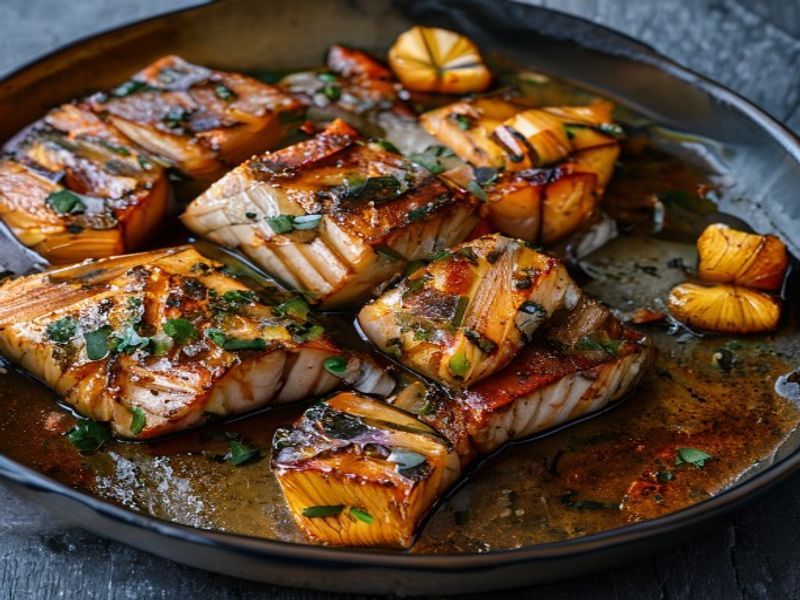
What You’ll Need
Ingredients:
- 4 center-cut salmon fillets, skin-on (6 oz / 170 g each)
- 3 tablespoons white miso paste (shiro miso)
- 2 tablespoons pure maple syrup (Grade A, amber color)
- 1 tablespoon toasted sesame oil
- 1 tablespoon unseasoned rice vinegar
- 1 teaspoon freshly grated ginger (microplane)
- 2 tablespoons neutral oil (grapeseed or canola)
- 1/4 cup (15 g) fresh ginger root, peeled and cut into 2-inch matchsticks
- 1/2 teaspoon kosher salt
- 1/4 teaspoon freshly cracked black pepper
- 1 tablespoon toasted white sesame seeds
Ingredient Selection Notes: Always choose skin-on fillets for structural support during roasting. The skin acts as an insulating barrier, preventing the delicate muscle fibers from drying out. Select firm, brightly colored ginger with tight, unblemished skin. White miso provides a mild, sweet fermentation; red or yellow miso will dominate the glaze and require sugar adjustments. Pure maple syrup is mandatory; artificial pancake syrup contains high fructose corn syrup that burns at lower temperatures and creates an unpleasant chemical aftertaste.
Equipment:
- 13×18 inch (33×46 cm) aluminum half-sheet baking pan
- Unbleached parchment paper
- Small stainless steel mixing bowl
- Silicone basting brush
- Digital instant-read thermometer [Check Price on Amazon]
- Microplane zester or fine grater
- Sharp 8-inch chef's knife
- Heavy-duty paper towels
Prep Work
Proper preparation dictates the final texture of the dish. Remove the salmon from the refrigerator 10 minutes before cooking to eliminate the thermal shock that causes uneven protein coagulation. Place the fillets on a clean surface and press heavy-duty paper towels firmly against all surfaces, including the skin side and the deep flesh crevices. Moisture is the primary obstacle to glaze adhesion and crust formation. Continue patting until the paper towels show zero residual dampness.
Whisk the 3 tablespoons white miso, 2 tablespoons maple syrup, 1 tablespoon sesame oil, 1 tablespoon rice vinegar, and 1 teaspoon grated ginger in a small bowl until completely homogenous. The mixture should coat the back of a spoon without separating. In a separate container, toss the 1/4 cup julienned ginger with 2 tablespoons neutral oil and a light pinch of salt. The oil creates a thin conductive layer that promotes even browning and prevents the delicate matchsticks from scorching before the fish finishes cooking.
Timing & Make-Ahead Notes: The glaze can be whisked up to 3 days in advance and stored in an airtight container in the refrigerator. The ginger can be pre-cut and submerged in ice water for 24 hours to maintain crispness, but it must be thoroughly dried with a clean towel before tossing in oil. Do not assemble the pan more than 2 hours before baking, as the salt and vinegar will begin to denature the surface proteins and create a mushy exterior.
Cooking Instructions
- Preheat the oven to 425°F / 220°C. Position the oven rack in the upper third, approximately 6 inches (15 cm) from the top heating element. This placement ensures the glaze receives direct radiant heat, which is necessary for rapid sugar caramelization without overcooking the interior. Line the half-sheet pan with parchment paper to prevent sticking and simplify cleanup.
- Arrange and season the salmon. Place the dried fillets skin-side down on the parchment, spacing them at least 2 inches (5 cm) apart. Sprinkle evenly with 1/2 teaspoon kosher salt and 1/4 teaspoon black pepper. I find that seasoning the raw fish directly, rather than relying on the glaze alone, ensures the seasoning penetrates the outer muscle layer before the proteins tighten.
- Apply the glaze. Using a silicone brush, spread 2 tablespoons of the miso-maple mixture evenly across the top and sides of each fillet. Reserve the remaining glaze. The initial application should be thin enough to allow heat penetration but thick enough to form a continuous coating.
- Distribute the ginger. Scatter the oiled ginger matchsticks around the salmon on the parchment. Keep the ginger away from direct contact with the thickest part of the fillet to prevent steaming. The ginger should sit in a single layer to maximize surface area exposure to hot air.
- Bake for 10-12 minutes. Place the pan in the preheated oven. At the 8-minute mark, open the oven door briefly to check progress. The glaze should be bubbling vigorously across the surface and transitioning from a light tan to a deep amber-brown. The ginger edges will begin to curl, stiffen, and darken slightly. If the glaze darkens too quickly, tent the pan loosely with foil.
- Verify doneness. At 10 minutes, insert an instant-read thermometer horizontally into the thickest part of a fillet. Target 135°F / 57°C for medium-rare to medium. The flesh should visibly change from translucent pink to an opaque coral color, and the outer layers should separate gently when pressed with a fork. If the temperature reads below 130°F / 54°C, continue baking in 1-minute increments.
- Rest and finish. Remove the pan immediately and transfer it to a heatproof surface. Allow the salmon to rest undisturbed for exactly 3 minutes. During this window, carryover cooking will safely raise the internal temperature to the USDA-recommended 145°F / 63°C. Brush the reserved glaze over the hot fillets for a glossy, aromatic finish. Transfer to plates, scatter the crispy ginger over the top, and sprinkle with 1 tablespoon toasted sesame seeds.
Common Mistakes to Avoid: Overcrowding the pan traps steam, which prevents the glaze from setting and turns the ginger soggy. Applying the full glaze at once causes the sugars to burn before the protein cooks through. Relying strictly on time rather than temperature and visual feedback guarantees inconsistent results, as oven calibration and fillet thickness vary significantly.
Pro Tips
In my experience, a properly calibrated oven and a fully preheated pan create an immediate thermal shock that sets the exterior crust while preserving interior moisture. Always verify your oven temperature with a standalone thermometer, as built-in dials frequently drift 15-25°F off target. If your glaze is too thick to spread evenly, warm it for 10 seconds in the microwave to lower viscosity. For a deeper, funkier profile, substitute 1 tablespoon of red miso for half the white miso, but reduce the added salt by 1/4 teaspoon. You can also swap the maple syrup for coconut sugar dissolved in 1 tablespoon hot water, though the flavor will shift toward caramel rather than floral sweetness. The entire glaze can be prepared 3 days ahead, and the ginger matchsticks can be stored dry in the refrigerator for up to 48 hours.
Serving Suggestions
This dish pairs optimally with neutral starches that absorb the residual glaze without competing for attention. Serve over short-grain sushi rice, steamed jasmine rice, or chilled soba noodles tossed with a light soy-sesame vinaigrette. For vegetables, quickly blanched bok choy, roasted broccolini with garlic, or a shaved fennel and citrus salad provide necessary acidity and crunch to cut through the rich salmon fat. One 6-ounce fillet constitutes a standard main course portion. Due to the high lipid content and omega-3 density, additional heavy sides are unnecessary. Adjust to 4-ounce portions for lighter appetites or supplement with extra roasted vegetables to maintain satiety.
FAQ
Can I use frozen salmon for this recipe?
Yes, but it must be thawed completely in the refrigerator for 12-24 hours before preparation. Pat it exceptionally dry with paper towels until zero moisture remains. Partially frozen fish releases excess water during the initial heating phase, which prevents glaze adhesion, causes the ginger to steam rather than crisp, and leads to uneven protein coagulation.
How do I know exactly when it’s done without overcooking?
Temperature is the only reliable indicator. Remove the salmon at 135°F / 57°C and allow a 3-minute rest on the counter. The internal temperature will rise to 145°F / 63°C through residual heat. Visually, the flesh should transition from translucent to opaque at the center, and the muscle layers should separate cleanly when gently pressed with a fork. If the center remains dark pink and glossy, it needs 60-90 additional seconds.
Can I prep the entire sheet pan ahead of time and refrigerate it?
You can assemble the pan up to 4 hours in advance, cover it tightly with plastic wrap, and refrigerate. The rice vinegar and salt will begin a mild curing process if left longer, altering the surface texture. Bake directly from the refrigerator and add exactly 2 minutes to the total cooking time to compensate for the starting temperature differential.
*As an Amazon Associate I earn from qualifying purchases.
发表回复