Introduction
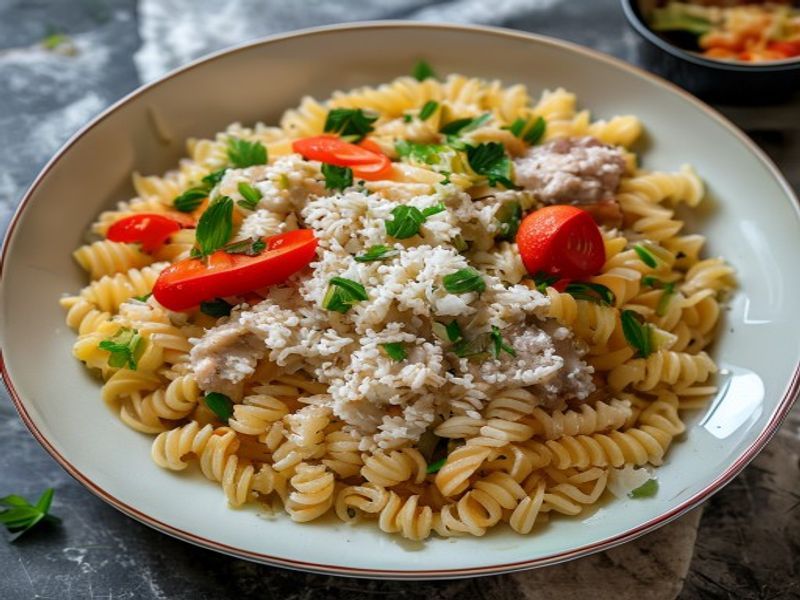
Lamb and Rice Pasta (Asian) delivers a high-protein, quick dinner that balances savory umami with the comforting elasticity of rice noodles. This easy recipe works because it leverages high-heat searing to develop a caramelized crust on the lamb while keeping the rice pasta from becoming gummy through a precise soak-and-toss method. Designed for intermediate home cooks, the technique focuses on timing and temperature control to ensure every component finishes simultaneously. The dish relies on a balanced aromatic base, precise sauce ratios, and proper starch management to create a restaurant-quality result in under thirty minutes. Mastering this recipe teaches essential wok-cooking fundamentals: ingredient sequencing, heat retention, and the critical role of residual cooking. With straightforward prep and minimal cleanup, it is an ideal homemade weeknight solution that scales easily without compromising texture or flavor.
What You’ll Need
Ingredients
- Lamb leg or shoulder: 1.5 pounds, trimmed and cut into 1-inch strips. Select meat with 10–15% visible fat marbling for moisture retention during high-heat cooking.
- Rice noodles (pad thai width, ¼-inch): 8 ounces. Verify packaging states 100% rice flour; added tapioca starch alters cooking times and creates a gummy texture.
- Neutral oil (canola or refined avocado): 3 tablespoons total. A high smoke point above 400°F / 204°C prevents bitter scorching.
- Aromatics: 4 cloves garlic (minced), 1.5 tablespoons fresh ginger (finely grated), 3 scallions (whites and greens separated, thinly sliced on a sharp bias).
- Sauce base: 3 tablespoons soy sauce, 1.5 tablespoons dark soy sauce, 2 tablespoons oyster sauce, 1 tablespoon Shaoxing wine, 1 tablespoon toasted sesame oil, 1 tablespoon packed brown sugar.
- Vegetables: 1 large red bell pepper (julienned into ¼-inch strips), 2 cups napa cabbage (core removed, shredded).
- Finishing: 1 teaspoon toasted white sesame seeds, 1 tablespoon fresh cilantro (roughly chopped), ½ teaspoon ground white pepper.
Equipment
- 12-inch carbon steel wok or heavy-bottomed skillet: Essential for rapid heat transfer and tossing. [Check Price on Amazon]
- Instant-read digital thermometer: Required for verifying lamb doneness without guesswork.
- Large heatproof mixing bowl: Minimum 3-quart capacity for soaking noodles.
- Six 4-ounce prep bowls: For organized mise en place and rapid ingredient deployment.
Prep Work
Proper preparation prevents rushed cooking and guarantees consistent heat management. Begin by bringing the lamb to room temperature (68°F / 20°C) for exactly 20 minutes before cooking. Cold meat drops pan temperature instantly, causing steaming instead of searing. Slice the lamb against the grain into uniform ¼-inch strips to ensure rapid, even cooking. Place the strips in a shallow bowl, toss with 1 tablespoon soy sauce and 1 teaspoon cornstarch, then refrigerate for 10 minutes. This light velveting step creates a protective starch barrier that seals in moisture.
For the rice noodles, place them in a large bowl and cover with 175°F / 80°C water. Soak for exactly 6–7 minutes until pliable but still slightly firm to the bite. Drain thoroughly in a colander, then toss with 1 teaspoon neutral oil to prevent sticking. Never boil rice noodles; they will absorb excess water and turn mushy during the final toss. Combine all sauce ingredients in a small prep bowl and whisk until the brown sugar fully dissolves. Prep all aromatics and vegetables before heating the pan. This entire mise en place takes 15 minutes and can be completed up to 4 hours ahead. Store prepped vegetables and sauce separately in airtight containers in the refrigerator until ready to cook.
Cooking Instructions
- Heat the wok to 425°F / 218°C. Place your 12-inch carbon steel wok over medium-high heat. Add 2 tablespoons neutral oil and swirl to coat the bottom and lower sides. Wait until the oil shimmers and a single drop of water sizzles and evaporates immediately upon contact (approximately 2 minutes). Adding meat to cold oil causes immediate sticking and uneven browning.
- Sear the lamb. Carefully add the lamb strips in a single layer, ensuring they do not overlap. Cook undisturbed for 2 minutes until a deep mahogany crust forms on the contact surface. Flip and cook for an additional 1.5 minutes. Verify with a thermometer: the internal temperature should reach 145°F / 63°C for medium. Remove immediately to a clean plate. Overcooking at this stage will yield tough, dry meat that cannot be rescued during the toss.
- Build the aromatic base. Reduce heat to medium (350°F / 175°C). Add 1 tablespoon oil, followed by ginger, garlic, and scallion whites. Stir constantly for 30 seconds until fragrant and the edges of the garlic just begin to turn pale gold. If the garlic browns too quickly, remove the pan from the burner for 10 seconds to stabilize. Burnt garlic introduces a bitter compound that permeates the entire dish.
- Cook the vegetables. Add bell pepper and napa cabbage. Toss continuously for 2 minutes until the cabbage wilts and the peppers soften but retain a slight crunch. High heat will preserve their cellular structure and prevent excess water from pooling in the pan.
- Combine noodles, sauce, and lamb. Return the wok to medium-high heat. Pour the prepared sauce along the sides of the pan, allowing it to sizzle and reduce slightly for 10 seconds. Add the soaked rice noodles and seared lamb. Using tongs or a flat wok spatula, fold everything together for exactly 90 seconds. The noodles will absorb the sauce and turn glossy. If the pan looks dry, add 1 tablespoon hot water to loosen the coating.
- Finish and plate. Remove from heat immediately. Drizzle 1 teaspoon sesame oil and sprinkle with white pepper and scallion greens. Toss once more for 15 seconds. The dish should coat the back of a spoon with a light, glossy sheen. If liquid pools at the bottom, the sauce ratio was too high or the noodles were over-soaked.
Pro Tips
- Heat management: In a standard home kitchen, achieving true wok hei requires maximizing surface contact. I find that letting the noodles sit undisturbed for 15-second intervals during the toss creates slight caramelization without burning. This mimics the professional breath-of-the-wok flavor while keeping the dish accessible for home stoves.
- Substitutions: If Shaoxing wine is unavailable, dry sherry works at a 1:1 ratio. Avoid Chinese cooking wine with added salt, as it will throw off the sauce balance. For the noodles, flat rice sticks can be substituted, but reduce soaking time to exactly 5 minutes to prevent structural breakdown.
- Make-ahead: The sauce can be refrigerated for up to 3 days. The lamb can be pre-sliced and marinated up to 24 hours in advance. However, soak the rice noodles only when ready to cook, as pre-soaked noodles will clump, degrade in texture, and absorb all available flavor during storage.
Serving Suggestions
Serve immediately while the noodles retain optimal elasticity and the lamb stays warm. This recipe yields two generous main-course portions or four light appetizer servings. Pair with a crisp, lightly oaked white wine such as a dry Riesling, or a chilled jasmine tea to cut through the savory umami profile. For additional vegetable bulk, add ½ cup of blanched broccoli florets or snap peas during the final toss. Garnish with thinly sliced fresh Thai chilies if you prefer elevated heat, though the white pepper provides sufficient background warmth. Always portion onto warmed plates to maintain serving temperature.
FAQ
Can I use frozen lamb for this recipe?
Frozen lamb can be used, but it must be completely thawed in the refrigerator for 12 hours and patted completely dry before slicing. Excess surface moisture will steam the meat instead of searing it, preventing crust formation and lowering pan temperature below the required threshold.
How do I know when the rice noodles are properly cooked?
The noodles should bend easily without snapping but still offer slight resistance when pressed between your fingers. They will finish cooking during the final 90-second toss with the sauce. If they appear translucent and fully soft before tossing, they were soaked too long and will break apart under agitation.
Can I prep this entire dish ahead of time?
Full assembly ahead of time is not recommended due to the noodles’ tendency to absorb all available moisture and become gummy. Prep all components separately as outlined, then cook and combine within 10 minutes of serving for the correct texture and temperature.
What causes the noodles to stick together during cooking?
Sticking occurs when the noodles are under-oiled after soaking or when the pan is overcrowded. Always toss the drained noodles with 1 teaspoon of oil before adding them to the wok, and ensure your heat is at medium-high to create a quick, non-stick surface.
*As an Amazon Associate I earn from qualifying purchases.
发表回复