Introduction
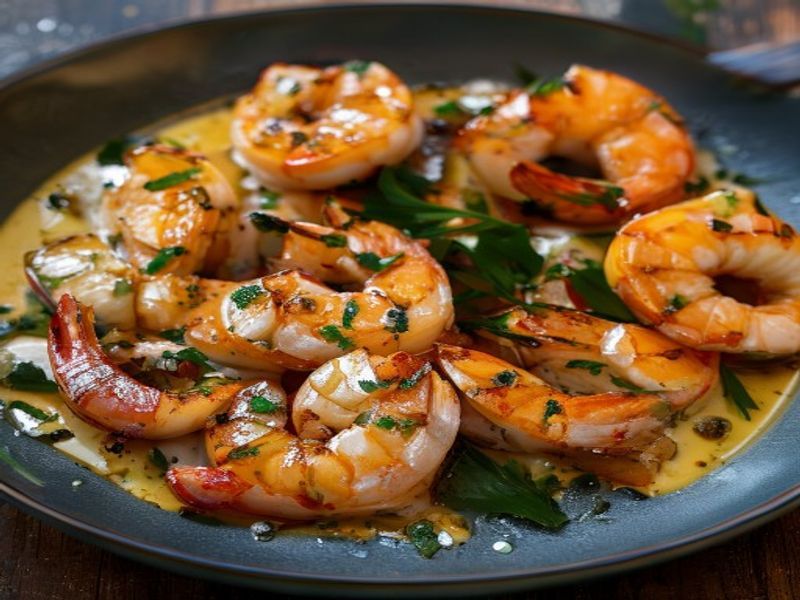
This 15-minute skillet shrimp recipe delivers restaurant-quality results through controlled heat, proper moisture management, and precise timing. By searing large shrimp over high heat and finishing them with a compound garlic-cilantro butter, you achieve a crisp, caramelized exterior while keeping the interior tender and opaque. The chili-lime seasoning provides bright acidity and moderate heat that cuts through the richness of the butter, creating a balanced quick weeknight shrimp dinner. This technique is ideal for home cooks seeking fast high-protein meals that require minimal prep but maximum flavor impact. The method relies on a single pan, making cleanup straightforward and execution efficient. Whether you are building a simple one-pan dinner or plating for guests, this easy seafood skillet teaches foundational pan-searing skills that translate directly to other quick seafood recipes.
What You’ll Need
Ingredients
- 1.5 pounds (680g) large shrimp: U10 or 16/20 count, peeled and deveined, tails on or off per preference. Choose wild-caught for firmer texture and cleaner flavor.
- 2 tablespoons (30ml) neutral high-smoke-point oil: Avocado or refined grapeseed oil. Avoid olive oil for the initial sear due to lower smoke point.
- 1.5 teaspoons (3g) smoked paprika: Provides depth without overwhelming the chili-lime profile.
- 1 teaspoon (2g) chili powder: Use a mild blend or cayenne for adjustable heat.
- 1/2 teaspoon (1g) kosher salt: Fine grain for even distribution.
- 1/4 teaspoon (0.5g) freshly ground black pepper: Adds subtle background warmth.
- 1 large lime: Zest and juice (yields approximately 2 tablespoons / 30ml juice).
- 4 tablespoons (56g) unsalted butter: Cold initially, softened slightly for the finish.
- 3 cloves garlic (15g): Finely minced or pressed through a garlic press.
- 1/4 cup (10g) fresh cilantro: Finely chopped, packed tightly. Reserve 1 tablespoon for garnish.
Equipment
- 12-inch stainless steel or carbon steel skillet (avoid nonstick for optimal crust development)
- Instant-read digital thermometer
- Paper towels or clean kitchen linen
- Small mixing bowl for seasoning blend
- Tongs or silicone spatula
For consistent results, I recommend investing in a quality 12-inch stainless steel skillet [Check Price on Amazon that maintains steady heat distribution during high-temperature cooking.
Prep Work
Proper mise en place is non-negotiable for a 15-minute skillet shrimp recipe. Start by thoroughly patting the shrimp dry using paper towels. Moisture is the primary enemy of the Maillard reaction; wet shrimp will steam instead of sear. Lay them in a single layer on a rimmed baking sheet and refrigerate for 10 minutes while you prepare the seasoning and butter. Cold shrimp hit the hot pan more evenly and retain internal moisture better during the quick cook time.
In a small bowl, combine the smoked paprika, chili powder, kosher salt, and black pepper. Mix until uniform. Zest and juice the lime, keeping the zest and juice separate until cooking begins. Prepare the garlic and cilantro, but do not combine them with the butter yet. Raw garlic added too early will burn at searing temperatures. Keep the butter cold until step 3 to control the emulsion.
This prep can be completed up to 4 hours ahead. Store the seasoned dry shrimp covered in the refrigerator, and keep the butter, garlic, and herbs chilled separately until you are ready to fire the pan.
Cooking Instructions
- Heat the pan to 400°F / 204°C. Place the 12-inch skillet over medium-high heat. Add the 2 tablespoons of neutral oil and allow it to heat until it shimmers and moves fluidly like water across the surface. A drop of water should skitter and evaporate instantly. Do not rush this step; insufficient pan temperature results in gray, rubbery shrimp.
- Season and sear. Remove the shrimp from the refrigerator. Sprinkle the spice blend evenly over both sides, pressing gently so the seasoning adheres to the dry surface. Lay the shrimp in a single layer with at least 1/2 inch of space between each piece. Overcrowding drops the pan temperature below 350°F / 177°C and forces steaming. Sear undisturbed for exactly 2 minutes. You will hear a steady, consistent hiss. When the edges turn opaque and the bottom develops a deep reddish-orange crust, flip each piece using tongs.
- Finish and baste. Reduce heat to medium (approximately 300°F / 149°C pan surface). Add the 4 tablespoons of butter to the center of the pan. Once it melts and foams, immediately add the minced garlic. Stir constantly for 30 seconds until the garlic becomes fragrant but does not brown. Add the lime juice and cilantro to the pan. Tilt the skillet slightly and spoon the hot butter continuously over the shrimp for 1 minute. This basting technique cooks the shrimp through while infusing the surface with garlic-cilantro flavor.
- Check doneness and rest. The shrimp are done when they curl into a loose “C” shape and register 125°F–130°F / 52°C–54°C on an instant-read thermometer. Remove the skillet from heat immediately. Transfer the shrimp to a warm plate and let them rest for 3 minutes. Carryover cooking will raise the internal temperature by 5°F–10°F / 3°C–5°C. Serve immediately with the remaining pan butter drizzled over the top.
Common Mistake to Avoid: Adding the lime juice directly to a dry, screaming-hot pan will cause the butter to break and the shrimp to toughen. Always lower the heat and add the acid to the melted butter to maintain a stable emulsion.
Pro Tips
In my experience, the difference between a mediocre shrimp dish and an exceptional one comes down to moisture control and temperature management. I find that leaving the shrimp uncovered on a wire rack in the refrigerator for 20 minutes before cooking creates a drier surface than paper towels alone, which guarantees a harder, glass-like crust. Additionally, never use pre-peeled, thawed shrimp from a water bath; they absorb excess moisture and will never sear properly. Always purchase frozen raw shrimp and thaw them overnight in the refrigerator.
For substitutions, ghee works exceptionally well if you need a dairy-free option that maintains a high smoke point. If fresh cilantro is unavailable, a blend of 2 tablespoons flat-leaf parsley and 1 teaspoon dried oregano added at the end will preserve the herbal brightness without altering the chili-lime profile.
Make-ahead option: The chili-lime spice blend can be mixed and stored in an airtight container for up to 2 weeks. The garlic-cilantro butter can be pre-mixed, rolled into a log, chilled, and sliced into 1-tablespoon pucks. Add one puck per serving at the basting stage for consistent results.
Serving Suggestions
This chili lime shrimp recipe pairs optimally with neutral or slightly acidic starches that absorb the garlic-cilantro butter. Serve over 1.5 cups of warm jasmine rice, cilantro-lime cauliflower rice for a low-carb option, or alongside grilled asparagus and crusty sourdough. The dish yields approximately 4 portions of 6 ounces (170g) each. For a complete healthy weeknight recipes lineup, add a simple shaved fennel and orange salad with a light vinaigrette to cut through the richness of the butter. Portion control remains straightforward: aim for 5 to 6 large shrimp per person when served with substantial sides, or 8 to 10 shrimp if it is the primary protein focus.
FAQ
Can I use frozen shrimp directly from the freezer?
No. Frozen shrimp release excessive water when they hit a hot pan, which instantly drops the temperature and causes steaming. Always thaw shrimp overnight in the refrigerator or under cold running water for 5 to 7 minutes. Once thawed, drain thoroughly and pat completely dry before seasoning.
How do I know when the shrimp is done without cutting it open?
Watch for three definitive cues: the color shifts from translucent gray to opaque white with pink-red edges, the shape transitions from straight to a loose “C” (tight “O” shapes indicate overcooking), and the internal temperature reaches 125°F / 52°C. The texture should offer slight resistance before yielding easily to gentle pressure.
Can I prep the entire dish ahead and reheat it?
Shrimp does not reheat well due to its delicate protein structure. Reheating past 140°F / 60°C causes severe moisture loss and a rubbery texture. However, you can fully prep the spice blend, compound butter, and dried shrimp up to 4 hours in advance. Keep everything refrigerated and cook fresh for the best fast high-protein meals experience.
*As an Amazon Associate I earn from qualifying purchases.
发表回复