Introduction
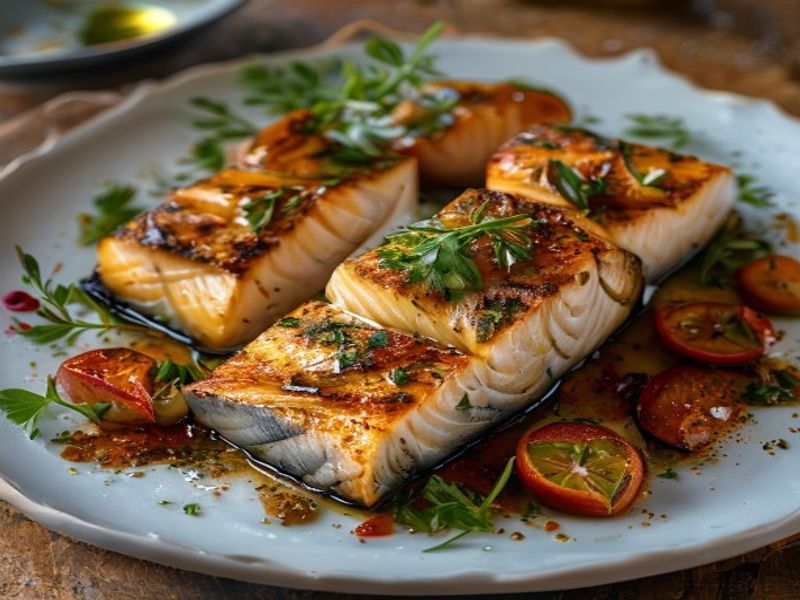
This 15-minute mediterranean salmon roast delivers restaurant-quality results through controlled high heat and precise timing. The technique relies on a rapid, high-temperature roast at 425°F / 220°C to rapidly denature surface proteins while preserving the delicate, buttery interior. A bright herb-oil emulsion infused with lemon, garlic, and oregano penetrates the flesh without overwhelming it. This easy recipe is designed for home cooks seeking a healthy meal that requires minimal active time and zero guesswork. By understanding protein behavior and oven thermodynamics, you will achieve consistent, flaky results every single time. The method eliminates common pitfalls like dry edges or rubbery centers, replacing them with measurable cues and exact temperatures. Whether you are building a weekly rotation or preparing a quick weeknight dinner, this homemade approach guarantees a balanced, nutrient-dense plate ready in exactly fifteen minutes from start to finish.
What You’ll Need
Ingredients
- 4 salmon fillets (6 oz / 170g each), skin-on, center-cut: Skin-on fillets maintain structural integrity during high-heat roasting and prevent the flesh from curling.
- 2 tablespoons extra virgin olive oil: Use cold-pressed oil for a stable emulsion and lower smoke point tolerance at 425°F / 220°C.
- 1 tablespoon fresh lemon juice: Provides acid to balance the fat and brighten the final flavor profile.
- 1 teaspoon dried oregano (or 2 tablespoons fresh, chopped): Dried oregano releases concentrated terpenes when heated; fresh adds grassy notes if added post-roast.
- 2 cloves garlic, finely minced: Must be minced to distribute evenly and prevent bitter burning.
- 1/2 teaspoon kosher salt: Draws moisture to the surface initially, then aids in protein coagulation for a clean crust.
- 1/4 teaspoon freshly cracked black pepper: Adds mild heat and aromatic complexity.
- 1 medium zucchini (8 oz / 225g), sliced into 1/4-inch half-moons: Uniform thickness ensures simultaneous cooking with the fish.
- 1 cup cherry tomatoes (6 oz / 170g), halved: High water content releases juices that create a light pan sauce.
- 1/4 cup kalamata olives, pitted and halved: Adds briny depth and umami contrast.
- 1 tablespoon fresh dill, chopped (for garnish): Added post-roast to preserve volatile oils and color.
Equipment
- 12-inch rimmed baking sheet (half-sheet pan): Standard professional size provides adequate airflow and prevents crowding.
- Instant-read digital thermometer: Essential for precise doneness verification. Check Price on Amazon
- Small mixing bowl (12 oz / 350ml capacity): For whisking the oil and aromatics into a stable emulsion.
- Parchment paper or silicone baking mat: Prevents sticking and simplifies cleanup without affecting heat transfer.
- Heavy-duty chef’s knife and plastic cutting board: For precise vegetable preparation.
Prep Work
Proper mise en place is the foundation of a successful roast. Begin by removing the salmon fillets from refrigeration exactly 10 minutes before cooking. This allows the internal temperature to rise from 38°F / 3°C to approximately 50°F / 10°C, preventing the exterior from overcooking before the center reaches the target temperature. While the fish rests, thoroughly pat each fillet dry using 3-4 layers of paper towels. Surface moisture creates steam, which inhibits the Maillard reaction and results in a pale, soggy crust instead of the desired golden exterior.
Prepare the vegetables by slicing the zucchini into consistent 1/4-inch half-moons and halving the cherry tomatoes. Place the vegetables on the prepared 12-inch rimmed baking sheet, ensuring they occupy only the right half of the pan. Drizzle with 1 tablespoon of olive oil and season with 1/4 teaspoon of kosher salt and 1/8 teaspoon black pepper. Toss gently to coat evenly.
In the small mixing bowl, combine the remaining 1 tablespoon olive oil, lemon juice, minced garlic, dried oregano, and remaining salt. Whisk vigorously for 15 seconds until the mixture thickens slightly into a cohesive vinaigrette. This emulsion will be brushed onto the salmon immediately before roasting. If you are meal prepping, you can complete all chopping, drying, and emulsion preparation up to 2 hours in advance. Cover tightly and refrigerate. Remove the fish 10 minutes prior to roasting as outlined above.
Cooking Instructions
- Preheat the Oven: Set your oven to 425°F / 220°C and allow it to fully stabilize for at least 15 minutes. Position the oven rack in the exact center. Preheating is non-negotiable; placing salmon into a cooling oven causes uneven protein contraction and moisture loss.
- Arrange the Protein: Place the salmon fillets skin-side down on the left half of the prepared baking sheet. Leave exactly 1 inch of space between each fillet to allow hot air circulation. Overcrowding drops the pan temperature and steams the fish rather than roasting it.
- Apply the Emulsion: Using a silicone pastry brush, evenly coat the top and sides of each fillet with the herb-garlic oil mixture. Do not flip or disturb the fish. The oil layer acts as a thermal conductor, transferring heat efficiently while the herbs create a flavorful crust.
- Initial Roast Phase: Place the pan into the preheated oven. Set a timer for exactly 12 minutes. Do not open the oven door during this window. The rapid heat will cause the skin to contract, the flesh to turn from translucent to opaque starting at the edges, and the surface to develop a light golden sheen.
- Monitor Visual Cues: At the 10-minute mark, observe through the oven window. The tomatoes should have softened and released their juices, while the zucchini edges will show slight caramelization. The salmon should appear firm to the touch when gently pressed with a spatula, but still yield slightly in the center.
- Verify Doneness: At 12 minutes, insert an instant-read thermometer into the thickest part of a fillet. You are looking for 140°F / 60°C. Remove the pan immediately. Carryover heat will raise the internal temperature to the USDA-recommended 145°F / 63°C during the resting phase. If the fish flakes easily when gently separated with a fork and the center remains slightly translucent pink, it is perfectly cooked.
- Rest and Finish: Let the salmon rest directly on the pan for exactly 2 minutes. This allows the muscle fibers to relax and reabsorb expelled juices, preventing dryness. Sprinkle the fresh dill over the top and serve immediately.
Common Mistakes to Avoid: Flipping the fillets during roasting breaks the delicate structure and causes the skin to adhere to the pan. Adding extra oil to the vegetables will cause them to fry rather than roast, creating a greasy texture. Opening the oven door repeatedly drops the ambient temperature by up to 25°F / 14°C, extending cook time unpredictably.
Pro Tips
- Emulsion Stability: I find that whisking the lemon juice into the olive oil slowly, drop by drop initially, creates a tighter emulsion that clings to the fish instead of pooling on the pan.
- Heat Distribution: Use a heavy-gauge aluminum half-sheet pan. Thin, warped pans create hot spots that scorch the skin while leaving the center undercooked.
- Substitutions: If salmon is unavailable, you can substitute with 6 oz arctic char or thick-cut cod. Adjust roasting time by +2 minutes for cod and -1 minute for char due to differing fat content and density.
- Herb Preservation: In my experience, brushing the glaze exactly 2 minutes before the timer ends rather than at the start keeps the garlic from turning bitter and preserves the vibrant green color of the oregano.
- Make-Ahead: The herb-oil mixture can be prepared up to 3 days in advance and stored in an airtight container. Bring to room temperature and re-whisk before applying to prevent the oil from solidifying and sliding off cold fish.
Serving Suggestions
Portion control for this healthy meal is straightforward: one 6 oz fillet provides approximately 35 grams of complete protein and 12 grams of heart-healthy omega-3 fatty acids, making it an ideal main course. Pair the roast with a 3/4 cup serving of cooked quinoa or pearl couscous to absorb the roasted tomato juices. A simple Greek salad of diced cucumber, red onion, and a light red wine vinaigrette provides acidic contrast that cuts through the richness of the fish. For a lower-carb option, serve alongside 1 cup of steamed asparagus or roasted cauliflower florets tossed in lemon zest. The dish scales linearly for dinner parties, but remember to use two sheet pans to maintain proper airflow and prevent steaming.
FAQ
- Can I use frozen salmon? Yes, but it must be thawed completely in the refrigerator for 24 hours prior to cooking. Never cook from frozen in a high-heat roast, as the exterior will burn before the center reaches 145°F / 63°C. After thawing, press the fillets firmly between paper towels to remove excess moisture, then proceed with the standard 12-minute roast time.
- How do I know when it’s done? Rely on three simultaneous cues: the instant-read thermometer registers 140°F / 60°C before resting, the flesh transitions from translucent to opaque about 3/4 of the way through, and a gentle fork twist separates the flakes with minimal resistance. The center should remain slightly glossy, not chalky.
- Can I prep this ahead? Yes. You can chop the vegetables, prepare the herb emulsion, and portion the salmon up to 8 hours in advance. Store each component in separate airtight containers in the refrigerator. Assemble on the sheet pan 10 minutes before roasting to allow the fish to temper to room temperature.
- Is this recipe suitable for meal prep containers? Absolutely. Once cooled completely to room temperature (approximately 30 minutes), portion the salmon and roasted vegetables into glass containers. Store for up to 3 days. Reheat at 300°F / 150°C for 6 minutes to gently warm without overcooking, or consume cold over salad greens.
*As an Amazon Associate I earn from qualifying purchases.
发表回复