Introduction
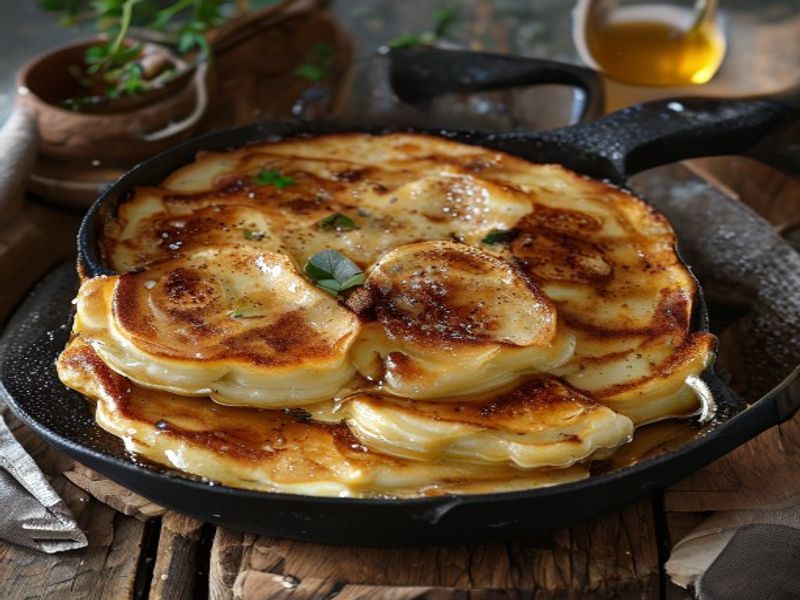
Skillet ricotta pancakes deliver a structurally superior crumb because the dairy proteins and fat interrupt gluten development, yielding a tender, high-protein interior with a crisp cast-iron crust. This 20-minute quick breakfast recipe relies on precise thermal management and a minimalist batter ratio. The technique is straightforward enough for intermediate home cooks, but demands attention to pan temperature and resting time to prevent dense results. The accompanying brown butter maple syrup introduces nutty diacetyl compounds that complement the mild tang of ricotta. In my experience, mastering the cast iron heat curve is the single most important factor for consistent pancake execution. This guide breaks down the exact ratios, thermal targets, and visual cues required for professional-grade results every time.
What You’ll Need
Ingredients
- 1.5 cups (180g) all-purpose flour, spooned and leveled
- 1 tablespoon (12g) baking powder, aluminum-free
- 0.5 teaspoon (3g) fine sea salt
- 1.25 cups (300g) whole-milk ricotta cheese, drained if watery
- 3 large eggs (approx. 50g each), room temperature
- 0.25 cup (60ml) whole milk, cold
- 1.5 teaspoons (7.5ml) pure vanilla extract
- 3 tablespoons (42g) unsalted butter, for cooking
- 0.5 cup (120ml) pure maple syrup, for finishing
- 0.5 teaspoon (1g) ground Ceylon cinnamon
Ingredient Notes: Use whole-milk ricotta for optimal fat content; low-fat versions produce a rubbery texture. Cold milk slows protein coagulation slightly, preserving tenderness. Pure maple syrup contains invert sugars that resist crystallization when heated with butter.
Equipment
- 12-inch cast iron skillet (pre-seasoned, heavy-gauge)
- Digital kitchen scale or nested measuring cups/spoons
- Whisk and silicone spatula (heat-resistant to 480°F / 249°C)
- Instant-read thermometer (optional but recommended)
- 12-Inch Pre-Seasoned Cast Iron Skillet [Check Price on Amazon]
Prep Work
Proper mise en place prevents thermal degradation during the cooking window. Measure dry ingredients into a medium bowl. Whisk the flour, baking powder, and salt for exactly 15 seconds to distribute leavening evenly and prevent localized over-aeration. In a separate bowl, combine the ricotta, eggs, cold milk, and vanilla. Whisk until the mixture is homogenous but slightly textured; over-whisking incorporates excess air that collapses under heat. Keep the dry mixture at room temperature (68°F–72°F / 20°C–22°C). Refrigerate the wet mixture for exactly 8 minutes if your kitchen exceeds 78°F / 26°C, as warm batter causes premature baking powder activation. The batter should be mixed no earlier than 3 minutes before hitting the skillet. You can measure and combine dry ingredients up to 4 hours ahead if stored in an airtight container at room temperature. Wet ingredients must remain fresh.
Cooking Instructions
- Preheat the Cast Iron: Place the 12-inch skillet over medium heat for 4 minutes. Verify surface temperature reaches 325°F / 163°C using an infrared thermometer or by hovering your hand 2 inches above the pan; you should feel steady, radiating warmth without aggressive heat waves. Cast iron retains thermal mass poorly if heated too quickly, causing uneven browning.
- Clarify the Cooking Fat: Add 1.5 tablespoons (21g) of unsalted butter to the center. Let it melt and foam for 45 seconds until the milk solids turn translucent and the sizzle settles. Wipe excess with a paper towel if pooling occurs; you need a thin, even film.
- Portion and Spread: Using a 1/4-cup (60ml) measure, drop batter onto the skillet. Leave exactly 1.5 inches (4cm) between portions to account for lateral spread. Do not press or flatten. The batter will naturally level into a 4-inch (10cm) circle.
- First Side Cook: Cook undisturbed for 2.5 to 3 minutes. Watch for three visual cues: edges dry out and lift slightly from the pan, 15–20 bubbles form and pop on the surface, and the underside achieves a deep golden-brown crust. If the edges remain wet or pale at 3 minutes, increase heat by 10°F / 5°C. If they darken too quickly, reduce heat immediately.
- Flip and Finish: Slide the spatula completely underneath, lift cleanly, and flip in one motion. Cook the second side for exactly 1.5 to 2 minutes. The center should spring back when lightly pressed with a fingertip. Internal temperature should reach 190°F / 88°C. Transfer to a wire rack; do not stack, as trapped steam softens the crust.
- Prepare Brown Butter Maple Cinnamon: While the second batch cooks, add the remaining 1.5 tablespoons (21g) butter to a small stainless steel saucepan over medium-low heat (275°F / 135°C). Swirl continuously for 2–3 minutes until the butter turns amber and emits a nutty aroma. Immediately remove from heat and whisk in the maple syrup and cinnamon. The mixture will foam vigorously; this is normal emulsification. Keep warm at 140°F / 60°C until service.
Common Mistakes to Avoid: Overmixing the batter develops gluten, creating a chewy rather than fluffy texture. Flipping too early ruptures the setting protein matrix, causing collapse. Using high heat (>375°F / 190°C) burns the exterior before the center reaches 190°F / 88°C.
Pro Tips
- Thermal Resting: Let the batter rest for exactly 3 minutes after combining wet and dry. I find that this brief hydration window allows starch granules to absorb liquid uniformly, resulting in taller, more uniform rise and eliminating dry pockets.
- Substitutions That Work: For a gluten-free version, replace all-purpose flour with 1.5 cups (180g) of a 1:1 baking blend containing xanthan gum. For dairy-free, substitute ricotta with 1.25 cups (300g) blended silken tofu and 2 tablespoons (30ml) neutral oil; texture will be slightly denser but structurally sound.
- Make-Ahead Strategy: These pancakes do not store well raw due to baking powder degradation. Cook fully, cool on a rack for 10 minutes, then freeze in a single layer on a parchment-lined sheet for 2 hours. Transfer to airtight bags. Reheat in a 350°F / 177°C oven for 8 minutes to restore crust integrity without drying.
Serving Suggestions
Portion 3 pancakes (approx. 240g total) per adult. The high-protein ricotta base sustains energy for 3–4 hours, making this an efficient healthy morning meal. Serve alongside lightly roasted tart berries (raspberries or blackberries) to cut through the rich brown butter. For easy weekend brunch ideas, pair with smoked salmon or a soft-poached egg; the savory elements contrast the cinnamon spiced breakfast profile without clashing. Drizzle 2 tablespoons (30ml) of the warm syrup per serving to maintain optimal viscosity and flavor balance.
FAQ
Can I use frozen ricotta for this recipe?
Yes, but only if thawed completely in the refrigerator for 12 hours and drained thoroughly. Frozen ricotta separates, releasing excess whey that dilutes the batter. Press it through a fine-mesh sieve lined with cheesecloth for 5 minutes to remove surplus moisture before measuring.
How do I know when the pancakes are fully cooked?
Beyond the visual golden crust and springy center, insert an instant-read thermometer horizontally into the thickest part. It must read 190°F / 88°C. If it reads below 185°F / 85°C, the interior remains gummy. If it exceeds 195°F / 90°C, the proteins have overcoagulated and will dry out rapidly.
Can I prep the full batter ahead and refrigerate overnight?
No. The baking powder reacts with moisture upon contact, and refrigeration halts gas retention. By morning, the leavening is spent, yielding flat, dense pancakes. If you must prep ahead, combine only dry ingredients and wet ingredients separately, then mix immediately before cooking.
*As an Amazon Associate I earn from qualifying purchases.
发表回复