Introduction
This Beef and Vegetables Soup (Mexican) delivers a clean, deeply flavored broth loaded with tender meat and vibrant produce. This recipe works because it builds layers of flavor through controlled searing, precise simmering temperatures, and staged vegetable additions. It is designed as an easy recipe that yields a homemade, healthy meal without requiring advanced culinary training. The key to success lies in managing moisture retention, maintaining a gentle simmer, and preserving vegetable texture through strategic timing. This dish suits beginner to intermediate cooks who want consistent, restaurant-quality results through disciplined technique and proper ingredient handling.
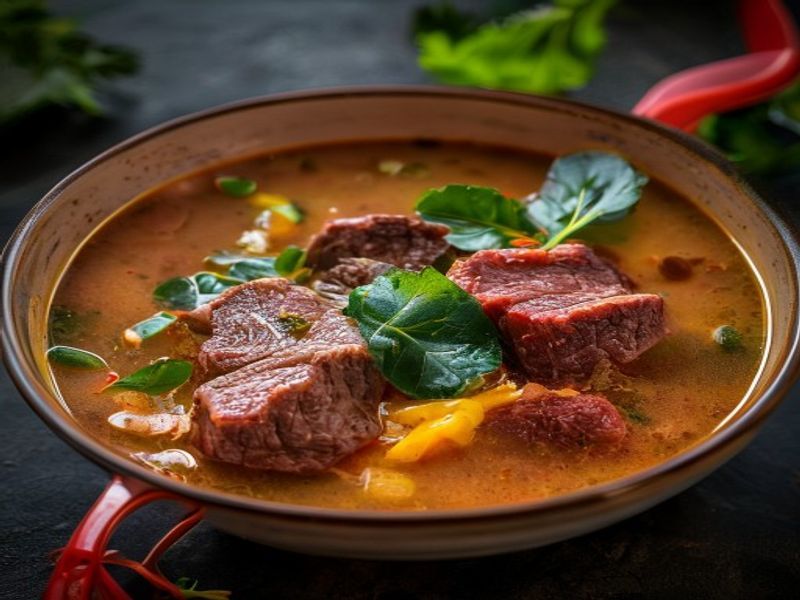
What You’ll Need
Ingredients
- Beef chuck roast: 1.5 pounds, trimmed and cut into 1.5-inch cubes
- Neutral oil: 2 tablespoons (canola or avocado)
- Yellow onion: 1 medium (8 oz), diced to 0.5-inch pieces
- Garlic: 4 cloves, finely minced
- Roma tomatoes: 3 medium (12 oz), diced
- Low-sodium beef broth: 8 cups (64 oz)
- Water: 2 cups (16 oz)
- Ground cumin: 1.5 teaspoons
- Dried Mexican oregano: 1 teaspoon
- Ancho chili powder: 0.5 teaspoon
- Kosher salt: 1.5 teaspoons, plus more to taste
- Black pepper: 0.5 teaspoon, freshly cracked
- Carrots: 3 medium (8 oz), peeled and sliced 0.25-inch thick
- Yukon Gold potatoes: 1 pound, cut into 1-inch cubes
- Zucchini: 1 large (10 oz), halved lengthwise, sliced 0.5-inch thick
- White corn kernels: 1 cup (fresh or frozen, thawed)
- Fresh cilantro: 0.5 cup, roughly chopped
- Limes: 2, juiced (approx. 3 tablespoons)
Ingredient Selection Notes: Chuck roast provides optimal collagen and fat content for slow braising, yielding a silky broth and tender meat. Roma tomatoes offer concentrated acidity without excess water. Use Mexican oregano over Mediterranean; it has a sharper, citrusy profile that stands up to beef. Select potatoes with lower starch content (Yukon Gold) to prevent disintegration during simmering.
Equipment
- 6-quart enameled cast iron Dutch oven or heavy-bottomed stockpot
- Instant-read digital thermometer
- 10-inch chef’s knife and cutting board
- Stainless steel ladle and fine-mesh skimmer
- Wooden spoon or silicone spatula
- [Check Price on Amazon – 6-Quart Dutch Oven]
Prep Work
Proper preparation dictates cooking consistency. Begin by patting the 1.5 pounds of beef cubes completely dry with paper towels. Surface moisture prevents proper Maillard reaction and causes steaming instead of browning. Let the meat sit at room temperature for 20 minutes while you chop the vegetables. Cold meat hitting hot oil drops pan temperature drastically, leading to uneven searing.
Dice the onion, mince the garlic, and chop the tomatoes to uniform 0.5-inch pieces. Uniformity ensures even cooking and consistent flavor distribution. Cut carrots and potatoes to the specified dimensions; larger pieces require longer simmer times and may remain hard. Slice zucchini last, as it oxidizes quickly. Keep cut vegetables separate on sheet pans or in prep bowls.
Measure spices into a small ramekin to prevent scrambling during active cooking. Bring broth and water to a simmer on the stove, maintaining it at 160°F / 71°C until ready to use. You can prep all vegetables, dry the beef, and measure spices up to 12 hours ahead. Store everything in airtight containers in the refrigerator. Bring meat and broth to room temperature 30 minutes before cooking to ensure even thermal transfer.
Cooking Instructions
- Sear the Beef: Heat your Dutch oven over medium-high heat until the oil reaches 375°F / 190°C. Add beef cubes in a single layer, ensuring pieces do not touch. Sear undisturbed for 3 minutes per side until a deep mahogany crust forms. Remove with tongs and set aside. Why it matters: High-heat searing creates fond (browned bits) on the pot bottom, which dissolves into the broth for complex flavor. Common mistake: Overcrowding the pan drops oil temperature to 250°F / 121°C, causing meat to boil in its own juices. Work in two batches if necessary.
- Build the Aromatic Base: Reduce heat to medium. Add diced onion to the same pot and cook for 4 minutes, stirring occasionally, until translucent and edges soften. Add minced garlic and cook for 30 seconds until fragrant. Add diced tomatoes, cumin, oregano, and chili powder. Cook for 2 minutes until tomatoes break down and oil separates slightly from the paste. Visual cue: The mixture should darken slightly and release a toasted spice aroma. If the pan looks dry, add 1 tablespoon of water to prevent burning.
- Deglaze and Simmer: Pour in 1 cup of the prepared broth. Scrape the bottom of the pot vigorously with a wooden spoon to lift all fond. Return seared beef to the pot. Add remaining broth, water, salt, and pepper. Bring to a boil, then immediately reduce heat to maintain a gentle simmer at 185°F / 85°C. Cover partially and cook for 60 minutes. Check meat with an instant-read thermometer; it should reach 195°F / 90°C internal temperature or yield easily to light pressure from a fork.
- Add Hard Vegetables: Add carrots and potatoes to the simmering broth. Continue cooking uncovered at 185°F / 85°C for 20 minutes. Stir gently every 5 minutes to prevent sticking. What to watch for: Potatoes should become tender at the edges but retain their shape. If they start crumbling, the heat is too high. Reduce burner to low and adjust lid coverage.
- Finish with Soft Vegetables: Add zucchini and corn. Cook for exactly 8 minutes at 185°F / 85°C. The zucchini should turn bright green and soften to a crisp-tender texture. Overcooking past this point releases excess water, diluting the broth. Remove pot from heat immediately. Stir in lime juice and chopped cilantro. Rest uncovered for 5 minutes to allow flavors to integrate before serving.
Pro Tips
Skimming the surface fat during the first 30 minutes of simmering ensures a clean, refined broth. Use a fine-mesh skimmer or a paper towel dragged lightly across the surface. I find that adding a single bay leaf during the simmer stage subtly enhances depth without overpowering the Mexican spice profile, but remove it before adding zucchini to avoid bitter notes. For substitutions, flank steak works but requires only 40 minutes of simmering; reduce initial cook time accordingly to prevent toughness. This soup freezes exceptionally well for up to 3 months. Omit zucchini and corn before freezing, as they turn mushy upon reheating. Add them fresh when reheating on the stovetop.
Serving Suggestions
Serve immediately while hot to preserve vegetable integrity and broth clarity. Each portion should contain approximately 4 ounces of beef, 1 cup of mixed vegetables, and 1.5 cups of broth. Pair with warm corn tortillas, sliced avocado, and pickled jalapeños for authentic contrast. A side of crusty bread absorbs the flavorful broth effectively. Garnish with extra cilantro sprigs and a fresh lime wedge on the rim. This composition delivers a balanced, healthy meal with adequate protein, fiber, and complex carbohydrates.
FAQ
Can I use frozen vegetables instead of fresh?
Frozen carrots and potatoes work adequately, but skip thawing to prevent excess moisture release. Add them directly to the simmering broth and reduce cooking time by 5 minutes. Frozen zucchini is not recommended; it has high water content and will disintegrate during cooking. Always use fresh or thawed corn for optimal texture.
How do I know when it’s done?
Done is determined by meat texture, not time alone. The beef should pierce easily with a fork and reach an internal temperature of 195°F / 90°C. Vegetables are properly cooked when potatoes and carrots yield to gentle pressure without breaking apart, and zucchini remains firm but tender. The broth should taste balanced, not raw or overly salty.
Can I prep this ahead of time?
Yes. The soup actually improves after 24 hours as collagen fully gelatinizes and spices meld. Cool rapidly by placing the pot in an ice bath, then refrigerate in shallow containers for up to 4 days. Reheat gently over low heat to 160°F / 71°C to prevent meat from toughening. Add fresh lime juice and cilantro only after reheating to maintain brightness.
Why is my broth cloudy?
Cloudiness typically results from a rolling boil instead of a controlled simmer. Boiling agitates fat and proteins, creating an emulsion that cannot be skimmed out. Maintain 185°F / 85°C throughout the cooking process. If it happens, strain the broth through a fine-mesh sieve before serving. The flavor remains intact, though visual clarity will improve.
*As an Amazon Associate I earn from qualifying purchases.
发表回复