Introduction
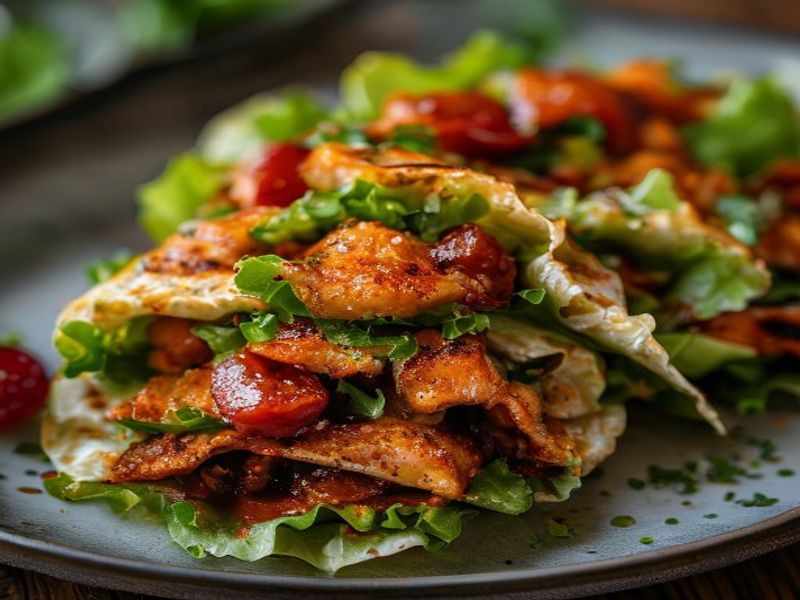
These 15-minute air-fried gochujang chicken lettuce wraps deliver maximum flavor with minimal active time by leveraging rapid convection cooking and a balanced sweet-spicy-savory glaze. The recipe relies on precise temperature control and proper ingredient sequencing to achieve tender, high-protein chicken with a lightly caramelized exterior that contrasts sharply with crisp, chilled lettuce. Designed for weeknight efficiency, this method eliminates the need for stovetop oil splatter while preserving the integrity of the gochujang paste, which can burn easily under direct high heat. It is an ideal entry-level recipe for cooks looking to master air fryer protein techniques while keeping meals low carb and nutritionally dense. The structure prioritizes workflow: sauce preparation, protein coating, and assembly happen in parallel, guaranteeing a hot, fresh product within exactly fifteen minutes from start to finish.
What You’ll Need
Ingredients
- 1.5 pounds boneless, skinless chicken thighs: Thighs contain 15-18% more intramuscular fat than breasts, which prevents drying during rapid air frying.
- 3 tablespoons gochujang paste: Look for a Korean brand with fermented soybean and rice as the first two ingredients. Avoid “sauce” blends with added thickeners.
- 2 tablespoons tamari or gluten-free soy sauce: Provides umami depth without wheat. Low-sodium is preferred to control salt levels.
- 1 tablespoon unseasoned rice vinegar: Brightens the heavy paste and balances the heat.
- 1 tablespoon toasted sesame oil: Adds aromatic nuttiness. Do not substitute with regular sesame oil, which lacks the roasted profile.
- 2 teaspoons honey or maple syrup: Essential for surface caramelization and glaze viscosity.
- 3 cloves garlic, finely minced: Provides sharp, aromatic heat. Pre-minced jarred garlic introduces excess moisture.
- 1 teaspoon fresh ginger, grated: Cuts through the richness and adds a clean, spicy top note.
- 2 heads butter lettuce or 1 large head romaine: Butter lettuce cups hold shape best under warm protein. Keep refrigerated until assembly.
- 3 scallions, thinly sliced on a 45-degree bias: Adds fresh allium crunch and visual contrast.
- 1 tablespoon toasted sesame seeds: For garnish and textural finish.
Equipment
- 6-quart basket air fryer with adjustable temperature control
- 12-inch stainless steel mixing bowl
- Instant-read digital thermometer [Check Price on Amazon]
- 8-inch flexible silicone spatula
- Salad spinner or clean kitchen towels
- Sharp 8-inch chef’s knife and 6-inch paring knife
Prep Work
Proper mise en place prevents the common 15-minute meal failure point: rushing assembly while the protein cooks. Begin by trimming excess fat and connective tissue from the chicken thighs. Cut the meat into uniform 1-inch cubes. Consistency in size ensures even heat penetration and prevents smaller pieces from overcooking while larger centers remain raw. Place the cubed chicken in a chilled 12-inch stainless steel mixing bowl. Keeping the protein cold until coating preserves texture and prevents premature bacterial growth.
In a separate small bowl, whisk together the gochujang, tamari, rice vinegar, sesame oil, honey, minced garlic, and grated ginger until the paste fully dissolves into a glossy, uniform sauce. The mixture should coat the back of a spoon without running off immediately. If it appears too thick, add 1 teaspoon of warm water and re-whisk. Wash the lettuce leaves thoroughly and spin or pat completely dry with clean towels. Moisture on the leaf surface creates a barrier that prevents sauce adherence and dilutes flavor. All prep should be completed within 5 minutes. The sauce can be mixed up to 3 days ahead and stored in an airtight container at 40°F / 4°C.
Cooking Instructions
- Preheat the air fryer to 400°F / 200°C for 3 minutes. Preheating establishes a stable thermal environment before the food enters. Without it, the initial 2 minutes of cooking are spent bringing the basket up to temperature, which results in steamed rather than seared protein.
- Coat the chicken thoroughly. Pour the gochujang mixture over the chilled chicken cubes. Toss using the silicone spatula for 30 seconds until every piece is evenly coated. I find that massaging the paste into the meat with clean hands for 15 seconds ensures better adhesion than utensil stirring alone, but sanitize thoroughly before and after.
- Arrange in the basket in a single layer. Transfer the chicken to the preheated air fryer basket. Leave at least 0.5 inches between pieces. Overcrowding blocks convection airflow, trapping steam and preventing the Maillard reaction. If your unit has a 4-quart or smaller basket, cook in two 5-minute batches.
- Cook for 8 minutes total, flipping at the 4-minute mark. Set the timer for 4 minutes. When it sounds, pull the basket and use tongs to turn each piece. Return to the air fryer and cook for 4 more minutes. At this stage, you should hear a light sizzle as residual moisture evaporates and the glaze begins to set.
- Verify doneness and rest. Insert an instant-read thermometer into the thickest piece of chicken. The internal temperature must reach 165°F / 74°C. Visually, the edges should show a deep mahogany caramelization with slight char on the glaze, not blackened or dry. Remove from the air fryer and let rest for 2 minutes on a wire rack or plate. Resting allows juices to redistribute; cutting immediately will release moisture and leave the meat dry.
- Assemble the wraps. Place 3-4 warm chicken pieces into each dried lettuce cup. Garnish with sliced scallions and sesame seeds. Serve immediately while the protein is hot and the lettuce remains crisp.
Common Mistakes to Avoid: Do not spray the basket with nonstick cooking spray containing soy lecithin, as it degrades the air fryer’s nonstick coating over time. Avoid using parchment liners with large solid bases, which restrict bottom airflow. Never skip the thermometer check; visual browning occurs at 140°F / 60°C, well below the safe internal temperature for poultry.
Pro Tips
Glaze Management: Gochujang contains fermented starch and sugars that scorch rapidly above 400°F / 200°C. If your air fryer runs hot or you notice darkening at the 5-minute mark, reduce the temperature to 375°F / 190°C for the final 3 minutes. This gentle finish sets the crust without burning.
Texture Enhancement: In my experience, tossing the chicken with 1 teaspoon of cornstarch before adding the sauce creates a significantly crispier exterior while keeping the interior juicy. The starch forms a micro-barrier that locks in moisture during convection cooking.
Make-Ahead Workflow: Cube the chicken up to 24 hours in advance and store in the refrigerator at 35°F / 2°C. Keep the sauce separate until 10 minutes before cooking. Pre-assembled wraps will wilt and become soggy; always combine hot protein and cold lettuce at service time.
Substitutions That Work: For a completely gluten-free version, verify your gochujang is wheat-free (many traditional pastes use wheat flour as a binder) and stick with tamari. Replace chicken thighs with 1.5 pounds of firm tofu cubes pressed for 15 minutes, then reduce cook time to 6 minutes at 375°F / 190°C.
Serving Suggestions
These Korean-inspired chicken wraps function as a standalone high-protein meal or pair efficiently with quick sides. Serve alongside 1 cup of quick-pickled cucumber ribbons (marinated in 1 tablespoon rice vinegar, 1 teaspoon sugar, and 0.5 teaspoon salt for 5 minutes) to cut through the spice. For carbohydrate balance, add a small portion of warm jasmine rice or a 4-ounce serving of edamame sprinkled with flaky sea salt. Portion guidance: 3 wraps per person provides approximately 28-32 grams of protein and fits standard low-carb lunch parameters. These also scale perfectly for easy weeknight meal prep; store cooked chicken and washed lettuce separately in airtight containers for up to 3 days.
FAQ
Can I use frozen chicken for this recipe?
Technically yes, but it will compromise texture and timing. Frozen chicken releases excess water during cooking, which steams the gochujang glaze instead of caramelizing it. If you must use frozen, thaw completely in the refrigerator for 24 hours, pat dry thoroughly with paper towels, and proceed. Never cook from frozen in an air fryer for this glaze-based method.
How do I know when it’s done without cutting it open?
Always rely on an instant-read thermometer. Insert it horizontally into the center of the largest cube. When it reads 165°F / 74°C, remove it immediately. Secondary cues include the chicken firming up slightly under light tongs pressure and the glaze pulling slightly away from the meat edges with a glossy, sticky finish rather than a wet, translucent appearance.
Can I prep these for lunch the night before?
Yes, but keep components strictly separated. Store cooked chicken in a shallow airtight container with a paper towel layered on top to absorb condensation. Keep lettuce in a sealed container lined with dry paper towels. Reheat the chicken in a microwave at 50% power for 45 seconds or in the air fryer at 350°F / 175°C for 2 minutes. Assemble cold lettuce and warm chicken at lunchtime to preserve crunch.
*As an Amazon Associate I earn from qualifying purchases.
发表回复