Introduction
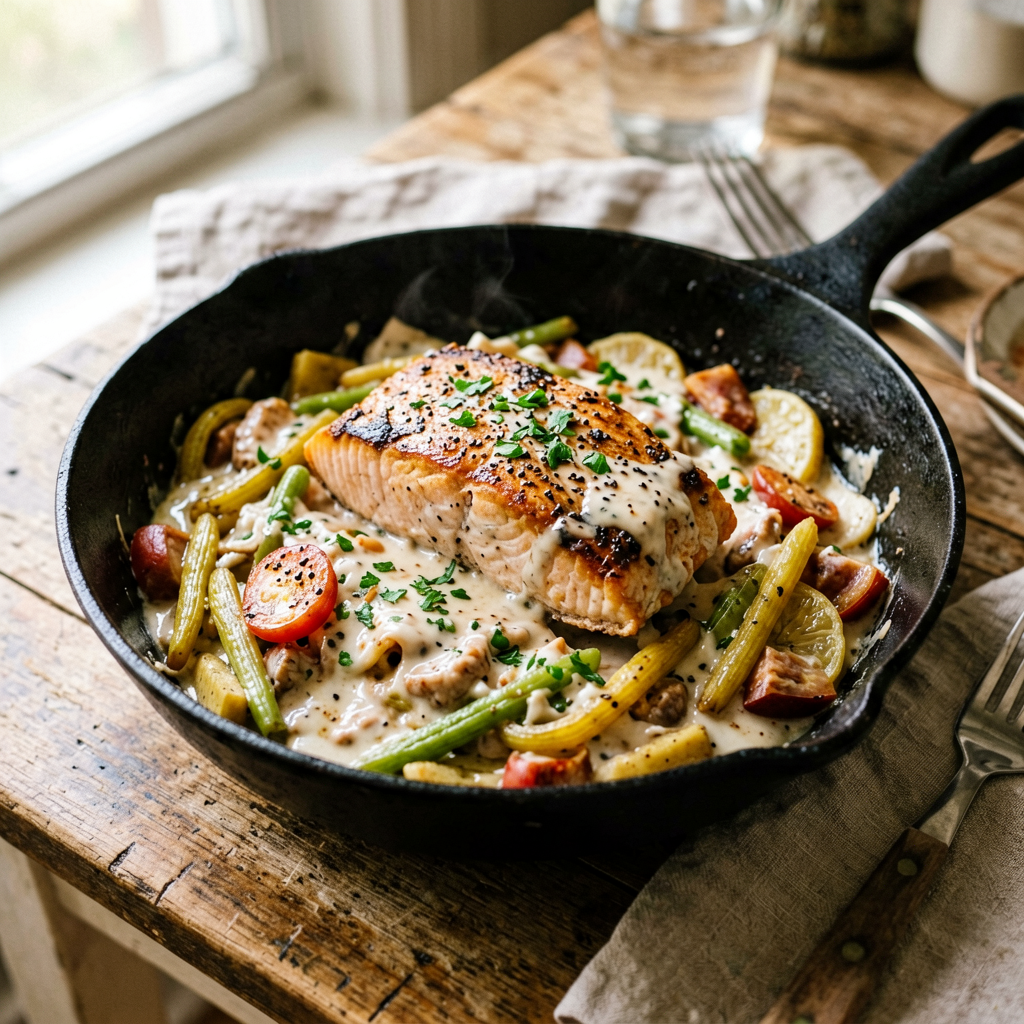
This One-Pan Salmon Stir Fry with a creamy dill sauce is a cornerstone of efficient, high-flavor home cooking. It delivers restaurant-quality results in under 30 minutes, requiring only one pan for cleanup. The technique focuses on achieving a perfectly crisp-skinned salmon fillet while simultaneously stir-frying vegetables to a crisp-tender state. The sauce comes together in the same pan, utilizing the flavorful fond (the browned bits left after searing) for a cohesive, restaurant-style dish. This recipe is ideal for weeknight meals but impressive enough for casual entertaining. It requires intermediate skills—specifically, confident pan-searing and timing hot and cold components. The final dish offers a beautiful balance of textures and temperatures: hot, savory vegetables and salmon against a cool, tangy, creamy sauce.
What You’ll Need
Ingredients
- Salmon: 2 skin-on salmon fillets, 6 oz each, about 1-inch thick. Ensure scales are removed and skin is patted completely dry.
- Vegetables:
- 1 large red bell pepper, sliced into 1/4-inch strips
- 1 cup snap peas, trimmed
- 8 oz shiitake mushrooms, stems removed, caps sliced 1/4-inch thick
- 1 medium carrot, julienned or cut into thin coins
- Aromatics:
- 3 cloves garlic, minced
- 1 tablespoon fresh ginger, finely grated
- Sauce:
- 1/2 cup low-sodium chicken or vegetable broth
- 2 tablespoons Dijon mustard
- 2 tablespoons low-sodium soy sauce or tamari
- 1 tablespoon rice vinegar
- 1 teaspoon honey or maple syrup
- 1/4 cup heavy cream or full-fat coconut cream for dairy-free
- 2 tablespoons fresh dill, finely chopped
- For Cooking:
- 2 tablespoons neutral oil with high smoke point (avocado, grapeseed, or canola), divided
- Salt and freshly ground black pepper
Equipment
- Primary Pan: 12-inch heavy-bottomed stainless steel skillet or a well-seasoned cast-iron skillet. The size is crucial to prevent steaming the salmon and vegetables. [Check Price on Amazon – Lodge Cast Iron Skillet]
- Thin metal fish spatula
- Instant-read thermometer (highly recommended)
- Mixing bowl and whisk for sauce
- Cutting board and sharp chef’s knife
Prep Work (Mise en Place)
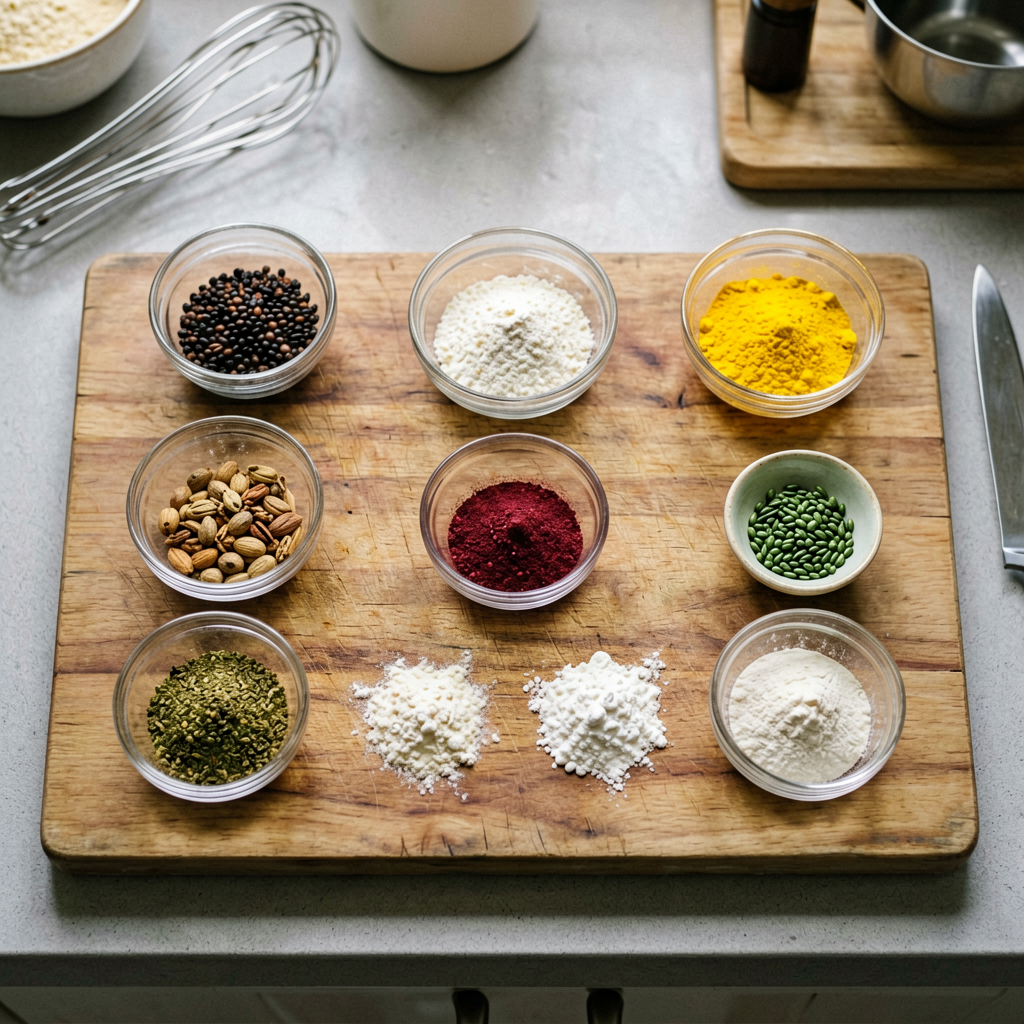
Success in stir-fry cooking is 90% preparation. Complete every step below before your pan ever touches the stove.
- Salmon: Remove fillets from the refrigerator 15 minutes before cooking to take the chill off. This promotes even cooking. Season both sides generously with salt and pepper. Keep skin-side up on a plate until ready to sear.
- Vegetables: Wash, dry, and slice all vegetables as specified. Group them by cooking time: carrots take longest, followed by mushrooms and bell peppers, with snap peas going in last. Store separately.
- Sauce: In a medium bowl, whisk together the broth, Dijon mustard, soy sauce, rice vinegar, and honey until smooth. Set aside. Have the cream and dill ready to add at the end.
- Aromatics: Mince garlic and grate ginger. Keep them together in a small bowl.
Cooking Instructions
Step 1: Sear the Salmon
Place your 12-inch skillet over medium-high heat. Allow it to preheat for 2 minutes until a drop of water evaporates instantly on contact (approx. 400°F / 200°C surface temperature). Add 1 tablespoon of oil and swirl to coat. Gently lay the salmon fillets skin-side down in the pan. You should hear a confident, steady sizzle—not a violent spit. If it’s too quiet, your pan wasn’t hot enough.
Cook undisturbed for 3-4 minutes. Watch for the visual cue: the color of the salmon will turn opaque from the bottom up. When the opaque pink reaches about 1/4 inch up the side, it’s time to flip. Using a thin fish spatula, carefully turn the fillets. Cook for 1 minute more on the flesh side. Transfer salmon to a clean plate, skin-side up to keep it crisp. The internal temperature should be 125°F (52°C) for medium-rare; it will carry over to 145°F (63°C) as it rests.
Step 2: Stir-Fry the Vegetables
Reduce the heat to medium. If the pan is dry, add the remaining 1 tablespoon of oil. Add the carrots and mushrooms. Stir-fry for 3-4 minutes, until the mushrooms have released their moisture and started to brown. Add the bell peppers and cook for 2 minutes more. You want them crisp-tender, not soft. Finally, add the snap peas, garlic, and ginger. Stir constantly for 60-90 seconds until fragrant. Do not let the garlic or ginger burn.
Step 3: Deglaze and Create the Sauce
Pour the pre-mixed sauce base into the hot pan. As it bubbles, use your spatula to scrape up any browned bits (fond) from the bottom—this is pure flavor. Bring the mixture to a gentle simmer. Let it reduce for 1-2 minutes, until it slightly thickens and coats the back of a spoon. Reduce heat to low.
Step 4: Finish the Dish
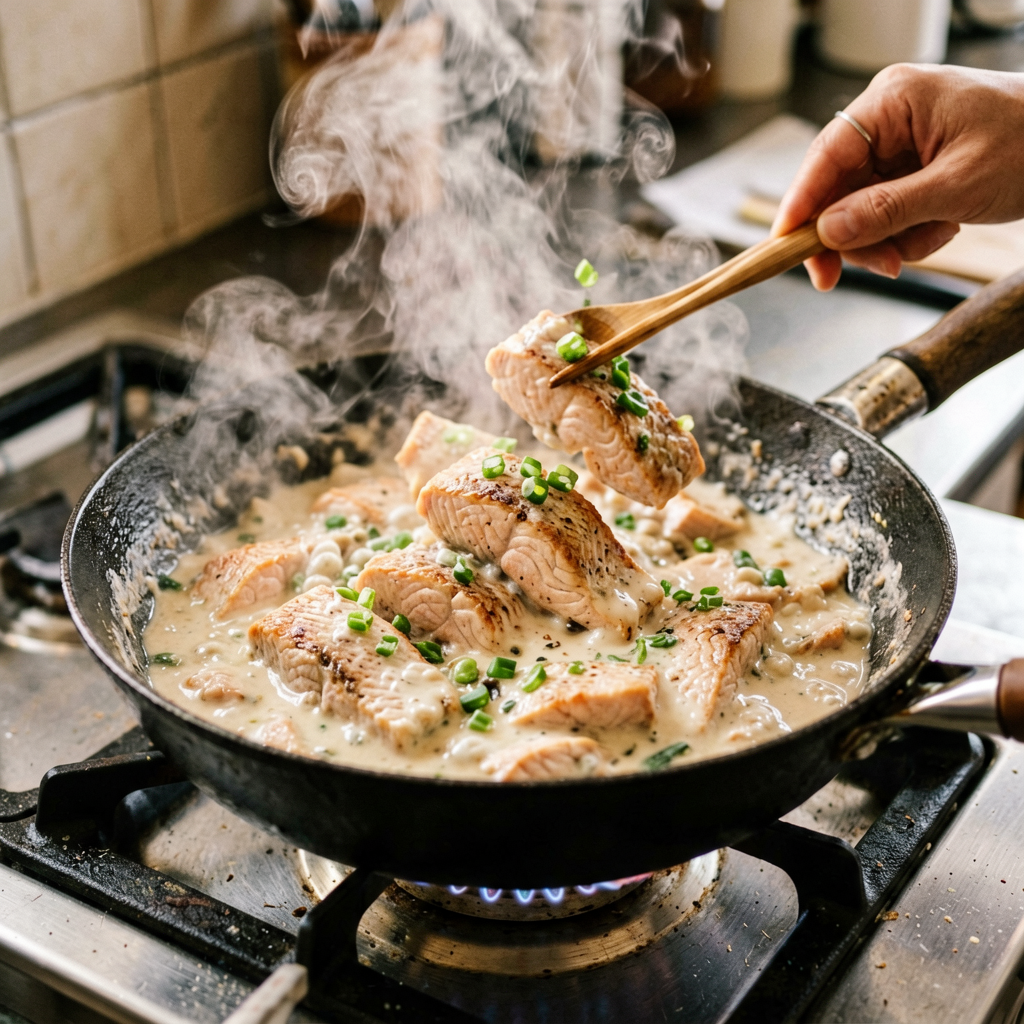
Stir in the heavy cream (or coconut cream) and fresh dill. Allow it to warm through for 30 seconds. Do not boil the sauce after adding cream. Return the salmon fillets to the pan, nestling them skin-side up among the vegetables and sauce. Spoon some sauce and vegetables over the top of the fillets. Let everything warm together for 1 minute.
Pro Tips
- The Skin-Crisping Secret: Patting the salmon skin bone-dry and starting in a properly preheated, hot pan is non-negotiable for crispy skin. If the skin is wet or the pan is cool, it will steam and become rubbery.
- Temperature Control is Everything: High heat for searing salmon, medium for stir-frying vegetables, low for finishing the sauce. Managing these transitions in a single pan is the key technique here.
- Sauce Consistency: If your sauce becomes too thick, add a splash of pasta water or broth. If too thin, let it simmer a bit longer before adding the cream. The final consistency should be like a thin custard, coating the vegetables without being gloopy.
- I find that resting the salmon on a warm plate while you cook the vegetables allows it to finish cooking gently via carryover heat, preventing a dry outcome. In my experience, rushing this step is the most common reason for overcooked salmon.
- Substitutions: For a dairy-free version, full-fat coconut cream works beautifully. You can also use trout or arctic char. Any quick-cooking vegetable (broccoli florets, snap peas, asparagus) can be swapped in based on seasonality.
Serving Suggestions
Immediately transfer the salmon and vegetables to warm plates or shallow bowls, spooning the creamy sauce over the top. Garnish with an extra sprinkle of dill.
- Starch Pairing: This dish is saucy and pairs perfectly over steamed jasmine rice, quinoa, or even buttered noodles to soak up every bit of the creamy sauce.
- Wine Pairing: A crisp, dry white wine like Sauvignon Blanc or Pinot Grigio complements the creamy sauce and rich salmon perfectly.
- Portion Guidance: The recipe serves 2 as a main course. To scale up, cook salmon in batches to avoid overcrowding the pan, and double the sauce ingredients.
FAQ
Can I use frozen salmon?
Yes, but with adjustments. Thaw salmon completely in the refrigerator overnight. Before cooking, you must pat it extremely dry with paper towels, as frozen fish releases more moisture. You may need to sear it for an extra 30-60 seconds per side to achieve a good crust.
How do I know when the salmon is done?
The most reliable method is an instant-read thermometer. Insert it into the thickest part of the fillet. For medium, pull it at 125°F (52°C). It will rise to the FDA-recommended 145°F (63°C) during resting. If you don’t have a thermometer, the fillet should feel firm but still have some give when pressed, and the flesh should be mostly opaque with a slight translucent pink center.
Can I prep this ahead?
Partially, yes. The sauce can be whisked together and refrigerated for up to 3 days. All vegetables can be washed, sliced, and stored in airtight containers in the fridge for 1 day. However, the salmon should be seasoned and cooked from a chilled (not frozen) state just before serving for best texture. The entire stir-fry and assembly process should take less than 15 minutes if your prep is done.
*As an Amazon Associate I earn from qualifying purchases.*
发表回复