Kung Pao Chicken with Costco Rotisserie Chicken (Leftover Hack)
There is a particular kind of magic that happens when the week gets heavy, the rain starts tapping against the kitchen window, and the thought of ordering takeout just feels too slow and too expensive. We have all been there. You open the refrigerator door, hoping for inspiration, and your eyes land on that glorious, golden-brown Costco rotisserie chicken sitting quietly on the middle shelf. It is practically a national treasure at this point, isn’t it? But instead of pulling it apart for another quick sandwich or tossing it into a bland casserole, I want to invite you into my kitchen for something truly special. Today, we are transforming those humble leftovers into a vibrant, restaurant-quality Kung Pao Chicken using only ingredients you can easily grab from Kroger, Costco, or your local American grocery store. No specialty market trips, no complicated prep, just pure, cozy weeknight comfort with a beautiful Chinese-inspired twist.
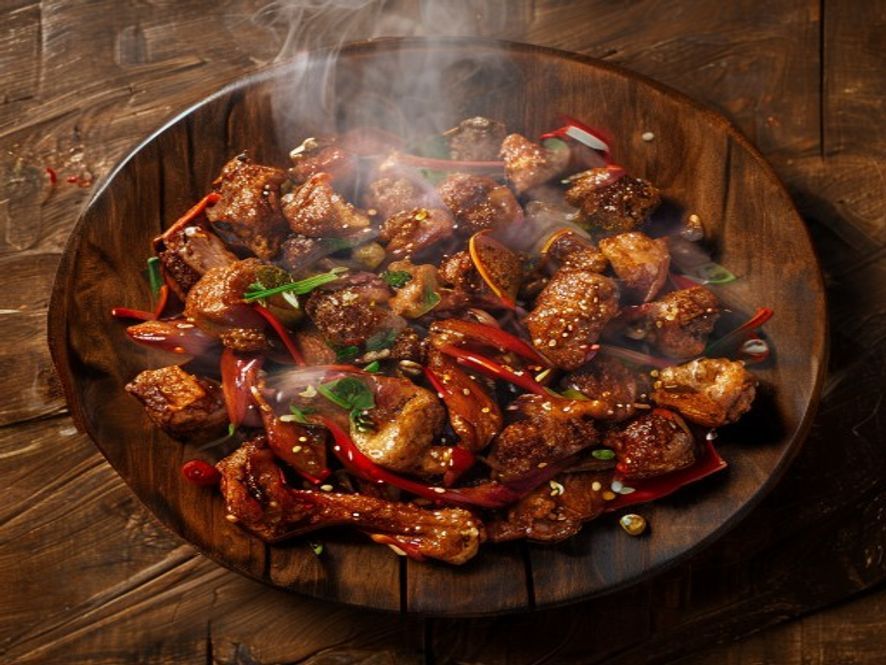
When I first developed this recipe, I was determined to prove that authentic-tasting Chinese food does not require an hour of chopping or a pantry full of obscure imports. We live in a beautiful era where grocery stores have democratized global flavors. With a few clever swaps and a deep appreciation for the humble rotisserie bird, we can create something that tastes like it came straight from a bustling Sichuan kitchen, yet fits perfectly into our busy American lives. Grab your favorite skillet, let’s warm up the stove, and dive into this delicious leftover hack together.
Why This Works
You might be wondering why a pre-cooked chicken works so beautifully in a stir-fry that traditionally calls for raw, marinated meat. The secret lies in timing and texture. Traditional Kung Pao chicken requires slicing, marinating in cornstarch and soy sauce, and then flash-frying until perfectly tender. It is wonderful, but it adds twenty extra minutes to your prep. By starting with Costco rotisserie chicken, we bypass that entirely. The meat is already incredibly moist, deeply seasoned from the roasting process, and perfectly tender. When we toss it into the hot wok or skillet, we are not cooking the chicken; we are simply warming it through and allowing it to soak up that glossy, sweet-and-spicy sauce.
Furthermore, the rotisserie bird brings a subtle, savory depth that raw chicken simply cannot replicate on its own. The natural poultry juices and the gentle herb seasoning blend seamlessly with the toasted dried chilies, Sichuan peppercorns, and roasted peanuts. We are essentially shortcutting the flavor development process without sacrificing authenticity. Pair that with the accessibility of everyday American grocery items like low-sodium soy sauce, rice vinegar from the baking aisle, and bell peppers from the produce section, and you have a recipe that is as practical as it is delicious. It is a beautiful marriage of convenience and culinary tradition, and it consistently earns rave reviews at our dinner table.
Ingredients
One of the things I love most about this recipe is how approachable the ingredient list is. You likely have most of these staples in your pantry right now, and the rest can be picked up during a standard weekend grocery run. I have carefully curated this list to reflect what you will actually find at stores like Kroger, Safeway, or Costco, keeping the shopping trip simple and stress-free.
For the Sauce:
- 1/3 cup low-sodium soy sauce (I prefer the Kroger brand for its balanced saltiness)
- 2 tablespoons Chinese black vinegar or substitute with unseasoned rice vinegar
- 2 tablespoons honey or brown sugar for that signature caramelized sweetness
- 1 tablespoon cornstarch, mixed with 1 tablespoon cold water (this creates our silky glaze)
- 1 teaspoon toasted sesame oil for an aromatic finish
- 1/2 cup warm chicken broth or water to thin the mixture slightly
For the Stir-Fry:
- 2 cups shredded or cubed Costco rotisserie chicken (discard skin if you prefer a leaner dish)
- 2 tablespoons neutral cooking oil (avocado or vegetable oil works perfectly)
- 1 medium red bell pepper, diced into bite-sized pieces
- 1/2 medium yellow onion, thinly sliced
- 1/3 cup roasted peanuts (the Kirkland Signature unsalted roasted peanuts are fantastic)
- 6-8 dried whole red chilies (found in the international or spice aisle)
- 1 teaspoon Sichuan peppercorns, lightly crushed
- 3 cloves fresh garlic, finely minced
- 1 tablespoon fresh ginger, grated or finely minced
- 2 green onions, sliced on a diagonal for garnish
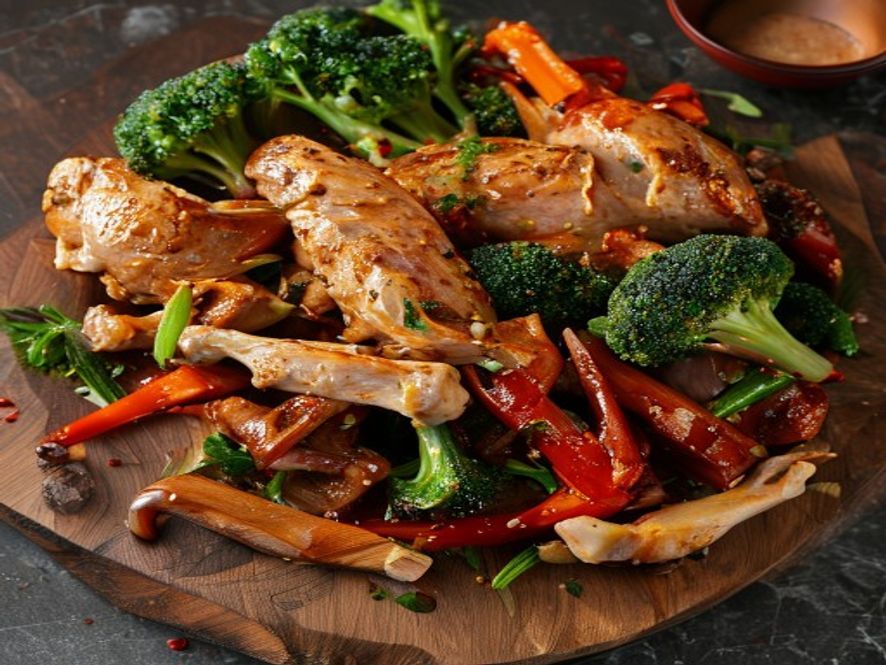
I always recommend prepping your ingredients before you even turn on the stove. Stir-frying moves incredibly fast, and having everything measured, chopped, and within arm’s reach is the golden rule of a smooth cooking experience. We want to enjoy the process, not stress over a missing measuring spoon while the garlic is burning!
Steps
Now for the fun part. We are going to bring this dish together in just three straightforward phases. I will walk you through each moment so you feel completely confident in the kitchen. Remember, the heat should be medium-high, but never so high that it scorches the aromatics. We want a steady, lively sizzle.
- Whisk the sauce: In a small bowl or glass measuring cup, combine the soy sauce, vinegar, honey, warm broth, and sesame oil. Stir until the honey completely dissolves. Add the cornstarch slurry last and give it one final, vigorous whisk. Set this aside near the stove.
- Toast the aromatics and peanuts: Place your wok or large heavy-bottomed skillet over medium heat. Add the neutral oil and let it shimmer. Toss in the dried red chilies and crushed Sichuan peppercorns. Let them sizzle gently for about thirty seconds until fragrant. Add the peanuts and toast them for another minute until they deepen in color and release their oils. Remove everything from the pan with a slotted spoon and set aside on a small plate.
- Sear the vegetables: In the same pan, increase the heat slightly. Add the diced bell pepper and sliced onion. Stir-fry for two to three minutes until they begin to soften but still retain a pleasant crunch. Push them to one side of the pan.
- Infuse the base: Add a tiny splash of oil to the cleared side of the pan if it looks dry. Drop in the minced garlic and ginger. Let them sizzle for just fifteen seconds until you can smell that incredible aroma. Do not let them brown.
- Combine and coat: Add the shredded rotisserie chicken to the pan. Toss everything together, mixing the vegetables, chicken, and aromatics thoroughly. Pour the prepared sauce over the top. Stir continuously for about two minutes. You will watch as the sauce bubbles, thickens, and clings beautifully to every piece of chicken and pepper.
- Finish and serve: Return the toasted peanuts, chilies, and Sichuan peppercorns to the pan. Give it one final toss to redistribute everything. Turn off the heat immediately to preserve the crunch of the nuts. Plate over steamed jasmine rice or cauliflower rice, and garnish generously with fresh green onions.
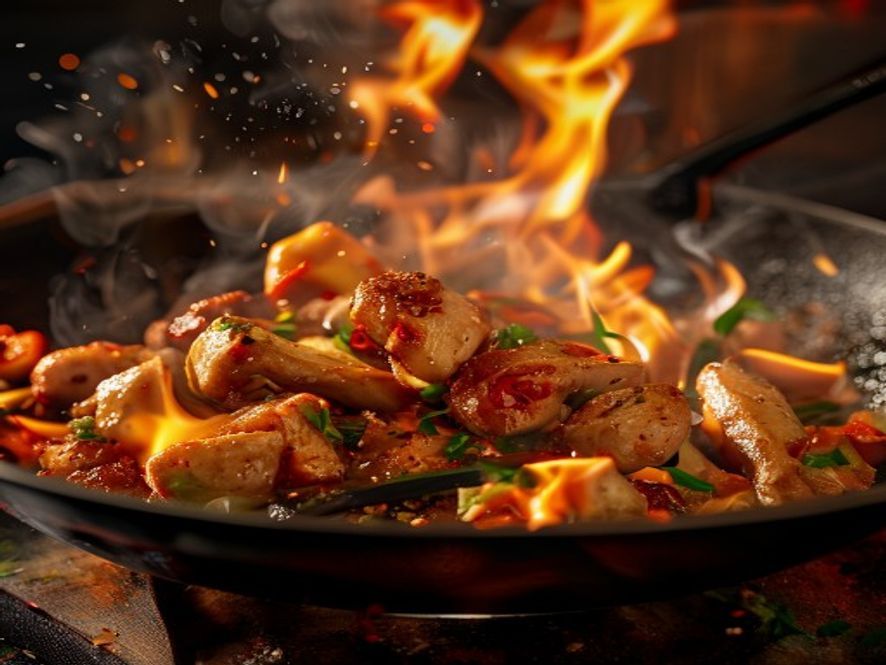
The moment that sauce hits the hot pan, your kitchen will fill with the most comforting, mouth-watering aroma. It is the kind of smell that makes neighbors peek out their windows and wonder what you are making. Serve it immediately while it is hot, glossy, and perfectly coated.
Tips
Cooking is as much about intuition as it is about following a recipe, and over the years, I have gathered a few little tricks that elevate this dish from good to absolutely unforgettable. I hope you find them as useful as I do.
- Control the moisture: Because rotisserie chicken is already cooked, it can sometimes release a bit of extra liquid. If your sauce seems too thin after tossing, simply let it bubble for an extra thirty seconds, or add a half-teaspoon of cornstarch dissolved in cold water.
- Adjust the heat: The dried chilies are where the spice lives, but they do not need to be eaten. You can leave them whole for visual appeal and gentle warmth, or carefully snip them open with kitchen shears before adding them to the pan for a bolder kick. We usually serve this at a medium spice level so the whole family can enjoy it.
- Use the right pan: A carbon steel wok is traditional, but a heavy stainless steel skillet or cast iron pan works beautifully. The key is heat retention. Thin non-stick pans tend to cool down too quickly when you add ingredients, which leads to steaming instead of frying.
- Don’t overcrowd: If you are cooking for a larger crowd, double the sauce but cook the chicken in two batches. Overcrowding drops the pan temperature and ruins that beautiful, glossy finish we are aiming for.
FAQ
Can I use fresh chicken breast or thighs instead?
Absolutely. If you prefer to start with raw meat, slice 1 pound of boneless, skinless chicken into uniform strips. Toss it with 1 tablespoon of soy sauce, 1 tablespoon of cornstarch, and a pinch of white pepper. Let it marinate for fifteen minutes before stir-frying. You will need to cook the raw chicken thoroughly in step three before adding the vegetables, which adds about four to five minutes to the total time.
Is this recipe gluten-free?
It can easily be made gluten-free by swapping the regular soy sauce for a certified gluten-free tamari or coconut aminos. Double-check that your cornstarch and vinegar are also certified if you are cooking for someone with celiac disease or a severe sensitivity.
How spicy is it really?
This recipe is designed to be approachable. The heat comes primarily from the Sichuan peppercorns, which provide a tingling, citrusy numbness rather than outright burn, and the dried chilies, which infuse the oil with a gentle warmth. If you are sensitive to spice, reduce the dried chilies to four and omit the peppercorns. You can always add chili crisp or red pepper flakes at the table for extra kick.
Can I meal prep this for the week?
I highly recommend it. The flavors actually improve after resting in the refrigerator for a few hours. Store it in airtight glass containers for up to four days. When reheating, I suggest adding a splash of water or broth and microwaving at fifty percent power, or gently warming it in a skillet over low heat to prevent the peanuts from turning soggy.
Where can I find Sichuan peppercorns?
Most major grocery chains now carry them in the international foods aisle or the spice section. If your local Kroger or Walmart does not stock them, they are widely available online. If you truly cannot find them, a light pinch of black pepper combined with a tiny dash of lemon zest will give you a similar bright, earthy note, though it will not be identical.
We hope this cozy, clever leftover hack becomes a staple in your weekly cooking routine. There is something deeply satisfying about turning a simple grocery store purchase into a restaurant-worthy meal, and I truly believe this dish proves that delicious food does not have to be complicated. Thank you for spending this time in the kitchen with me. I cannot wait to hear how your version turns out!
🛒 Recommended Products
*As an Amazon Associate I earn from qualifying purchases.
*As an Amazon Associate I earn from qualifying purchases.
发表回复