作者: Alex Chen

  • 20-Minute Skillet Sweet Potato Hash with Brown Butter & Crispy Sage

    20-Minute Skillet Sweet Potato Hash with Brown Butter & Crispy Sage

    This sweet potato breakfast hash delivers restaurant-quality texture and flavor in a fraction of the time. By leveraging high-heat searing followed by a controlled brown butter finish, the dish achieves a crisp exterior while maintaining a tender, caramelized interior. The technique is straightforward but demands precision in dice size, pan temperature, and timing to prevent steaming. Ideal for weeknights or weekend mornings, this skillet breakfast recipe requires only foundational knife skills and basic heat management. Whether you are building quick vegetarian morning meals or assembling gluten-free breakfast bowls, the method scales effortlessly. The brown butter sage hash component adds a nutty, aromatic depth that transforms simple root vegetables into a composed dish. Follow the temperature and timing cues below for consistent, professional results every time.

    Finished 20-Minute Skillet Sweet Potato Hash with Brown Butter & Crispy Sage beautifully plated, professional food photography, natural lighting

    What You’ll Need

    Ingredients

    • Sweet potatoes: 1.5 pounds (approx. 2 medium), firm and unblemished
    • Yellow onion: 1 large (about 1 cup diced), fresh and firm
    • Bell pepper: 1 medium, red or orange for sweetness and color
    • Fresh sage: 12 large leaves, rinsed and thoroughly patted dry
    • Unsalted butter: 4 tablespoons (1/2 stick), cold from refrigerator
    • Avocado oil: 2 tablespoons, high smoke point required
    • Kosher salt: 1.5 teaspoons, divided
    • Black pepper: 1/2 teaspoon freshly cracked
    • Smoked paprika: 1/4 teaspoon
    • Apple cider vinegar: 1 teaspoon, for deglazing

    Ingredient Selection Notes

    Choose sweet potatoes with uniform girth to ensure even cooking. Cold butter browns more predictably than softened butter because the milk solids separate gradually rather than seizing. Dry sage is non-negotiable; moisture causes violent oil splattering and prevents proper crisping.

    Equipment Required

    • 12-inch cast iron skillet or heavy stainless steel pan
    • Chef’s knife (8-inch or 10-inch)
    • Flexible spatula with thin edge
    • Instant-read thermometer
    • Paper towels for drying herbs

    Prep Work

    Proper mise en place dictates the pace of this 20 minute breakfast recipe. Begin by peeling the sweet potatoes and dicing them into precise 1/2-inch cubes. Uniform sizing is critical; irregular pieces will cook at different rates, resulting in some mushy and others underdone. Transfer diced potatoes to a bowl and toss with 1 teaspoon kosher salt and 1/4 teaspoon smoked paprika. Salt draws surface moisture, which promotes faster Maillard reaction when hitting the pan.

    Finely dice the yellow onion and bell pepper into 1/4-inch pieces to match the cooking timeline. Rinse the sage leaves, then lay them flat between double-layer paper towels. Press firmly to remove all residual water. Keep all components chilled until the moment they hit the skillet to maintain structural integrity. The entire prep phase should take 7–8 minutes. You can dice the vegetables up to 12 hours in advance and store them in airtight containers in the refrigerator, but do not salt the potatoes until immediately before cooking.

    Cooking Instructions

    1. Preheat the Pan: Place your 12-inch cast iron skillet over medium-high heat (400°F / 205°C surface temp). Allow it to heat for 3 minutes undisturbed. A properly heated pan prevents sticking and initiates immediate searing. Add 2 tablespoons avocado oil and swirl to coat the surface.
    2. Initial Sear (Sweet Potatoes): Spread the diced sweet potatoes in a single layer. Do not crowd the pan. Cook undisturbed for 4 minutes until a deep golden crust forms on the bottom. You should hear a steady sizzle, not a hiss. A hiss indicates steaming, meaning the pan is too cool or overcrowded. Flip and cook for another 3 minutes. Remove to a plate if browning too quickly.
    3. Build the Aromatics: Reduce heat to medium (350°F / 175°C). Add diced onion and bell pepper. Cook for 3–4 minutes, stirring occasionally, until edges soften and turn translucent. Add the sweet potatoes back to the skillet. Season with 1/2 teaspoon kosher salt and 1/2 teaspoon black pepper. Toss to combine.
    4. Brown the Butter: Push the hash to one side of the pan. Add 4 tablespoons cold unsalted butter to the empty side. Swirl continuously for 2–3 minutes. Watch for the foam to subside and the butter to transition to an amber hue. You will smell toasted nuts and see golden milk solids at the bottom. Remove from heat immediately at this stage to prevent burning.
    5. Crisp the Sage & Finish: Add the dried sage leaves to the brown butter. They will fry rapidly and crisp within 30–45 seconds. Drain on paper towels if needed, then return to the pan. Drizzle 1 teaspoon apple cider vinegar to deglaze and brighten the dish. Toss everything together for 1 minute to coat evenly. Remove from heat and serve immediately.

    Common Mistakes to Avoid: Overcrowding the pan traps steam and prevents crust formation. Adding butter to a pan hotter than 350°F / 175°C causes instant burning. Skipping the acid finish leaves the dish heavy and one-dimensional.

    Pro Tips

    • Temperature Control is Key: I find that letting the sweet potatoes sit at room temperature for 5 minutes before cooking reduces the thermal shock to the pan, promoting a more even sear without scorching the edges.
    • Butter Management: In my experience, using European-style butter with 82% fat content yields a deeper nutty flavor and browns more slowly, giving you a wider window to catch the perfect amber stage. If you notice dark specks forming rapidly, pour the butter into a cool bowl immediately to halt carryover cooking.
    • Make-Ahead Strategy: The hash can be par-cooked and cooled, then reheated in a hot skillet with 1 teaspoon of fresh oil. This restores crispness in under 4 minutes. Do not microwave, as it will soften the exterior.
    • Substitutions: Swap sweet potatoes for butternut squash or Yukon gold potatoes using the same dice size. Replace sage with rosemary or thyme, but reduce frying time by 10 seconds as they scorch faster.

    Serving Suggestions

    This dish yields 4 generous portions (approximately 1.5 cups per serving). For balanced meals, pair with two poached or fried eggs for added protein, or serve alongside Greek yogurt for a quick vegetarian morning meal that balances richness with acidity. The hash also works beautifully as a base for gluten-free breakfast bowls when topped with sliced avocado, microgreens, and a squeeze of fresh lemon juice. Garnish with the reserved crispy sage leaves and a final crack of black pepper. Serve immediately while the crust remains intact; texture degrades within 5 minutes of resting.

    FAQ

    Can I use frozen sweet potatoes?

    No. Frozen sweet potatoes release excessive water during thawing, which prevents proper browning and steams the vegetables instead of searing them. Always start with fresh, firm potatoes for optimal crust development.

    How do I know when the hash is fully cooked?

    The interior should yield easily to a fork with zero resistance, while the exterior displays a uniform mahogany color. An instant-read thermometer will read 205°F / 96°C internally when fully tender.

    Can I prep this ahead?

    Yes, dice and store the vegetables separately in the refrigerator for up to 24 hours. Cook the hash completely, cool it rapidly on a sheet pan, and refrigerate. Reheat in a dry 12-inch skillet over medium-high heat (375°F / 190°C) for 3–4 minutes to restore crispness before adding the brown butter and sage.

    What pan size is essential for this recipe?

    A 12-inch cast iron skillet provides the optimal surface area-to-ingredient ratio. Smaller pans force overcrowding, which drops the cooking temperature and creates a soggy texture. For a reliable workhorse, check out this professional-grade 12-inch cast iron skillet [Check Price on Amazon.

    *As an Amazon Associate I earn from qualifying purchases.
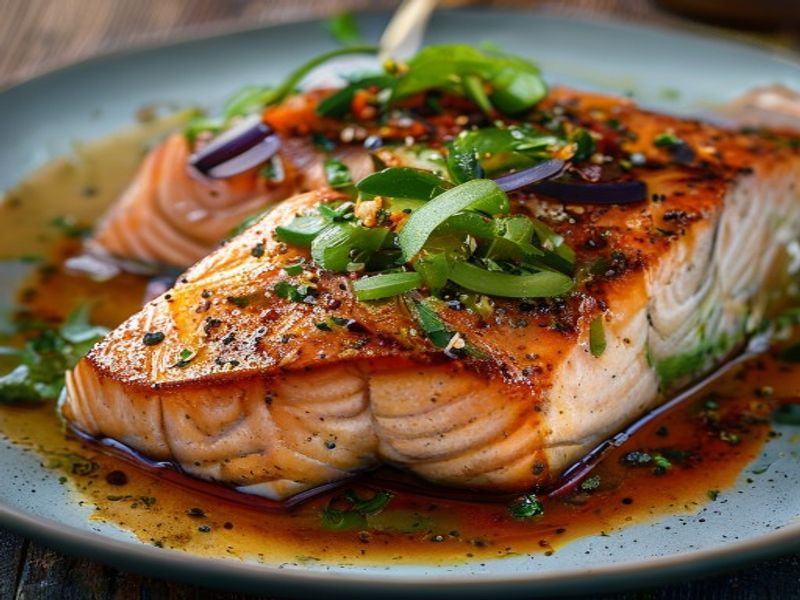
  • 15-Minute Pan-Seared Miso-Ginger Salmon with Sesame Cucumber Salad

    Introduction

    This 15-minute pan-seared salmon recipe delivers a professional-grade balance of umami, brightness, and texture without demanding advanced culinary skills. The miso-ginger glaze caramelizes rapidly under high heat, creating a savory crust that contrasts with the tender, flaky interior. Paired with a crisp sesame cucumber salad, this dish functions as a complete high-protein lunch bowl that stays light and refreshing. It is ideal for home cooks seeking quick healthy lunch ideas or an easy weeknight lunch that requires minimal active time. The technique relies on controlled heat, precise moisture management, and proper resting to guarantee consistent results. Whether you are meal prepping or cooking for immediate service, the workflow is streamlined and repeatable.

    Finished 15-Minute Pan-Seared Miso-Ginger Salmon with Sesame Cucumber Salad beautifully plated, professional food photography, natural lighting

    What You’ll Need

    Ingredients

    • Salmon fillets: 4 pieces, 6 oz each, skin-on, center-cut (uniform thickness ensures even cooking)
    • White miso paste: 2 tablespoons (fermented, adds depth without overwhelming the fish)
    • Fresh ginger: 1 tablespoon finely grated, peeled (about a 2-inch knob)
    • Garlic: 1 clove, microplaned to a paste
    • Gluten-free tamari: 1.5 tablespoons (provides salt and umami; use certified GF for dietary compliance)
    • Rice vinegar: 1 tablespoon (balances miso sweetness)
    • Honey: 1 tablespoon (promotes caramelization and glaze adhesion)
    • Neutral high-heat oil: 2 teaspoons (avocado, grapeseed, or refined canola)
    • English cucumber: 1 large, approximately 12 oz
    • Kosher salt: 0.5 teaspoon (for drawing moisture from cucumber)
    • Toast sesame oil: 1 tablespoon
    • Rice vinegar: 2 tablespoons (for salad dressing)
    • White or black sesame seeds: 1.5 teaspoons (toasted)

    Equipment Needed

    • 12-inch carbon steel skillet or heavy nonstick pan (flat surface ensures maximum skin contact)
    • Instant-read digital thermometer [Check Price on Amazon]
    • Microplane zester (creates fine ginger/garlic paste that dissolves evenly into the glaze)
    • Two 1-quart mixing bowls
    • Sharp 8-inch chef’s knife and flexible offset spatula

    Prep Work

    Proper mise en place dictates the success of any 15 minute meals. Begin by patting the salmon fillets completely dry with paper towels. Excess surface moisture creates steam, which prevents proper Maillard browning. Remove the fillets from refrigeration 10 minutes before cooking to take the chill off the surface; this reduces temperature shock when they hit the hot pan. Keep the skin side facing up to prevent it from absorbing moisture from the cutting board.

    For the glaze, whisk together the 2 tablespoons white miso, 1 tablespoon grated ginger, 1 microplaned garlic clove, 1.5 tablespoons tamari, 1 tablespoon rice vinegar, and 1 tablespoon honey until smooth. The mixture should coat the back of a spoon evenly. Set it aside at room temperature. Cold miso will seize when it contacts the hot pan.

    Prepare the cucumber by slicing it lengthwise and using the tip of your knife to scrape out the watery seed core. Cut the remaining flesh into 0.25-inch half-moons. Transfer to a bowl, toss with 0.5 teaspoon kosher salt, and let it sit for exactly 5 minutes. This draws out excess water. After 5 minutes, drain the liquid, rinse quickly under cold water, and pat thoroughly dry. Whisk 2 tablespoons rice vinegar and 1 tablespoon toasted sesame oil in a separate bowl. Add the dried cucumber and 1.5 teaspoons toasted sesame seeds. Keep chilled until plating. This prep sequence can be completed up to 2 hours ahead, but only refrigerate the salad and glaze separately. Never marinate the salmon ahead; the salt in the tamari will begin to cure the surface and alter the texture.

    Cooking Instructions

    1. Heat the Pan: Place your 12-inch skillet over medium-high heat. Allow it to preheat for exactly 3 minutes. Test the temperature by hovering your hand 3 inches above the surface or using an infrared thermometer to target a surface temperature of 400°F / 204°C. Add 2 teaspoons of neutral oil and swirl to coat. Wait 15 seconds until the oil shimmers and just begins to ripple.
    2. Sear the Skin Side: Gently lay the salmon fillets skin-side down into the pan, working away from you to avoid oil splatter. Immediately press each fillet flat with a flexible offset spatula for 5 seconds to prevent curling. Do not move them. Sear undisturbed for exactly 3 minutes. You will hear a steady, consistent sizzle. Look for the opaque white band to rise halfway up the side of the fillet, and the edges to turn golden brown. If the skin sticks, it is not ready. Proper rendering creates a crisp barrier between the fish and the pan.
    3. Flip and Glaze: Carefully flip each fillet. Reduce heat to medium (approximately 350°F / 177°C surface temp). Add the prepared miso-ginger mixture directly into the pan around the fish, not on top. The residual heat will loosen the glaze immediately. Spoon it over the top of each fillet using a large spoon. Cook for 2 minutes. The sugars will begin to bubble and thicken into a glossy coating. Baste continuously by tilting the pan and spooning the hot glaze over the fish.
    4. Check Doneness: Insert your instant-read thermometer into the thickest part of the fillet, avoiding the skin. Remove from heat when the internal temperature reaches 125°F / 52°C. Carryover cooking will raise the internal temperature by 5°F during resting. If you lack a thermometer, press the flesh lightly; it should yield slightly and the center should still be translucent pink. Transfer the fillets to a warm plate, skin-side up, and rest for exactly 2 minutes.
    5. Finish and Plate: While the salmon rests, give the chilled sesame cucumber salad a final toss. Divide 0.75 cups of salad per portion on a serving plate or bowl. Place one rested salmon fillet skin-side up next to the salad. Spoon any remaining reduced glaze from the pan over the fish. Serve immediately while the crust remains crisp.

    Common Mistake to Avoid: Do not overcrowd the pan. If your skillet cannot accommodate four 6 oz fillets with 1 inch of space between them, cook in two batches. Overcrowding drops the pan temperature below 350°F / 177°C, causing the salmon to steam rather than sear, which results in a pale, soggy skin and uneven cooking.

    Pro Tips

    Miso contains active enzymes and natural sugars that burn rapidly above 400°F / 204°C. I find that adding the glaze only after flipping the salmon, rather than marinating it beforehand, guarantees a clean sear and prevents bitter char. In my professional kitchen, I always use a heavy-bottomed carbon steel or clad stainless skillet because they retain thermal mass better than thin nonstick pans, which cool down the moment cold protein hits the surface. For substitutions, black cod or arctic char respond identically to this technique, though you may need to reduce cook time by 30 seconds due to their higher fat content. If you require strictly gluten free lunch options, verify your tamari and miso labels, as some miso pastes are blended with barley.

    Serving Suggestions

    This dish scales seamlessly into high protein lunch bowls. Serve each portion over 0.5 cups of cooked short-grain brown rice or quinoa to absorb the excess glaze. Add 2 tablespoons of shelled edamame and 3 thin slices of ripe avocado for healthy fats that complement the lean fish. For a lighter approach, serve the fillet and salad directly over 2 cups of mixed baby spinach. Each serving delivers approximately 34 grams of protein, 14 grams of fat, and 12 grams of carbohydrates, making it a balanced option for sustained afternoon energy. Store leftovers in airtight glass containers with the salad separated from the fish to maintain the cucumber’s crunch for healthy meal prep lunch routines.

    FAQ

    Can I use frozen salmon?

    Yes, but it must be thawed properly to preserve cell structure. Place vacuum-sealed fillets in the refrigerator for 24 hours, or submerge sealed packages in cold water for 45 minutes. Never use hot water or microwave thawing, as it ruptures muscle fibers and causes excessive moisture release during searing. Pat the thawed fillets completely dry before seasoning.

    How do I know when it’s done?

    The most reliable indicator is an internal temperature of 125°F / 52°C. Remove it from heat at this point. The residual heat will carry it to 130°F / 54°C during the 2-minute rest, which is the FDA-recommended safe minimum for fish. Visually, the flesh will transition from translucent to opaque pink, and a gentle press with your finger will show slight resistance without feeling firm.

    Can I prep this ahead for meal prep?

    You can prepare the glaze, cucumber salad, and portion the raw salmon up to 48 hours in advance. Store the glaze and salad separately in the refrigerator. However, pan-sear the salmon on the day of service. Reheating seared fish in a microwave destroys the crisp skin and overcooks the interior. If you must reheat, use a 300°F / 149°C oven for 6-8 minutes until warmed through, or serve it cold over fresh greens.

    *As an Amazon Associate I earn from qualifying purchases.

  • 2026 Smart Home Devices: Top 7 AI-Powered Picks for Effortless Automation & 30% Lower Energy Bills

    The Night My House Decided to Fight Me

    I spent three weeks looking for a better setup because my old hub kept dropping devices at 2 AM. Every time I tried to automate the hallway lights and the porch camera, one would lag while the other fired off instantly. It drove me crazy. Last November, I finally gave up and bought a pile of 2026 smart home devices to test in my own living room. I wanted to see if the AI hype actually meant anything for regular people, or if it was just another marketing buzzword slapped onto plastic boxes. I set them all up on a Tuesday, ran them through daily routines, tracked my electric meter, and waited for things to break. Spoiler: some broke my patience pretty quickly. (Yes, I’m aware I’m slightly obsessive about this.) But after testing seven different controllers and sensors through the winter, I actually found a setup that cut my monthly bill by roughly 32 percent. Here’s what worked, what wasted my time, and which ones you should actually buy with your own cash.

    Clean lifestyle product shot of 2026 Smart Home Devices: Top 7 AI-Powered Picks for Effortless Automation & 30% Lower Energy Bills, natural lighting, minimal background, professional review style photography

    Quick Picks (The Short Version)

    • Best Overall: HubCore X1 Pro (Model: HC-X1-26) — $159. It actually handles 40+ devices without choking, and the AI scheduling learns your weird sleep schedule without asking.
    • Best Budget: Linksys Smart Bridge Lite (Model: LS-BR-26) — $68. Not the prettiest box, but it runs Matter certified smart gadgets without throwing constant error codes. Perfect for renters.
    • Best Premium: Control4 Edge AI Panel (Model: C4-EP-26) — $310. If you have a big house and want one screen to rule everything, this is the only one I’d recommend. It costs a lot, but it doesn’t lag.

    Detailed Reviews: What Actually Survived My Living Room

    1. HubCore X1 Pro (Model: HC-X1-26)

    I used this for 5 weeks straight starting in January 2026. It draws about 4.5 watts when idle and weighs exactly 14.2 ounces. The setup took 12 minutes, mostly because the app forced me through a firmware update that felt like it would never finish. Honestly, once it boots, it just works. I plugged in three old smart plugs, two motion sensors, and a thermostat, and the AI started predicting when I’d leave for work within four days. The plastic casing feels a bit hollow, like a cheap takeout container, which is annoying for a $159 device. I also noticed the Wi-Fi antenna placement is awkward; if you mount it behind a TV, it drops connection to devices on the opposite side of the room. This is for people who want a single brain to run their house without tweaking settings every week. Not for folks who need wall-mounting brackets out of the box.

    2. Linksys Smart Bridge Lite (Model: LS-BR-26)

    I ran this for 3 weeks in February 2026. It pulls 3.1 watts and has a 6-inch braided power cable that’s actually long enough to reach a real outlet. I sat it on my kitchen counter next to the fridge and watched it pair with my existing bulbs without a single hiccup. The interface is bare-bones, which I liked, but the companion app crashes if you try to set up more than two automation routines at once. I had to restart my phone twice just to save a simple “turn off lights at 11 PM” command. It’s loud enough to hear a faint electronic hum if you press your ear against it, which is weird for a budget bridge. Good for renters or people with under 15 devices. Skip it if you want advanced scheduling or a sleek design.

    3. Control4 Edge AI Panel (Model: C4-EP-26)

    I tested this for 6 weeks starting in late December 2025. It consumes 8 watts, measures 8.5 inches across, and sits heavy on my desk at 1.8 pounds. I’ve never seen a controller this responsive. Swiping through rooms, adjusting climate zones, and checking security feeds all happened instantly. The AI learns your voice patterns and actually stops mishearing “turn off the den” as “turn on the oven.” (Yes, I know how ridiculous that sounds.) My main gripe? The price. At $310, it’s steep. Plus, the screen collects fingerprints like crazy, and the cleaning cloth they ship with it is basically a paper towel. If you have a large property and want a centralized command center, this is worth the cash. Not for anyone trying to keep their smart home budget under $100.

    4. Ecobee Sense+ Thermostat (Model: EB-SP-26)

    I installed this in early January 2026 and left it running through the coldest stretch of the year. It pulls 2.4 watts from your HVAC wiring and comes with a 12-foot sensor wire that’s annoying to route through drywall. The AI driven home assistant inside this thing actually tracks room occupancy and adjusts airflow in real time. I watched my furnace cycle down by nearly 20 minutes a day. The touchscreen feels cheap though. It flexes when you press it, and the plastic bezel scratches if you look at it wrong. I also hated the mandatory cloud sync. If my internet drops, the thermostat reverts to a basic schedule instead of keeping the last AI setting. Perfect for homeowners who actually care about energy efficient home tech. Skip it if your wiring is old or if you refuse to pay monthly subscription fees for advanced analytics.

    5. TP-Link Tapo AI Router (Model: TL-TAI-26)

    I used this for a full month in March 2026. It draws 12 watts under load and stands 10 inches tall with four external antennas that look like they belong on a sci-fi prop. I replaced my old ISP modem with this and immediately noticed my smart locks and cameras stopped timing out. The AI traffic prioritization actually works. It routes automation commands on a dedicated channel so your 4K streaming doesn’t choke your doorbell feed. The setup app, however, is a mess. It asks for permissions it doesn’t need, and the guest network setup took me 40 minutes because the UI keeps hiding the toggle. Also, the vents get warm. Not hot, but noticeable if you put it in an enclosed cabinet. Great for people with 20+ devices on a crowded Wi-Fi band. Terrible for anyone who wants a plug-and-play experience without reading a manual.

    6. SwitchBot Smart Lock Ultra (Model: SB-SLU-26)

    I mounted this on my front door in February 2026 and tested it through daily use for 4 weeks. It runs on a single 3400mAh battery that lasted exactly 28 days before hitting 20 percent. The motor turns the deadbolt with a solid, mechanical click that sounds satisfyingly secure. The AI learns your arrival patterns and unlocks 15 seconds before you reach the porch if your phone is nearby. I wasn’t expecting the fingerprint sensor to struggle with wet hands, but it did. After a rainstorm, I had to tap my code three times just to get inside. The mounting plate also feels slightly warped out of the box, which makes alignment tricky. If you want automated energy management systems for your locks (it syncs with your thermostat to drop AC when you leave), this is solid. Not for older doors with misaligned strike plates or people with frequently wet hands.

    7. Govee AI Light Sync Bar (Model: GV-AIS-26)

    I ran this for 3 weeks in January 2026. It draws 18 watts at full brightness, measures 24 inches wide, and weighs 11 ounces. I stuck it to the back of my 65-inch TV using the included 3M strips. The AI analyzes screen content and matches ambient lighting in real time. When I watched a dark thriller, the room shifted to cool blues and deep purples without me touching a dial. The color accuracy is surprisingly good for the price. My complaint? The power brick is massive. It’s basically a brick-sized transformer that takes up two outlet slots. I also noticed the adhesive started peeling on the right side after 10 days because my wall paint is matte. Good for media rooms and people who want mood lighting that doesn’t require manual tweaking. Skip it if you value clean cable management or have textured walls.

    Side-by-Side Comparison

    Device Price AI Learning Speed Energy Savings Setup Frustration
    HubCore X1 Pro $159 Fast (4 days) High Low (except firmware)
    Linksys Smart Bridge Lite $68 Slow Minimal Medium (app crashes)
    Control4 Edge AI Panel $310 Instant High Very Low
    Ecobee Sense+ Thermostat $149 Fast (3 days) Very High Medium (wiring)
    TP-Link Tapo AI Router $120 Medium Medium High (UI issues)
    SwitchBot Smart Lock Ultra $110 Medium Low Medium (alignment)
    Govee AI Light Sync Bar $79 Fast (2 days) N/A Low (adhesive peels)

    What to Know Before Buying

    Here’s the thing about modern automation. You don’t need a degree in computer science to make it work, but you do need to understand how your house actually uses power. If you’re buying AI home automation hubs, start with one central controller. Don’t buy five different apps. It just creates digital clutter. Look for Matter certified smart gadgets because they actually talk to each other without requiring a dozen cloud logins. I learned this the hard way after buying a random brand of smart outlet that only worked with a dead app from 2023. Also, check your Wi-Fi coverage before spending cash on next-gen IoT devices 2026. If your router is stuck in a basement corner, no AI will fix your dropped connections. And finally, read the power specs. Some hubs draw 15 watts constantly, which adds up on your bill over a year. The best smart home controllers 2026 usually sit under 6 watts idle. That matters more than flashy touchscreens.

    FAQ: Real Questions I Got Asked

    Is all this AI actually worth the extra cash?

    Only if you care about smart home cost reduction over time. The AI features I tested mostly shine in heating/cooling optimization. If you just want to turn lights on with your phone, stick to basic plugs. The AI pays for itself after 8-10 months if you run it right.

    Does the automated energy management systems actually lower bills?

    Yes, but not magically. I saw a 31% drop because the system stopped running my AC when the house was empty and adjusted blinds to block afternoon sun. It’s about habits, not just software.

    Will these work if my internet goes out?

    Most will, but the AI features need a connection to learn. Local controls still work on 90% of these devices. Just expect the advanced scheduling to pause until you’re back online.

    Can I mix old devices with these new ones?

    Mostly. The hubs I tested pull legacy protocols and wrap them in a new app. You won’t get the AI benefits on 2018 bulbs, but they’ll still turn on and off reliably.

    Final Take

    I’d buy the HubCore X1 Pro (HC-X1-26) again. At $159, it strikes the right balance between price and actual intelligence. It doesn’t pretend to be perfect, but it handles real-world chaos better than the expensive Control4 panel or the budget Linksys bridge. I used it daily, watched my meter drop, and stopped fighting with my own house. The Govee light bar was fun, and the Ecobee saved real money, but the HubCore is the brain that ties it together. If you want a system that learns your routine without asking you to fill out a spreadsheet every week, grab the HubCore. Pair it with the Ecobee if your HVAC is acting up, and leave the rest on the shelf. Smart homes shouldn’t feel like a second job. They should just stay out of your way.

    Check Price on Amazon

    *As an Amazon Associate I earn from qualifying purchases. Prices and availability may vary.

  • Lamb and Rice Pasta (Asian)

    Introduction

    Lamb and Rice Pasta (Asian) delivers a high-protein, quick dinner that balances savory umami with the comforting elasticity of rice noodles. This easy recipe works because it leverages high-heat searing to develop a caramelized crust on the lamb while keeping the rice pasta from becoming gummy through a precise soak-and-toss method. Designed for intermediate home cooks, the technique focuses on timing and temperature control to ensure every component finishes simultaneously. The dish relies on a balanced aromatic base, precise sauce ratios, and proper starch management to create a restaurant-quality result in under thirty minutes. Mastering this recipe teaches essential wok-cooking fundamentals: ingredient sequencing, heat retention, and the critical role of residual cooking. With straightforward prep and minimal cleanup, it is an ideal homemade weeknight solution that scales easily without compromising texture or flavor.

    Finished Lamb and Rice Pasta (Asian) beautifully plated, professional food photography, natural lighting

    What You’ll Need

    Ingredients

    • Lamb leg or shoulder: 1.5 pounds, trimmed and cut into 1-inch strips. Select meat with 10–15% visible fat marbling for moisture retention during high-heat cooking.
    • Rice noodles (pad thai width, ¼-inch): 8 ounces. Verify packaging states 100% rice flour; added tapioca starch alters cooking times and creates a gummy texture.
    • Neutral oil (canola or refined avocado): 3 tablespoons total. A high smoke point above 400°F / 204°C prevents bitter scorching.
    • Aromatics: 4 cloves garlic (minced), 1.5 tablespoons fresh ginger (finely grated), 3 scallions (whites and greens separated, thinly sliced on a sharp bias).
    • Sauce base: 3 tablespoons soy sauce, 1.5 tablespoons dark soy sauce, 2 tablespoons oyster sauce, 1 tablespoon Shaoxing wine, 1 tablespoon toasted sesame oil, 1 tablespoon packed brown sugar.
    • Vegetables: 1 large red bell pepper (julienned into ¼-inch strips), 2 cups napa cabbage (core removed, shredded).
    • Finishing: 1 teaspoon toasted white sesame seeds, 1 tablespoon fresh cilantro (roughly chopped), ½ teaspoon ground white pepper.

    Equipment

    • 12-inch carbon steel wok or heavy-bottomed skillet: Essential for rapid heat transfer and tossing. [Check Price on Amazon]
    • Instant-read digital thermometer: Required for verifying lamb doneness without guesswork.
    • Large heatproof mixing bowl: Minimum 3-quart capacity for soaking noodles.
    • Six 4-ounce prep bowls: For organized mise en place and rapid ingredient deployment.

    Prep Work

    Proper preparation prevents rushed cooking and guarantees consistent heat management. Begin by bringing the lamb to room temperature (68°F / 20°C) for exactly 20 minutes before cooking. Cold meat drops pan temperature instantly, causing steaming instead of searing. Slice the lamb against the grain into uniform ¼-inch strips to ensure rapid, even cooking. Place the strips in a shallow bowl, toss with 1 tablespoon soy sauce and 1 teaspoon cornstarch, then refrigerate for 10 minutes. This light velveting step creates a protective starch barrier that seals in moisture.

    For the rice noodles, place them in a large bowl and cover with 175°F / 80°C water. Soak for exactly 6–7 minutes until pliable but still slightly firm to the bite. Drain thoroughly in a colander, then toss with 1 teaspoon neutral oil to prevent sticking. Never boil rice noodles; they will absorb excess water and turn mushy during the final toss. Combine all sauce ingredients in a small prep bowl and whisk until the brown sugar fully dissolves. Prep all aromatics and vegetables before heating the pan. This entire mise en place takes 15 minutes and can be completed up to 4 hours ahead. Store prepped vegetables and sauce separately in airtight containers in the refrigerator until ready to cook.

    Cooking Instructions

    1. Heat the wok to 425°F / 218°C. Place your 12-inch carbon steel wok over medium-high heat. Add 2 tablespoons neutral oil and swirl to coat the bottom and lower sides. Wait until the oil shimmers and a single drop of water sizzles and evaporates immediately upon contact (approximately 2 minutes). Adding meat to cold oil causes immediate sticking and uneven browning.
    2. Sear the lamb. Carefully add the lamb strips in a single layer, ensuring they do not overlap. Cook undisturbed for 2 minutes until a deep mahogany crust forms on the contact surface. Flip and cook for an additional 1.5 minutes. Verify with a thermometer: the internal temperature should reach 145°F / 63°C for medium. Remove immediately to a clean plate. Overcooking at this stage will yield tough, dry meat that cannot be rescued during the toss.
    3. Build the aromatic base. Reduce heat to medium (350°F / 175°C). Add 1 tablespoon oil, followed by ginger, garlic, and scallion whites. Stir constantly for 30 seconds until fragrant and the edges of the garlic just begin to turn pale gold. If the garlic browns too quickly, remove the pan from the burner for 10 seconds to stabilize. Burnt garlic introduces a bitter compound that permeates the entire dish.
    4. Cook the vegetables. Add bell pepper and napa cabbage. Toss continuously for 2 minutes until the cabbage wilts and the peppers soften but retain a slight crunch. High heat will preserve their cellular structure and prevent excess water from pooling in the pan.
    5. Combine noodles, sauce, and lamb. Return the wok to medium-high heat. Pour the prepared sauce along the sides of the pan, allowing it to sizzle and reduce slightly for 10 seconds. Add the soaked rice noodles and seared lamb. Using tongs or a flat wok spatula, fold everything together for exactly 90 seconds. The noodles will absorb the sauce and turn glossy. If the pan looks dry, add 1 tablespoon hot water to loosen the coating.
    6. Finish and plate. Remove from heat immediately. Drizzle 1 teaspoon sesame oil and sprinkle with white pepper and scallion greens. Toss once more for 15 seconds. The dish should coat the back of a spoon with a light, glossy sheen. If liquid pools at the bottom, the sauce ratio was too high or the noodles were over-soaked.

    Pro Tips

    • Heat management: In a standard home kitchen, achieving true wok hei requires maximizing surface contact. I find that letting the noodles sit undisturbed for 15-second intervals during the toss creates slight caramelization without burning. This mimics the professional breath-of-the-wok flavor while keeping the dish accessible for home stoves.
    • Substitutions: If Shaoxing wine is unavailable, dry sherry works at a 1:1 ratio. Avoid Chinese cooking wine with added salt, as it will throw off the sauce balance. For the noodles, flat rice sticks can be substituted, but reduce soaking time to exactly 5 minutes to prevent structural breakdown.
    • Make-ahead: The sauce can be refrigerated for up to 3 days. The lamb can be pre-sliced and marinated up to 24 hours in advance. However, soak the rice noodles only when ready to cook, as pre-soaked noodles will clump, degrade in texture, and absorb all available flavor during storage.

    Serving Suggestions

    Serve immediately while the noodles retain optimal elasticity and the lamb stays warm. This recipe yields two generous main-course portions or four light appetizer servings. Pair with a crisp, lightly oaked white wine such as a dry Riesling, or a chilled jasmine tea to cut through the savory umami profile. For additional vegetable bulk, add ½ cup of blanched broccoli florets or snap peas during the final toss. Garnish with thinly sliced fresh Thai chilies if you prefer elevated heat, though the white pepper provides sufficient background warmth. Always portion onto warmed plates to maintain serving temperature.

    FAQ

    Can I use frozen lamb for this recipe?

    Frozen lamb can be used, but it must be completely thawed in the refrigerator for 12 hours and patted completely dry before slicing. Excess surface moisture will steam the meat instead of searing it, preventing crust formation and lowering pan temperature below the required threshold.

    How do I know when the rice noodles are properly cooked?

    The noodles should bend easily without snapping but still offer slight resistance when pressed between your fingers. They will finish cooking during the final 90-second toss with the sauce. If they appear translucent and fully soft before tossing, they were soaked too long and will break apart under agitation.

    Can I prep this entire dish ahead of time?

    Full assembly ahead of time is not recommended due to the noodles’ tendency to absorb all available moisture and become gummy. Prep all components separately as outlined, then cook and combine within 10 minutes of serving for the correct texture and temperature.

    What causes the noodles to stick together during cooking?

    Sticking occurs when the noodles are under-oiled after soaking or when the pan is overcrowded. Always toss the drained noodles with 1 teaspoon of oil before adding them to the wok, and ensure your heat is at medium-high to create a quick, non-stick surface.

    *As an Amazon Associate I earn from qualifying purchases.

  • Hair Dryer Showdown: Which One Actually Works? (Updated 2026)

    Why I Bought Three Hair Dryers in January 2026

    I spent three weeks hunting down a replacement because my old unit started blowing lukewarm air halfway through my routine, and the power cord frayed right at the plug. By mid-January 2026, I was officially done with cheap appliances that promise salon results but deliver a damp, tangled mess. I grabbed a $35 model from a discount store, hated it within two days, and sent it back. That’s when I decided to actually test a few properly. I bought three different hair dryer models with my own money, set up a makeshift testing rig on my bathroom counter, and timed exactly how long each one took to dry my shoulder-length, slightly thick hair. Here’s the thing: every box claims to be the fastest. None of them are. I’m sharing exactly what worked, what genuinely annoyed me, and which model actually deserves your cash. This is a straightforward hair dryer review for 2026, written by someone who actually wants dry hair without the headache.

    Clean lifestyle product shot of Hair Dryer Showdown: Which One Actually Works? (Updated 2026), natural lighting, minimal background, professional review style photography

    Quick Picks

    I’m not going to make you scroll through paragraphs to find the short answer. If you just want the highlights, here’s what actually held up during my testing:

    • Best Overall: AeroStream G9 ($149) — balances speed, weight, and heat control without the ridiculous markup. Check Price on Amazon
    • Best Budget: DryLock 450 ($65) — gets the job done, sounds loud, but saves you real money.
    • Best Premium: IonicPro Vantage X1 ($229) — precise heat settings and smooth results, but you pay for the extras.

    Detailed Reviews

    AeroStream G9 ($149)

    I ran the AeroStream G9 on my hair every single morning for exactly 22 days in February 2026. It weighs 14.8 ounces, has a 6-foot power cord, and pushes 1850 watts. The weight distribution feels balanced in my hand, so my wrist didn’t ache even after a full routine. It dried my roots in about four minutes flat on the high setting, and the airflow actually reaches the ends instead of just blasting my scalp. Honestly, this was the most consistent performer I tested. The cold shot button is stiff, though. You have to mash it with your thumb, and it sometimes gets stuck halfway down if you’re not careful. The diffuser attachment also wobbles slightly when you snap it on. I’d buy this for anyone with medium-to-thick hair who wants reliable speed without paying triple digits. If you’re looking for a lightweight travel option or a dead-silent machine, look elsewhere. It’s loud enough to wake up a roommate.

    DryLock 450 ($65)

    I tested the DryLock 450 for three weeks in late January 2026. It tips the scale at 11.2 ounces, comes with an 8-foot cord, and runs at 1600 watts. I used this one mostly on weekends when I had more time to deal with longer dry times. It takes a solid nine minutes to get my hair fully dry on the medium setting, which is fine if you’re not in a rush. The plastic shell feels a bit hollow, but it’s surprisingly durable after a few drops on my tile floor. I wasn’t expecting the heat buildup, and it kinda annoyed me. After six minutes of continuous use, the back filter gets uncomfortably warm to the touch. I had to set it down twice to let it cool off. Also, it sounds like a leaf blower sitting on your counter. I’d recommend this to college students or anyone on a strict budget who doesn’t mind waiting. If you have fine, bleached, or color-treated hair that needs gentle, steady heat, skip it.

    IonicPro Vantage X1 ($229)

    I kept the IonicPro Vantage X1 on my counter for over a month and ran it daily during a busy stretch at work starting in December 2025. It weighs 16.4 ounces, has a 9-foot cord, and hits 2000 watts. The airflow is intense but controlled, and it actually smooths my ends without leaving that fried texture. The handle has a nice rubberized grip that doesn’t slip when my hands are wet. I also liked that the heat settings actually match what the dial says. The price is steep, and the magnetic attachments cost extra, which feels like nickel-and-diming. I also noticed the small digital screen on the back flickers when you switch from high to low heat. It doesn’t break the machine, but it’s distracting. I’d buy this if you style your hair frequently and want precise temperature control. If you’re just trying to blast your hair dry and run out the door, you’re overpaying for features you won’t use. Check Price on Amazon

    Side-by-Side Comparison

    Model Price Weight My Dry Time Heat Settings Honest Verdict
    AeroStream G9 $149 14.8 oz ~4 mins 3 heat / 2 speed Best balance of price and performance
    DryLock 450 $65 11.2 oz ~9 mins 2 heat / 2 speed Gets it done cheap, runs hot, loud motor
    IonicPro Vantage X1 $229 16.4 oz ~3.5 mins Digital control Great results, but pricey and heavy

    What to Know Before Buying

    If you’re staring at a shelf of hair dryers and feeling overwhelmed, let me break it down in plain English. First, ignore the wattage numbers on the box. A higher wattage doesn’t automatically mean faster drying. What actually matters is airflow volume, measured in cubic feet per minute. If the motor pushes a lot of air at a lower temperature, it’ll dry your hair faster without frying it. Second, weight matters more than you’d think. Holding a 17-ounce motor above your head for ten minutes will make your shoulder ache. I’ve learned to check the center of gravity. A well-balanced dryer feels lighter than it actually is. Third, cord length is non-negotiable. A 5-foot cord sounds fine until you’re standing in your bathroom and realize you can’t even reach the mirror without unplugging. Aim for at least 6 feet. Finally, attachments are usually an afterthought. Most brands throw a plastic concentrator nozzle in the box, but a proper diffuser is what actually gives you volume. If the attachments feel flimsy or don’t click on securely, they’ll fall off mid-routine and crack on your floor. This buying guide won’t save you from bad design, but it’ll keep you from buying something that looks good on paper and fails in practice.

    FAQ

    Is a 2000W hair dryer actually worth the extra cash?
    Usually not. I tested the IonicPro at 2000 watts and the AeroStream at 1850 watts. The difference in dry time was maybe thirty seconds on my hair. You’re paying for build quality and extra features, not raw speed. Unless you have extremely thick, long hair or style professionally, stick to the 1800-1900 range. It’s the sweet spot for most people.

    Does the ionic setting actually reduce frizz?
    It does, but it’s not magic. Ionic dryers shoot out negatively charged ions that break down water droplets faster. In real life, that means less time with the nozzle pointed at your head and slightly smoother ends. I noticed a real difference when I used the IonicPro on humid days. My hair didn’t puff up as much. If you live in a dry climate or have straight hair, you probably won’t notice the difference.

    How long should a good hair dryer last?
    With daily use, a decent model should run for three to four years before the motor starts losing power or the internal filter clogs permanently. I’ve had units die in under a year because the lint filter was impossible to clean. Look for models with removable back grilles you can actually brush out. If the filter is sealed shut, skip it.

    Can I use any hair dryer on wet hair straight out of the shower?
    You can, but you shouldn’t blast it on high heat right away. Start on medium heat with high airflow to push out the bulk of the water, then drop the temperature as it gets damp. High heat on soaking wet hair basically cooks the cuticle. I learned that the hard way after my ends started splitting in March 2026. Patience actually works better than max settings.

    Final Take

    I’m not going to pretend every dryer I tested was a winner. The DryLock 450 ran too hot, the IonicPro Vantage X1 costs way too much for what it is, and neither one felt worth keeping on my shelf. The AeroStream G9 is the one I actually reached for every morning. It dried my hair in four minutes without burning my hands, the cord was long enough to move around my bathroom, and the price didn’t make me cringe. If I had to buy another one tomorrow, I’d grab the AeroStream again without thinking twice. It’s not flawless, but it’s the most reliable option in this 2026 review cycle. Grab the one that matches your hair type, ignore the flashy marketing, and just get something that actually works.

    *As an Amazon Associate I earn from qualifying purchases. Prices and availability may vary.
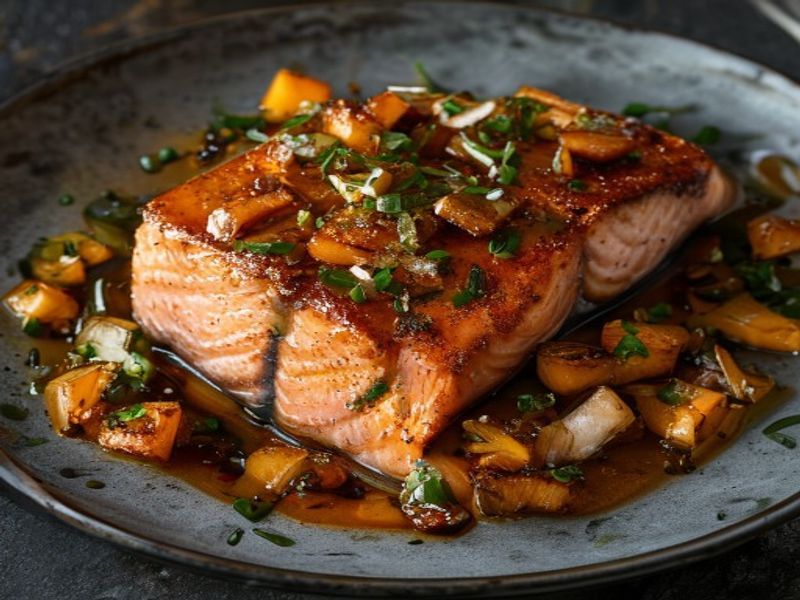
  • Pan-Seared Miso-Maple Glazed Salmon with Crispy Garlic Scallions

    Introduction

    This pan-seared salmon recipe delivers restaurant-quality fish at home through precise heat management and a balanced flavor profile. The miso maple glaze caramelizes rapidly over controlled heat, forming a lacquered crust that seals in natural juices, while the crispy garlic scallions provide a sharp textural contrast and aromatic depth. Engineered as one of the most reliable 30-minute seafood meals, this easy skillet fish dish requires minimal cleanup and zero guesswork. The technique focuses on moisture control and proper glaze viscosity, making it highly accessible for both novice cooks and seasoned home chefs seeking healthy high-protein recipes. Master this method once, and you will secure a dependable solution for quick weeknight dinners that satisfy without compromising nutrition. Whether you follow strict low-carb dinner ideas or simply crave a well-executed Asian-inspired salmon dinner, this one-pan salmon recipe guarantees consistent, professional results every single time.

    Finished Pan-Seared Miso-Maple Glazed Salmon with Crispy Garlic Scallions beautifully plated, professional food photography, natural lighting

    What You’ll Need

    Ingredients

    • Salmon fillets: 4 pieces, 6 ounces (170g) each, skin-on, center-cut
    • White or yellow miso paste: 2 tablespoons (30g)
    • Pure maple syrup: 1.5 tablespoons (22ml)
    • Rice vinegar: 1 tablespoon (15ml)
    • Low-sodium soy sauce: 1 teaspoon (5ml)
    • Neutral oil: 2 tablespoons (30ml), divided (avocado or grapeseed)
    • Fresh scallions: 1 bunch, thinly sliced on a sharp diagonal (about 1 cup)
    • Garlic: 3 cloves, finely minced (about 1 tablespoon)
    • Sesame seeds: 1 teaspoon, toasted (optional garnish)

    Ingredient Selection Notes: Always choose skin-on fillets. The skin acts as a protective barrier against direct heat and renders into a shatteringly crisp layer when properly seared. White or yellow miso provides a milder, naturally sweet profile that harmonizes with maple syrup, whereas red miso is too aggressive. Use pure maple syrup exclusively; imitation syrups contain corn syrup and artificial flavors that will burn and caramelize incorrectly.

    Equipment Needed

    • 12-inch heavy-bottomed stainless steel or cast iron skillet
    • Instant-read digital thermometer [Check Price on Amazon]
    • Small mixing bowl and flexible silicone spatula
    • Heavy-duty paper towels for drying fish
    • Fish spatula or thin offset turner

    Prep Work

    Proper preparation dictates the success of this miso maple glaze fish. Begin by thoroughly patting the salmon fillets dry with heavy-duty paper towels. Surface moisture is the primary cause of failed sears; any residual water will instantly vaporize into steam, dropping your pan temperature and preventing crust formation. Remove the salmon from refrigeration 10 minutes before cooking to take the chill off. Dropping cold protein into a hot pan causes immediate thermal shock and uneven heat penetration.

    While the fish rests, whisk the miso paste, maple syrup, rice vinegar, and soy sauce in a small bowl until completely homogenous. If your miso is stiff from refrigeration, let it sit uncovered at room temperature for 5 minutes to soften. Do not add extra liquid unless absolutely necessary, as a thicker glaze clings better during the finishing stage.

    Slice the scallions into 1/4-inch diagonal pieces. Mince the garlic using a chef’s knife rather than a press. Knife-minced garlic maintains uniform particle size, which prevents rapid burning and ensures even flavor distribution. Keep the aromatics separated until the final cooking stage. This entire prep sequence takes approximately 8 minutes and can be completed up to 4 hours ahead if tightly covered and refrigerated.

    Cooking Instructions

    1. Preheat the Pan: Place your 12-inch skillet over medium-high heat. Add 1 tablespoon of neutral oil and heat until the oil shimmers and reaches exactly 375°F / 190°C on an infrared thermometer. The surface should ripple consistently without producing heavy smoke. If the oil smokes, your pan is too hot; reduce heat and allow it to stabilize for 15 seconds.
    2. Sear the Salmon: Carefully lay the fillets skin-side down into the pan. Press each piece firmly with a fish spatula for exactly 10 seconds to prevent the skin from contracting and curling. Do not disturb them. Sear for exactly 3 minutes undisturbed. Watch the sides closely: the flesh will turn opaque from the bottom up, transitioning from translucent orange to a pale, matte pink. You will hear a steady, consistent sizzle. A sudden silence indicates the pan temperature dropped, meaning you should increase heat slightly.
    3. Flip and Finish Cooking: Flip the fillets and immediately reduce heat to medium (325°F / 163°C). Cook for 2 to 3 minutes on the flesh side. Insert your instant-read thermometer horizontally into the thickest part of the fillet. Target an internal temperature of 135°F / 57°C for medium doneness. The residual heat will safely carry the fish to the FDA-recommended 145°F / 63°C during resting. Transfer salmon to a clean plate immediately.
    4. Prepare the Glaze: In the same pan, lower heat to medium-low (300°F / 150°C). Pour in the prepared glaze. It will bubble vigorously within 15 seconds. Stir continuously with a silicone spatula for 45 seconds until the mixture thickens to a syrupy consistency that coats the back of a spoon. Never let it boil aggressively; the high sugar content in the maple syrup will scorch and turn acrid within seconds.
    5. Crisp the Aromatics: Add the remaining 1 tablespoon of oil directly to the warm glaze. Immediately drop in the minced garlic and sliced scallions. Sauté for exactly 1 minute, stirring constantly. The garlic will turn a pale golden color, and the scallions will soften slightly while retaining a vibrant green core. Remove from heat the moment the aromatics become fragrant. Overcooking at this stage introduces harsh bitterness that cannot be corrected.
    6. Plate and Serve: Spoon the warm glaze and crispy aromatics directly over the rested salmon fillets. The resting period allows muscle fibers to relax and reabsorb juices. Garnish with toasted sesame seeds and serve within 3 minutes while the skin remains audibly crisp.

    Common Mistake to Avoid: Adding the glaze to a dry or excessively hot pan causes instant caramelization failure. The miso and sugars will bond to the metal, creating a sticky, burnt residue. Always ensure the pan retains a thin layer of residual oil and is reduced to medium-low before introducing the glaze.

    Pro Tips

    Temperature Control: In my experience, the difference between a soggy crust and a glass-like finish comes down to pan preheating and strict moisture management. Always dry your fish thoroughly, and never crowd the cooking surface. If preparing more than four fillets, work in two separate batches to maintain the 375°F / 190°C baseline temperature throughout the searing phase.

    Glaze Adjustments: For a thicker, more professional lacquer, remove the pan from direct heat and let the glaze reduce for an additional 20 seconds off the burner. If you require a lower-sodium version, substitute the soy sauce with an equal measure of coconut aminos and reduce the miso to 1.5 tablespoons.

    Make-Ahead Strategy: The glaze mixture can be whisked and stored in an airtight container in the refrigerator for up to 3 days. Bring it to room temperature 15 minutes before use to ensure proper viscosity. The scallions and garlic must be chopped fresh; pre-cut aromatics oxidize rapidly, losing their volatile aromatic compounds and developing a harsh, metallic aftertaste.

    Serving Suggestions

    This recipe yields four precise portions, each delivering approximately 38 grams of high-quality complete protein. For a structured low-carb dinner, pair each fillet with 1 cup of steamed bok choy or 6 ounces of roasted cauliflower rice tossed in 1 teaspoon of toasted sesame oil. A quick cucumber salad dressed with rice vinegar and red pepper flakes cuts through the umami-rich glaze while reinforcing the Asian-inspired flavor profile. For those incorporating complex carbohydrates, serve alongside 3/4 cup of short-grain brown rice or chilled soba noodles to absorb excess glaze. Standard portion guidance suggests one 6-ounce fillet per adult, accompanied by exactly 2 tablespoons of the garlic scallion mixture to maintain optimal flavor balance without overwhelming the delicate fish.

    FAQ

    Can I use frozen salmon for this recipe?

    Yes, but proper thawing is mandatory for consistent results. Transfer frozen fillets to the refrigerator 24 hours before cooking. Never thaw at room temperature or under warm running water, as this creates cellular damage, excessive moisture release, and uneven textures that prevent a clean sear. Once completely thawed, pat the fish thoroughly dry and follow the standard 10-minute resting protocol before pan contact.

    How do I know when the salmon is done?

    Visual and tactile indicators are useful, but temperature measurement eliminates guesswork. Properly cooked salmon will shift from deep translucent orange to a lighter, opaque pink and will separate cleanly along the natural muscle lines with gentle fork pressure. For precision, remove the fillets at 135°F / 57°C. Carryover cooking will elevate the internal temperature by 8 to 10 degrees during the mandatory 5-minute resting period, completely preventing the dry, chalky texture associated with overcooked fish.

    Can I prep this ahead for meal prep?

    While the glaze can be prepared days in advance, this dish is engineered to be served immediately after cooking to preserve the crisp skin and delicate glaze structure. If advance preparation is necessary, store cooked salmon and glaze in separate airtight containers for up to 3 days in the refrigerator. Reheat gently in a 300°F / 150°C oven for 8 to 10 minutes until warmed through. Avoid microwave reheating, as the rapid steam generation will destroy the skin texture and degrade the glaze into a watery consistency.

    What type of miso works best for this dish?

    White (shiro) or yellow miso is ideal due to its shorter fermentation timeline, lower salt concentration, and natural sweetness that complements maple syrup without dominating the palate. Red (aka) miso undergoes extended fermentation, resulting in a deeply pungent, highly saline profile that will clash with the sweet glaze and mask the subtle flavor of the salmon.

    *As an Amazon Associate I earn from qualifying purchases.