Introduction
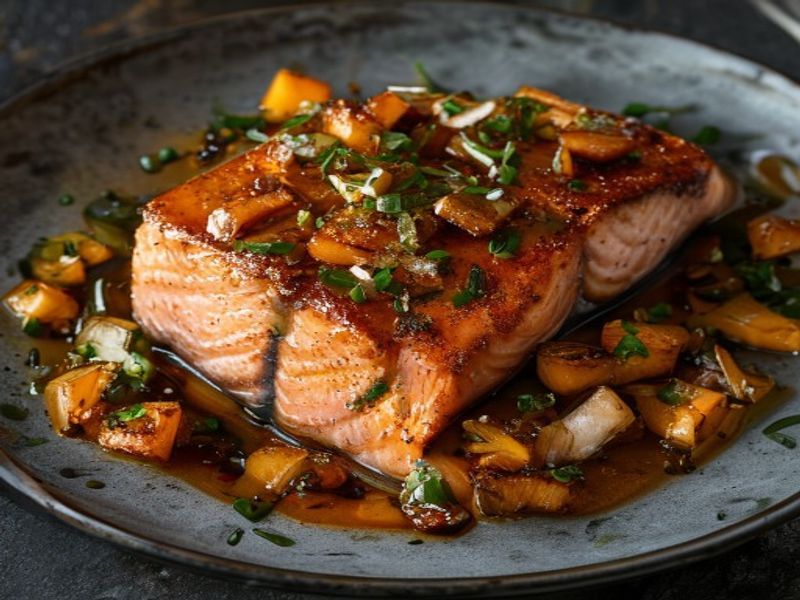
This pan-seared salmon recipe delivers restaurant-quality fish at home through precise heat management and a balanced flavor profile. The miso maple glaze caramelizes rapidly over controlled heat, forming a lacquered crust that seals in natural juices, while the crispy garlic scallions provide a sharp textural contrast and aromatic depth. Engineered as one of the most reliable 30-minute seafood meals, this easy skillet fish dish requires minimal cleanup and zero guesswork. The technique focuses on moisture control and proper glaze viscosity, making it highly accessible for both novice cooks and seasoned home chefs seeking healthy high-protein recipes. Master this method once, and you will secure a dependable solution for quick weeknight dinners that satisfy without compromising nutrition. Whether you follow strict low-carb dinner ideas or simply crave a well-executed Asian-inspired salmon dinner, this one-pan salmon recipe guarantees consistent, professional results every single time.
What You’ll Need
Ingredients
- Salmon fillets: 4 pieces, 6 ounces (170g) each, skin-on, center-cut
- White or yellow miso paste: 2 tablespoons (30g)
- Pure maple syrup: 1.5 tablespoons (22ml)
- Rice vinegar: 1 tablespoon (15ml)
- Low-sodium soy sauce: 1 teaspoon (5ml)
- Neutral oil: 2 tablespoons (30ml), divided (avocado or grapeseed)
- Fresh scallions: 1 bunch, thinly sliced on a sharp diagonal (about 1 cup)
- Garlic: 3 cloves, finely minced (about 1 tablespoon)
- Sesame seeds: 1 teaspoon, toasted (optional garnish)
Ingredient Selection Notes: Always choose skin-on fillets. The skin acts as a protective barrier against direct heat and renders into a shatteringly crisp layer when properly seared. White or yellow miso provides a milder, naturally sweet profile that harmonizes with maple syrup, whereas red miso is too aggressive. Use pure maple syrup exclusively; imitation syrups contain corn syrup and artificial flavors that will burn and caramelize incorrectly.
Equipment Needed
- 12-inch heavy-bottomed stainless steel or cast iron skillet
- Instant-read digital thermometer [Check Price on Amazon]
- Small mixing bowl and flexible silicone spatula
- Heavy-duty paper towels for drying fish
- Fish spatula or thin offset turner
Prep Work
Proper preparation dictates the success of this miso maple glaze fish. Begin by thoroughly patting the salmon fillets dry with heavy-duty paper towels. Surface moisture is the primary cause of failed sears; any residual water will instantly vaporize into steam, dropping your pan temperature and preventing crust formation. Remove the salmon from refrigeration 10 minutes before cooking to take the chill off. Dropping cold protein into a hot pan causes immediate thermal shock and uneven heat penetration.
While the fish rests, whisk the miso paste, maple syrup, rice vinegar, and soy sauce in a small bowl until completely homogenous. If your miso is stiff from refrigeration, let it sit uncovered at room temperature for 5 minutes to soften. Do not add extra liquid unless absolutely necessary, as a thicker glaze clings better during the finishing stage.
Slice the scallions into 1/4-inch diagonal pieces. Mince the garlic using a chef’s knife rather than a press. Knife-minced garlic maintains uniform particle size, which prevents rapid burning and ensures even flavor distribution. Keep the aromatics separated until the final cooking stage. This entire prep sequence takes approximately 8 minutes and can be completed up to 4 hours ahead if tightly covered and refrigerated.
Cooking Instructions
- Preheat the Pan: Place your 12-inch skillet over medium-high heat. Add 1 tablespoon of neutral oil and heat until the oil shimmers and reaches exactly 375°F / 190°C on an infrared thermometer. The surface should ripple consistently without producing heavy smoke. If the oil smokes, your pan is too hot; reduce heat and allow it to stabilize for 15 seconds.
- Sear the Salmon: Carefully lay the fillets skin-side down into the pan. Press each piece firmly with a fish spatula for exactly 10 seconds to prevent the skin from contracting and curling. Do not disturb them. Sear for exactly 3 minutes undisturbed. Watch the sides closely: the flesh will turn opaque from the bottom up, transitioning from translucent orange to a pale, matte pink. You will hear a steady, consistent sizzle. A sudden silence indicates the pan temperature dropped, meaning you should increase heat slightly.
- Flip and Finish Cooking: Flip the fillets and immediately reduce heat to medium (325°F / 163°C). Cook for 2 to 3 minutes on the flesh side. Insert your instant-read thermometer horizontally into the thickest part of the fillet. Target an internal temperature of 135°F / 57°C for medium doneness. The residual heat will safely carry the fish to the FDA-recommended 145°F / 63°C during resting. Transfer salmon to a clean plate immediately.
- Prepare the Glaze: In the same pan, lower heat to medium-low (300°F / 150°C). Pour in the prepared glaze. It will bubble vigorously within 15 seconds. Stir continuously with a silicone spatula for 45 seconds until the mixture thickens to a syrupy consistency that coats the back of a spoon. Never let it boil aggressively; the high sugar content in the maple syrup will scorch and turn acrid within seconds.
- Crisp the Aromatics: Add the remaining 1 tablespoon of oil directly to the warm glaze. Immediately drop in the minced garlic and sliced scallions. Sauté for exactly 1 minute, stirring constantly. The garlic will turn a pale golden color, and the scallions will soften slightly while retaining a vibrant green core. Remove from heat the moment the aromatics become fragrant. Overcooking at this stage introduces harsh bitterness that cannot be corrected.
- Plate and Serve: Spoon the warm glaze and crispy aromatics directly over the rested salmon fillets. The resting period allows muscle fibers to relax and reabsorb juices. Garnish with toasted sesame seeds and serve within 3 minutes while the skin remains audibly crisp.
Common Mistake to Avoid: Adding the glaze to a dry or excessively hot pan causes instant caramelization failure. The miso and sugars will bond to the metal, creating a sticky, burnt residue. Always ensure the pan retains a thin layer of residual oil and is reduced to medium-low before introducing the glaze.
Pro Tips
Temperature Control: In my experience, the difference between a soggy crust and a glass-like finish comes down to pan preheating and strict moisture management. Always dry your fish thoroughly, and never crowd the cooking surface. If preparing more than four fillets, work in two separate batches to maintain the 375°F / 190°C baseline temperature throughout the searing phase.
Glaze Adjustments: For a thicker, more professional lacquer, remove the pan from direct heat and let the glaze reduce for an additional 20 seconds off the burner. If you require a lower-sodium version, substitute the soy sauce with an equal measure of coconut aminos and reduce the miso to 1.5 tablespoons.
Make-Ahead Strategy: The glaze mixture can be whisked and stored in an airtight container in the refrigerator for up to 3 days. Bring it to room temperature 15 minutes before use to ensure proper viscosity. The scallions and garlic must be chopped fresh; pre-cut aromatics oxidize rapidly, losing their volatile aromatic compounds and developing a harsh, metallic aftertaste.
Serving Suggestions
This recipe yields four precise portions, each delivering approximately 38 grams of high-quality complete protein. For a structured low-carb dinner, pair each fillet with 1 cup of steamed bok choy or 6 ounces of roasted cauliflower rice tossed in 1 teaspoon of toasted sesame oil. A quick cucumber salad dressed with rice vinegar and red pepper flakes cuts through the umami-rich glaze while reinforcing the Asian-inspired flavor profile. For those incorporating complex carbohydrates, serve alongside 3/4 cup of short-grain brown rice or chilled soba noodles to absorb excess glaze. Standard portion guidance suggests one 6-ounce fillet per adult, accompanied by exactly 2 tablespoons of the garlic scallion mixture to maintain optimal flavor balance without overwhelming the delicate fish.
FAQ
Can I use frozen salmon for this recipe?
Yes, but proper thawing is mandatory for consistent results. Transfer frozen fillets to the refrigerator 24 hours before cooking. Never thaw at room temperature or under warm running water, as this creates cellular damage, excessive moisture release, and uneven textures that prevent a clean sear. Once completely thawed, pat the fish thoroughly dry and follow the standard 10-minute resting protocol before pan contact.
How do I know when the salmon is done?
Visual and tactile indicators are useful, but temperature measurement eliminates guesswork. Properly cooked salmon will shift from deep translucent orange to a lighter, opaque pink and will separate cleanly along the natural muscle lines with gentle fork pressure. For precision, remove the fillets at 135°F / 57°C. Carryover cooking will elevate the internal temperature by 8 to 10 degrees during the mandatory 5-minute resting period, completely preventing the dry, chalky texture associated with overcooked fish.
Can I prep this ahead for meal prep?
While the glaze can be prepared days in advance, this dish is engineered to be served immediately after cooking to preserve the crisp skin and delicate glaze structure. If advance preparation is necessary, store cooked salmon and glaze in separate airtight containers for up to 3 days in the refrigerator. Reheat gently in a 300°F / 150°C oven for 8 to 10 minutes until warmed through. Avoid microwave reheating, as the rapid steam generation will destroy the skin texture and degrade the glaze into a watery consistency.
What type of miso works best for this dish?
White (shiro) or yellow miso is ideal due to its shorter fermentation timeline, lower salt concentration, and natural sweetness that complements maple syrup without dominating the palate. Red (aka) miso undergoes extended fermentation, resulting in a deeply pungent, highly saline profile that will clash with the sweet glaze and mask the subtle flavor of the salmon.
*As an Amazon Associate I earn from qualifying purchases.
发表回复