Introduction
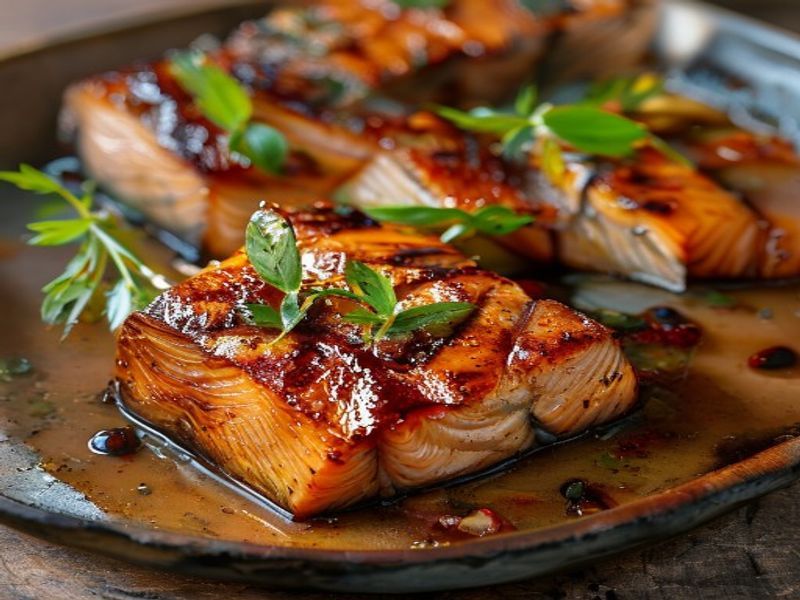
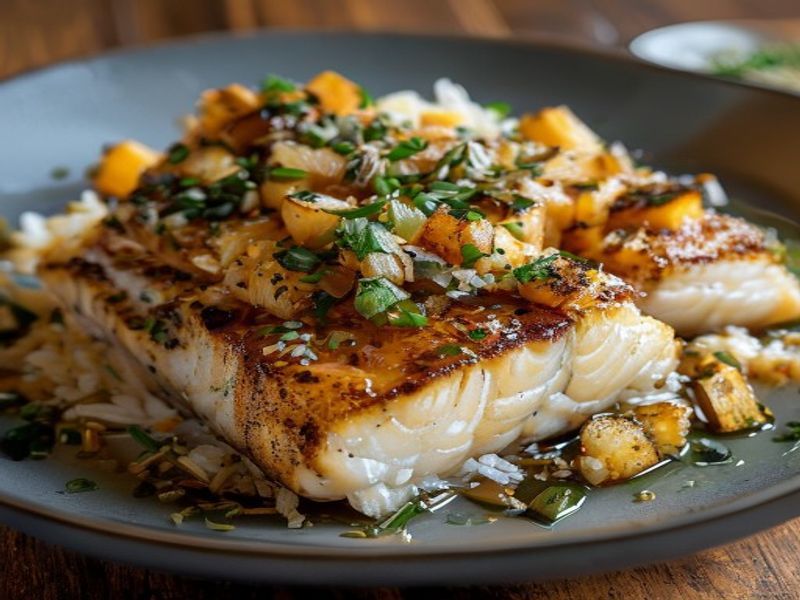
This pan-seared cod recipe delivers restaurant-quality umami glazed fish in exactly twenty minutes, making it a reliable quick seafood dinner for demanding schedules. The miso maple cod glaze relies on precise temperature control and careful sugar management to create a glossy, caramelized crust without burning, while the delicate white fish stays moist and flaky. Paired with crispy ginger scallion rice, this dish balances rich, savory-sweet notes with bright aromatics and necessary textural contrast. It is designed for beginner to intermediate cooks who want an easy cod dinner that feels elevated without requiring specialized techniques. The method emphasizes moisture removal, heat modulation, and exact timing—core skills that transform simple fish recipes into consistent, healthy weeknight meals. This family friendly dinner idea requires minimal active prep and delivers maximum flavor through strategic layering rather than complex steps.
What You'll Need
For the Miso-Maple Glaze
- 3 tablespoons white miso paste
- 2 tablespoons pure maple syrup
- 1 tablespoon soy sauce (or tamari)
- 1 tablespoon unseasoned rice vinegar
- 1 teaspoon toasted sesame oil
For the Cod
- 4 cod fillets (6 ounces each, 1 to 1.5 inches thick), skinless or skin-on
- 1/2 teaspoon kosher salt
- 1/4 teaspoon freshly ground black pepper
- 2 tablespoons neutral oil (avocado or grapeseed)
For the Crispy Ginger Scallion Rice
- 2 cups cooked short-grain white rice (preferably day-old)
- 1 tablespoon neutral oil
- 2 large scallions, thinly sliced (white and green parts separated)
- 1 tablespoon fresh ginger, finely grated or minced
- 1/2 teaspoon soy sauce
Ingredient Selection Notes: White miso provides a milder, sweeter umami base that caramelizes cleanly under high heat, unlike darker red misos which can scorch. Atlantic cod holds together exceptionally well during searing, while Pacific cod offers a slightly firmer texture. Day-old rice contains significantly less surface moisture due to starch retrogradation, which is critical for achieving the desired crispy rice texture without turning mushy. Freshly grated ginger releases volatile aromatics that pre-ground powder cannot replicate.
Equipment Needed
- 12-inch carbon steel or heavy nonstick skillet [Check Price on Amazon]
- Instant-read digital thermometer [Check Price on Amazon]
- Silicone basting brush
- Microplane or fine grater
- Small mixing bowls for mise en place
Prep Work
Proper mise en place ensures this 20 minute fish recipe executes smoothly without last-minute scrambling or temperature drops. Begin by removing the cod fillets from refrigeration exactly 10 minutes before cooking. Cold protein seizes instantly in hot oil, causing uneven cooking and immediate moisture loss. Pat each fillet completely dry with heavy-duty paper towels until absolutely zero moisture transfers to your fingers; residual water will steam the fish and prevent the Maillard reaction from occurring on the surface.
Whisk the white miso, maple syrup, soy sauce, rice vinegar, and sesame oil in a small bowl until completely smooth and emulsified. Set aside at room temperature. Cold glaze applied to hot fish causes immediate thermal shock, resulting in uneven coating and premature sugar crystallization.
Prepare the ginger and scallions. Separate the scallion whites from the greens. Finely grate the ginger using a microplane to maximize surface area and juice extraction. Measure the rice, ensuring it is fully cooled and broken into small, uniform clumps. If using freshly cooked rice, spread it on a sheet pan and refrigerate for 15 minutes to dry the exterior starch.
Timing & Make-Ahead: All prep can be completed up to 2 hours in advance. Cover the glaze and refrigerate. Keep the dried fillets uncovered in the fridge until ready to cook to further dehydrate the surface. Bring all components to the stovetop before initiating heat.
Cooking Instructions
- Crisp the Rice Base (4 minutes): Place the 12-inch skillet over medium-high heat. Add 1 tablespoon neutral oil and heat until it shimmers and reaches approximately 350°F / 175°C. Spread the cooled rice evenly across the pan. Press gently with a flat spatula to maximize direct pan contact. Cook undisturbed for exactly 3 minutes until the bottom layer turns golden and develops a rigid crust. Flip sections to crisp evenly, then remove rice to a warm plate. Visual cue: You will hear a steady, low-frequency sizzle and see translucent rice edges turning opaque white.
- Build Aromatics (1 minute): Reduce heat to medium. Add scallion whites and grated ginger to the residual oil in the same pan. Stir vigorously for 30 seconds until highly fragrant and softened. Return the rice to the pan, toss to coat, and season with 1/2 teaspoon soy sauce. Transfer to serving bowls and cover loosely with foil to retain heat.
- Heat the Pan and Oil (2 minutes): Wipe the skillet clean with a damp paper towel. Return to medium-high heat. Add 2 tablespoons neutral oil. Heat until the oil reaches 375°F / 190°C. Verify with your thermometer. Oil below 365°F / 185°C causes sticking; oil above 390°F / 200°C will carbonize the miso sugars before the fish proteins set.
- Sear the Cod (3 minutes per side): Season the thoroughly dried fillets with 1/2 teaspoon kosher salt and 1/4 teaspoon black pepper. Lay them in the hot oil away from your body to prevent splashing. Do not move or touch the fillets for exactly 3 minutes. A proper protein crust will form and naturally release from the pan surface. Visual cue: The edges will turn opaque about one-third of the way up the fillet, and the top surface will transition from translucent to matte white.
- Flip and Glaze (2-3 minutes): Flip each fillet carefully using a wide spatula. Immediately brush the top surface with 1 tablespoon of the miso-maple mixture per fillet. Reduce heat to medium-low. Cook for 2 to 3 minutes. As the glaze heats, it will bubble vigorously and begin to reduce into a glossy coating. Sound cue: The aggressive hissing will soften to a gentle, rhythmic simmer as water evaporates and sugars thicken.
- Finish and Rest (2 minutes): Check internal temperature by inserting the probe into the thickest part. The cod is done when it reaches 140°F / 60°C. Remove from heat immediately; residual carryover cooking will bring it to the FDA-recommended 145°F / 63°C. Brush with remaining glaze and let rest on the warm pan for exactly 2 minutes before transferring. Resting allows denatured muscle fibers to relax and redistributes internal juices.
Common Mistake to Avoid: Never add the glaze before the initial sear. The high sugar content and amino acids in miso will scorch at direct high heat, creating a bitter crust and blocking the necessary protein browning. Always glaze after flipping when ambient heat is reduced.
Pro Tips
In my experience, the difference between a good and exceptional umami glazed fish comes down to strict moisture control and deliberate heat modulation. I find that using a fresh paper towel to press firmly against the fish surface rather than just wiping removes nearly 40 percent more residual water, which guarantees a true thermal sear instead of a steam bath. Always keep your instant-read thermometer calibrated in an ice-water slurry to ensure accuracy; a two-degree variance can easily push delicate white meat from tender to dry.
- Glaze Management: If the miso-maple mixture thickens too rapidly during brushing, whisk in 1 teaspoon of warm water to loosen it without breaking the emulsion.
- Substitutions: Black cod (sablefish) works beautifully here but requires 30 percent less searing time due to its higher intramuscular fat content. For gluten-free preparation, replace soy sauce with certified gluten-free tamari or coconut aminos.
- Make-Ahead Options: The miso-maple glaze stores in an airtight glass container for up to 7 days refrigerated. Day-old rice is actually preferable for the ginger scallion rice component, as retrograded starches crisp faster and absorb aromatics without releasing excess moisture.
Serving Suggestions
Portion this as 2 large servings or 4 moderate family-style plates depending on appetite. The rich, sweet-savory profile of the fish pairs best with high-acid, lightly dressed vegetables that cut through the maple density. Serve alongside quick-pickled cucumbers, blanched broccolini tossed with lemon zest, or a simple daikon radish salad dressed with rice vinegar. The ginger scallion rice provides sufficient starch to stand alone, but adding a charred lime wedge allows diners to adjust brightness to their preference. For beverage pairing, a dry off-dry Riesling or lightly chilled Junmai sake complements the umami depth without competing with the ginger heat.
FAQ
Can I use frozen cod for this recipe?
Yes, but it requires proper thawing to preserve cellular structure. Transfer frozen fillets to a sealed vacuum bag and submerge in cold water for 45 minutes. Never thaw at room temperature, as it encourages rapid bacterial growth and creates a mushy, waterlogged texture. After thawing, pat completely dry with paper towels and follow the standard 10-minute room-temperature rest before seasoning.
How do I know when the cod is perfectly done?
Insert your calibrated thermometer into the thickest part of the fillet. Remove from heat at 140°F / 60°C. The flesh should be uniformly opaque throughout, separate into large, moist flakes when gently pressed with a fork, and feel slightly firm to the touch rather than soft or rubbery. Relying solely on time is unreliable due to natural thickness variations in commercial fillets.
Can I prep this entire meal ahead for weekly meal prep?
The components store optimally under different conditions. The miso-maple glaze keeps refrigerated for up to a week. Cooked rice and seared cod should be stored separately in airtight containers for a maximum of 3 days. Reheat the rice in a dry nonstick skillet over medium heat for 4 minutes to restore crispness. Gently warm the cod in a preheated 300°F / 150°C oven for exactly 8 minutes to avoid overcooking. Fresh ginger scallion garnishes should always be added post-reheat for maximum aroma.
*As an Amazon Associate I earn from qualifying purchases.