Introduction
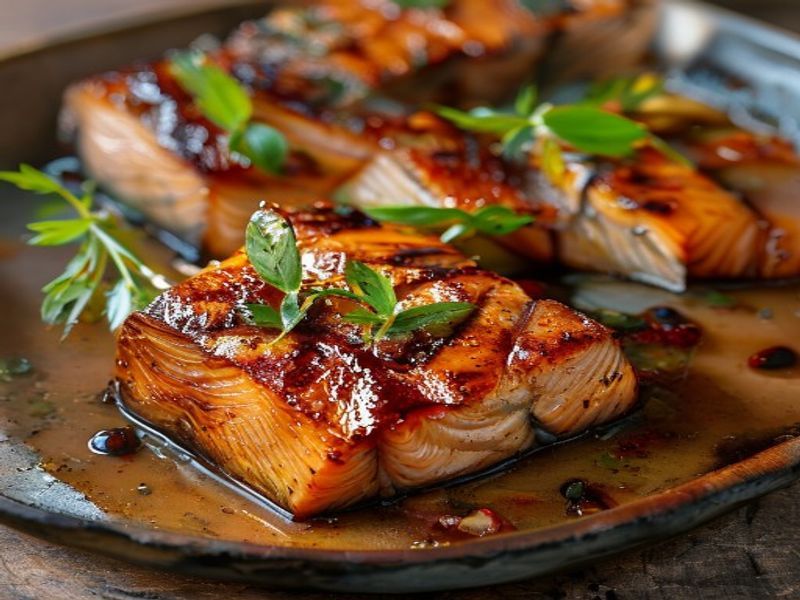
This quick sheet pan salmon recipe delivers restaurant style fish at home with minimal cleanup and maximum flavor payoff. The combination of savory white miso, pure maple syrup, and toasted sesame oil creates a balanced glaze that caramelizes under high heat while keeping the flesh moist. Designed for easy weeknight dinners, this method relies on precise oven management and strategic glazing to prevent sugar burn. It is an ideal entry point for low effort weeknight cooking that scales effortlessly into healthy one pan meals. The technique is beginner-friendly but rewards attention to detail: proper surface drying, controlled glaze application, and accurate temperature monitoring. Whether you are feeding a family or meal-prepping, this 20 minute family recipe proves that Asian inspired dinner ideas do not require specialized equipment or hours of prep. The result is a glossy, deeply flavored fillet with a crisp exterior and tender, flaky interior every time.
What You’ll Need
Ingredients
- Salmon fillets: 4 pieces, 6 ounces each, skin-on for structural integrity and moisture retention
- White miso paste: 3 tablespoons (shiro miso provides mild, sweet umami without overwhelming the fish)
- Pure maple syrup: 2 tablespoons (avoid pancake syrup; real maple contains natural sugars that caramelize cleanly)
- Rice vinegar: 1 tablespoon (balances sweetness and cuts through fat)
- Toasted sesame oil: 1 teaspoon (adds aromatic depth)
- Fresh ginger: 1 teaspoon, finely grated
- Garlic: 1 clove, minced or microplaned
- Neutral high-heat oil: 2 tablespoons (grapeseed or avocado oil)
- Kosher salt: 1 teaspoon
- Black pepper: 1/4 teaspoon, freshly cracked
- Asparagus: 1 pound, woody ends trimmed (optional sheet-pan vegetable)
Equipment
- 18×13-inch heavy-gauge rimmed baking sheet (standard half-sheet size)
- Food-safe silicone basting brush [Check Price on Amazon]
- Instant-read digital thermometer [Check Price on Amazon]
- Small stainless steel mixing bowl
- Unbleached parchment paper or perforated silicone baking mat
- Paper towels or clean kitchen linen
Prep Work
Proper preparation dictates the final texture. Remove the salmon from the refrigerator 15 minutes before cooking. Cold fish hitting a hot oven creates uneven cooking; bringing it closer to 60°F / 16°C ensures the exterior glazes before the interior overcooks. Pat every surface thoroughly dry with paper towels. Moisture on the skin or flesh creates steam, which prevents proper browning and dilutes the glaze. Lightly score the skin in three shallow diagonal cuts per fillet to prevent curling during roasting.
In the mixing bowl, whisk together 3 tablespoons white miso, 2 tablespoons maple syrup, 1 tablespoon rice vinegar, 1 teaspoon sesame oil, 1 teaspoon grated ginger, and 1 minced garlic clove. Whisk until completely smooth. If the mixture is too thick to brush evenly, add 1 teaspoon warm water. Trim the asparagus by bending each spear near the base; it will snap naturally at the tough/ tender junction. Toss the spears with 1 tablespoon neutral oil and 1/2 teaspoon kosher salt.
This miso maple glaze can be prepared up to 5 days in advance and stored in an airtight container in the refrigerator. The salmon should be prepped no more than 30 minutes before cooking to maintain food safety and optimal texture. Keep all components organized in a mise en place layout to maintain the 20-minute window.
Cooking Instructions
- Preheat the oven to 425°F / 220°C. Position the oven rack in the upper-middle slot, approximately 6 inches from the broiler element. Line the 18×13-inch rimmed baking sheet with parchment paper. High heat is non-negotiable here; it rapidly sets the exterior while keeping the interior tender.
- Arrange the components. Place the salmon fillets skin-side down on one half of the sheet. Space them at least 1.5 inches apart to allow hot air circulation. Spread the oiled asparagus on the remaining half. Drizzle the remaining 1 tablespoon neutral oil over the top of the salmon and season with the remaining 1/2 teaspoon kosher salt and 1/4 teaspoon black pepper. Press gently to ensure the seasoning adheres.
- Initial roast: 8 minutes. Slide the sheet pan into the preheated oven. Do not open the door during this window. You will hear a faint sizzle as surface moisture evaporates. Watch for the edges to turn opaque white and the flesh to lighten from translucent pink to a pale rose. This indicates the proteins are beginning to coagulate properly.
- Apply the glaze. Remove the pan carefully. Using the silicone brush, coat each fillet with exactly half of the miso maple glaze (about 1.5 tablespoons per fillet). Brush in a single, smooth direction to avoid tearing the delicate surface. Return to the oven for 2 minutes. The glaze will begin to bubble at the edges and darken slightly.
- Final glaze and broil: 1-2 minutes. Remove the pan again, brush the remaining glaze evenly over each fillet, and switch the oven to broil (High setting, typically 500°F / 260°C). Broil for exactly 60-90 seconds. Watch continuously. The sugars will caramelize rapidly, forming a glossy, mahogany-colored crust. Remove the pan the second the edges begin to char slightly. Over-broiling will burn the miso and create bitter flavors.
- Rest and verify doneness. Transfer the salmon to a warm plate and let it rest for 2 minutes. This allows the internal temperature to rise to the safe target and the juices to redistribute. Insert the instant-read thermometer into the thickest part of the fillet. The ideal pull temperature is 125°F / 52°C; it will carry over to 130°F / 54°C during resting. Visually, the flesh should separate cleanly into large flakes when gently pressed with a fork. The skin should release easily from the parchment.
Common mistake to avoid: applying the full glaze at the start. The high sugar content will scorch before the fish cooks through. Layering the glaze guarantees a sticky, flavorful finish without bitterness. If your oven runs hot, reduce the initial roast by 1 minute and monitor closely during the broil phase.
Pro Tips
- Surface moisture control is everything. I find that leaving the salted fillets uncovered on a wire rack in the refrigerator for 20 minutes draws out excess water, which dramatically improves glaze adhesion and prevents a soggy bottom.
- Miso selection matters. In my experience, white (shiro) miso yields the most balanced flavor for this application. Red (aka) miso is fermented longer and significantly saltier; if you substitute it, reduce the maple syrup to 1.5 tablespoons and add a pinch of brown sugar to compensate.
- Make-ahead strategy. The glaze holds its emulsion for up to 5 days refrigerated. You can portion and portion-wrap the salmon in advance, but do not apply the glaze until 30 seconds before cooking to maintain the sugar’s caramelization potential.
- Alternative proteins. This method works identically for 6-ounce cod or halibut fillets, though you will need to reduce the initial roast time to 6 minutes due to their leaner, faster-cooking structure.
Serving Suggestions
For a complete healthy one pan meals experience, serve each 6-ounce fillet over 3/4 cup of freshly steamed jasmine or short-grain rice. The neutral grain absorbs excess glaze and balances the umami intensity. Add quick-pickled daikon radish or thinly sliced scallions for acidity and crunch. If you prefer a lower-carb option, pair with 1 cup of wilted baby spinach or roasted broccoli tossed with 1 teaspoon sesame oil. Portion guidance: plan for one 6-ounce fillet per adult, or two smaller 4-ounce portions per child. The asparagus on the pan yields approximately 4 side servings, making this an efficient 20 minute family recipe without extra stove space.
FAQ
Can I use frozen salmon?
Yes, but it must be thawed completely in the refrigerator for 12-16 hours before cooking. Never thaw under running water or at room temperature, as uneven temperature distribution causes the outer layers to cook prematurely. After thawing, press the fillets firmly between paper towels to remove all residual ice crystals, then proceed with the standard 15-minute counter rest before cooking.
How do I know when it’s done?
Rely on temperature, not time. Insert a calibrated instant-read thermometer into the thickest center portion. Pull the salmon at 125°F / 52°C. Carryover heat will raise it to the FDA-recommended 145°F / 63°C within 2-3 minutes of resting. Visually, the flesh will transition from translucent to opaque, and the connective tissue between flakes will appear white. If the salmon resists flaking or feels rubbery, it is undercooked; if it separates into dry, chalky shreds, it is overcooked.
Can I prep this ahead for meal prep?
Cooked salmon holds well for 3 days in an airtight container at 35°F / 2°C. To preserve the glaze texture, store the fillets skin-side up to prevent the bottom from softening. Reheat gently at 275°F / 135°C for 8-10 minutes, or until warmed to 130°F / 54°C internally. Avoid microwaving, as the rapid heating will cause the proteins to tighten and squeeze out moisture, resulting in a dry texture.
*As an Amazon Associate I earn from qualifying purchases.
发表回复