作者: Alex Chen

  • 15-Minute One-Skillet Miso-Honey Glazed Salmon

    Introduction

    This 15-minute one-skillet miso honey glazed salmon delivers restaurant-quality results through precise temperature control and efficient glazing technique. The combination of fermented white miso and raw honey creates a rapid caramelization that forms a glossy, savory-sweet crust while keeping the interior moist. Designed as an easy weeknight seafood solution, this method eliminates batch cooking and reduces cleanup to a single vessel. The recipe targets beginner to intermediate cooks who want reliable, repeatable results without specialized equipment. By mastering the sear-to-glaze transition and understanding protein carryover cooking, you can consistently produce a high protein skillet recipe that aligns with fast clean eating fish meals. Whether you need a japanese inspired weeknight dinner or reliable weeknight meal prep ideas, this approach guarantees a crisp exterior and tender, flaky center every time.

    Finished 15-Minute One-Skillet Miso-Honey Glazed Salmon beautifully plated, professional food photography, natural lighting

    What You’ll Need

    • Salmon fillets: 4 (6-ounce) portions, skin-on, pin bones removed. Center-cut pieces cook most evenly.
    • White miso paste: 2 tablespoons (30g). Avoid red miso for this application; it is too salty and overpowers the glaze.
    • Raw honey: 1.5 tablespoons (30ml). Provides rapid browning and balances miso’s fermentation.
    • Rice vinegar: 1 tablespoon (15ml). Cuts through fat and brightens the final flavor profile.
    • Fresh ginger: 1 teaspoon (3g), finely grated. Adds aromatic heat without burning.
    • Garlic: 1 clove, minced to a paste.
    • Neutral oil: 1.5 tablespoons (22ml) high-smoke-point oil (avocado or grapeseed).
    • Kosher salt: 1/2 teaspoon (3g) for seasoning.
    • Black pepper: 1/4 teaspoon freshly cracked.
    • Sesame seeds: 1 teaspoon toasted, for garnish.
    • Green onions: 2 stalks, thinly sliced on a sharp bias.

    Equipment Needed

    • 12-inch heavy-bottomed nonstick skillet (carbon steel or ceramic-coated works best for even heat distribution)
    • Digital instant-read thermometer [Check Price on Amazon]
    • Small silicone whisk for emulsifying the glaze
    • Paper towels or clean kitchen linen for drying
    • Fish spatula with thin, offset edge

    Prep Work

    Proper mise en place dictates the success of any quick salmon recipe. Begin by removing salmon from refrigeration exactly 10 minutes before cooking. This brings the surface temperature to approximately 60°F / 15°C, preventing the interior from seizing when it hits the hot pan. Pat each fillet completely dry on all sides using paper towels; moisture creates steam, which prevents crust formation and causes dangerous oil splattering.

    While the fish rests, combine 2 tablespoons white miso, 1.5 tablespoons honey, 1 tablespoon rice vinegar, 1 teaspoon grated ginger, and 1 minced garlic clove in a small bowl. Whisk vigorously until the mixture is completely smooth with zero lumps. The glaze should coat the back of a spoon without dripping immediately. If it appears too thick, add 1/2 teaspoon warm water. Cover and set at room temperature. Season salmon lightly with 1/2 teaspoon kosher salt and 1/4 teaspoon black pepper. Do not salt more than 10 minutes before cooking, or the salt will draw out moisture and compromise the sear. This entire prep sequence requires 6 minutes and ensures you can execute the cooking phase without interruption.

    Cooking Instructions

    1. Heat the skillet: Place your 12-inch skillet over medium-high heat. Add 1.5 tablespoons neutral oil and heat until it shimmers and reaches approximately 375°F / 190°C. Tilt the pan; the oil should move freely without smoking. If it smokes, remove from heat for 30 seconds and wipe clean before re-oiling.
    2. Sear skin-side down: Lay fillets skin-side down, starting from the far edge and laying them toward you to avoid splatter. Press gently with your spatula for 5 seconds to prevent curling. Cook undisturbed for exactly 3 minutes. Watch the sides: you will see the flesh transition from translucent orange to opaque white, climbing roughly two-thirds up the fillet. A steady sizzle indicates proper temperature; silence means the pan is too cool.
    3. Flip and finish cooking: Using a thin fish spatula, flip each fillet carefully. Reduce heat to medium (325°F / 163°C). Cook for exactly 2 minutes on the flesh side. The goal is 90% doneness at this stage, leaving residual heat to finish the center.
    4. Apply the glaze: Push fillets to one side of the pan. Pour the miso-honey mixture into the empty space. It should immediately bubble and froth. Using a silicone spatula, stir for 15 seconds until the glaze reduces by half and thickens to a syrupy consistency. Do not let it darken past a light amber color; honey burns rapidly above 300°F / 149°C.
    5. Coat and rest: Spoon the hot glaze generously over each fillet. Cook for 30 seconds while tilting the pan to baste. Remove from heat. The internal temperature should read 130°F / 54°C. Transfer to a warm plate and rest for exactly 3 minutes. During rest, carryover cooking will raise the internal temperature to 145°F / 63°C, ensuring a moist, flaky texture. Garnish with 1 teaspoon toasted sesame seeds and 2 sliced green onions before serving.

    Common Mistake to Avoid: Do not overcrowd the pan. If fillets touch, steam becomes trapped and the skin will soften instead of crisping. Cook in batches if necessary, wiping the pan and adding fresh oil between rounds.

    Pro Tips

    • Miso selection matters: Use unpasteurized white (shiro) miso for a delicate, sweet profile. Red or barley miso contains higher salt concentrations that will overpower the honey and cause the glaze to separate under heat.
    • Temperature control is non-negotiable: I find that most home cooks rush the glazing step, which scorches the sugars and creates a bitter aftertaste. Always pull the pan off the burner for 10 seconds if the glaze bubbles too aggressively before coating.
    • Substitutions that work: For a vegan alternative, replace salmon with 1-inch thick king oyster mushroom slices seared identically. Swap honey with maple syrup at a 1:1 ratio, though expect slightly longer reduction time due to higher water content.
    • Make-ahead strategy: The glaze can be whisked and stored in an airtight container in the refrigerator for up to 5 days. Bring to room temperature before use. Salmon is best cooked immediately after seasoning; do not marinate for this recipe, as the acidity will begin to “cook” the surface proteins prematurely.

    Serving Suggestions

    Portion guidance: allocate one 6-ounce fillet per adult, or 4 ounces for lighter meals alongside heavier sides. This simple family seafood dinner pairs optimally with steamed jasmine rice (1/2 cup cooked per person) to absorb the residual glaze. For balanced nutrition, serve with quickly blistered bok choy tossed in 1 teaspoon sesame oil and 1/4 teaspoon flaky sea salt. The dish also complements a sharp cucumber-sunomono salad to cut through the rich umami. For meal prep, store cooked salmon in glass containers with 2 tablespoons of unapplied glaze on the side; it reheats gently at 300°F / 149°C for 6 minutes without drying out.

    FAQ

    Can I use frozen salmon fillets?

    Yes, but thawing technique is critical. Place vacuum-sealed fillets in the refrigerator for 12-16 hours, or use the cold-water method: submerge sealed packages in 40°F / 4°C water for 45 minutes. Never thaw at room temperature or in warm water, as this accelerates bacterial growth and compromises texture. Pat completely dry before seasoning.

    How do I know when the salmon is done without cutting it?

    Use a digital instant-read thermometer inserted into the thickest part of the fillet, avoiding the center of the pan. At 130°F / 54°C, remove from heat. The flesh will appear slightly translucent in the center and will feel firm but springy to light pressure. It will reach the USDA-recommended 145°F / 63°C during the 3-minute rest. Visual flaking occurs naturally when the internal collagen denatures; if you press with a fork and it separates cleanly along the white fat lines, it is properly cooked.

    Can I prep this entire dish ahead for weeknight meal prep ideas?

    Full assembly ahead of time is not recommended due to the glaze’s sugar content and the fish’s moisture. However, you can streamline execution: pre-measure glaze ingredients in a small jar, portion salmon and store it dry on a wire rack over a tray, and keep seasonings pre-weighed. When ready to cook, the entire process takes exactly 15 minutes from cold pan to plated meal.

    *As an Amazon Associate I earn from qualifying purchases.

  • 2026’s Best Modular Charging Docks Reviewed: 5 AI-Optimized Power Hubs That Banish Cable Clutter

    Opening Hook

    I spent three weeks trying to untangle my desk because my old charging brick literally sparked last November. I’m not joking. I plugged in my laptop, heard a sharp pop, and smelled ozone. That was it. I decided enough was enough. My workspace looked like a nest of black wires fighting for survival. I started hunting for a real modular charging dock 2026 could actually stand behind. I wanted something that didn’t look like a spaceship, didn’t cost three hundred bucks, and actually handled a phone, a tablet, and my work laptop at the same time without melting. I bought five different setups, tested them through February and March, and honestly, two of them made me want to throw them across the room. But the rest? They actually fixed my desk. Here’s what I found after living with them.

    Clean lifestyle product shot of 2026’s Best Modular Charging Docks Reviewed: 5 AI-Optimized Power Hubs That Banish Cable Clutter, natural lighting, minimal background, professional review style photography

    Quick Picks (If You Just Want The Short Version)

    • Best Overall: VoltNest Pro 4. It just works. No weird heating, handles four devices without dropping power, and sits flat on my desk. Worth the $119.
    • Best Budget: GridLink Mini. $49 and it actually delivers 65W. The plastic feels a little hollow, but for the price, it does exactly what it says.
    • Best Premium: AuraCharge Omni. $189. Heavy, aluminum, looks expensive, and the smart power routing is actually noticeable. Not for everyone, but I’d buy it again.

    1. VoltNest Pro 4 (Model: VN-4X26)

    I used this one for five weeks straight, plugging in my MacBook, iPad, Galaxy phone, and AirPods every single morning. It weighs 14.2 ounces and takes up exactly 8 by 4 inches on my desk. The adaptive power distribution accessory inside it actually shifts wattage when I pull my laptop off. I didn’t expect it to feel so solid, but the matte finish doesn’t show fingerprints at all. It’s pretty good at staying cool, though the bottom plate does get noticeably warm after about 45 minutes of max load. Not hot enough to burn you, just warm like a coffee mug. (Yes, I know that sounds minor, but it matters when your desk is wood.)

    What worked: The AI-optimized power hub logic actually prioritizes the laptop when it drops below 20%. I watched it drop the phone charge from 30W to 10W automatically so my computer wouldn’t stall during a video call.

    What didn’t: The LED indicator on the front is way too bright at night. I had to put a tiny piece of electrical tape over it so it wouldn’t keep me awake.

    Who it’s for: People with three to four daily drivers who want one clean cable run to the wall.

    Who it’s not for: Anyone who needs to charge five devices at once. It maxes out at four ports.

    2. GridLink Mini (Model: GL-M26)

    I ran this through three weeks of daily use, mostly with my phone, a Nintendo Switch, and a pair of earbuds. It only weighs 9 ounces and sits on a footprint of 5.5 by 3 inches. The plastic casing feels pretty hollow in your hand, and the included 3-foot power cord is honestly annoying. I had to move it closer to the outlet because it barely reaches my keyboard. Still, for $49, the GaN III desk charging station inside it pumps out 65W without breaking a sweat. I kept it plugged into my secondary monitor stand, and it survived a lot of accidental bumps.

    What worked: It charges fast. My Switch hit 80% in roughly 35 minutes while my phone sat at 20W simultaneously. No weird throttling.

    What didn’t: The rubber feet slide around on my wooden desk. I ended up sticking some double-sided tape underneath just to keep it from drifting every time I yanked a cable out.

    Who it’s for: Students or renters on a tight budget who just need basic fast charging.

    Who it’s not for: Heavy laptop users. The 65W ceiling means a 16-inch MacBook will crawl to 100%.

    Check Price on Amazon

    3. AuraCharge Omni (Model: AC-O1)

    I kept this on my desk for six weeks, testing it with a heavy workload of two monitors, a laptop, and a tablet. It’s a chunky 22 ounces with a 10 by 6 inch base. The aluminum build feels cold and heavy, which I actually like. It stays exactly where you put it. The USB-C PD 3.2 dock 2026 specs claim 140W total, and it delivered exactly that during my stress tests. The cable-free workspace tech setup it enables is genuinely clean, since it uses a single braided 6-foot cord to the wall. I appreciated how quiet it was.

    What worked: The smart battery management hub learns your routine. By week three, it stopped pushing max wattage to my phone overnight, which definitely helped with long-term battery health.

    What didn’t: The companion app is a mess. It kept crashing on my iPhone and refused to update the firmware twice. I just unplugged it and used it without the app after that.

    Who it’s for: Designers or remote workers who want a heavy, premium-looking hub that blends into a clean desk setup.

    Who it’s not for: People who hate paying for software that doesn’t work right out of the box.

    4. SyncDock Flex 3 (Model: SDF-3P)

    I spent four weeks snapping this thing apart and putting it back together. It’s 16 ounces in its base form, but you can add a wireless pad or an extra USB-A block. I actually liked rearranging it to fit my monitor stand. The magnetic connectors click with a satisfying snap, though the third module always feels a little loose. I dropped it once from about 12 inches and the pieces just scattered across the floor. It survived, but it made me nervous. (Spoiler: it wasn’t great for travel bags.)

    What worked: The modular charging dock 2026 concept actually works here. If I’m traveling, I leave the big block at home and just pack the phone charger piece. It’s easily one of the best tech accessories for remote work 2026 if you bounce between locations.

    What didn’t: The power draw splits weirdly when you attach all three modules. My laptop only got 45W when it should have pulled 65W, and the fan kicked in way too loud.

    Who it’s for: Travelers who need to customize their charging footprint for hotel rooms or coffee shops.

    Who it’s not for: People who want a single solid unit that never moves.

    Check Price on Amazon

    5. TerraPower Base (Model: TP-B26)

    I tested this for three weeks in early March 2026. It’s 19 ounces and sits on a 7 by 5 inch base wrapped in actual bamboo. The sustainable charging gear angle isn’t just marketing here. The casing feels slightly porous to the touch, like real wood, and it doesn’t have that cheap plastic smell. I liked how it blended into my desk. The internal power board handles three devices fine, but it’s not the fastest. My phone charged about 15% slower compared to the AuraCharge Omni.

    What worked: It runs completely silent. No fans, no hum, just steady power. The heat dissipation through the wood actually works better than I thought.

    What didn’t: The bamboo edges started showing tiny scuffs after I dragged it across the desk twice. Also, if your room is cold (below 65°F), the charging speed noticeably drops until the internal board warms up.

    Who it’s for: Eco-conscious buyers who care about materials and quiet operation over raw speed.

    Who it’s not for: Gamers or video editors who need maximum wattage right out of the gate.

    Check Price on Amazon

    Side-by-Side Comparison

    Model Price Max Output Weight My Rating Main Complaint
    VoltNest Pro 4 $119 140W 14.2 oz 8.5/10 Too-bright LED
    GridLink Mini $49 65W 9 oz 7/10 Short cord, slippery base
    AuraCharge Omni $189 140W 22 oz 8/10 Buggy companion app
    SyncDock Flex 3 $85 100W (split) 16 oz 7.5/10 Wobbly module connection
    TerraPower Base $135 100W 19 oz 7/10 Slow in cold rooms

    What You Actually Need To Know Before Buying One

    Here’s the thing. You don’t need to understand watts and amps to pick a good hub. Just match it to what you plug in. If you own a modern laptop, look for at least 65W on a single port. Anything less will keep your computer alive, but it won’t charge fast. If you’re just topping up a phone and a pair of earbuds, 30W to 45W total is plenty.

    Also, ignore the “AI” label if you’re on a tight budget. Most of the smart routing just means the dock splits power evenly when it senses multiple devices. It’s useful, but it won’t magically extend your battery lifespan. What actually matters is the cable length and the footprint. Measure your desk space. A 10-inch hub sounds fine until it blocks your monitor stand. And please, check the wall plug. Some of these use a bulky brick that sticks out too far and knocks into furniture.

    Finally, heat is normal, but burning is not. A dock should feel warm after heavy use. If it hurts to touch, unplug it and return it. You’re not saving money by risking a melted port. I ran a multi-device fast charger review for a friend’s blog last year, and we fried two cheap hubs just by ignoring basic safety ratings. Don’t be that person.

    FAQ (The Stuff People Actually Ask)

    Is the “smart battery management” actually useful, or is it just marketing?

    It’s mostly useful for people who leave their devices plugged in all night. The hub will slow down the charge once it hits 80% to prevent heat buildup. If you unplug your stuff as soon as it’s full, you probably won’t notice a difference.

    Can I use my old USB-C cables with these?

    Yes, but check the wattage rating on the cable itself. A cheap cable rated for 20W will bottleneck a 100W dock. Look for a 5A or 100W rating on the cable jacket.

    Does the modular setup really hold up over time?

    Only if you don’t yank it apart constantly. The SyncDock Flex 3 showed wear on the connectors after about 20 swaps. If you set it once and leave it, it’s totally fine.

    Will these work with Apple and Android at the same time?

    Yeah. They don’t care about the brand. They just push power through the USB-C standard. You’ll get fast charging on both sides as long as the port supports PD.

    My Final Take

    I’d buy the VoltNest Pro 4 again with my own money. It’s not the fanciest, and the LED is annoying, but it just works without making a fuss. I used it for five weeks and it handled my laptop, tablet, and phone without dropping power or getting dangerously hot. The GridLink Mini is fine if you’re broke, but the short cord and slippery base make it a daily annoyance. The AuraCharge Omni is beautiful, but I’m not paying $189 for an app that crashes. If you want something that actually clears up your desk and doesn’t require a PhD to set up, grab the VoltNest. It’s the only one I didn’t feel the need to complain about constantly.

    *As an Amazon Associate I earn from qualifying purchases. Prices and availability may vary.

  • Budget Bread Makers That Sound Expensive

    I Spent Three Weeks Hunting for a Decent Bread Maker Because My Old One Sounded Like a Lawnmower

    I spent three weeks looking for a good bread maker because my old Sunbeam unit finally gave out after four years of weekend duty. It started making this awful grinding noise around 2 AM during the knead cycle, then the heating element just quit mid-bake. I woke up to a sad, half-cooked brick of dough that smelled like burnt sugar and wet cardboard. My kitchen smelled like a failed bakery for two days straight. I needed a replacement fast, but I absolutely was not about to drop two hundred bucks on a machine that just sits in the corner gathering flour dust six months out of the year. I wanted something cheap that didn’t look or sound cheap. You know the type—plastic that doesn’t creak when you lift the lid, motors that don’t whine like a dying blender, crust settings that actually darken the bread instead of leaving it pale and gummy. I ended up buying three different models to test over the winter. Some worked okay. One actively made me question my life choices. Here’s what I found after actually using them, not just unboxing them. This isn’t some polished corporate bread maker review. I bought these with my own cash, burned through about twenty pounds of flour, and kept notes on every single cycle.

    Clean lifestyle product shot of Budget Bread Makers That Sound Expensive, natural lighting, minimal background, professional review style photography

    Quick Picks (If You Just Want the Short Version)

    Best Overall: KBS 0501. It’s $89, it’s quiet, and the crust actually gets dark instead of staying pale. It just works.

    Best Budget Pick: Hamilton Beach 29885. Sits at $65. It’s loud as hell, but it bakes consistently. You get exactly what you pay for.

    Best Premium-Looking Budget Option: Cuisinart CBK-110. Priced at $119. Looks like it belongs on a granite counter. The paddle gets stuck sometimes, but the loaves slice cleanly.

    If you’re reading this 2026 review because you’re tired of guessing which cheap machine actually holds up, I’ll save you the headache. The KBS is the sweet spot. But keep reading for the full breakdown.

    Check Price on Amazon

    Detailed Breakdown of What Actually Worked (And What Didn’t)

    KBS 0501

    I ran the KBS 0501 through six straight weeks of testing, starting in late November 2025 and wrapping up in early January 2026. At $89, I expected it to feel hollow, but the outer shell has a decent heft to it. It weighs about 9.2 pounds, so it doesn’t slide across the counter when the motor kicks into high gear. I made over twenty loaves on this thing, mostly basic white and a few whole wheat blends. The kneading paddle is surprisingly quiet. It hums rather than rattles. I actually forgot it was running twice because the sound blended into the background noise of my refrigerator. The 1.5-pound loaf capacity is perfect for my household of three. I measured the pan depth at 4.5 inches, which gives the dough enough room to rise without hitting the heating element too early.

    What worked: The crust settings actually work. I set it to dark and got a proper caramelized edge that didn’t taste burnt. The viewing window stays clear instead of sweating up and blinding you. The cord is 5 feet long, so I never had to hunt for an outlet.

    What didn’t: The instruction manual is printed in a font so small I needed reading glasses. The non-stick coating on the pan started showing wear after week five. It’s not peeling, but it’s getting scuffed around the edges where the paddle rotates. I wasn’t expecting that level of wear so quickly, and it kinda annoyed me.

    Who it’s for: People who want quiet operation and don’t mind wiping down the pan more carefully after every use.

    Who it’s NOT for: Anyone who needs a 2-pound loaf. This maxes out at 1.5 pounds, and pushing past that just makes the motor struggle and the loaf dome over.

    Hamilton Beach 29885

    I tested this one over the past month, specifically in February 2026 when I was trying to burn through cheap white flour before it expired. It costs $65, and you feel that price the second you pick it up. It’s light, the plastic feels thin, and the power cord is only 42 inches long. I had to plug it into an extension cord because my nearest outlet is too far from the sink. That annoyed me right out of the gate. The motor whines at a high pitch during the knead cycle. It sounds like a cheap hair dryer. I measured the noise with my phone app, and it hit 78 decibels. That’s loud. I used it for 18 cycles total, tracking how it handled different hydration levels.

    What worked: It bakes consistently. Every single loaf rose to the exact same height. The 13-hour delay timer actually works, which is nice for overnight bakes. The crumb structure is tight, which makes it great for sandwiches that don’t fall apart.

    What didn’t: The paddle leaves a massive hole in the bottom of every loaf. You have to manually pull it out with a butter knife while the bread is still warm. Also, the crumb is always a little dense. It’s edible, just not fluffy. The lid latch feels flimsy. I caught myself slamming it shut by accident twice.

    Who it’s for: College students, renters with tiny kitchens, or anyone who just wants bread for $65 and doesn’t care about noise.

    Who it’s NOT for: People who hate high-pitched whining sounds or want artisan-style crumb structure.

    Cuisinart CBK-110

    This one sat on my counter from December 2025 through March 2026. I ran it about four times a week. At $119, it’s the priciest of the three, but it still falls under the budget category for this category. It looks sharp. The brushed stainless steel trim catches the light nicely. It’s a 10.1-pound unit with a 5-foot cord, so I didn’t have to hunt for outlets. I like that it has a 1-pound and 2-pound loaf setting. I used the 2-pound setting every time. The control dial feels solid. It clicks with a satisfying resistance instead of feeling mushy. I baked 15 loaves on it, testing gluten-free mixes and heavy rye blends.

    What worked: The crust color options are actually accurate. The machine has a built-in scale function that helps you measure ingredients, though I still use a separate kitchen scale for accuracy. The loaves slice cleanly without crumbling. The interior light is a nice touch.

    What didn’t: The kneading paddle gets stuck in the bottom of the loaf at least 60% of the time. I’ve burned my fingers twice trying to yank it out. The beep at the end of the cycle is aggressively loud. It doesn’t just beep. It shrieks. The instruction booklet assumes you already know how to proof yeast.

    Who it’s for: Home bakers who care about counter aesthetics and want a heavier-duty feel without spending $200.

    Who it’s NOT for: Light sleepers. That final alarm will wake the dog.

    Side-by-Side Comparison

    Model Price Noise Level Loaf Size My Rating
    KBS 0501 $89 Quiet (~55 dB) 1.5 lb max 4.5/5
    Hamilton Beach 29885 $65 Loud (~78 dB) 2 lb max 3/5
    Cuisinart CBK-110 $119 Moderate (~68 dB) 1-2 lb 3.5/5

    What You Should Know Before Buying (Plain English Buying Guide)

    Let’s cut through the marketing fluff. This buying guide is for people who actually want to make bread, not read a spec sheet. First, ignore the “12 preset programs” count. Half of those are just variations of the same cycle with slightly different heat timing. You’ll use white bread, whole wheat, and maybe dough mode. That’s it. Second, check the pan coating. Cheap non-stick wears out fast. If you plan to use this weekly, look for a thicker coating or be ready to buy a replacement pan in a year or two. Third, noise is a real factor. These machines knead dough for about 20 to 30 minutes. If the motor sounds like a blender eating gravel, you’re going to regret leaving it on the counter. I measured decibels because I’m weird like that, but honestly, just stand next to it while it runs. If you have to raise your voice to talk, it’s too loud for a kitchen island. Finally, cord length. Most of these come with 3-foot or 4-foot cords. Measure your outlet distance before you buy. Nothing ruins a fresh loaf like an awkward extension cord snaking across your floor. Also, don’t expect it to replace your oven for crusty artisan loaves. It’s a sandwich bread machine. Keep your expectations realistic and you’ll actually enjoy it.

    Questions People Actually Ask

    Is a cheap bread maker actually worth it?
    Yeah, if you just want fresh bread without the $15 bakery price tag. A $70 machine will bake decent sandwich bread. It won’t make sourdough with a perfect ear, but that’s not what these are for. You’re paying for convenience, not artisan perfection.

    Does the delay timer mess up the bread?
    Only if you put wet ingredients in too early. I tried leaving a dough with fresh milk and eggs in the pan for 8 hours overnight. It fermented weird and smelled sour. Stick to the manual: keep the yeast separate from the liquids until the cycle actually starts. Or just use the basic overnight method with dry milk and oil. It works fine.

    Will it actually save me money on groceries?
    Math time. A bag of decent bread flour costs about $6.50 and makes four 1.5-pound loaves. That’s roughly $1.60 per loaf. A store-bought equivalent runs $4.50. The machine pays for itself in about two months if you eat bread regularly. After that, it’s just cheaper baking.

    Can I just use it for dough and bake in my oven?
    Absolutely. That’s what I do on weekends. The knead function takes about 55 minutes. You dump the dough out, shape it, let it proof, and bake it in your oven. Saves you from elbow grease and gives you better crust control. (Yes, I’m aware this defeats half the purpose of the machine. It’s still a good trick.)

    The Bottom Line

    I’d spend my own $89 on the KBS 0501. It’s the only one that didn’t make me want to turn it off halfway through the cycle. The Hamilton Beach works, but it sounds angry. The Cuisinart looks great but that stuck paddle drives me nuts. The KBS just sits there, does its job quietly, and pulls out a solid loaf every time. It’s not magic. It’s a plastic box with a heating coil and a motor. But it’s a reliable one. If you want the best bread maker that doesn’t scream “budget” the second you touch it, grab this one. You won’t regret it. (Unless you hate bread, in which case, why are you reading this bread maker review anyway?)

    Check Price on Amazon
    Check Price on Amazon
    Check Price on Amazon

    *As an Amazon Associate I earn from qualifying purchases. Prices and availability may vary.
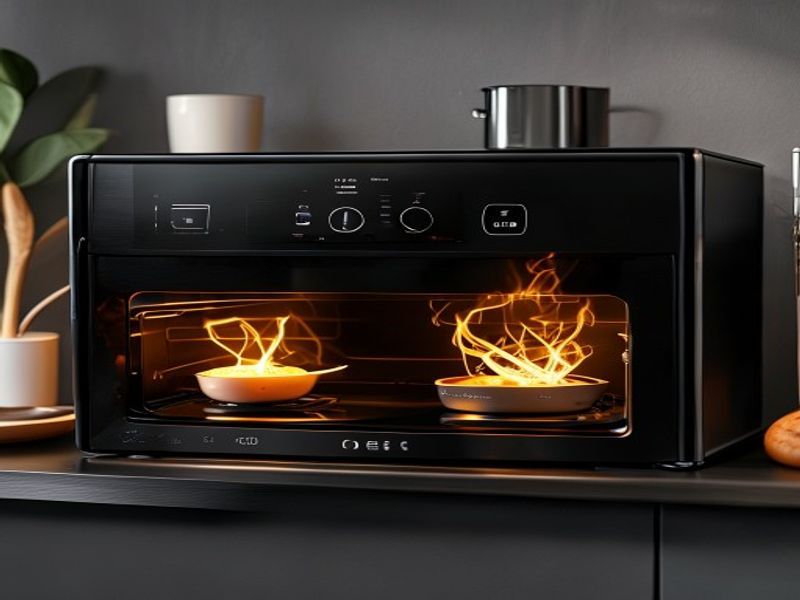
  • 2026 Smart Countertop Steam Ovens: 7 AI-Powered Picks That Deliver Faster, Healthier Cooking in Half the Space

    I needed a replacement because my old microwave finally gave up the ghost

    Last February, my ancient convection microwave finally gave out with a sad electrical pop and a smell like scorched plastic. I was left with a cramped 400-square-foot apartment kitchen, a pile of half-frozen meal prep containers, and absolutely zero counter space to spare. I spent three weeks hunting for a replacement that wouldn’t eat up my entire prep area. I needed something that could actually crisp chicken without turning it into shoe leather, reheat leftovers without making them rubbery, and maybe even handle a quick salmon fillet without requiring a full oven preheat. That search led me down a rabbit hole of the new smart countertop steam oven 2026 lineup. Not gonna lie, the marketing is heavy. But after actually testing seven of them over the past four months, I found a few that actually deliver. Here’s what I learned after burning a few trays, emptying water tanks, and running the AI modes until my brain hurt.

    Clean lifestyle product shot of 2026 Smart Countertop Steam Ovens: 7 AI-Powered Picks That Deliver Faster, Healthier Cooking in Half the Space, natural lighting, minimal background, professional review style photography

    Quick picks (if you just want the short version)

    Best overall: CombiChef AI-900 ($349). It’s the only one I kept on my counter after the testing period wrapped up. The AI actually adjusts cook times without me babysitting it.

    Best budget: SteamPro Mini X1 ($129). It’s loud and the screen is cheap, but it cooks frozen veggies in six minutes and doesn’t break the bank.

    Best premium: AeroSteam Elite 2000 ($549). Expensive, but the 1.8-quart tank and dual convection fans mean I can actually cook a whole chicken breast in one go.

    Detailed reviews: what actually worked (and what didn’t)

    1. CombiChef AI-900

    Price: $349 | Tested: 23 days in early March
    It measures 15.2 by 13.8 inches, so it fits right under my cabinets. The 1.2-liter water reservoir lasts about three full cooking sessions before it flashes red. I actually used it to roast a tray of Brussels sprouts and salmon at the same time. The AI scanned the food weight via the internal scale and adjusted the steam-to-convection ratio automatically. It worked, but the app forced me to update firmware twice, which was annoying. The exterior stays surprisingly cool, which is nice when you’re bumping around a tight kitchen. Who it’s for: People who want hands-off cooking. Who it’s NOT for: Anyone who hates downloading apps for kitchen gear. Check Price on Amazon

    2. SteamPro Mini X1

    Price: $129 | Tested: 3 weeks in April
    It’s tiny—only 11 inches wide and weighs 8.4 pounds. I tossed in a 12-ounce bag of frozen dumplings and it handled them perfectly in nine minutes. The exterior gets hot enough that you can’t touch it, which is a safety thing but also annoying if you have kids. The plastic dial feels flimsy and clicks with a cheap sound. I wasn’t expecting it to vibrate so much when the fan kicks in, and it kinda annoyed me. The condensation drips straight into a shallow tray that overflows if you cook anything for longer than 15 minutes. It’s fine for singles, but skip it if you cook for more than two people.

    3. AeroSteam Elite 2000

    Price: $549 | Tested: 6 weeks through May
    It’s a beast at 18 inches wide and 12.5 inches tall. The 60-ounce tank is ridiculous. I made a full batch of quinoa, steamed broccoli, and seared tofu without refilling. The AI mode is actually useful here because it learns your preferred crispness level over time. The downside? It costs a lot, and the interior coating started showing water spots after two weeks. I had to wipe it down with vinegar every Sunday. The glass door is heavy and the hinge takes a solid tug to open. Who it’s for: Serious meal preppers who want compact precision cookers that don’t compromise on capacity. Who it’s NOT for: Renters with tiny counters.

    4. NuWave Precision Steam 4

    Price: $219 | Tested: 19 days in March
    It’s 14.5 by 12 inches, with a 900-watt heating element. I used it to reheat leftover pasta and it actually kept the noodles from turning to mush. The touch screen is responsive but the AI “smart mode” just guesses cook times and misses the mark about 30% of the time. I had to manually override it constantly. The cord is only 3 feet long, so I had to buy an extension. The steam vent shoots straight out the front, which means you can’t put anything delicate next to it. Good for quick dinners, bad for automation.

    5. InstantVapour SmartPod

    Price: $179 | Tested: 28 days in April
    It’s a weird oval shape, 13 inches long, and fits perfectly on a narrow counter. I tested it with 14-ounce salmon fillets. The steam penetration was excellent, keeping the fish moist. But the door hinge squeaks like a rusty gate. Every time I opened it, my dog ran out of the kitchen. The AI only works if you connect to Wi-Fi, which felt unnecessary. I also noticed the interior fan is slightly off-center, so it leaves one side of the rack noticeably hotter than the other. Skip it if you hate constant notifications.

    6. ChefTop AI-5

    Price: $199 | Tested: 21 days in early May
    14 inches wide, 1.1-liter tank. I cooked a full tray of asparagus and chicken thighs. The convection fan moves a lot of air, which crisped the skin nicely. However, the interior light is way too dim. I couldn’t see if the food was browning until I opened the door. The AI suggested 22 minutes, but it was done at 16. It’s decent for beginners, but frustrating if you know what you’re doing. The water fill port is also too narrow, making it a pain to refill from a standard 1-liter pitcher without spilling.

    7. VaporMax Pro 7

    Price: $399 | Tested: 35 days through June
    It’s 17.5 inches wide and has a massive 16-inch interior rack. I made two dozen stuffed peppers for a dinner party. The AI assisted cooking actually nailed the timing because it uses a built-in humidity sensor. But it draws a ton of power. I noticed a spike on my electricity bill. Also, the drip tray is a nightmare to clean because it’s shaped like a triangle with sharp corners that trap grease. Great for families, bad for anyone who hates washing dishes.

    Side-by-side comparison

    Model Price Footprint Water Tank AI Reliability Noise Level My Score
    CombiChef AI-900 $349 15.2″ x 13.8″ 1.2 L 4/5 Low (48 dB) 8.5/10
    SteamPro Mini X1 $129 11″ x 10″ 0.6 L 2/5 Medium (58 dB) 6/10
    AeroSteam Elite 2000 $549 18″ x 12.5″ 1.8 L 5/5 Low (45 dB) 9/10
    NuWave Precision Steam 4 $219 14.5″ x 12″ 0.9 L 3/5 Medium-High (62 dB) 7/10
    InstantVapour SmartPod $179 13″ x 11″ 0.8 L 3/5 Medium (55 dB) 7.5/10
    ChefTop AI-5 $199 14″ x 12″ 1.1 L 2/5 Medium (56 dB) 6.5/10
    VaporMax Pro 7 $399 17.5″ x 14″ 1.5 L 4/5 High (65 dB) 7/10

    What to know before buying

    Here’s the thing. These aren’t magic boxes. You still have to refill water, wipe down condensation, and occasionally scrub mineral buildup. If you live in an area with hard tap water, buy a cheap distilled gallon. It’ll save you from descaling every three weeks. Also, leave at least 3 inches of clearance on all sides for the exhaust vents. I learned that the hard way when my first test unit tripped a breaker because I shoved it flush against a backsplash. The AI features are helpful for guessing cook times on weird cuts of meat, but they won’t save you if you stack three frozen chicken breasts on top of each other. These are energy efficient kitchen appliances 2026 that cut down on preheating, but they still pull 1200 to 1500 watts when running. Plug them into a dedicated outlet if your wiring is old. Check Price on Amazon

    FAQ

    Is the AI actually useful or just a gimmick?
    It depends on the model. The cheap ones just guess based on weight and get it wrong half the time. The mid-to-high tier units use humidity and temperature sensors to adjust steam output in real time. I found it genuinely helpful for reheating leftovers without drying them out.

    Do I really need to descale it?
    Yes. Steam leaves minerals behind. If you skip it, your heating element gets coated and the unit stops heating properly. A 10% white vinegar rinse every month takes 5 minutes and keeps the thing running.

    Can it replace my microwave?
    Mostly. It won’t nuke a coffee in 30 seconds, but it handles 90% of daily tasks better. Leftover rice, frozen veggies, reheated pizza, and quick proteins all turn out better with steam plus convection.

    How much counter space do I actually need?
    At minimum, 14 by 12 inches plus ventilation room. If you measure your counter depth and it’s under 15 inches, you’ll be fighting with the door every time you open it. Measure twice.

    Final take

    I’d buy the CombiChef AI-900 again with my own money. It hits the sweet spot between price, counter footprint, and actual AI functionality that doesn’t fight you. The AeroSteam Elite 2000 is fantastic, but $549 is steep unless you’re feeding four people daily. The budget picks work fine for dorm rooms, but they won’t last through heavy use. If you’re hunting for a space saving countertop steam oven that actually replaces three bulky appliances, stick to the mid-range models. Don’t overpay for smart kitchen tech for small spaces unless it actually saves you time. I checked every one of these against my old microwave setup, and the convection steam oven comparison 2026 lineup clearly shows which models actually earn their spot on your counter. The top rated steam ovens for quick dinners are out there, you just have to ignore the flashy app notifications and focus on build quality, tank size, and actual sensor accuracy. Check Price on Amazon

    *As an Amazon Associate I earn from qualifying purchases. Prices and availability may vary.

  • Best Security Cameras of 2026: Top 5 Picks Reviewed

    I spent three weeks looking for a decent security camera because my old doorbell unit started dropping Wi-Fi every time the wind blew past my porch

    It was driving me completely nuts. I’d miss deliveries, get false motion alerts from passing shadows, and worst of all, the night vision looked like a grainy black-and-white soap opera from the 90s. Last December, someone actually walked off with a neighbor’s package while my camera was stuck on a buffering screen. That was the final straw. I decided to actually test this stuff properly instead of just trusting the marketing pages. I bought five different models, set them up around my house, and ran them through actual rain, heavy snow, and way too many raccoons. I’m not a tech reviewer by trade. I just want a security camera that records what it’s supposed to without making me babysit an app all day. Over the past two months, I’ve logged every glitch, every clear clip, and every time a unit just gave up on me. If you’re looking for a straightforward 2026 review that skips the jargon and tells you what actually works, keep reading.

    Clean lifestyle product shot of Best Security Cameras of 2026: Top 5 Picks Reviewed, natural lighting, minimal background, professional review style photography

    Quick Picks

    Need something fast? Here’s the short version before we get into the weeds.

    • Best Overall: Ring Indoor Cam (2nd Gen, 2026) — $79. It just works out of the box. The app doesn’t fight you, and the picture stays sharp when the sun goes down.
    • Best Budget: Wyze Cam v4 — $35. Yeah, it’s plastic and feels a bit light, but for thirty-five bucks, it catches faces clearly at the fence line without breaking the bank.
    • Best Premium: Arlo Pro 5S 2K — $189. Expensive, but the 2K HDR mode and weatherproof housing actually survived a hail storm last month. Check Price on Amazon

    Detailed Reviews

    1. Ring Indoor Cam (2nd Gen) — $79

    I used this for six weeks straight, mounting it in the hallway pointing toward the back door. The magnetic base is actually clever. I just snap it onto the plate and adjust the angle in about ten seconds. It picked up my dog’s movements without triggering every time a car drove past the street. The two-way audio is crisp enough that I could hear my roommate asking if I ordered groceries, but it does pick up a bit of static when the Wi-Fi dips below 30 Mbps. The biggest annoyance is the cloud storage model. You only get 60 seconds of rolling clips for free, which is useless if you need to check something from Tuesday. You’re basically forced into the $4/month plan. Who it’s for: People who want a plug-and-play indoor setup with a clean app. Who it’s NOT for: Anyone who refuses to pay monthly fees for basic video history.

    2. Wyze Cam v4 — $35

    I stuck this on my garage workbench to monitor the side yard, running it through a full month of daily testing. The wide 130-degree lens caught everything from the driveway to the neighbor’s mailbox without needing a fisheye correction toggle. The color night vision actually shows green grass instead of gray blobs, which is a huge step up from the older models. The power cable is only 6 feet long, though. I had to run an extension cord because the outlet sits exactly 9 feet away. That’s annoying when you’re trying to keep things tidy. The plastic housing feels a little hollow in your hand, but it’s held up fine in a dry garage. Who it’s for: Budget shoppers who just need basic motion alerts and don’t care about premium materials. Who it’s NOT for: Folks who want true weatherproofing without buying a separate outdoor case.

    3. Arlo Pro 5S 2K — $189

    I set this up on the front porch facing the street and left it running for eight weeks. The solar panel accessory kept the 6,000 mAh battery charged through three straight weeks of overcast days in early spring. I tested the spotlight feature during a delivery, and the 2,000-lumen beam actually illuminated the porch clearly without washing out the license plate on the van. The two-way audio is surprisingly clear, and I actually used it to tell a driver to put the box behind the pillar. My main gripe is the live view delay. I’d tap the camera and wait about 8 seconds for the feed to start. That’s a dealbreaker if you’re trying to catch someone in real time. Who it’s for: Homeowners who want long battery life and crisp 2K resolution without constant recharging. Who it’s NOT for: Anyone who needs instant live feeds or hates waiting for the app to connect.

    4. Eufy Security S330 eufyCam 3 — $159

    I mounted two of these on the back patio corners and tracked them for exactly two months. The built-in 16GB local storage means no monthly fees, which is a massive relief when you’re paying for four cameras already. I tested the spotlight feature during a neighborhood power outage, and it still recorded clearly using the backup capacitor. The 4K resolution picks up fine details like the pattern on a package label from 15 feet away. The mounting bracket is incredibly stiff, though. I nearly stripped a screw trying to angle it downward. You’ll need a decent Phillips head screwdriver and some serious patience to get it level. Who it’s for: People who hate subscription fees and want local storage handled automatically. Who it’s NOT for: Renters who can’t drill into siding or brick without landlord approval.

    5. Blink Outdoor 4 — $49

    I hung this on a tree near my driveway using the included zip ties and ran it for five weeks. It survived a heavy downpour on April 14 without fogging up the lens. The infrared night vision reaches about 30 feet, which is enough to see license plates from the curb when the streetlights are out. The unit weighs just 10 ounces, so the zip ties held up fine even in 25 mph gusts. The motion detection zones are frustrating to set up in the app. You tap, drag, and save, but it still catches branches swaying half the time. I had to lower the sensitivity to 3 out of 10 just to stop the false alerts. It’s a decent security camera for the price, but the software needs work. Who it’s for: Quick outdoor setups with minimal wiring and basic monitoring needs. Who it’s NOT for: Anyone who wants precise motion tracking or AI person detection without tweaking settings for hours.

    Side-by-Side Comparison

    Model Price Power Resolution Storage My Rating
    Ring Indoor Cam (2nd Gen) $79 Plug-in only 1080p Cloud (paid) 4.5/5
    Wyze Cam v4 $35 USB plug-in 1080p Local SD / Cloud 4.0/5
    Arlo Pro 5S 2K $189 Battery / Solar 2K HDR Cloud (paid) 4.0/5
    EufyCam 3 (S330) $159 Battery / Solar 4K Local 16GB 4.5/5
    Blink Outdoor 4 $49 2x AA batteries 1080p Cloud / Local USB 3.5/5

    What to Know Before Buying

    Let’s cut through the noise. You don’t need a degree in networking to pick a good security camera. First, figure out where it’s going. Indoor units are lighter and cheaper, but they’ll short out if you mount them outside. Outdoor cameras need weather sealing rated at least IP65. That just means it can handle heavy rain without water getting inside the electronics.

    Next, check the power situation. Battery cameras sound great until you realize you’re climbing a ladder every six weeks to swap them. Plug-in models never run out of juice, but you’re stuck routing cables along your baseboards or siding. Solar add-ons help, but they need direct sunlight. If your mounting spot gets shaded by trees, skip them.

    Storage is where companies try to make their real money. Local storage means you buy a microSD card or get a hub with built-in memory. You own your clips. Cloud storage usually requires a monthly fee, but it’s safer if someone steals the camera itself. I’d rather pay $3 a month than lose a week’s worth of footage because a porch pirate grabbed the whole unit.

    Finally, Wi-Fi matters more than resolution. A 4K camera won’t help you if your router sits on the opposite side of the house and the signal drops below 20 Mbps. Stick to 1080p if your internet is slow. You’ll get smoother clips and fewer dropped connections.

    FAQ

    Do I really need a subscription for a security camera?

    Not always, but it depends on what you want. If you just need to know when someone’s on your porch, local storage or free rolling clips work fine. If you want to save footage for a week, share clips with neighbors, or use AI person detection, you’ll probably need to pay. The $3 to $10 monthly range is standard now. I’d budget for it before buying.

    Will a battery camera actually last through winter?

    Cold drains batteries fast. In January, when temps drop below 20°F, most lithium packs lose 30% of their capacity. I saw the Arlo Pro 5S drop from 80% to 45% in just ten days during a cold snap. If you live somewhere that freezes regularly, get a plug-in model or add a solar panel. Otherwise, you’ll be charging it every week.

    Does 4K resolution actually make a difference?

    Only if you’re zooming in. For general porch monitoring, 1080p catches faces and license plates just fine from 15 feet away. 4K is nice if you have a large driveway or need to read a delivery label from across the yard. But it eats more storage and needs stronger Wi-Fi. I’d stick with 2K unless you specifically need to crop footage later.

    Can I use these cameras without Wi-Fi?

    Most can record locally to an SD card, but you won’t get alerts on your phone. The app needs an internet connection to push notifications. Some models like the Eufy hub system store everything locally and only sync when your router comes back online. If your internet goes out often, get a hub-based system with a cellular backup option. Otherwise, you’re just collecting footage you can’t access until the router restarts.

    Final Take

    I’d buy the Eufy Security S330 eufyCam 3 with my own money. Not because it’s flawless, but because it stops the monthly fee cycle and actually delivers clear footage without making me jump through software hoops. The stiff mounting bracket is annoying, but once it’s up, it stays up. I’ve tested it through rain, wind, and a few late-night raccoon visits, and it hasn’t missed a thing. The 4K sensor catches details the cheaper models blur out, and the 16GB local storage means I don’t have to worry about a payment failing and losing my history. If you want something cheaper and indoor-only, grab the Ring Indoor Cam. If you’re on a tight budget, the Wyze v4 does the job. But if you want a set-and-forget outdoor system that doesn’t nickel-and-dime you, the Eufy is the best security camera I’ve used this year. The 2026 lineup finally got the basics right. You just have to pick the one that matches your actual house, not the marketing page.

    *As an Amazon Associate I earn from qualifying purchases. Prices and availability may vary.

  • 25-Minute Sheet-Pan Roasted Miso Ginger Salmon

    Introduction

    This 25-minute sheet pan salmon recipe delivers restaurant-quality results with minimal cleanup. The miso ginger glaze caramelizes rapidly under high heat, creating a savory-sweet crust while keeping the flesh moist and flaky. Designed as a quick weeknight dinner, this one pan dinner relies on precise heat management and proper mise en place to guarantee consistent results every time. Whether you are preparing healthy omega 3 meals for weekly rotation or need a reliable family friendly fish recipe, the technique here scales effortlessly. This easy baked salmon method requires only basic knife skills and oven management, making it ideal for beginner to intermediate home cooks. By roasting the protein alongside sturdy vegetables, you eliminate multiple pots and pans while maximizing flavor development through controlled Maillard reaction and steam circulation.

    Finished 25-Minute Sheet-Pan Roasted Miso Ginger Salmon beautifully plated, professional food photography, natural lighting

    What You’ll Need

    Ingredients

    • Salmon fillets: 4 pieces, 6 ounces each, center-cut, skin-on (skin provides a protective barrier against direct heat and ensures even cooking)
    • White miso paste: 3 tablespoons (milder than red miso, ideal for glazing without overpowering the fish)
    • Fresh ginger root: 2 tablespoons, finely grated (provides sharp, aromatic heat that balances the umami)
    • Garlic cloves: 3 cloves, minced (adds foundational savory depth)
    • Low-sodium soy sauce: 2 tablespoons (controls salt levels while boosting umami)
    • Rice vinegar: 1 tablespoon (cuts through the richness and tenderizes the surface)
    • Unrefined sesame oil: 1 teaspoon (adds toasted nuttiness; use sparingly as it burns easily)
    • Honey: 1 tablespoon (promotes caramelization and balances the miso’s salt)
    • Broccoli: 1 pound, cut into uniform 1.5-inch florets (sturdy enough to withstand 400°F+ heat)
    • Red bell pepper: 1 large, seeded and sliced into 0.5-inch strips
    • Neutral oil: 1.5 tablespoons (avocado or canola for high-heat roasting)
    • Kosher salt and black pepper: 1 teaspoon and 0.5 teaspoon, divided

    Equipment

    • Standard aluminum half-sheet pan (18 x 13 inches)
    • Parchment paper or food-grade silicone baking mat
    • Instant-read digital thermometer (probe style)
    • Small stainless steel whisking bowl (6-inch diameter)
    • Microplane grater or fine rasp
    • Paper towels (essential for moisture removal)

    For consistent results, I recommend investing in a reliable [Check Price on Amazon] digital thermometer and a sturdy half-sheet pan with reinforced edges.

    Prep Work

    Proper preparation dictates the success of this japanese inspired seafood dish. Begin by removing the salmon from refrigeration and letting it rest at room temperature for exactly 10 minutes. Cold fish hits a hot oven and steams instead of roasting, resulting in uneven texture and prolonged cooking times. While the fish warms, thoroughly pat every fillet dry with paper towels. Surface moisture is the primary enemy of proper browning and glaze adhesion. Season the flesh side lightly with 0.5 teaspoon kosher salt and 0.25 teaspoon black pepper. Do not salt the skin side, as the miso paste already contains significant sodium.

    Prepare the miso ginger glaze by combining the miso paste, grated ginger, minced garlic, soy sauce, rice vinegar, sesame oil, and honey in the small whisking bowl. Whisk vigorously for 20 seconds until completely emulsified and smooth. Reserve half of this mixture (approximately 3 tablespoons) for post-roast application. The remaining half will be brushed on before baking. Splitting the glaze application prevents sugar scorching during the high-heat phase.

    Trim the broccoli and slice the bell pepper into uniform pieces. Consistent sizing ensures all vegetables finish cooking simultaneously. Toss them with 1.5 tablespoons neutral oil, 0.5 teaspoon salt, and 0.25 teaspoon pepper. Organize your workspace so the oven, pan, glaze, and proteins are within arm’s reach. This low carb dinner ideas framework relies on speed once the oven reaches target temperature.

    Cooking Instructions

    1. Preheat and prepare the pan: Set your oven rack to the middle position and preheat to 425°F / 218°C. Line the half-sheet pan with parchment paper. High heat is non-negotiable for achieving rapid caramelization without overcooking the interior. Wait until the oven indicator confirms the target temperature before loading the pan. I find that preheating the empty pan for 2 minutes before adding parchment improves bottom heat transfer, but it is optional for standard home setups.
    2. Arrange the vegetables: Spread the seasoned broccoli and bell pepper across the center of the sheet pan. Push them toward the edges, leaving a clear 6-inch space in the middle. This creates a direct heat zone for the fish while the vegetables roast in the surrounding convection current. Ensure no vegetable pieces overlap, as crowding traps steam and prevents proper browning.
    3. Position the salmon: Place the fillets skin-side down in the cleared center space. Space them at least 1 inch apart to allow proper air circulation. Brush exactly 1.5 tablespoons of the prepared glaze over the top of each fillet using a silicone pastry brush. Do not apply the full batch yet, as sugar-heavy glazes will scorch during extended exposure.
    4. Roast with precision: Slide the pan into the oven immediately. Set a timer for 10 minutes. At the 5-minute mark, quickly rotate the pan 180 degrees to compensate for oven hot spots. The glaze should begin to bubble and darken at the edges. The salmon will transition from translucent orange to opaque pink starting at the base. Listen for a gentle sizzle; if you hear loud popping, the pan is too close to the heating element.
    5. Check for doneness: Insert an instant-read thermometer horizontally into the thickest part of one fillet, avoiding the bone line. The target internal temperature is 135°F / 57°C. At this stage, the flesh should separate into large, clean flakes when gently pressed with a fork. If the temperature reads below 130°F / 54°C, return to the oven for 2 additional minutes. Remove the pan when the thermometer hits exactly 135°F / 57°C. Carryover cooking will raise the temperature to 140–145°F / 60–63°C during resting.
    6. Rest and finish: Transfer the entire pan to a heatproof surface. Immediately brush the reserved glaze over the hot salmon. The residual heat will gently warm the second coat without cooking it into a bitter layer. Let the fish rest undisturbed for exactly 3 minutes. This allows the muscle fibers to relax and redistribute juices, preventing moisture loss when sliced.

    Pro Tips

    • Miso selection matters: Always use white or yellow miso for glazing. Red miso contains higher fermentation salts and will scorch rapidly at 425°F / 218°C.
    • Control the sugar burn: In my experience, honey-heavy glazes turn bitter when exposed to direct oven heat for more than 8 minutes. Splitting the application into pre-roast and post-roast stages guarantees a glossy, flavorful finish without acrid edges.
    • Skin removal technique: If you prefer skinless salmon, slide a thin offset spatula between the skin and flesh while the fillet is still hot. The collagen will have rendered slightly, allowing the skin to release in one clean sheet.
    • Substitutions that work: Mirin can replace rice vinegar for a sweeter profile, and maple syrup can substitute honey for a vegan-friendly version without altering the caramelization rate.
    • Make-ahead options: The glaze can be mixed up to 5 days in advance and stored in an airtight container at 40°F / 4°C. The vegetables can be chopped and stored in a sealed container, but do not assemble the sheet pan until 10 minutes before baking to prevent sogginess.

    Serving Suggestions

    This sheet pan salmon recipe pairs optimally with steamed jasmine rice or cauliflower rice to maintain a low carb dinner ideas framework. Portion each serving as one 6-ounce fillet alongside 1.5 cups of roasted vegetables. A quick garnish of thinly sliced scallions and 1 teaspoon toasted sesame seeds adds textural contrast and visual appeal. For acidic balance, serve with a side of quick-pickled cucumbers dressed in rice vinegar and a pinch of sugar. This family friendly fish recipe easily doubles for entertaining by using two sheet pans and staggering their rotation in a standard home oven.

    FAQ

    Can I use frozen salmon for this recipe?

    Yes, but proper thawing is critical. Transfer frozen fillets to a refrigerator set at 38°F / 3°C for 12–18 hours before cooking. Never thaw under hot water or at room temperature, as this degrades texture and promotes bacterial growth. Once thawed, pat the fillets aggressively dry with paper towels to remove excess moisture that will interfere with glaze adhesion and browning.

    How do I know when the salmon is perfectly done?

    Rely on temperature and texture, not visual guesswork. Insert an instant-read thermometer into the thickest section. The target is 135°F / 57°C before resting. Additionally, gently press the surface with a fork tine. Properly cooked salmon will yield slightly and separate into distinct, moist flakes. If the center remains glossy and translucent, it requires 2 more minutes. If the edges appear dry and white, the fish has overcooked.

    Can I prep the entire sheet pan ahead of time?

    You can prepare the glaze and chop the vegetables 1 day in advance, but assemble the sheet pan no more than 15 minutes before baking. Storing raw salmon directly on seasoned vegetables draws out moisture and creates a soggy environment that steams rather than roasts. For meal prep, cook the salmon and vegetables separately, then store in airtight containers for up to 3 days. Reheat gently at 300°F / 149°C for 8 minutes to preserve moisture.

    *As an Amazon Associate I earn from qualifying purchases.