Introduction
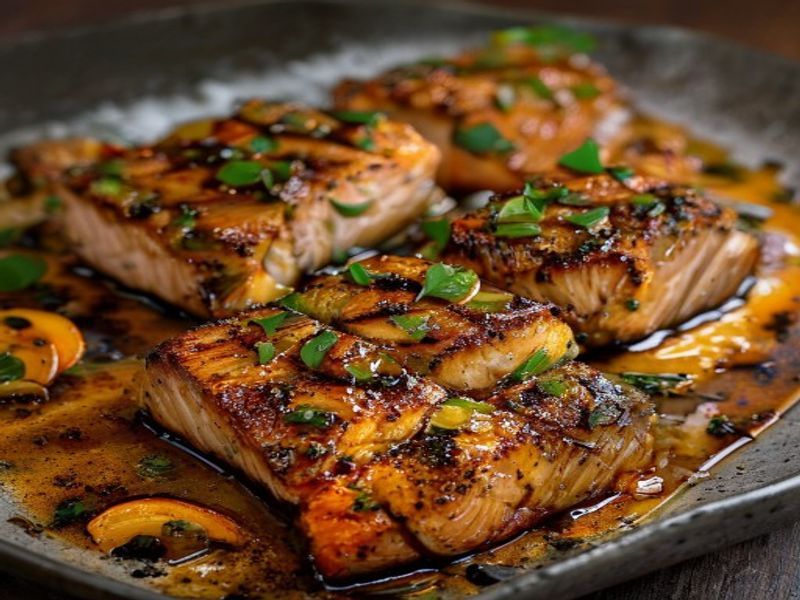
This 25-minute sheet pan salmon recipe delivers restaurant-quality results with minimal cleanup. The miso ginger glaze caramelizes rapidly under high heat, creating a savory-sweet crust while keeping the flesh moist and flaky. Designed as a quick weeknight dinner, this one pan dinner relies on precise heat management and proper mise en place to guarantee consistent results every time. Whether you are preparing healthy omega 3 meals for weekly rotation or need a reliable family friendly fish recipe, the technique here scales effortlessly. This easy baked salmon method requires only basic knife skills and oven management, making it ideal for beginner to intermediate home cooks. By roasting the protein alongside sturdy vegetables, you eliminate multiple pots and pans while maximizing flavor development through controlled Maillard reaction and steam circulation.
What You’ll Need
Ingredients
- Salmon fillets: 4 pieces, 6 ounces each, center-cut, skin-on (skin provides a protective barrier against direct heat and ensures even cooking)
- White miso paste: 3 tablespoons (milder than red miso, ideal for glazing without overpowering the fish)
- Fresh ginger root: 2 tablespoons, finely grated (provides sharp, aromatic heat that balances the umami)
- Garlic cloves: 3 cloves, minced (adds foundational savory depth)
- Low-sodium soy sauce: 2 tablespoons (controls salt levels while boosting umami)
- Rice vinegar: 1 tablespoon (cuts through the richness and tenderizes the surface)
- Unrefined sesame oil: 1 teaspoon (adds toasted nuttiness; use sparingly as it burns easily)
- Honey: 1 tablespoon (promotes caramelization and balances the miso’s salt)
- Broccoli: 1 pound, cut into uniform 1.5-inch florets (sturdy enough to withstand 400°F+ heat)
- Red bell pepper: 1 large, seeded and sliced into 0.5-inch strips
- Neutral oil: 1.5 tablespoons (avocado or canola for high-heat roasting)
- Kosher salt and black pepper: 1 teaspoon and 0.5 teaspoon, divided
Equipment
- Standard aluminum half-sheet pan (18 x 13 inches)
- Parchment paper or food-grade silicone baking mat
- Instant-read digital thermometer (probe style)
- Small stainless steel whisking bowl (6-inch diameter)
- Microplane grater or fine rasp
- Paper towels (essential for moisture removal)
For consistent results, I recommend investing in a reliable [Check Price on Amazon] digital thermometer and a sturdy half-sheet pan with reinforced edges.
Prep Work
Proper preparation dictates the success of this japanese inspired seafood dish. Begin by removing the salmon from refrigeration and letting it rest at room temperature for exactly 10 minutes. Cold fish hits a hot oven and steams instead of roasting, resulting in uneven texture and prolonged cooking times. While the fish warms, thoroughly pat every fillet dry with paper towels. Surface moisture is the primary enemy of proper browning and glaze adhesion. Season the flesh side lightly with 0.5 teaspoon kosher salt and 0.25 teaspoon black pepper. Do not salt the skin side, as the miso paste already contains significant sodium.
Prepare the miso ginger glaze by combining the miso paste, grated ginger, minced garlic, soy sauce, rice vinegar, sesame oil, and honey in the small whisking bowl. Whisk vigorously for 20 seconds until completely emulsified and smooth. Reserve half of this mixture (approximately 3 tablespoons) for post-roast application. The remaining half will be brushed on before baking. Splitting the glaze application prevents sugar scorching during the high-heat phase.
Trim the broccoli and slice the bell pepper into uniform pieces. Consistent sizing ensures all vegetables finish cooking simultaneously. Toss them with 1.5 tablespoons neutral oil, 0.5 teaspoon salt, and 0.25 teaspoon pepper. Organize your workspace so the oven, pan, glaze, and proteins are within arm’s reach. This low carb dinner ideas framework relies on speed once the oven reaches target temperature.
Cooking Instructions
- Preheat and prepare the pan: Set your oven rack to the middle position and preheat to 425°F / 218°C. Line the half-sheet pan with parchment paper. High heat is non-negotiable for achieving rapid caramelization without overcooking the interior. Wait until the oven indicator confirms the target temperature before loading the pan. I find that preheating the empty pan for 2 minutes before adding parchment improves bottom heat transfer, but it is optional for standard home setups.
- Arrange the vegetables: Spread the seasoned broccoli and bell pepper across the center of the sheet pan. Push them toward the edges, leaving a clear 6-inch space in the middle. This creates a direct heat zone for the fish while the vegetables roast in the surrounding convection current. Ensure no vegetable pieces overlap, as crowding traps steam and prevents proper browning.
- Position the salmon: Place the fillets skin-side down in the cleared center space. Space them at least 1 inch apart to allow proper air circulation. Brush exactly 1.5 tablespoons of the prepared glaze over the top of each fillet using a silicone pastry brush. Do not apply the full batch yet, as sugar-heavy glazes will scorch during extended exposure.
- Roast with precision: Slide the pan into the oven immediately. Set a timer for 10 minutes. At the 5-minute mark, quickly rotate the pan 180 degrees to compensate for oven hot spots. The glaze should begin to bubble and darken at the edges. The salmon will transition from translucent orange to opaque pink starting at the base. Listen for a gentle sizzle; if you hear loud popping, the pan is too close to the heating element.
- Check for doneness: Insert an instant-read thermometer horizontally into the thickest part of one fillet, avoiding the bone line. The target internal temperature is 135°F / 57°C. At this stage, the flesh should separate into large, clean flakes when gently pressed with a fork. If the temperature reads below 130°F / 54°C, return to the oven for 2 additional minutes. Remove the pan when the thermometer hits exactly 135°F / 57°C. Carryover cooking will raise the temperature to 140–145°F / 60–63°C during resting.
- Rest and finish: Transfer the entire pan to a heatproof surface. Immediately brush the reserved glaze over the hot salmon. The residual heat will gently warm the second coat without cooking it into a bitter layer. Let the fish rest undisturbed for exactly 3 minutes. This allows the muscle fibers to relax and redistribute juices, preventing moisture loss when sliced.
Pro Tips
- Miso selection matters: Always use white or yellow miso for glazing. Red miso contains higher fermentation salts and will scorch rapidly at 425°F / 218°C.
- Control the sugar burn: In my experience, honey-heavy glazes turn bitter when exposed to direct oven heat for more than 8 minutes. Splitting the application into pre-roast and post-roast stages guarantees a glossy, flavorful finish without acrid edges.
- Skin removal technique: If you prefer skinless salmon, slide a thin offset spatula between the skin and flesh while the fillet is still hot. The collagen will have rendered slightly, allowing the skin to release in one clean sheet.
- Substitutions that work: Mirin can replace rice vinegar for a sweeter profile, and maple syrup can substitute honey for a vegan-friendly version without altering the caramelization rate.
- Make-ahead options: The glaze can be mixed up to 5 days in advance and stored in an airtight container at 40°F / 4°C. The vegetables can be chopped and stored in a sealed container, but do not assemble the sheet pan until 10 minutes before baking to prevent sogginess.
Serving Suggestions
This sheet pan salmon recipe pairs optimally with steamed jasmine rice or cauliflower rice to maintain a low carb dinner ideas framework. Portion each serving as one 6-ounce fillet alongside 1.5 cups of roasted vegetables. A quick garnish of thinly sliced scallions and 1 teaspoon toasted sesame seeds adds textural contrast and visual appeal. For acidic balance, serve with a side of quick-pickled cucumbers dressed in rice vinegar and a pinch of sugar. This family friendly fish recipe easily doubles for entertaining by using two sheet pans and staggering their rotation in a standard home oven.
FAQ
Can I use frozen salmon for this recipe?
Yes, but proper thawing is critical. Transfer frozen fillets to a refrigerator set at 38°F / 3°C for 12–18 hours before cooking. Never thaw under hot water or at room temperature, as this degrades texture and promotes bacterial growth. Once thawed, pat the fillets aggressively dry with paper towels to remove excess moisture that will interfere with glaze adhesion and browning.
How do I know when the salmon is perfectly done?
Rely on temperature and texture, not visual guesswork. Insert an instant-read thermometer into the thickest section. The target is 135°F / 57°C before resting. Additionally, gently press the surface with a fork tine. Properly cooked salmon will yield slightly and separate into distinct, moist flakes. If the center remains glossy and translucent, it requires 2 more minutes. If the edges appear dry and white, the fish has overcooked.
Can I prep the entire sheet pan ahead of time?
You can prepare the glaze and chop the vegetables 1 day in advance, but assemble the sheet pan no more than 15 minutes before baking. Storing raw salmon directly on seasoned vegetables draws out moisture and creates a soggy environment that steams rather than roasts. For meal prep, cook the salmon and vegetables separately, then store in airtight containers for up to 3 days. Reheat gently at 300°F / 149°C for 8 minutes to preserve moisture.
*As an Amazon Associate I earn from qualifying purchases.
发表回复