Introduction
This sheet pan chicken thighs recipe delivers consistent, high-protein results with minimal active time. The combination of high oven heat and the natural fat content of bone-in thighs ensures tender meat and crisp skin, while lemon and rosemary provide a bright, aromatic balance. Designed specifically for easy batch cooking and make ahead lunches, this one pan chicken dinner eliminates dish overload while meeting clean eating recipes standards. The technique relies on precise temperature control and strategic vegetable staging to prevent sogginess. This is an accessible 30 minute weeknight recipe that scales effortlessly for 4-day meal prep bowls. Whether you are building gluten free meal prep containers or simply need a reliable, high protein dinner prep, the method outlined below guarantees restaurant-quality results at home. No guesswork, just technique.
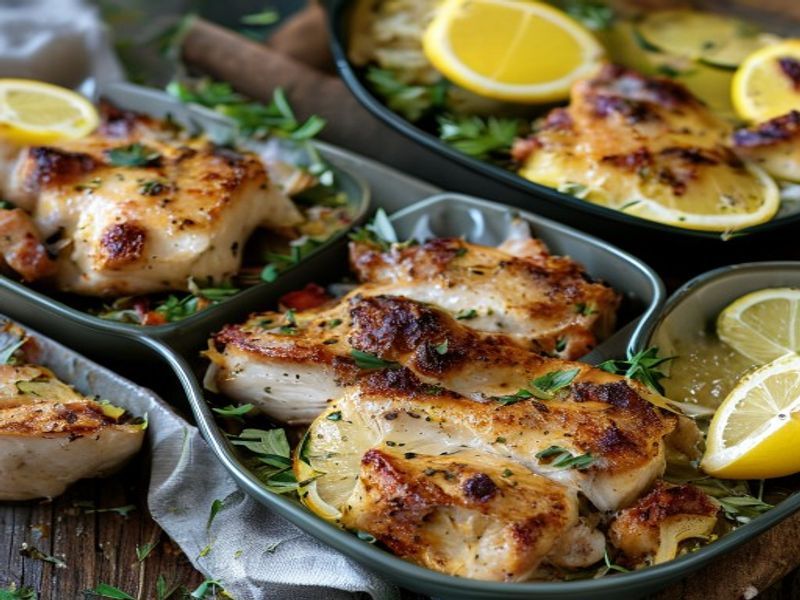
What You’ll Need
Ingredients
- 8 bone-in, skin-on chicken thighs (approximately 1.5 pounds / 680 grams total)
- 2 tablespoons extra virgin olive oil (cold-pressed for flavor stability at high heat)
- 2 large lemons (zest of 1, juice of 1, second sliced into 6 wedges)
- 3 fresh rosemary sprigs (approximately 2 tablespoons finely chopped)
- 4 cloves garlic, thinly sliced
- 1.5 teaspoons kosher salt (Diamond Crystal preferred; reduce to 1 teaspoon if using Morton)
- 1 teaspoon freshly cracked black pepper
- 1 pound cherry tomatoes
- 1 medium red onion (cut into 1-inch wedges)
- 1 bunch thin asparagus (woody ends trimmed, cut into 3-inch pieces)
Equipment
- 1 standard half-sheet pan (18 x 13 inches / 45 x 33 cm)
- Parchment paper or silicone baking mat
- Digital instant-read thermometer [Check Price on Amazon]
- Microplane zester
- Large mixing bowl (4-quart capacity)
- Kitchen tongs
Prep Work
Proper mise en place determines the final texture and cooking consistency. Remove the chicken from refrigeration 20 minutes before cooking. Cold meat dropped into a hot oven causes uneven cooking and forces the oven temperature to drop sharply. Pat the thighs completely dry with paper towels. Moisture on the skin is the primary cause of steaming instead of browning.
Zest both lemons before juicing. The essential oils in the zest contain the primary aromatic compounds for lemon rosemary chicken. Finely chop the rosemary leaves and discard the tough stems. Thinly slice the garlic cloves. Combine the olive oil, zest, chopped rosemary, sliced garlic, salt, and pepper in the mixing bowl. Add the dried chicken thighs and toss until evenly coated. Arrange the prepped vegetables in a separate container, keeping them chilled until the oven reaches temperature. This sheet pan chicken thighs recipe requires strict staging: vegetables added too early will burn, while chicken added late will not reach safe internal temperature. Prep can be completed 12 hours in advance if stored separately in airtight containers.
Cooking Instructions
- Preheat the Oven: Position a rack in the center and preheat to 425°F / 218°C. Do not skip the preheat. A properly heated oven ensures immediate Maillard reaction on the skin surface. Line your half-sheet pan with parchment paper.
- Arrange the Chicken: Place the marinated chicken thighs skin-side up on the prepared pan. Space them at least 1.5 inches apart. Overcrowding traps steam and ruins the crisp texture. Roast for 15 minutes undisturbed.
- Monitor Visual Cues: At the 10-minute mark, listen for a steady, low sizzle. The fat should be rendering visibly around the edges. If the pan is silent or the skin looks pale, your oven is underheating or the chicken was too wet. Do not flip the thighs.
- Add Vegetables: After 15 minutes, remove the pan carefully. Scatter the cherry tomatoes, red onion wedges, and asparagus around the chicken. Drizzle with 1 teaspoon olive oil and season lightly with salt. Return to the oven immediately.
- Finish Roasting: Cook for an additional 10-12 minutes. The vegetables should blister and soften slightly while the chicken skin deepens to a rich amber color. Check the thickest part of the thigh with your instant-read thermometer. The internal temperature must reach 165°F / 74°C. If it reads 160°F / 71°C, remove it now; carryover heat will bring it to 165°F / 74°C during resting.
- Rest and Portion: Transfer the chicken to a cutting board and let it rest for 5 minutes. This allows the muscle fibers to relax and reabsorb juices. Slice the wedges from the second lemon and squeeze over the pan. Divide into meal prep containers while still slightly warm.
Pro Tips
I find that scoring the chicken skin lightly with a paring knife before seasoning allows the salt and aromatics to penetrate deeper while accelerating fat rendering. In my experience, swapping boneless, skinless thighs reduces cooking time by 4 minutes but sacrifices approximately 30% of the inherent juiciness. For gluten free meal prep, this dish is naturally compliant, but always verify spice blends for hidden additives. If you must use frozen chicken, thaw completely in the refrigerator for 24 hours. Cooking from frozen drops the oven temperature too drastically and yields a rubbery exterior with an undercooked center. Store leftovers in airtight glass containers with a paper towel between the lid and food to absorb condensation and maintain texture for up to 4 days. This approach consistently ranks among the most reliable healthy meal prep ideas for busy schedules.
Serving Suggestions
For optimal 4-day meal prep bowls, allocate 2 chicken thighs (approximately 4 ounces of meat each), 1 cup of roasted vegetables, and 1 cup of a complex carbohydrate. Quinoa, brown rice, or roasted sweet potato cubes absorb the pan drippings exceptionally well. For a lighter clean eating recipes approach, serve over a bed of massaged kale or mixed greens with a quick vinaigrette made from 1 tablespoon olive oil, 1 teaspoon Dijon mustard, and 1 tablespoon lemon juice. Portioning while the chicken is still warm prevents cold fats from solidifying on the surface, which improves both appearance and flavor retention during refrigeration.
FAQ
Can I use frozen chicken thighs?
No. Thawing completely in the refrigerator is mandatory for even cooking and food safety. Frozen meat releases excess water during the initial heating phase, which steams the skin instead of crisping it and prevents proper seasoning adhesion.
How do I know when the chicken is fully cooked?
Use a digital instant-read thermometer inserted into the thickest part of the meat, avoiding the bone. The target is 165°F / 74°C. Visually, the juices should run completely clear, and the meat will pull away from the bone slightly. If the thermometer is unavailable, make a small cut near the bone to verify no pink remains.
Can I prep this ahead for the week?
Yes. You can season the chicken and chop the vegetables up to 24 hours in advance. Keep the marinated chicken covered in the refrigerator. Bring it to room temperature for 15 minutes before baking to ensure accurate cooking times. Cooked bowls store safely for 4 days in airtight containers.
How should I reheat meal prep containers?
Microwave at 50% power for 2 minutes, then 30-second intervals until warmed through. Alternatively, place in a preheated oven at 350°F / 177°C for 10 minutes covered with foil to restore moisture and crisp the skin slightly.
*As an Amazon Associate I earn from qualifying purchases.
发表回复