Introduction
This 20-Minute Skillet-Seared Sesame-Ginger Shrimp & Soba Noodles delivers restaurant-quality execution with zero downtime. Engineered for busy schedules, the recipe relies on high-heat searing, a balanced emulsified sauce, and precise starch handling. Shrimp cook rapidly, making this a reliable high protein lunch that fits seamlessly into healthy weekday meals. Using 100% buckwheat soba ensures a naturally gluten free lunch option that maintains structural integrity under hot oil. The technique prioritizes moisture retention and Maillard browning, transforming basic pantry staples into a cohesive sesame ginger shrimp bowl. Whether you need quick lunch recipes, efficient meal prep lunch ideas, or a light summer lunch, mastering the timing of this dish guarantees consistent results. I designed it to scale easily and deliver an easy noodle lunch without sacrificing texture or depth, proving that asian inspired recipes can be both technically sound and highly accessible.
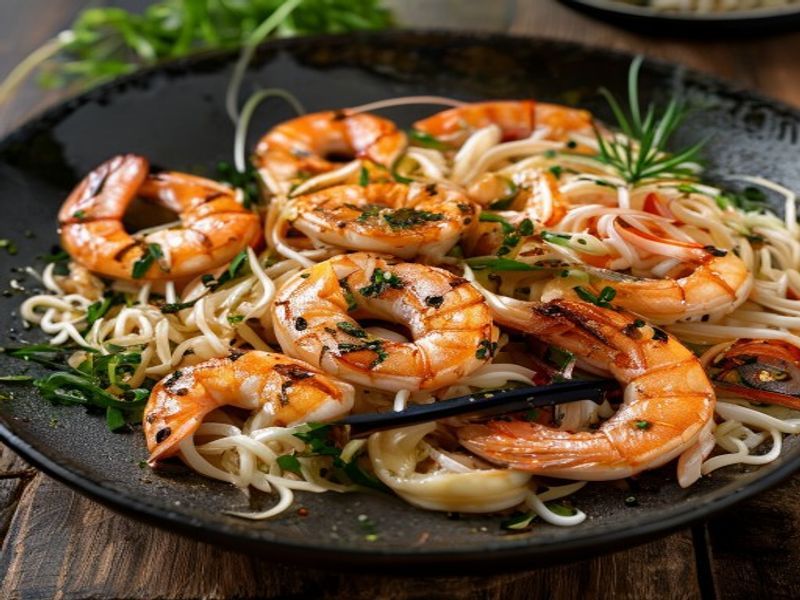
What You’ll Need
Ingredients
- Shrimp: 1 pound (450g), 21/25 count, peeled and deveined, tails removed. Pat completely dry before cooking.
- Soba Noodles: 8 ounces (225g), 100% buckwheat for optimal texture and authentic bite.
- Cornstarch: 2 tablespoons (16g) for a light, crisp exterior.
- Neutral Oil: 2 tablespoons (30ml), such as grapeseed or avocado oil.
- Fresh Ginger: 1 tablespoon (10g) finely grated.
- Garlic: 3 cloves (12g), minced.
- Low-Sodium Soy Sauce or Tamari: 3 tablespoons (45ml).
- Rice Vinegar: 1.5 tablespoons (22ml).
- Toast Sesame Oil: 1.5 teaspoons (7ml).
- Honey or Maple Syrup: 1 tablespoon (21g).
- Toasted Sesame Seeds: 1 tablespoon (8g) for garnish.
- Scallions: 3 stalks, thinly sliced (white and green parts separated).
Equipment
- 12-inch heavy-bottomed stainless steel or cast iron skillet [Check Price on Amazon]
- Instant-read digital thermometer
- 3-quart saucepan with lid
- Microplane grater and chef’s knife
- Colander and large mixing bowl
Prep Work
Success in a 20-minute meal depends entirely on organized mise en place. Begin by thawing frozen shrimp overnight in the refrigerator or under cold running water for 15 minutes. Pat them thoroughly dry with paper towels; surface moisture creates steam, which prevents proper searing and lowers pan temperature. Toss the dried shrimp with 2 tablespoons cornstarch, 1/2 teaspoon kosher salt, and 1/4 teaspoon black pepper until evenly coated. This light dusting dehydrates the exterior slightly, accelerating browning when it hits hot oil.
Whisk your sauce in a small bowl: combine 3 tablespoons soy sauce, 1.5 tablespoons rice vinegar, 1 tablespoon honey, and 1.5 teaspoons sesame oil. Grate the ginger directly into the mixture. Set the sauce aside at room temperature to allow the honey to dissolve and integrate fully.
Prepare the aromatics: mince the garlic, slice the scallions, and measure the sesame seeds. Keep the soba noodles in their packaging until you are ready to boil them. All prep should take approximately 8 minutes. You can prepare the sauce and chop the scallions up to 48 hours ahead and store them covered in the refrigerator at 38°F / 3°C.
Cooking Instructions
Step 1: Cook the Soba Noodles (4 minutes)
Bring 4 quarts (3.8L) of water to a rolling boil in a 3-quart saucepan over high heat. Salt the water with 1 tablespoon (15g) kosher salt. Add the soba noodles and stir immediately to prevent sticking. Cook uncovered for exactly 3 minutes, or until the noodles are just tender but still offer slight resistance. Soba transitions from al dente to mushy rapidly. Drain immediately in a colander, rinse under cold running water for 30 seconds to halt cooking and wash away excess surface starch, and shake dry thoroughly.
Step 2: Sear the Shrimp (3 minutes)
Place your 12-inch skillet over medium-high heat. Add 2 tablespoons neutral oil and allow it to heat until it shimmers and reaches approximately 375°F / 190°C. Carefully add the cornstarch-dusted shrimp in a single layer, leaving at least 1/2 inch of space between each piece. Do not overcrowd the pan. Sear undisturbed for 90 seconds until the underside develops a deep golden crust and the edges curl slightly. Flip the shrimp with tongs and cook for 45 seconds more. The internal temperature should reach 120°F / 49°C. Remove the shrimp immediately to a clean plate; carryover heat will bring them to a safe 125°F / 52°C while you build the sauce.
Step 3: Build the Sauce & Combine (3 minutes)
Reduce heat to medium. Add the minced garlic and grated ginger to the residual oil in the skillet. Stir constantly for 15 seconds until fragrant—do not let it brown, as burnt garlic turns bitter and ruins the sauce balance. Pour in the prepared sauce mixture. It will bubble vigorously immediately. Let it reduce for 30 seconds until it thickens slightly and coats the back of a spoon.
Step 4: Final Assembly (2 minutes)
Add the rinsed soba noodles to the skillet, followed by the seared shrimp and the white parts of the scallions. Using tongs, toss everything continuously for 60 seconds. The noodles will absorb the glossy emulsion. If the mixture appears dry, add 1 tablespoon (15ml) of reserved pasta water to loosen it. Turn off the heat, fold in the toasted sesame seeds and green scallion tops, and serve immediately while hot.
Pro Tips
- Moisture is the enemy of the sear. In my experience, the most common reason home cooks fail to achieve a proper crust is rushing the drying process. I find that laying shrimp on a wire rack over paper towels for 3 minutes after patting them dry pulls out residual moisture effectively.
- Temperature control prevents rubbery shrimp. Shrimp proteins tighten rapidly past 130°F / 54°C. Using an instant-read thermometer ensures you pull them exactly when they reach 120°F / 49°C, guaranteeing a tender, snappy texture rather than a chalky bite.
- Substitutions that actually work. If you require a strictly gluten free lunch option, verify your soba contains 100% buckwheat, as many commercial brands blend wheat flour. Tamari replaces soy sauce seamlessly. For a lower-sugar version, substitute the honey with 1/2 tablespoon (10g) erythritol or monk fruit sweetener.
- Make-ahead strategy. The sauce and chopped aromatics can be prepped up to 2 days in advance. Store them in an airtight container at 38°F / 3°C. Do not toss the noodles with the sauce ahead of time, as the starch will continue to absorb liquid and turn gummy.
Serving Suggestions
Portion this recipe into four equal servings, each containing approximately 4 ounces (115g) of shrimp and 2 ounces (55g) of dry soba noodles. The dish pairs exceptionally well with quick-pickled daikon or cucumber to cut through the rich sesame notes. Add 1/4 cup (35g) of edamame or sliced avocado for extra healthy fats and fiber. If serving as a meal prep lunch, pack the noodles, sauce, and shrimp in separate compartments to maintain optimal texture. Reheat gently with a splash of water in the microwave at 50% power for 60 seconds, then toss to re-emulsify.
FAQ
Can I use frozen shrimp for this recipe?
Yes, but thawing method matters. Never cook frozen shrimp directly, as the rapid temperature drop will ruin your pan’s heat and steam the exterior instead of searing it. Thaw overnight in the refrigerator or submerge sealed bags in cold water for 15 minutes. Once thawed, dry them thoroughly before dusting with cornstarch.
How do I know when the shrimp is done?
Look for three visual and textural cues: the flesh turns opaque white with pink highlights, the shape forms a tight “C” (not a tight “O”, which indicates overcooking), and the internal temperature reaches 120°F / 49°C. At this stage, remove them immediately; residual heat will finish the cooking process.
Can I prep this ahead for meal prep lunch ideas?
Absolutely. Store cooked soba noodles and seared shrimp in separate airtight containers at 40°F / 4°C or below for up to 3 days. Keep the sauce in a small jar. When ready to eat, combine and warm gently. Adding a teaspoon of cold water before reheating prevents the noodles from drying out and helps the sauce cling properly.
*As an Amazon Associate I earn from qualifying purchases.
发表回复