Introduction
This low-carb lamb roast with creamy garlic sauce delivers restaurant-quality results through controlled heat management and a properly emulsified pan sauce. The cut used here is a boneless leg roast, chosen for its lean profile and even cooking characteristics, making it a reliable choice for a healthy meal that doesn’t sacrifice richness. The recipe focuses on a two-stage cooking method: a high-heat sear for Maillard reaction development, followed by gentle roasting to reach the target internal temperature without drying out the meat. The accompanying sauce utilizes heavy cream, roasted garlic, and pan drippings, thickened naturally through reduction rather than starches. This easy recipe is structured for home cooks comfortable with basic roasting techniques, requiring an instant-read thermometer and basic knife skills. Proper execution yields a tender, juicy roast with a deeply flavored, velvety sauce that complements the lamb’s natural gaminess without overwhelming it.
What You’ll Need
Ingredients:
- 3.5 pounds boneless lamb leg roast, trimmed of excess external fat
- 2 tablespoons kosher salt
- 1 tablespoon freshly cracked black pepper
- 2 tablespoons olive oil (high smoke point)
- 6 large garlic cloves, unpeeled
- 2 tablespoons unsalted butter
- 1 cup heavy cream (minimum 36% milk fat)
- 1/2 cup beef or lamb stock, low-sodium
- 1 teaspoon fresh thyme leaves
- 1/4 teaspoon cayenne pepper
Ingredient Selection Notes: Select a roast with uniform thickness (approximately 4 inches at its widest point) to prevent uneven cooking. Heavy cream must contain at least 36% fat to withstand simmering without breaking. Stock should be gelatin-rich for natural body and mouthfeel.
Equipment:
- 12-inch heavy-bottomed cast iron skillet
- 9×13-inch rimmed baking sheet
- Wire roasting rack
- Instant-read digital thermometer [Check Price on Amazon]
- Chef’s knife and paper towels
- Wooden spoon and silicone whisk
Prep Work
Remove the lamb from refrigeration exactly 45 minutes before cooking to allow the surface temperature to reach 60°F / 15°C. Cold meat drastically lowers pan temperature upon contact, causing steam formation instead of proper browning. Score the external fat cap in a crosshatch pattern, cutting precisely 1/8 inch deep. This prevents the meat from curling during high-heat exposure and allows fat to render evenly. Pat the roast completely dry with paper towels; residual surface moisture is the primary cause of pale, steamed crusts.
Season all surfaces evenly with 2 tablespoons kosher salt and 1 tablespoon black pepper, pressing firmly into the muscle fibers. Let the seasoned meat sit uncovered at room temperature for 15 minutes to initiate osmotic salt penetration. While the meat rests, place the 6 unpeeled garlic cloves in a small oven-safe ramekin with 1 teaspoon olive oil and cover loosely with aluminum foil. Position the heavy cream, stock, thyme, butter, and thermometer within arm’s reach. This entire mise en place stage requires 10 minutes and can be completed up to 2 hours ahead if the roast remains refrigerated and is brought back to temperature before cooking.
Cooking Instructions
- Preheat & Position: Set oven to 325°F / 163°C. Place the wire rack in the center of the 9×13-inch rimmed baking sheet to allow hot air circulation on all sides.
- Initial Sear: Heat 2 tablespoons olive oil in the 12-inch cast iron skillet over medium-high heat until shimmering, approximately 375°F / 190°C. Carefully lower the lamb into the pan. Do not move it for exactly 4 minutes. Watch for a deep mahogany crust forming along the contact edges. If the meat releases cleanly from the pan when nudged, the crust is set. If it resists, continue searing for 60 seconds. Flip and sear all remaining sides for 3 minutes per side. Common mistake: overcrowding the pan or moving the meat prematurely, which tears the developing protein crust.
- Roasting Phase: Transfer the seared roast to the wire rack. Place the ramekin with garlic on the same rack. Roast for 45-50 minutes. Insert the thermometer into the thickest geometric center, avoiding fat pockets. Target internal temperature: 135°F / 57°C. Visual cue: the exterior should feel firm with slight springback, and juices will run pink-tinged when probed.
- Sauce Base Prep: While meat roasts, remove roasted garlic from skins. Mash into a smooth paste using the back of a fork. This softens the harsh allicin compounds while preserving flavor.
- Resting: Remove lamb from the oven immediately upon hitting 135°F / 57°C. Tent loosely with foil and rest for exactly 15 minutes. Internal temperature will naturally rise 5°F / 3°C during this phase. Cutting immediately forces 20% of the internal juices onto the cutting board.
- Build the Sauce: Return the empty skillet with lamb drippings to medium heat. Add 2 tablespoons butter and the garlic paste, whisking vigorously for 30 seconds until fragrant. Pour in 1/2 cup stock, scraping browned fond from the bottom with a wooden spoon. Bring to a gentle simmer.
- Emulsify & Reduce: Add 1 cup heavy cream and 1 teaspoon thyme leaves. Reduce heat to medium-low. Simmer gently for 6-8 minutes, stirring continuously. Watch for the sauce to coat the back of a spoon and leave a clear, unbroken trail when a spatula drags through it. Do not allow a rolling boil, or the fat will separate. Stir in cayenne and adjust with 1/4 teaspoon salt only if necessary.
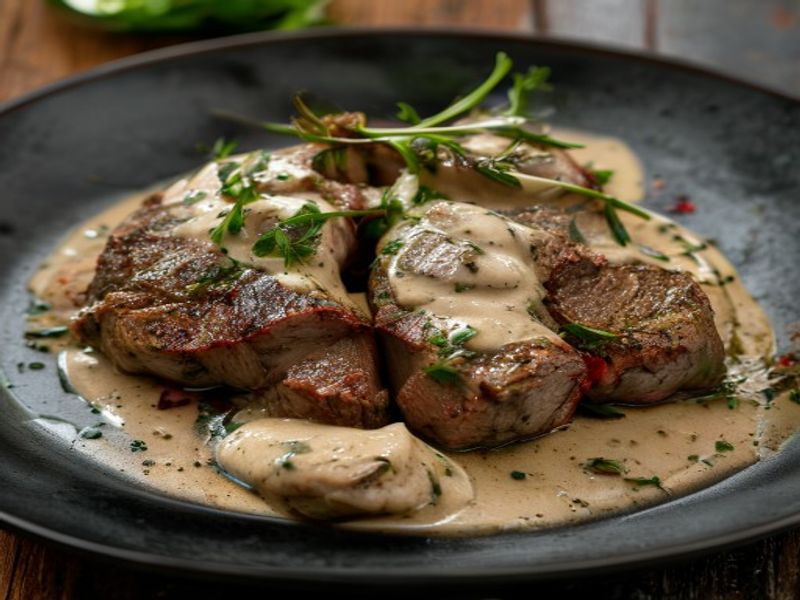
- Final Assembly: Slice the rested roast against the grain into 1/4-inch thick medallions. Arrange on warmed plates and spoon exactly 3 tablespoons of warm sauce over each portion.
Pro Tips
I find that resting the meat is non-negotiable for moisture retention and texture optimization. In my experience, using a wire rack prevents the bottom from steaming in its own rendered drippings, ensuring a consistent crust from edge to center. If you require a dairy-free alternative, substitute 3/4 cup full-fat coconut milk with 1/4 cup cashew cream; whisk continuously during reduction to maintain viscosity without breaking. For make-ahead efficiency, you can season the roast 24 hours in advance and store uncovered in the refrigerator. This dry-brining method pulls surface moisture out, resulting in a superior, glass-like crust upon searing. Always prepare the sauce fresh, as dairy emulsions degrade structurally when cooled and reheated.
Serving Suggestions
This homemade healthy meal pairs optimally with low-starch, high-fiber vegetables that absorb the sauce without competing for attention. Roasted asparagus spears, sautéed spinach finished with lemon juice, or a smooth cauliflower purée provide necessary textural contrast while maintaining the low-carb profile. Allocate 6-8 ounces of raw meat per adult, which yields approximately 4.5 ounces cooked after moisture loss and trimming. The recipe yields exactly 8 standard servings. Reserve any remaining sauce for tableside drizzling. A high-acid white wine like Albariño or a light-bodied Pinot Noir cuts through the fat content and cleanses the palate between bites.
FAQ
Can I use a frozen lamb roast?
Thaw completely in the refrigerator for 48-72 hours before cooking. Roasting from frozen creates a severe temperature gradient, resulting in a gray, overcooked exterior and a dangerously undercooked center. Never use a microwave for thawing large roasts, as it partially denatures surface proteins and ruins final texture.
How do I know when it’s done?
External color is unreliable due to myoglobin retention and carryover cooking. Always rely on a calibrated instant-read thermometer inserted into the geometric center. Pull at 135°F / 57°C for medium-rare. The meat should yield slightly to firm pressure but spring back immediately, never feeling spongy or rigid.
Can I prep this ahead?
Season the roast up to 24 hours in advance and store uncovered on a wire rack in the refrigerator. This dry-brining technique pulls surface moisture out, guaranteeing superior crust formation. The creamy garlic sauce must be prepared fresh, as dairy emulsions separate and become grainy upon refrigeration and reheating.
Why did my sauce break?
Sauce separation occurs when heat exceeds 200°F / 93°C or when acidic ingredients are introduced too rapidly. Maintain a gentle simmer and whisk continuously during the final reduction. If breaking occurs, remove from heat immediately and whisk in 1 tablespoon of cold heavy cream or a single ice cube to force re-emulsification.
*As an Amazon Associate I earn from qualifying purchases.
发表回复