Introduction
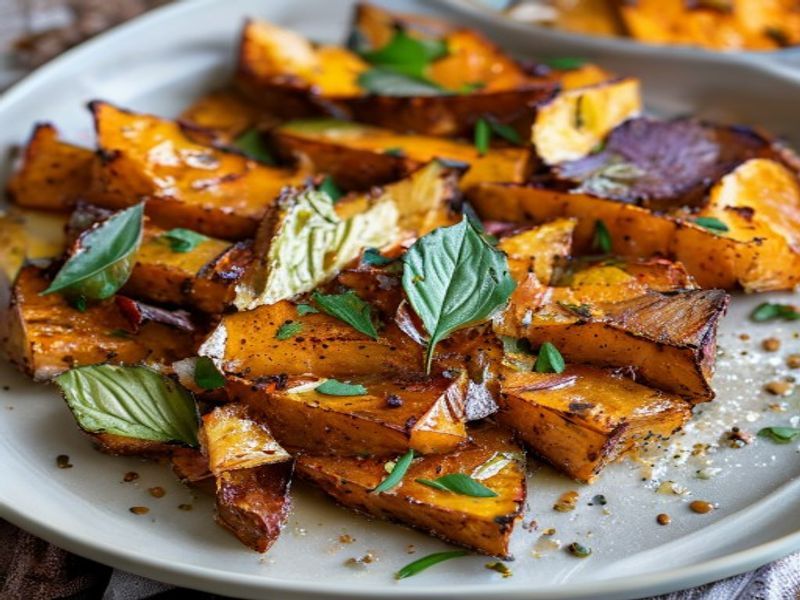
This sweet potato breakfast hash delivers consistent caramelization and balanced flavor through controlled sheet-pan roasting. By utilizing high, dry heat, the diced potatoes develop a crisp exterior while staying tender inside, creating an ideal base for perfectly set roasted sweet potato eggs. The maple sage breakfast component adds a savory-sweet finish that cuts through the richness without overwhelming the dish. Designed for home cooks seeking a reliable, one-pan method, this recipe requires minimal active time and delivers repeatable results. Whether you are building a quick vegetarian meal prep or planning weekend brunch inspiration, the technique prioritizes moisture management and precise heat distribution. Follow the steps below for a healthy morning hash that cooks evenly, browns properly, and comes together in a reliable 30-minute breakfast window.
What You’ll Need
Ingredients:
- 1.5 pounds sweet potatoes (about 2 large), peeled and cut into ½-inch cubes
- 1 medium yellow onion (about 8 oz), diced into ¼-inch pieces
- 1 large red bell pepper (6 oz), cored and diced into ½-inch pieces
- 3 tablespoons avocado oil or olive oil, divided
- 1.5 teaspoons kosher salt, divided
- 0.5 teaspoon freshly cracked black pepper
- 0.5 teaspoon smoked paprika
- 4 large eggs, straight from refrigeration
- 2 tablespoons pure maple syrup
- 1 tablespoon fresh sage leaves, finely chopped
- 1 teaspoon apple cider vinegar
- 1 teaspoon Dijon mustard
- 1 clove garlic, microplaned
Ingredient Selection Notes: Choose firm sweet potatoes with intact skin and no soft spots, as internal moisture loss prevents proper browning. Fresh sage provides essential volatile oils that degrade rapidly when dried; use it for maximum aromatic impact. Use large eggs (2 oz each) to ensure predictable protein coagulation times.
Equipment:
- 18×13-inch half-sheet baking pan (heavy-gauge aluminum) [Check Price on Amazon]
- Parchment paper or silicone baking mat
- 12-inch chef’s knife and sturdy cutting board
- Small mixing bowl and silicone pastry brush
- Instant-read thermometer
- Wide offset spatula
Prep Work
Proper mise en place ensures even roasting and prevents overcooking while you manage multiple components. Peel the sweet potatoes and dice them uniformly to exactly ½-inch cubes. Irregular cuts cause smaller pieces to burn before larger ones soften, so measure your dice visually and correct any oversized pieces. Transfer the cubes to a large bowl. Dice the onion and red bell pepper to match the potato dimensions for synchronized cooking. Keep all vegetables chilled until ready to roast; cold vegetables hitting a hot surface actually improves the initial sear by delaying rapid moisture release.
Prepare the glaze by whisking together the maple syrup, chopped sage, apple cider vinegar, Dijon mustard, and microplaned garlic in a small bowl. Set aside at room temperature for 5 minutes to allow the mustard to fully emulsify with the syrup and the garlic to infuse. Crack the eggs into a small ramekin only when ready to use. Do not pre-crack them more than 10 minutes ahead, as the egg whites will thin and spread unpredictably across the pan.
You can dice and portion the vegetables up to 24 hours in advance. Store them in a sealed container lined with a dry paper towel to absorb excess surface moisture, which is the primary enemy of crisp sheet-pan roasting.
Cooking Instructions
- Preheat the oven and prepare the pan. Set your oven to 425°F / 220°C using the conventional bake setting. Line the 18×13-inch half-sheet pan with parchment paper. Avoid thin or warped pans, as they create uneven heat pockets that steam the vegetables instead of browning them.
- Season and coat the vegetables. Add the diced sweet potatoes, onion, and bell pepper to a large bowl. Drizzle with 2 tablespoons of avocado oil, 1 teaspoon kosher salt, black pepper, and smoked paprika. Toss vigorously until every piece is evenly coated. The oil acts as a thermal conductor, ensuring surface temperatures exceed 300°F / 149°C quickly enough to trigger the Maillard reaction and develop complex flavor compounds.
- Roast in a single layer. Transfer the mixture to the prepared sheet pan. Use the offset spatula to spread the vegetables into a strict, non-overlapping layer. Roast for exactly 15 minutes undisturbed. At the 15-minute mark, remove the pan and flip the vegetables. You should observe deep golden-brown caramelization on the contact sides. If the vegetables appear pale or release excessive liquid, return to the oven for an additional 5 minutes to drive off surface moisture.
- Apply the maple-sage glaze. Whisk the maple-sage mixture one final time to recombine separated oils. After the flip, remove the pan and brush the glaze evenly over the top using a silicone pastry brush. The residual pan heat will immediately begin to reduce the syrup, creating a tacky, glossy coating. Return to the oven for exactly 4 minutes. Watch closely: the natural sugars will caramelize rapidly at this temperature and can scorch in under 90 seconds if left unattended.
- Add the eggs. Remove the pan and create four shallow wells in the hash using the back of a spoon. Carefully crack one egg into each well. Sprinkle the remaining 0.5 teaspoon kosher salt over the exposed whites. Return to the oven for 6–8 minutes. The whites must turn completely opaque and firm to the touch, while the yolks remain visibly jiggly when the pan is gently shaken. An instant-read thermometer inserted into the thickest part of the white should read at least 145°F / 63°C for safe consumption.
- Rest and serve. Remove the pan from the oven and let it rest on a heat-safe surface for exactly 3 minutes. This pause allows carryover cooking to stabilize the egg texture and gives the glaze time to set slightly, preventing it from sliding off during plating. Transfer to serving plates using a wide spatula. Serve immediately while the edges are still crisp.
Common mistake to avoid: Adding cold eggs directly to a hot pan without creating a structural well causes the whites to spread into the crevices, making them nearly impossible to lift cleanly. Always nestle them into a shallow depression in the hash to maintain portion control and visual presentation.
Pro Tips
In my experience, dusting the sweet potatoes with 1 teaspoon of cornstarch before adding the oil increases surface crispness by absorbing excess starch and creating a microscopic barrier against internal moisture migration. I find that letting the sheet pan preheat in the oven for 5 minutes before adding the vegetables mimics the thermal mass of a heavy cast-iron skillet, accelerating the initial sear and preventing steaming. For reliable substitutions, smoked paprika can be replaced with 0.5 teaspoon ground cumin for an earthier profile, and fresh sage can be swapped with 0.5 teaspoon dried thyme if you reduce the quantity to prevent bitterness. To make this a quick vegetarian meal prep, fully roast the glazed vegetables, cool completely on a wire rack, and refrigerate for up to 3 days. Reheat at 375°F / 190°C for 10 minutes, then crack fresh eggs into the wells for a final 8-minute bake. This preserves the vegetable texture while delivering a freshly cooked egg every time.
Serving Suggestions
This sheet pan breakfast recipe yields 2 generous portions or 4 light servings. Serve alongside a simple arugula and shaved fennel salad dressed with lemon juice and sea salt to cut through the richness. A dollop of dairy-free coconut yogurt or sliced avocado adds cooling fat that balances the maple sage breakfast profile. For beverage pairings, black coffee or cold-pressed grapefruit juice complements the savory-sweet notes. When plating, portion the hash first, then use a wide spatula to lift each egg intact, ensuring the yolk remains centered and visually striking. This approach transforms an easy savory brunch into a restaurant-quality presentation with minimal effort.
FAQ
Can I use frozen sweet potatoes for this recipe?
No. Frozen sweet potatoes undergo cellular damage during freezing and release significant water during thawing, which prevents proper roasting and results in a steamed, mushy texture. Always use fresh, raw sweet potatoes for optimal moisture control and consistent caramelization.
How do I know when the hash is fully done?
The sweet potatoes should yield to gentle pressure from the tip of a fork but still maintain their structural shape. The exterior should display a deep amber color, and the internal temperature should reach 205°F / 96°C when tested in the thickest piece. If the potatoes feel firm in the center, extend roasting in 3-minute increments until the starch fully gelatinizes.
Can I prep this entirely ahead for meal prep containers?
You can prep the roasted hash base and store it in airtight containers for up to 4 days in the refrigerator. However, do not bake the eggs until you are ready to eat, as pre-cooked sheet-pan eggs develop a rubbery, sulfurous texture upon reheating. Reheat the hash at 350°F / 177°C for 12 minutes before adding fresh eggs for the final bake.
What if my oven consistently runs cool?
Verify your oven temperature with a standalone oven thermometer. If it consistently reads 10–15°F lower than the dial setting, increase the target temperature to 435°F / 224°C and extend the initial roast time by 3–4 minutes. Always monitor color development and surface texture rather than strictly following the clock, as ambient humidity and rack position also impact roasting speed.
*As an Amazon Associate I earn from qualifying purchases.
发表回复