Introduction
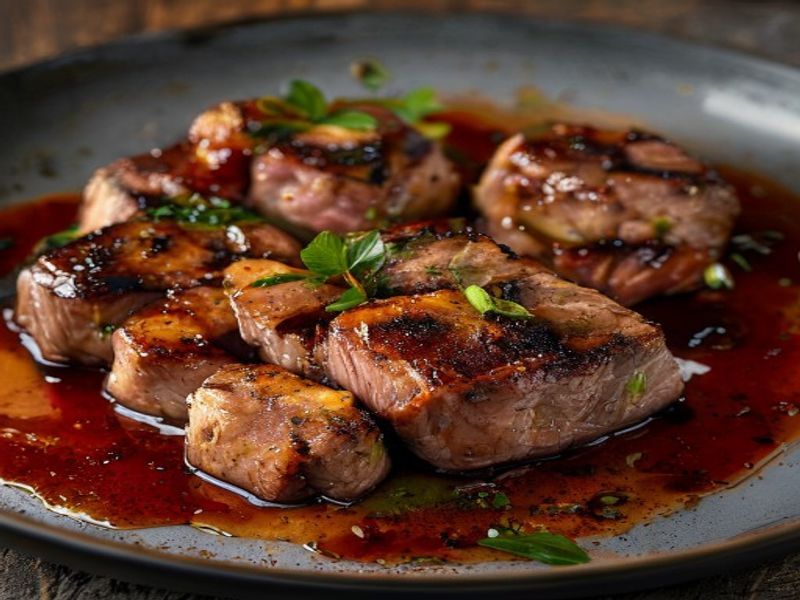
This gochujang pork tenderloin delivers restaurant-quality results with minimal active time. The pan-seared pork recipe relies on a high-heat sear to develop a caramelized crust, followed by a rapid reduction of a balanced honey gochujang glaze that clings to the meat. Pork tenderloin is exceptionally lean and cooks rapidly, making it ideal for quick weeknight dinners without sacrificing depth. The Korean-inspired flavor profile balances fermented heat, sweetness, and umami, while the one-skillet recipe keeps cleanup efficient. This dish is perfect for intermediate home cooks but remains entirely accessible to beginners who follow the temperature and timing guidelines precisely. Proper technique ensures the meat stays juicy, avoiding the dryness often associated with lean cuts. Mastering this easy pork tenderloin builds foundational skills for countless other proteins.
What You’ll Need
Ingredients
- 1.5 pounds pork tenderloin, trimmed of silver skin
- 2 tablespoons neutral high-smoke-point oil (avocado or grapeseed)
- 1 teaspoon kosher salt (Diamond Crystal), plus ½ teaspoon for glaze
- ½ teaspoon freshly ground black pepper
- 3 tablespoons gochujang (Korean fermented chili paste)
- 3 tablespoons raw honey
- 1.5 tablespoons low-sodium soy sauce
- 1 tablespoon rice vinegar
- 2 cloves garlic, finely minced
- 1 teaspoon toasted sesame seeds, for garnish
- 2 scallions, thinly sliced on the bias
Ingredient Notes: Select a tenderloin weighing 1.25 to 1.5 pounds for even cooking. Authentic gochujang contains fermented soybeans and rice; avoid sweet chili pastes with added corn syrup. Use raw honey for floral notes that balance the fermented heat.
Equipment
- 12-inch heavy-bottomed stainless steel or cast iron skillet
- Instant-read digital thermometer [Check Price on Amazon]
- Small whisking bowl and silicone spatula
- Chef’s knife and flexible boning knife
- Tongs and wire cooling rack
Prep Work
Efficient prep dictates the success of fast-cooking proteins. Remove the pork from refrigeration 15 minutes before cooking to take the chill off the surface, which promotes even browning. Using a flexible boning knife, carefully trim the tough, silvery connective tissue from the exterior. Pat the meat completely dry with paper towels—moisture is the primary enemy of crust formation. If your skillet cannot accommodate the full length without crowding, cut the tenderloin crosswise into 3 equal medallions.
In a small bowl, whisk together the gochujang, honey, soy sauce, rice vinegar, and ½ teaspoon kosher salt until the paste fully dissolves into a smooth, pourable consistency. Mince the garlic and slice the scallions. Keep the glaze at room temperature; cold ingredients shock the hot pan and cause the honey to seize.
Timing & Make-Ahead: Trim and dry the pork, prepare the glaze, and chop garnishes up to 24 hours in advance. Store the seasoned meat uncovered in the refrigerator to dry the surface further, which improves searing. Bring the meat back to room temperature for 10 minutes before cooking.
Cooking Instructions
- Season and Preheat: Sprinkle the pork evenly with 1 teaspoon kosher salt and ½ teaspoon black pepper. Place your 12-inch skillet over medium-high heat (target pan temperature: 375°F / 190°C). Add 2 tablespoons of oil and swirl to coat. Wait 90 seconds until the oil shimmers and just begins to ripple. In my experience, heating the oil to this exact threshold ensures immediate Maillard reaction without burning the aromatics later.
- Sear the Pork: Carefully lay the pork into the pan using tongs, placing each piece away from you to avoid splatter. Do not move the meat. Cook undisturbed for 3 minutes per side on all four sides. Watch for a deep golden-brown crust forming along the edges. The surface should release naturally from the pan when properly seared. If it sticks, give it another 30 seconds.
- Monitor Internal Temperature: After 12 minutes of total searing, insert an instant-read thermometer into the thickest part. The target is 140°F / 60°C before resting. If the exterior is darkening too quickly but the center remains under 130°F / 54°C, reduce heat to medium and rotate the meat every 30 seconds.
- Glaze and Finish: Transfer the pork to a wire rack. Pour off excess fat, leaving 1 teaspoon in the pan. Reduce heat to low (250°F / 120°C). Add the whisked gochujang-honey mixture. It will bubble vigorously and thicken within 30 seconds. Stir constantly until the glaze reaches a syrup consistency that coats the back of a spoon. Return the pork to the pan and toss gently for 45 seconds to coat every surface evenly.
- Rest and Slice: Remove from heat immediately. Transfer the pork back to the wire rack and let it rest for exactly 5 minutes. This allows muscle fibers to relax and redistribute juices. Slice into ½-inch thick rounds against the grain. Garnish with toasted sesame seeds and scallions before plating.
Common Mistakes to Avoid: Overcrowding the pan drops the temperature below 300°F / 149°C, causing the meat to steam instead of sear. Adding the glaze too early burns the honey, creating a bitter, acrid flavor. Always verify doneness with a thermometer; color alone is an unreliable indicator for pork.
Pro Tips
- Chef Secrets: I find that brushing half the glaze onto the pork during the final minute of searing, then using the remainder in the pan for tossing, creates a superior lacquered finish without scorching. For optimal texture, let the pan cool slightly before adding the honey-based glaze; rapid temperature changes prevent the sugars from caramelizing evenly.
- Substitutions: If gochujang is unavailable, substitute with 2 tablespoons sweet chili sauce plus 1 teaspoon sriracha, though the fermented depth will be reduced. Chicken breast or thighs work with this method, but adjust cooking time by 2–3 minutes per side to reach 165°F / 74°C internal temperature. For a gluten-free version, use tamari instead of soy sauce.
- Make-Ahead Options: The glaze can be prepared and refrigerated for up to 5 days. Reheat gently in a microwave or small saucepan before use. The seared pork can be cooked, glazed, and stored in the refrigerator for meal prep, but expect a slightly softer crust upon reheating. Reheat at 300°F / 149°C for 10 minutes covered with foil to retain moisture.
Serving Suggestions
This spicy sweet dinner pairs best with neutral, absorbent starches that balance the bold glaze. Serve over 1 cup of short-grain white rice or 12 ounces of cooked soba noodles per person. A quick cucumber-sesame salad (1 English cucumber, thinly sliced, tossed with 1 tablespoon rice vinegar and ½ teaspoon sesame oil) provides necessary acidity and crunch. For a healthy family dinner, add 2 cups of roasted broccoli or snap peas tossed in olive oil and garlic. Portion guidance: 1.5 pounds yields four 4-ounce servings, which is standard for lean proteins when paired with substantial sides.
FAQ
Can I use frozen pork tenderloin?
Do not cook from frozen. Frozen meat will drop the pan temperature drastically, leading to a pale, steamed exterior and unevenly cooked center. Thaw completely in the refrigerator for 24 hours, then follow the standard room-temperature rest and drying procedure.
How do I know when it’s done without a thermometer?
While an instant-read thermometer is highly recommended for accuracy, you can assess doneness by touch. Press the center of the medallion with your index finger. It should feel firm with a slight spring, similar to the base of your thumb when your hand is open. The juices running clear when pierced with a paring knife also indicate readiness, though this method risks drying the meat.
Can I prep this ahead and cook it later?
Yes. Trim, dry, and season the pork up to 24 hours in advance. Store it uncovered on a wire rack set over a sheet pan in the refrigerator. This dry-brining process draws out surface moisture and concentrates flavor. Bring it to room temperature for 15 minutes before searing to ensure even cooking.
Why does my glaze separate or turn grainy?
This usually occurs when the pan is too hot or the honey-to-liquid ratio is off. Maintain low heat (250°F / 120°C) during reduction and whisk continuously. Adding a splash of warm water if it thickens too quickly will restore emulsion and create a glossy finish.
*As an Amazon Associate I earn from qualifying purchases.
发表回复