Date Night Mediterranean Beef Skillet
This one-pan dish delivers restaurant-quality results without the complexity, making it an ideal easy recipe for a homemade, healthy meal on date night. The combination of high-quality beef, bright Mediterranean aromatics, and a rich tomato-herb reduction creates a balanced flavor profile that feels indulgent yet nourishing. Designed for intermediate home cooks, this method relies on proper heat management and sequential layering rather than complicated techniques. By cooking everything in a single vessel, you retain juices, concentrate flavors, and minimize cleanup while maximizing impact. The key to success lies in searing the meat correctly, building a fond-based sauce, and finishing with fresh herbs and acid to lift the dish. Follow the precise temperatures and timing below to guarantee consistent results every time.
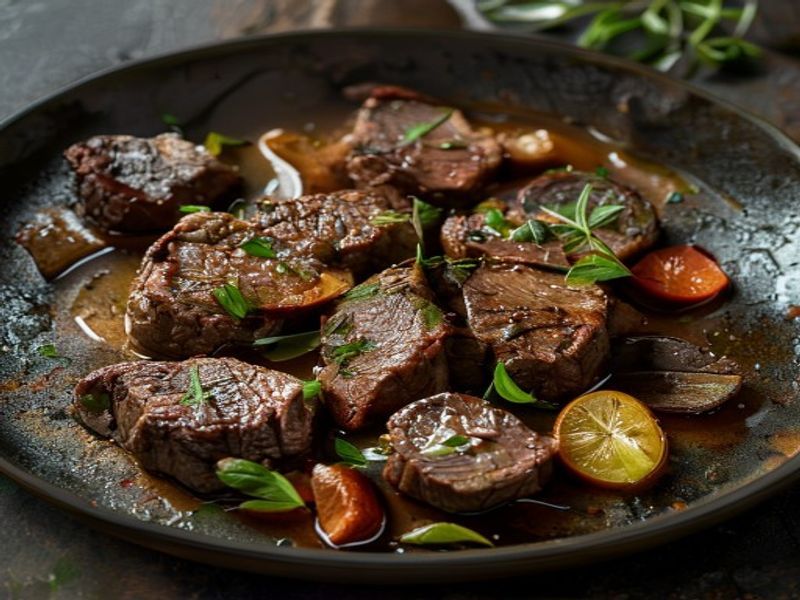
What You’ll Need
Ingredients
- Beef: 1.5 pounds (680g) beef sirloin or flank steak, cut into 1-inch cubes
- Olive Oil: 3 tablespoons extra virgin olive oil, divided
- Red Onion: 1 medium (about 5 oz / 140g), finely diced
- Garlic: 4 cloves, minced
- Cherry Tomatoes: 1.5 cups (240g), halved
- Bell Pepper: 1 large red bell pepper, seeded and sliced into 1/2-inch strips
- Kalamata Olives: 1/2 cup (75g), pitted and halved
- Spices: 1 teaspoon smoked paprika, 1/2 teaspoon dried oregano, 1/4 teaspoon red pepper flakes
- Liquid: 1 cup (240ml) low-sodium beef broth, 2 tablespoons tomato paste
- Acid/Finish: 1 tablespoon fresh lemon juice, 1/4 cup (10g) fresh parsley, chopped
- Seasoning: 1.5 teaspoons kosher salt, 1/2 teaspoon black pepper, freshly divided
Ingredient Notes: Choose well-marbled sirloin for tenderness, or flank for deeper flavor. Fresh oregano and parsley deliver brighter notes than dried. Use high-quality extra virgin olive oil for finishing, as its flavor carries through the dish.
Equipment
- 12-inch cast iron skillet or heavy-bottomed stainless steel pan [Check Price on Amazon]
- Instant-read digital thermometer
- Sharp chef’s knife and cutting board
- Tongs and silicone spatula
- Small mixing bowls for mise en place
Prep Work
Proper preparation prevents temperature drops and ensures even cooking. Begin by removing the cubed beef from the refrigerator 20 minutes before cooking to reach approximately 60°F / 15°C. Cold meat steams instead of searing. Pat the beef completely dry with paper towels, then toss with 1 teaspoon kosher salt, 1/4 teaspoon black pepper, smoked paprika, and oregano. Moisture on the surface inhibits the Maillard reaction, which is responsible for developing complex savory flavors.
While the beef rests, prep the vegetables. Dice the onion, slice the bell pepper, mince the garlic, and halve the tomatoes. Keep them in separate bowls to control cooking times. Measure the broth, tomato paste, and lemon juice into a small pitcher for quick access during the active cooking phase. All aromatics should remain at room temperature to integrate smoothly into the hot pan without causing violent temperature drops.
Timing Note: You can dice vegetables, measure spices, and cut the beef up to 4 hours ahead. Store each component separately in airtight containers in the refrigerator. Bring the beef to room temperature exactly 20 minutes before starting the cooking process.
Cooking Instructions
- Heat the Skillet: Place your 12-inch cast iron skillet over medium-high heat (approximately 400°F / 200°C surface temp) for 3 minutes. Add 2 tablespoons olive oil. The oil should shimmer and thin out across the surface, but not produce steady smoke. If it smokes heavily, the pan is too hot and will burn the spices before they release their essential oils.
- Sear the Beef: Carefully add the seasoned beef in a single layer, leaving exactly 1/2 inch between pieces. Cook undisturbed for exactly 3 minutes. Do not stir or shake the pan. A proper crust requires sustained contact with hot metal. Flip and sear for 2 additional minutes until deep golden brown. Remove beef with tongs and transfer to a clean plate. In my experience, crowding the pan drops the temperature below 300°F / 150°C, which guarantees steamed, gray meat instead of a flavorful crust.
- Sauté Aromatics: Reduce heat to medium (325°F / 165°C). Add the remaining 1 tablespoon olive oil and diced onion. Cook for 4 minutes, stirring occasionally, until translucent and softened at the edges. Add the bell pepper and cook for 3 minutes until slightly blistered but still crisp-tender. Stir in the minced garlic, red pepper flakes, and tomato paste. Cook for exactly 60 seconds, scraping the bottom constantly to prevent burning. The paste will darken slightly and smell intensely fragrant as the sugars caramelize.
- Deglaze and Simmer: Pour in the beef broth while scraping the browned fond from the pan with a silicone spatula. The liquid should immediately bubble and reduce slightly. Add the halved cherry tomatoes and kalamata olives. Return the seared beef and any accumulated juices to the skillet. Bring to a gentle simmer (approximately 200°F / 93°C) and cook uncovered for 5 minutes. The sauce will thicken and coat the back of a spoon. You will hear a steady, low bubbling rather than a rapid boil.
- Finish and Rest: Remove the skillet from heat. Check the beef internal temperature with your instant-read thermometer; it should read 135°F / 57°C for medium. Carryover heat will raise it to 140°F / 60°C during resting. Drizzle with lemon juice, fold in half the chopped parsley, and let rest in the pan for exactly 3 minutes. Garnish with remaining parsley before serving.
Common Mistake to Avoid: Do not boil the sauce vigorously after adding the beef. High heat rapidly contracts muscle fibers, forcing out moisture and creating a tough, chewy texture. Maintain a gentle simmer and rely on the resting period to carry the beef to its final temperature.
Pro Tips
I find that resting the beef in the pan off the heat allows the muscle fibers to relax, trapping juices that would otherwise spill onto the plate when cut. For substitutions, you can replace the sirloin with 1.5 pounds of skinless, boneless chicken thighs, adjusting the target internal temperature to 165°F / 74°C. If you prefer a grain base, swap the olives for 1/2 cup of cooked farro and stir it into the sauce during the final minute of simmering. This dish holds well for make-ahead: cool completely within 1 hour, store in an airtight container, and reheat gently in a covered skillet over low heat with 2 tablespoons of broth to restore moisture. Avoid microwaving, as it rapidly dehydrates the beef and separates the oil from the tomato reduction.
Serving Suggestions
This recipe yields exactly two 12-ounce servings, making it perfectly proportioned for a date night meal. Serve directly in the skillet for a rustic presentation, or transfer to warmed shallow bowls to retain heat longer. Pair with 4 ounces of whipped feta per person, 2 slices of warm pita bread, and a simple cucumber-tomato salad dressed with 1 tablespoon olive oil and 1 teaspoon red wine vinegar. For a complete healthy meal, add a side of roasted asparagus tossed in lemon zest and cracked pepper. The bright acidity and crisp vegetables cut through the rich tomato-beef sauce, creating a balanced dining experience.
FAQ
Can I use frozen beef for this recipe?
No. Frozen beef releases excessive moisture when thawed in a hot pan, which prevents proper searing. Always thaw beef in the refrigerator for 24 hours and pat it completely dry before seasoning. If you must cook from frozen, thaw it quickly in a sealed bag submerged in cold water for 30 minutes, then dry thoroughly.
How do I know when the beef is done?
Use an instant-read thermometer inserted into the center of the largest cube. Pull the skillet from the heat when the beef reaches 135°F / 57°C. The carryover heat from the skillet and sauce will increase the temperature by 5°F / 3°C during the 3-minute resting period, yielding a perfect medium doneness. Visual cues include firm resistance when pressed with tongs and a uniformly brown exterior.
Can I prep this recipe ahead of time?
You can fully prep the ingredients up to 24 hours in advance, but cook the dish fresh for optimal texture. If you need a true make-ahead meal, cook the skillet completely, cool it rapidly in an ice bath, and refrigerate for up to 3 days. Reheat gently to 140°F / 60°C to avoid overcooking. Do not freeze the finished dish, as the tomatoes and peppers will become mushy upon thawing.
*As an Amazon Associate I earn from qualifying purchases.
发表回复