Introduction
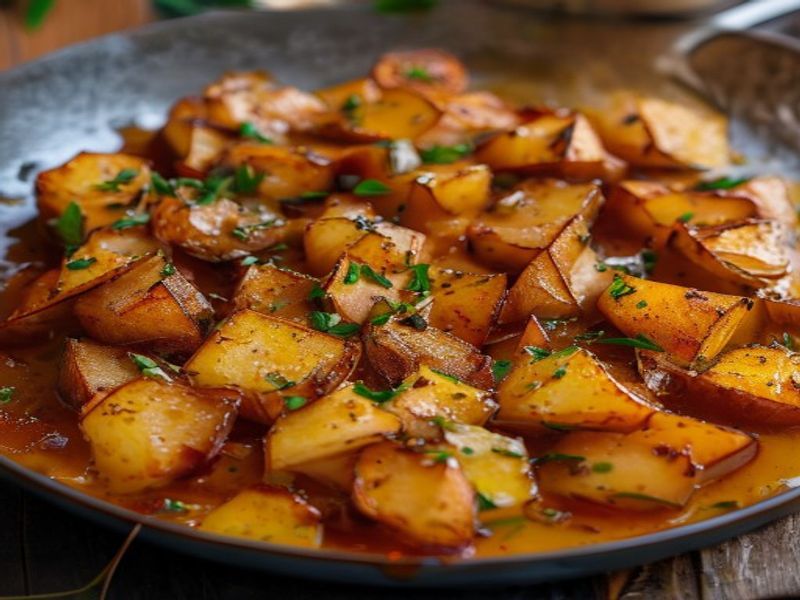
This 20-minute skillet-crisped sweet potato hash delivers restaurant-quality texture through controlled heat management and strategic starch gelatinization. By par-cooking the sweet potatoes and finishing them in a preheated heavy skillet, you achieve a caramelized exterior while maintaining a tender interior. The brown butter maple glaze introduces nutty, toasted milk solids that cling to the hash without making it soggy. Designed for beginner to intermediate home cooks, this skillet breakfast recipe relies on precise temperature control and proper pan spacing rather than advanced culinary techniques. It functions as a reliable quick vegetarian breakfast, fits seamlessly into gluten free morning meals, and scales effortlessly for easy weekend brunch recipes. The entire process happens in one vessel, minimizing cleanup while maximizing flavor development, making it a dependable source of fall breakfast inspiration year-round.
What You’ll Need
Ingredients
- 1.5 pounds (680g) sweet potatoes: Choose firm, uniform medium-sized tubers for consistent dicing and even cooking.
- 2 tablespoons (30ml) avocado or refined coconut oil: High smoke point (480°F / 250°C) prevents burning during initial crisping.
- 1 cup (150g) yellow onion: Finely diced; yellow onions balance natural sweetness with mild sulfur notes.
- 1 medium (150g) red bell pepper: Diced to 1/4-inch cubes for structural integrity and color contrast.
- 1/4 cup (60g) unsalted butter: European-style preferred for higher fat content and faster browning.
- 2 tablespoons (40g) pure maple syrup: Grade A Dark or Amber for robust caramel notes.
- 1 teaspoon (5ml) apple cider vinegar: Cuts richness and stabilizes the glaze emulsion.
- 1/2 teaspoon (2g) smoked paprika + 1/2 teaspoon (3g) kosher salt + 1/4 teaspoon (1g) black pepper: Measured precisely to avoid over-seasoning.
- 2 tablespoons (8g) fresh chives: Finely sliced for garnish and fresh onion notes.
Equipment
- 12-inch cast iron skillet or heavy-bottomed carbon steel pan [Check Price on Amazon]
- 10-inch chef’s knife or mandoline with safety guard
- Heatproof silicone spatula
- Instant-read thermometer (optional, for oil temp verification)
Prep Work
Proper preparation is the foundation of a successful 20-minute execution. Begin by peeling the sweet potatoes and cutting them into exact 1/2-inch cubes. Uniform sizing ensures simultaneous heat penetration; uneven pieces will result in some mushy cubes while others remain raw. Transfer the diced potatoes to a microwave-safe bowl, add 2 tablespoons (30ml) of water, and cover tightly with a microwave-safe lid or damp parchment paper. Microwave on high for exactly 3 minutes to partially gelatinize the starches. Drain thoroughly and pat completely dry with clean kitchen towels—surface moisture is the primary enemy of crispness.
Dice the onion and bell pepper to 1/4-inch precision. Measure the butter, maple syrup, apple cider vinegar, and spices into separate small containers. All ingredients should be at room temperature before cooking to prevent temperature drops that stall the Maillard reaction. This entire prep sequence requires 8-10 minutes and can be completed up to 24 hours in advance if stored in airtight containers in the refrigerator. Bring chilled components to room temperature for 15 minutes before cooking to maintain consistent pan temperatures.
Cooking Instructions
- Heat the skillet (2-3 minutes): Place the 12-inch cast iron skillet over medium-high heat (350°F / 175°C surface temperature). Add the 2 tablespoons (30ml) avocado oil. Wait until the oil shimmers and moves fluidly across the pan, approximately 60 seconds. Why it matters: A properly preheated pan instantly seals the potato surface, creating steam pockets that fry the exterior rather than steaming it. Common mistake: Adding oil to a cold pan causes the potatoes to absorb fat and become greasy instead of crisp.
- Crisp the sweet potatoes (6-8 minutes): Add the par-cooked, thoroughly dried sweet potatoes in a single, even layer. Do not overcrowd; if necessary, cook in two batches. Sear undisturbed for exactly 3 minutes until a deep golden crust forms on the bottom. Flip with a heatproof spatula, season with 1/4 teaspoon salt and the smoked paprika, and cook for another 3-4 minutes. Visual cue: The potatoes should release easily from the pan when properly caramelized and sound like a gentle sizzle rather than a vigorous pop. Remove to a warm plate.
- Sauté the aromatics (3-4 minutes): Reduce heat to medium (300°F / 150°C). Add the diced onion and bell pepper to the same skillet. Cook for 2 minutes, stirring occasionally, until the onions turn translucent and the edges soften. Add the remaining 1/4 teaspoon salt and black pepper. The vegetables should release minimal moisture at this temperature.
- Prepare the brown butter maple glaze (3 minutes): Push the vegetables to one side of the pan. Add the 1/4 cup (60g) butter to the empty space. Melt completely, then swirl continuously. Watch closely: at 2 minutes, the butter will foam, then quiet. At 2.5 minutes, milk solids will separate and turn amber. Immediately remove from heat and whisk in the 2 tablespoons (40g) maple syrup and 1 teaspoon (5ml) apple cider vinegar. The mixture will bubble vigorously for 5 seconds before stabilizing into a glossy emulsion. Warning: Butter burns rapidly above 250°F / 121°C. If it turns dark brown or smells acrid, discard and start over.
- Combine and finish (1 minute): Return the crisped sweet potatoes to the skillet. Toss everything together using a folding motion rather than stirring aggressively to preserve the crust. Cook over low heat (250°F / 120°C) for exactly 60 seconds to allow the glaze to coat evenly without softening the potatoes. Garnish with fresh chives.
Pro Tips
- Crust Preservation: I find that tossing the hash in a wide, shallow bowl rather than directly in the pan prevents the crust from breaking down. The glaze should coat the exterior without pooling at the bottom, which maintains the textural contrast essential to a professional sweet potato breakfast hash.
- Dairy-Free Adaptation: For a reliable dairy free breakfast hash, substitute the butter with 1/4 cup (60g) refined coconut oil plus 1 tablespoon (15g) toasted sesame oil. The sesame mimics the nutty depth of browned milk solids while maintaining the correct emulsion structure for the maple syrup.
- Make-Ahead & Reheating: The par-cooked, diced potatoes can be prepped and stored in the refrigerator for up to 48 hours. To reheat leftovers, avoid the microwave. Instead, spread them in a single layer on a baking sheet and bake at 400°F / 200°C for 8-10 minutes. This restores the exterior crunch that moisture loss destroys during refrigeration.
Serving Suggestions
This recipe yields 4 generous servings (approximately 1.5 cups per portion). It functions as a standalone healthy sweet potato recipes centerpiece when topped with two soft-poached eggs per person. For a complete one pan breakfast ideas spread, serve alongside a quick wilted spinach salad dressed with lemon juice and olive oil. The hash also scales efficiently for easy weekend brunch recipes; double the ingredients but maintain the 12-inch pan size, cooking the potatoes and vegetables in sequential batches to preserve the 350°F / 175°C searing environment. Pair with black coffee or a crisp dry cider to balance the rich maple glaze.
Frequently Asked Questions
Can I use frozen sweet potatoes instead of fresh? Frozen diced sweet potatoes contain significantly more surface moisture and lack the starch structure required for proper crisping. If using frozen, thaw completely, press out excess water using a clean towel, and increase initial searing time by 4-5 minutes. Expect a softer final texture.
How do I know when the sweet potato hash is done? Visual and tactile cues are your best indicators. The cubes should display a uniform deep amber exterior, offer slight resistance when pressed with a spatula, and yield cleanly without crumbling. The internal temperature will reach approximately 205°F / 96°C, indicating full starch gelatinization and caramelization.
Can I prep this ahead and cook it later? Yes. Complete the entire prep stage (dicing, par-cooking, drying, chopping aromatics, measuring glaze components) up to 24 hours in advance. Store each component in separate airtight containers in the refrigerator. The actual skillet cooking process requires exactly 14-16 minutes of active time, making it ideal for quick morning execution.
*As an Amazon Associate I earn from qualifying purchases.
发表回复