Introduction
This quick breakfast hash recipe delivers restaurant-quality texture in a fraction of the time by leveraging controlled heat zones and strategic moisture management. The foundation relies on par-steaming 1/2-inch sweet potato cubes before high-heat crisping, ensuring tender centers and shatteringly crisp edges without burning. Pairing savory breakfast sausage with a balanced maple sriracha glaze creates a sweet-heat profile that elevates a standard skillet sweet potato breakfast into a complex, satisfying dish. Designed as one of the most reliable 20 minute morning meals, this method works for weeknight breakfast bowls or weekend entertaining. It requires beginner-to-intermediate heat control but rewards precise timing. You will achieve consistent results by following temperature targets, avoiding overcrowding, and applying the glaze at the exact moment residual heat can caramelize it without burning.
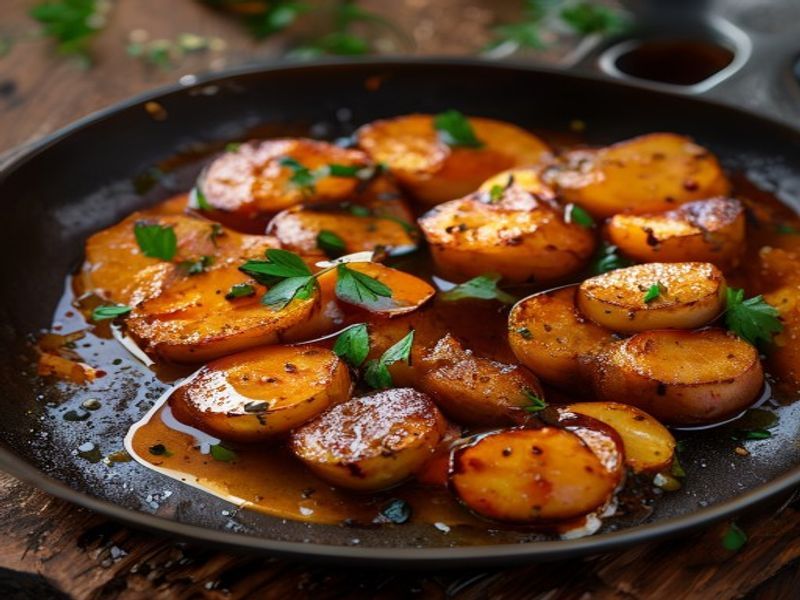
What You’ll Need
Ingredients
- 1.5 pounds sweet potatoes, peeled and cut into uniform 1/2-inch cubes
- 12 ounces breakfast sausage links or bulk, casings removed if applicable (gluten free breakfast hash compatible if using certified GF sausage)
- 1 medium yellow onion (about 8 ounces), diced 1/4-inch
- 1 large red bell pepper (about 6 ounces), seeded and diced 1/4-inch
- 2 tablespoons avocado oil or refined olive oil (high smoke point required)
- 1 teaspoon smoked paprika
- 1/2 teaspoon kosher salt, plus more for seasoning
- 1/4 teaspoon freshly cracked black pepper
- 3 large eggs, room temperature (optional for added protein)
Maple Sriracha Glaze
- 3 tablespoons pure maple syrup
- 1.5 tablespoons sriracha sauce
- 1 tablespoon apple cider vinegar
- 1/2 teaspoon Dijon mustard
Ingredient Selection Notes: Choose firm sweet potatoes with no soft spots; their lower moisture content crisps faster. For a true high protein breakfast, select chicken or turkey sausage with at least 12 grams of protein per serving. The maple sriracha glaze relies on pure maple syrup for proper caramelization; pancake syrups contain corn syrup and will not reduce correctly.
Equipment
- 12-inch heavy-bottomed cast iron or carbon steel skillet (retains and distributes heat evenly) [Check Price on Amazon]
- Instant-read thermometer for oil and doneness verification [Check Price on Amazon]
- Sturdy metal spatula with a thin, flexible edge for flipping
- Small saucepan or microwave-safe bowl for glaze reduction
- Sheet pan or large bowl for ingredient staging
Prep Work
Proper mise en place is non-negotiable for one pan breakfast ideas that execute in exactly 20 minutes. Begin by peeling and dicing the sweet potatoes into exact 1/2-inch cubes. Uniform sizing guarantees simultaneous cooking. Immediately rinse the diced potatoes under cold water to remove surface starch, then spread them on a clean kitchen towel and pat completely dry. Moisture is the enemy of browning; wet potatoes will steam instead of sear. Dice the onion and red bell pepper, keeping them separate to control cooking times.
Whisk the maple sriracha glaze ingredients together in a small bowl. Set aside at room temperature. Cold glaze will drop the pan temperature too rapidly when applied. Bring eggs to room temperature by submerging them in warm tap water for 5 minutes if you plan to fry them in the skillet.
Make-Ahead Timing: All vegetables can be diced and stored in airtight containers in the refrigerator for up to 24 hours. The glaze can be mixed and refrigerated for 3 days. Bring all components to room temperature for 15 minutes before cooking to prevent thermal shock in the skillet.
Cooking Instructions
- Heat the Skillet and Render Fat: Place your 12-inch cast iron skillet over medium-high heat. Add 2 tablespoons of avocado oil. Heat until the oil reaches 350°F / 177°C on an instant-read thermometer, or until it shimmers and moves fluidly across the surface. Add the 12 ounces of sausage. Break it into 1/2-inch crumbles with a wooden spoon. Cook undisturbed for 2 minutes to develop a fond, then stir and continue cooking for 3 minutes until fully browned and the internal temperature reaches 160°F / 71°C. Remove the sausage with a slotted spoon and set aside on a plate, leaving the rendered fat in the pan.
- Crisp the Sweet Potatoes: Add the dried sweet potato cubes to the hot skillet in a single layer. Do not crowd the pan; cook in batches if your skillet is smaller than 12 inches. Sprinkle with 1 teaspoon smoked paprika, 1/2 teaspoon kosher salt, and 1/4 teaspoon black pepper. Cook undisturbed for 4 minutes over medium heat. You will hear a steady, sharp sizzle. If the sound fades to a gentle bubble, the pan is too cool and the potatoes are steaming. Flip once using a thin metal spatula, then cook for another 4 minutes until a deep amber crust forms on both sides.
- Steam-to-Crisp Technique (If Needed): If the centers remain hard after 8 minutes of surface cooking, cover the skillet with a tight-fitting lid for exactly 2 minutes. This traps steam to cook the interior. Remove the lid immediately, increase heat to medium-high, and cook for 2 additional minutes to evaporate released moisture and restore the crust. Watch for the return of the sharp sizzle and check that a fork pierces the center with zero resistance.
- Incorporate Aromatics and Sausage: Push the potatoes to the outer edges of the pan, creating a clear center. Add the diced onion and bell pepper to the middle. Sauté for 2 minutes until the onions turn translucent and the edges soften. Return the browned sausage to the pan and toss everything together. Cook for 1 minute to reheat the meat and meld flavors.
- Apply the Glaze: Reduce heat to medium-low. Drizzle the maple sriracha glaze evenly over the entire hash. Stir continuously for exactly 45 seconds. The glaze will bubble, thicken, and coat the ingredients in a glossy, sticky sheen. Remove from heat immediately. Prolonged heating will cause the sugars in the maple syrup to burn and turn bitter.
- Optional Eggs and Rest: If adding eggs, create 3 small wells in the hash, crack in room-temperature eggs, and cover the skillet. Cook over low heat for 3 minutes for runny yolks, or 4-5 minutes for firm yolks. Remove the skillet from heat and let the entire dish rest for 2 minutes before serving. This allows residual heat to finish setting the glaze and prevents carryover cooking from drying out the potatoes.
Common Mistakes to Avoid: Overcrowding the skillet traps steam and produces soggy potatoes. Adding glaze to a cold pan prevents proper caramelization. Skipping the resting phase causes the glaze to slide off rather than adhere to the crispy edges.
Pro Tips
Heat Management is Everything: In my experience, the most common failure in savory breakfast potatoes is inconsistent pan temperature. Keep a small bowl of water nearby; if the pan smokes, drop a single drop in. If it instantly vaporizes with a loud hiss, your temperature is correct for searing. If it dances and evaporates slowly, the pan needs more heat.
Glaze Application Timing: I find that applying the glaze exactly 60 seconds before pulling the pan from heat yields the perfect balance of sticky texture and bright flavor. The residual heat reduces the vinegar and sets the sugars without burning. For a thicker coating, reduce the glaze in a separate saucepan over medium heat until it coats the back of a spoon, then pour it over the finished hash.
Substitutions That Work: Swap sweet potatoes for Yukon Gold potatoes if you prefer a traditional texture; reduce initial cooking time by 1 minute as they contain less moisture. Replace sriracha with gochujang mixed with 1 teaspoon warm water for a deeper fermented heat. For dairy-free or vegan variations, use plant-based sausage and ensure the maple syrup is 100% pure.
Make-Ahead Options: Fully cooked hash holds well in the refrigerator for 3 days. Reheat in a preheated 400°F / 204°C oven for 8 minutes on a sheet pan. Avoid microwaving, as it rapidly degrades the crispy texture and turns the potatoes mushy.
Serving Suggestions
This recipe yields 4 generous portions, making it ideal for family-style easy brunch recipes or meal-prepped weeknight breakfast bowls. Serve immediately while the crust is still crisp and the glaze is tacky. Top with 2 tablespoons of freshly chopped chives, a sprinkle of flaky sea salt, and microgreens for visual contrast. Pair with a side of quick-pickled red onions or sliced avocado to cut through the richness of the sausage and balance the sweet-heat profile. For beverage pairings, black coffee or a dry sparkling cider complements the dish without competing with the maple sriracha glaze.
Frequently Asked Questions
Can I use frozen sweet potatoes for this quick breakfast hash recipe?
Frozen sweet potatoes are not recommended. Freezing ruptures cell walls, releasing excess water during cooking. This prevents proper browning and creates a mushy texture. If you must use frozen, thaw completely, pat extremely dry, and increase the uncovered crisping time by 2-3 minutes, though results will still be inferior to fresh.
How do I know when the hash is perfectly done?
Look for three indicators: a deep golden-brown crust on at least 70% of the potato cubes, a sharp sizzle when stirred, and zero resistance when pierced with a fork. The sausage should register 160°F / 71°C internally, and the glaze should coat the back of a spoon without running off immediately.
Can I prep this ahead and cook it all at once in the morning?
Yes. Dice the vegetables, mix the glaze, and measure the sausage the night before. Store components separately in airtight containers in the refrigerator. When ready to cook, proceed exactly as written. Do not combine raw ingredients in advance, as salt in the sausage will draw moisture from the potatoes, ruining the crisping process.
Is this recipe naturally gluten free?
The base ingredients are gluten free, but cross-contamination is common in processed sausage. Always verify that your sausage links or crumbles carry a certified gluten free label. The maple sriracha glaze contains no wheat-based thickeners, making it safe for gluten-sensitive diets when using verified ingredients.
*As an Amazon Associate I earn from qualifying purchases.
发表回复