Introduction
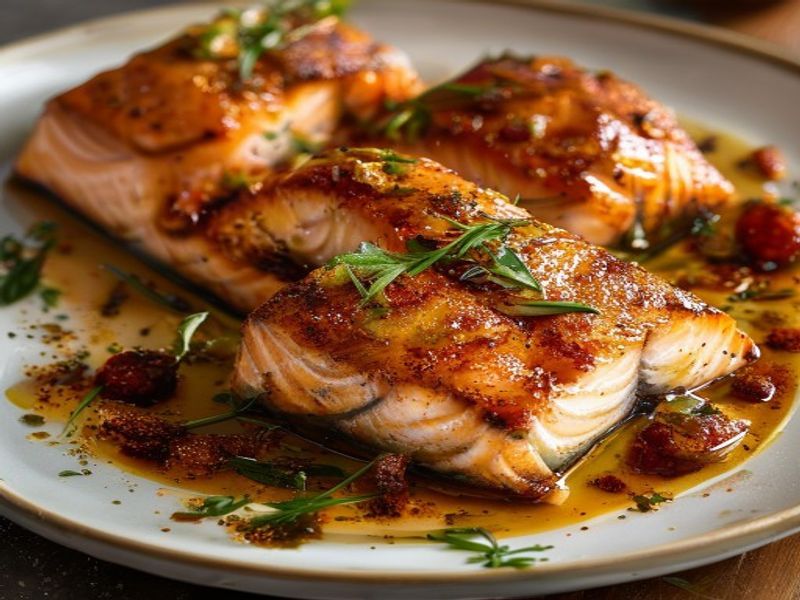
This air fryer salmon recipe delivers restaurant-quality results in exactly 20 minutes, making it the ideal solution for quick weeknight seafood dinners. The combination of smoky, spicy harissa and floral honey creates a balanced glaze that caramelizes rapidly under high heat without burning. By leveraging the concentrated airflow of an air fryer, you achieve a lightly crisp exterior while keeping the interior moist and flaky. This technique requires minimal active time and delivers an easy high protein meal that aligns perfectly with gluten free weeknight meals and low carb salmon dish requirements. Whether you are a beginner or a seasoned home cook, mastering this spicy sweet fish recipe will expand your air fryer fish ideas repertoire significantly. The method relies on precise temperature control, strategic glazing timing, and proper moisture management. Follow the steps below to guarantee consistent, professional results every time.
What You’ll Need
Ingredients:
- 4 salmon fillets, skin-on, 6 ounces each (1.5 pounds total), center-cut for even thickness
- 2 tablespoons olive oil (divided)
- 1.5 teaspoons kosher salt
- 0.5 teaspoon freshly ground black pepper
- 2 tablespoons harissa paste (look for a smooth, oil-based variety for consistent coating)
- 3 tablespoons raw honey
- 1 tablespoon rice vinegar
- 1 clove garlic, finely minced or pressed
- 1 teaspoon fresh lemon juice
Equipment:
- 6-quart basket-style air fryer with adjustable temperature control
- 12-inch instant-read digital thermometer
- Silicone pastry brush (heat resistant to 450°F / 232°C)
- Small stainless steel mixing bowl
- Wire cooling rack or clean kitchen towels
- Check Price on Amazon for a high-quality instant-read thermometer
Ingredient Notes: Choose center-cut fillets with uniform thickness to prevent uneven cooking. Skin-on fillets protect the delicate flesh from direct heat and provide structural integrity during the glazing phase. Avoid pre-glazed or heavily marinated store-bought salmon, as excess surface moisture will steam the fish rather than allow proper browning.
Prep Work
Proper preparation dictates the success of this recipe. Begin by removing the salmon from refrigeration 10 minutes before cooking to take the chill off; this prevents a cold center when the exterior hits high heat. Pat each fillet thoroughly dry with paper towels, pressing firmly along the skin and flesh. Any residual surface moisture will interfere with glaze adhesion and promote steaming.
In a small stainless steel bowl, combine 2 tablespoons harissa paste, 3 tablespoons raw honey, 1 tablespoon rice vinegar, 1 minced garlic clove, and 1 teaspoon fresh lemon juice. Whisk vigorously for 30 seconds until the mixture emulsifies into a uniform, glossy sauce. Set aside at room temperature. Cold honey thickens rapidly, so keeping the glaze at room temperature ensures smooth, even brushing.
Season the dried salmon fillets evenly with 1.5 teaspoons kosher salt and 0.5 teaspoon black pepper. Let them rest uncovered on a wire rack for exactly 5 minutes. This brief dry-brine draws out surface proteins, which will coagulate during cooking to create a better texture. You can mix the glaze up to 3 days ahead and store it covered in the refrigerator. Bring it back to room temperature before use. The salmon itself must be prepped immediately before cooking for optimal results.
Cooking Instructions
- Preheat the Air Fryer: Set your air fryer to 400°F / 200°C and allow it to preheat for exactly 5 minutes. Preheating is non-negotiable for this recipe; placing salmon in a cold basket drops the cooking temperature immediately, resulting in overcooked, mushy flesh. Listen for the fan to reach a steady hum before proceeding.
- Initial Oil Application: Lightly brush 1 tablespoon of olive oil onto the preheated basket or line it with perforated parchment paper. Place the seasoned salmon fillets skin-side down in the basket, ensuring at least 1 inch of space between each piece for proper airflow. Overcrowding traps steam and prevents the glaze from setting correctly.
- First Cooking Phase: Cook at 400°F / 200°C for 7 minutes undisturbed. At this stage, you are setting the exterior structure and partially cooking the flesh. Watch for the edges to turn opaque and the skin to begin crisping slightly. Do not open the basket during these 7 minutes, as temperature fluctuations will compromise the cook.
- Glaze Application: Open the basket carefully. The salmon will be about 70% cooked, with the center still slightly translucent. Using a silicone pastry brush, apply a thin, even layer of the harissa honey glaze over the top of each fillet. Avoid pooling excess glaze around the base of the fillets, as it will burn under direct heat.
- Second Cooking Phase: Return the basket to the air fryer and cook for exactly 5 minutes at 400°F / 200°C. Halfway through (at the 2.5-minute mark), rotate the basket 180 degrees for even browning. The glaze will bubble, darken slightly, and develop a tacky sheen. This is the visual cue that the sugars have caramelized properly without scorching.
- Temperature Check and Rest: Remove the basket and insert an instant-read digital thermometer into the thickest part of one fillet, avoiding the skin. The target internal temperature is 135°F / 57°C. Carryover cooking will raise the temperature by 5-8°F during the resting phase, bringing it to the FDA-recommended 140°F / 60°C. Let the salmon rest on the rack for exactly 3 minutes before serving. This allows the juices to redistribute evenly throughout the muscle fibers.
Common Mistakes to Avoid: Applying the glaze before the initial cook phase causes the honey to burn before the fish is cooked. Skipping the rest period forces out moisture when cut, leaving dry flakes. Using fillets with varying thicknesses guarantees uneven doneness.
Pro Tips
Chef Secrets: In my experience, the key to a flawless glaze is viscosity control. If your harissa paste is particularly watery, increase the honey by 0.5 tablespoon to prevent run-off during cooking. I find that a light dusting of smoked paprika on the glaze before the final 2 minutes of cooking amplifies the smoky notes without adding extra steps.
Substitutions: If harissa paste is unavailable, substitute with 1.5 tablespoons gochujang mixed with 0.5 teaspoon smoked paprika and a pinch of cumin. For honey-free versions, maple syrup or agave nectar works identically, though the flavor profile will shift slightly. Ensure any substitute maintains the same viscosity for proper caramelization.
Make-Ahead Options: The harissa honey glaze can be prepared up to 72 hours in advance and refrigerated in an airtight container. The salmon can be dry-brined and refrigerated for up to 12 hours before cooking, which actually improves texture through gentle protein denaturation. Do not apply the glaze until you are 30 seconds away from air frying.
Serving Suggestions
This 20 minute healthy dinner pairs exceptionally well with quick-cooking sides that complement the rich, spicy-sweet profile. Serve over 1 cup of fluffy cauliflower rice or 0.5 cup of cooked quinoa per portion for a complete meal. Roasted broccolini tossed with 1 teaspoon of sesame oil and 0.25 teaspoon of flaky sea salt provides a crisp, bitter contrast that cuts through the honey glaze. For a lighter approach, a shaved fennel and citrus salad dressed with lemon vinaigrette balances the heat effectively. Each 6-ounce fillet delivers approximately 34 grams of protein, making it an ideal centerpiece for fast salmon dinners that require minimal side preparation. Plate immediately after the 3-minute rest to preserve the glaze’s tacky texture.
FAQ
Can I use frozen salmon fillets for this recipe?
Yes, but thawing must be precise. Place vacuum-sealed or properly wrapped frozen fillets in the refrigerator for 24 hours before cooking. Never thaw in hot water, as it degrades muscle fibers and releases excess moisture. If cooking from frozen, add 4 minutes to the initial cook time, but expect slightly less glaze adhesion due to surface moisture.
How do I know when it’s done without a thermometer?
Insert a fork or the tip of a paring knife into the thickest part and gently twist. Properly cooked salmon will flake apart with minimal resistance and transition from translucent orange to opaque pink throughout. The flesh should feel firm but yield slightly to pressure. If it resists or feels rubbery, it is undercooked. If it separates into dry, chalky strands, it has been overcooked.
Can I prep this ahead and cook it later in the day?
You can season the salmon and store it covered in the refrigerator for up to 6 hours. Keep the glaze separate in a sealed container at room temperature. Apply the glaze only when ready to cook, as prolonged contact with the acidic vinegar and salt will begin to cure the surface, altering the final texture.
Will the glaze burn if my air fryer runs hot?
Air fryers vary by brand and age. If your unit runs hot, reduce the temperature to 385°F / 196°C for the final 5-minute glazing phase. Monitor closely at the 3-minute mark. The glaze should darken to a deep amber color, not black. If it begins to smoke, immediately remove the basket and tent loosely with foil for the remaining cook time.
*As an Amazon Associate I earn from qualifying purchases.
发表回复