Air-Fried Miso-Glazed Salmon: A Perfect Crisp-Edge Recipe
Introduction
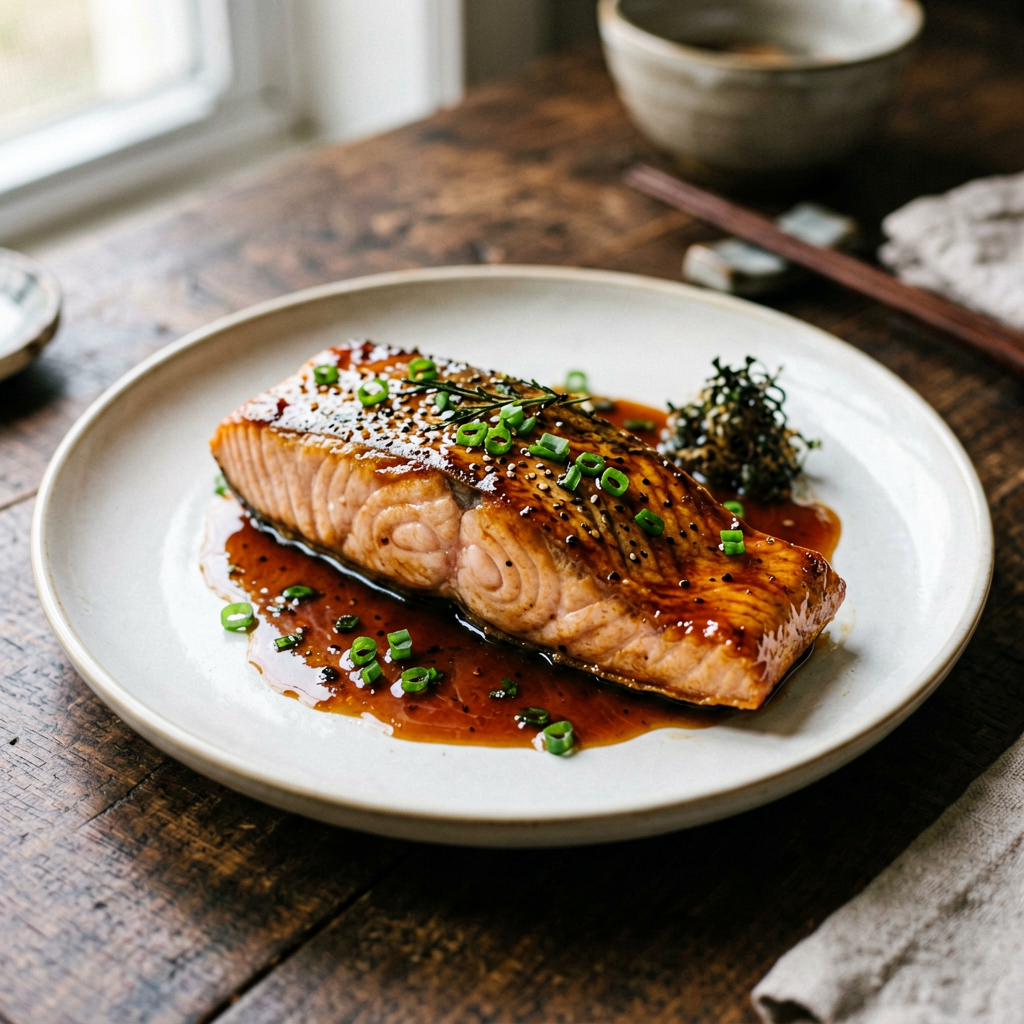
This recipe transforms a simple salmon fillet into a restaurant-quality dish with minimal effort. The core principle is using the air fryer’s intense, circulating heat to quickly render the fish’s fat and caramelize the miso glaze, creating a delectably crisp, savory-sweet crust while keeping the interior moist and flaky. The high-glutamate miso paste acts as both a flavor enhancer and a tenderizer, while the touch of mirin and sugar promotes perfect browning without burning. This method is ideal for weeknight dinners, requiring under 15 minutes from start to plate. It’s a foolproof technique for home cooks of any level to achieve professional-looking results.
What You’ll Need
Ingredients
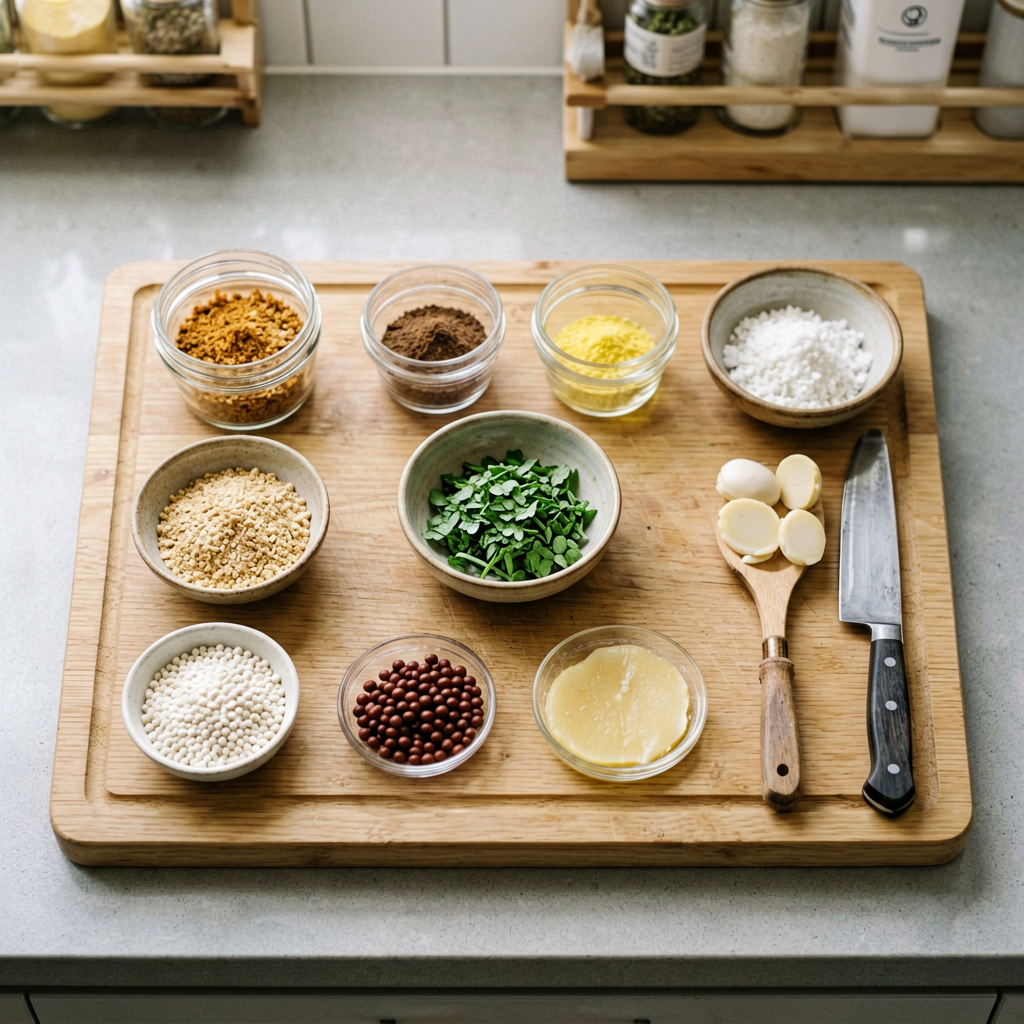
- Salmon Fillets: 4 fillets, 6 oz (170g) each, skin-on for crispiness and flavor.
- White Miso Paste (Shiro Miso): 3 tablespoons (45g). Do not use red miso; it’s too salty and robust for this quick cooking time.
- Mirin (Sweet Rice Wine): 1 tablespoon (15ml). Use hon-mirin, not aji-mirin, for balanced sweetness.
- Soy Sauce: 1 tablespoon (15ml), low-sodium recommended.
- Sesame Oil: 1 teaspoon (5ml), toasted.
- Fresh Ginger: 1 teaspoon, finely grated.
- Brown Sugar or Honey: 1 teaspoon (about 5g). This aids in caramelization.
- Cornstarch: 1 teaspoon (5g). This is the secret to a crisp, non-soggy glaze.
- Garnish: Toasted sesame seeds and thinly sliced scallions.
Equipment
- An air fryer basket (I recommend a basket-style over a tray for better circulation). Check Price on Amazon for a basket-style air fryer.
- Instant-read thermometer (highly recommended for perfect doneness).
- Mixing bowl, whisk, paper towels, and a silicone brush.
Prep Work
Proper prep ensures an even cook and maximum flavor absorption.
- Prepare the Miso Glaze: In a small bowl, whisk together the miso paste, mirin, soy sauce, sesame oil, grated ginger, brown sugar, and cornstarch until completely smooth. The mixture should be thick, like a loose paste.
- Prep the Salmon: Pat the salmon fillets thoroughly dry with paper towels, especially the skin. Moisture is the enemy of crispiness. Score the skin side by making 3-4 shallow slashes. This prevents curling and allows heat to penetrate.
- Marinate: Place salmon in a dish, skin-side down. Coat the top and sides generously with the miso glaze, reserving about 1 tablespoon for later. Let it marinate at room temperature for 20-30 minutes. Do not exceed 1 hour, as miso is acidic and can begin to “cook” the surface protein.
- Air Fryer Prep: Preheat your air fryer to 400°F (200°C) for at least 5 minutes. A hot chamber is crucial for immediate searing.
In my experience, scoring the skin is a non-negotiable step for preventing that chewy, unappealing texture. It takes 15 seconds but makes a world of difference.
Cooking Instructions
Follow these steps precisely. The cooking time is short, so have everything ready.
- Load the Basket: Lightly spray the air fryer basket with cooking oil. Place the salmon fillets in a single layer, skin-side DOWN. Do not overcrowd. You may need to cook in two batches. Brush the reserved glaze over the top of the fillets now.
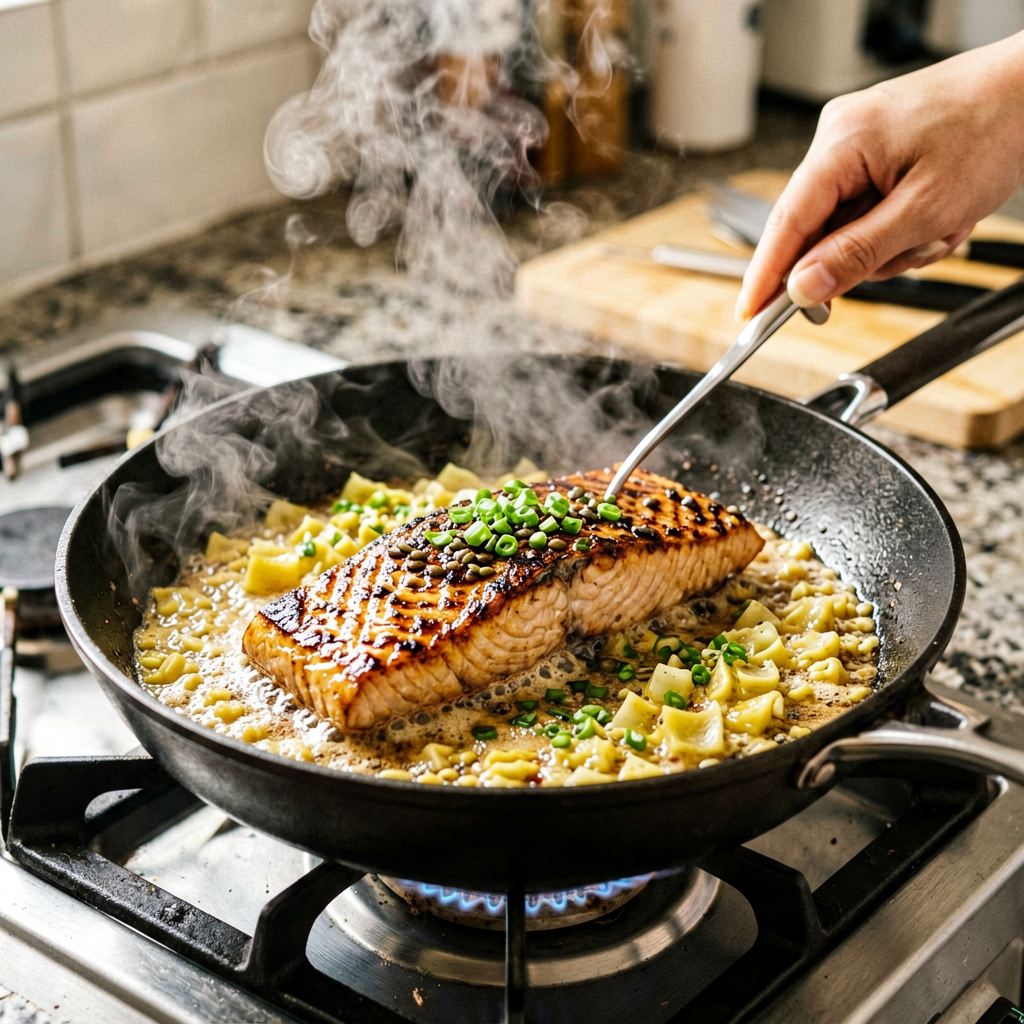
- First Cook Phase: Air fry at 400°F (200°C) for 5 minutes. This initial blast renders the skin fat and starts cooking the glaze.
- Flip and Finish: Open the basket. The skin should be starting to crisp. Carefully flip each fillet using a thin spatula so the glazed side is now down (touching the basket). Air fry for an additional 3-5 minutes. For a 6oz fillet, total time is typically 8-10 minutes.
- Check for Doneness: The salmon is done when the internal temperature at the thickest part reaches 125-130°F (52-54°C) for medium-rare to medium, or 145°F (63°C) for well-done. The glaze should be deeply caramelized, dark golden brown, and slightly charred at the edges. The fish should flake easily with gentle pressure from a fork. If using a digital thermometer, it’s your best tool here.
- Rest: Transfer salmon to a plate and let it rest for 2-3 minutes. The residual heat will continue to cook it gently, and the juices will redistribute.
- Garnish and Serve: Sprinkle with toasted sesame seeds and fresh scallions immediately before serving.
Chef’s Insight
I find that flipping the salmon for the second half of cooking serves two purposes: it prevents the glaze from burning under the direct heat, and it finishes crisping the skin from the radiant heat of the basket. Watch the last 2 minutes closely—sugar burns quickly.
Pro Tips
- The Cornstarch Secret: Don’t skip it. It absorbs excess moisture from the glaze and creates a light, crispy coating instead of a sticky, wet one.
- Skin Crispiness Guarantee: For ultra-crispy skin, after flipping the salmon, let it cook glazed-side down. The skin will be exposed to the circulating hot air and become shatteringly crisp.
- Substitutions: Salmon Alternatives: This glaze works beautifully on skinless chicken thighs (cook time ~12-15 mins) or firm tofu steaks. No Mirin? Use 2 teaspoons rice vinegar plus 1 extra teaspoon of sugar.
- Make-Ahead: The glaze can be made up to 3 days ahead and stored in the fridge. Salmon can be marinated, covered, in the fridge for up to 2 hours before cooking. Add 1-2 minutes to the cook time if chilled.
Serving Suggestions
This dish is rich and savory, so it pairs best with simple, clean sides.
- Starch: Steamed short-grain rice or quinoa to soak up the glaze. For a twist, try coconut rice.
- Vegetables: Quickly blanched broccolini, steamed bok choy, or a crisp cucumber salad dressed with rice vinegar.
- Portion Guidance: One 6oz fillet is a standard adult main course portion. Serve with roughly 1 cup of cooked rice and 1/2 cup of vegetables per person.
FAQ
1. Can I use frozen salmon fillets?
Yes, but you must thaw them completely first using the refrigerator (preferred, overnight) or the cold water method (30-60 minutes). Never cook from frozen with this glaze, as it will release excess water and prevent proper searing, leading to a steamed, soggy result.
2. How do I know when it’s done without a thermometer?
Visual and tactile cues are reliable. Gently press the center of the fillet with a fork or your finger. It should feel firm but still have a slight give. The flesh should be opaque pink at the edges but may still be slightly translucent in the very center—it will continue to cook as it rests. If the glaze is deeply caramelized and the fish flakes easily with minimal pressure, it’s done.
3. Can I prep the glazed salmon ahead and air fry later?
Yes, this is a great make-ahead strategy. Marinate the salmon, place it on a plate, cover tightly, and refrigerate for up to 2 hours. When ready to cook, proceed directly to preheating the air fryer. The chill may require adding 1-2 extra minutes to the total cooking time.
4. My glaze is burning before the salmon is cooked. What went wrong?
This usually means your air fryer runs hot or the fillets are thinner than 1 inch. Two solutions: First, lower the temperature to 375°F (190°C) and add 2-3 minutes to the total time. Second, you can tent the salmon loosely with a small piece of foil for the first 4 minutes of cooking, then remove it for the final stage to brown the glaze.
*As an Amazon Associate I earn from qualifying purchases.*
发表回复