Introduction
This 15-minute pan-seared cilantro-lime shrimp recipe delivers restaurant-quality flavor through precise heat management and controlled timing. The foundation relies on complete moisture extraction from the shrimp, a calibrated pan temperature, and a simultaneous quick-simmer for the grain base. By orchestrating each component efficiently, you achieve a high protein lunch that remains naturally gluten free and nutritionally balanced. This dish suits beginner to intermediate home cooks because success depends on clear visual cues rather than guesswork. The garlic quinoa absorbs aromatics efficiently while maintaining distinct grains, and the avocado crema adds necessary fat to balance the sharp citrus marinade. Master this workflow, and you will consistently produce fast, reliable bowls without sacrificing texture, making it one of the most dependable easy weeknight recipes in your rotation.
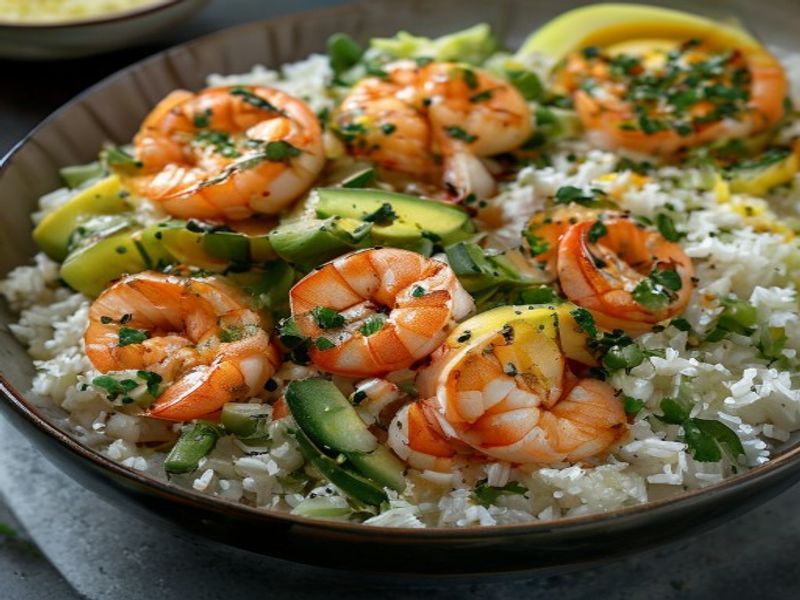
What You’ll Need
Ingredients
- Large Shrimp: 1.5 pounds, 16/20 count, peeled and deveined (tails removed for uniform cooking)
- Quinoa: 1 cup uncooked, white or tri-color blend
- Water or Low-Sodium Chicken Broth: 2 cups
- Avocados: 2 medium, ripe but firm (Hass variety preferred for optimal fat-to-water ratio)
- Fresh Cilantro: 0.5 cup packed leaves, plus 2 tablespoons finely chopped for garnish
- Limes: 3 large (2 juiced for marinade and sauce, 1 sliced for plating)
- Garlic: 4 cloves, peeled and roughly chopped
- Extra Virgin Olive Oil: 2 tablespoons for cooking, 1 tablespoon for sauce
- Unsalted Butter: 1 tablespoon
- Sea Salt: 1.5 teaspoons total, divided
- Ground Cumin: 0.5 teaspoon
- Greek Yogurt: 0.25 cup full-fat (stabilizes the emulsion)
Ingredient Selection Notes: Shrimp must be patted completely dry before seasoning to ensure a proper Maillard reaction. Choose avocados that yield slightly to gentle pressure but do not feel mushy or stringy. Quinoa requires thorough rinsing to remove bitter saponins that coat the exterior.
Equipment
- 12-inch stainless steel or heavy-bottomed nonstick skillet [Check Price on Amazon]
- Medium saucepan (2-quart capacity) with tight-fitting lid
- High-speed blender or food processor
- Instant-read digital thermometer [Check Price on Amazon]
- Microplane or fine zester
- Fine-mesh strainer
- Measuring spoons and dry measuring cups
Prep Work
Efficiency in this recipe depends entirely on proper mise en place. Complete all preparation before applying heat to the stove. This prevents temperature drops and ensures consistent results for quick healthy lunch ideas.
- Shrimp Preparation: Place shrimp in a colander, rinse under cold water (40°F / 4°C), and transfer to a triple layer of paper towels. Press firmly with additional towels until completely dry. Toss with 0.5 teaspoon salt, 0.5 teaspoon cumin, and the zest of 1 lime. Let rest at room temperature for exactly 5 minutes to temper the exterior. Cold shrimp hitting a hot pan causes uneven cooking and moisture release.
- Quinoa Preparation: Rinse 1 cup quinoa in a fine-mesh strainer under running cold water for 60 seconds until runoff runs completely clear. Combine with 2 cups broth in a saucepan. Bring to a rolling boil over high heat.
- Avocado Crema Preparation: Halve and pit 2 avocados. Scoop flesh into a blender. Add 0.25 cup Greek yogurt, 1 tablespoon olive oil, 2 tablespoons lime juice, 1 clove chopped garlic, 0.5 teaspoon salt, and 0.5 cup cilantro. Keep chilled until ready to blend.
Timing Note: You can rinse quinoa and prepare the avocado crema up to 4 hours ahead. Store the crema with a piece of plastic wrap pressed directly against the surface to prevent enzymatic browning. Shrimp should never be seasoned more than 15 minutes before cooking, as salt and acid will begin to cure the exterior, altering protein structure and compromising the sear.
Cooking Instructions
- Cook the Garlic Quinoa: Reduce heat under the saucepan to medium-low once boiling begins. Cover tightly and simmer at 205°F / 96°C for exactly 15 minutes. Do not lift the lid or stir. Remove from heat and let steam off-heat for 5 minutes. Fluff with a fork, fold in 2 minced garlic cloves and 0.5 teaspoon salt. The quinoa is ready when the germ ring visibly separates and grains appear translucent with a firm, al dente bite. Common mistake: Stirring during simmering, which ruptures starch granules and creates a gummy, over-hydrated texture.
- Blend the Avocado Crema: While the quinoa steams, process the chilled avocado mixture on medium-high for 45-60 seconds until completely smooth. Scrape down the sides once. The sauce should hold a soft peak when the blade is lifted and coat the back of a spoon without running. Adjust thickness by adding 1 tablespoon of cold water if the emulsion is too dense. Refrigerate immediately to maintain temperature.
- Heat the Pan: Place your 12-inch skillet over medium-high heat. Add 1 tablespoon olive oil. Wait until the oil shimmers, ripples, and reaches approximately 375°F / 190°C. Test by flicking a single drop of water into the pan; it should sizzle violently and evaporate within 2 seconds.
- Sear the Shrimp: Add shrimp in a single layer, ensuring at least 0.25 inch of space between each piece. Sear undisturbed for exactly 2 minutes. Listen for a steady, aggressive sizzle. If the sound fades to a quiet hiss, your pan temperature has dropped below the searing threshold. Flip each piece with precision tongs. Add 1 tablespoon butter to the pan and cook the second side for exactly 1.5 minutes. The shrimp is done when the exterior shows a deep golden-brown crust, the flesh turns opaque white with a slight pink center, and an instant-read thermometer registers 120°F / 49°C. Remove immediately to a warm plate. Overcooking causes muscle fibers to contract aggressively, squeezing out intracellular moisture and creating a rubbery texture.
- Deglaze and Finish: With the pan still hot, add 1 tablespoon fresh lime juice and 0.5 teaspoon salt. Scrape the browned fond from the bottom using a silicone spatula. Return the cooked shrimp to the pan and toss vigorously in this glaze for 15 seconds to coat evenly. The residual heat will gently warm the citrus without cooking the proteins further.
Pro Tips
In my experience, the single most critical step in this cilantro lime shrimp recipe is moisture management. Shrimp release water rapidly when hit with heat, and a wet surface immediately drops the pan temperature below the Maillard threshold, resulting in steaming rather than pan searing. I find that using a dedicated paper towel press followed by a 5-minute rest on a wire rack guarantees a crust that actually forms and stays crisp. For consistent results across batches, cook shrimp in two separate 2-minute intervals rather than overcrowding the pan. If you lack a high-speed blender, a standard immersion blender works perfectly for the avocado crema, though you will need to process in smaller batches to avoid incorporating excess air. These 15 minute meals scale effortlessly when you prep the grain and sauce in advance, making them highly effective as meal prep friendly dishes for busy schedules.
Serving Suggestions
Assemble pan seared shrimp bowls while components are at their optimal temperatures. Divide 1.5 cups of warm garlic quinoa into each of 4 serving bowls. Top with 6 ounces of seared shrimp per portion. Drizzle 2 tablespoons of avocado crema sauce in a controlled zigzag pattern across the surface. Garnish with chopped fresh cilantro and a lime wedge. This high protein lunch provides approximately 32 grams of protein per serving when portioned correctly, making it ideal for post-workout recovery or sustained afternoon energy. For added textural contrast, serve with thinly sliced radishes or toasted pumpkin seeds. The dish pairs exceptionally well with a light, acidic side like quick-pickled red onions or a simple arugula salad dressed with a bright lemon vinaigrette. These gluten free lunch options maintain structural integrity when stored properly, allowing for reliable daily meal assembly.
FAQ
Can I use frozen shrimp?
Yes, but proper thawing is non-negotiable. Place frozen shrimp in a sealed zip-top bag submerged in cold water (40°F / 4°C) for exactly 20 minutes. Never use hot water or a microwave, as partial thawing creates severe temperature gradients that ruin the sear. Always pat dry thoroughly after thawing and before seasoning.
How do I know when it’s done?
Visual and tactile cues are highly reliable. The flesh should transition from translucent gray to opaque white, the body should curl into a loose “C” shape, and the exterior should feel firm but yield slightly to gentle pressure from a spatula. An instant-read thermometer reading 120°F / 49°C guarantees perfect doneness before carryover cooking naturally pushes the internal temperature to a safe 130°F / 54°C.
Can I prep this ahead?
Absolutely. Cook the quinoa and blend the avocado crema up to 3 days in advance. Store the crema with a tight plastic wrap barrier to prevent oxidation and browning. Cook the shrimp fresh when ready to eat for optimal texture, or cook ahead and store cold; reheat gently in a skillet over low heat for 45 seconds per side to avoid overcooking. Assemble cold or warm bowls according to preference, keeping the sauce and grain separate until serving.
*As an Amazon Associate I earn from qualifying purchases.
发表回复