Introduction
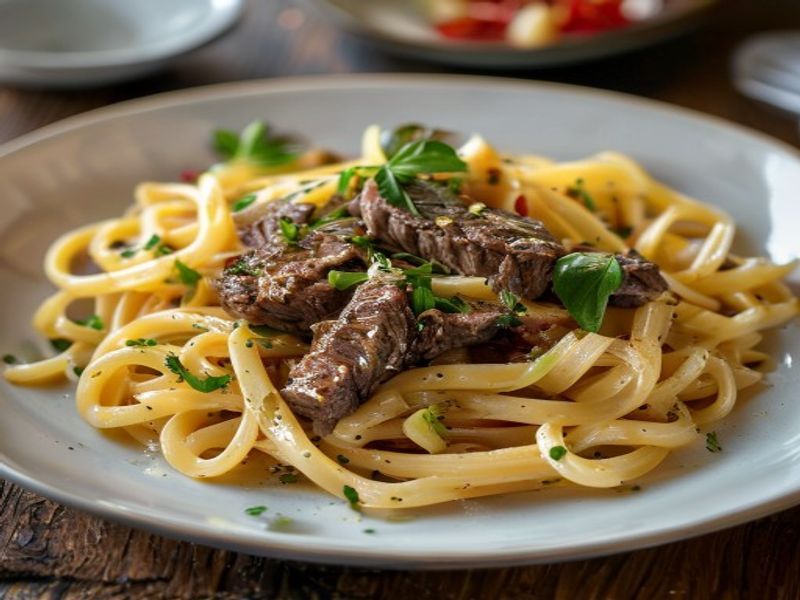
French Beef Pasta for Family Dinner bridges classic bistro technique with weeknight practicality. This easy recipe relies on a deeply caramelized beef base, a rich tomato-herb reduction, and perfectly cooked noodles tossed directly in the pan. The method prioritizes flavor development through proper searing and deglazing, ensuring a restaurant-quality result without specialized equipment. Designed as a family friendly meal, it delivers consistent, homemade comfort in under 45 minutes. The technique works for intermediate home cooks and beginners alike, provided you respect the temperature controls and timing windows outlined below. By building layers of flavor systematically rather than combining ingredients haphazardly, you achieve a cohesive sauce that clings heavily to every strand. Follow this guide precisely, and you will master a reliable, crowd-pleasing dish that scales effortlessly for busy households.
What You’ll Need
Ingredients:
- 1.5 pounds beef chuck roast, trimmed and cut into 1-inch cubes
- 1.5 tablespoons kosher salt, divided
- 1.5 teaspoons freshly cracked black pepper
- 2 tablespoons neutral high-smoke-point oil (grapeseed or refined avocado)
- 1 medium yellow onion, finely diced (approximately 1.5 cups)
- 3 cloves garlic, peeled and minced
- 2 tablespoons tomato paste
- 1 cup dry red wine (Côtes du Rhône or Cabernet Sauvignon)
- 1 can (28 ounces) crushed San Marzano tomatoes
- 1.5 teaspoons dried thyme
- 0.5 cup heavy cream (minimum 36% fat)
- 12 ounces pappardelle or rigatoni pasta
- 0.25 cup fresh flat-leaf parsley, finely chopped
- 2 tablespoons unsalted butter, chilled and cubed
Ingredient Notes: Chuck roast contains sufficient intramuscular fat and connective tissue to stay tender during the brief braise. Avoid lean cuts like top sirloin, which will toughen and dry out. Heavy cream must be full-fat to maintain emulsion stability when heated.
Equipment Needed: 12-inch heavy-bottomed stainless steel skillet or Dutch oven [Check Price on Amazon], instant-read digital thermometer, fine-mesh strainer, locking tongs, wooden spoon, 6-quart stockpot, digital kitchen scale.
Prep Work
Pat the beef cubes completely dry with paper towels. Surface moisture creates steam, which prevents proper Maillard browning. Toss the beef in a mixing bowl with 1 tablespoon kosher salt and 1 teaspoon black pepper. Allow the meat to rest uncovered at room temperature for exactly 20 minutes before cooking; this ensures even heat penetration from edge to center.
Dice the onion, mince the garlic, and measure the tomato paste, wine, tomatoes, thyme, and cream into separate prep bowls. Bring the heavy cream to room temperature to prevent thermal shock when added to the hot sauce. Fill a 6-quart stockpot with 5 quarts of cold water and add 2 tablespoons kosher salt. Place the pot on the burner but do not ignite the flame yet. You can prep the vegetables and measure all ingredients up to 24 hours in advance. Store them in airtight containers in the refrigerator and pull the beef out 30 minutes before you begin cooking.
Cooking Instructions
- Sear the Beef: Heat 2 tablespoons oil in your 12-inch skillet over medium-high heat until the surface reaches 375°F / 190°C. Test by holding your palm 4 inches above the pan; you should feel strong, immediate radiant heat. Working in two batches to avoid overcrowding, add half the beef. Sear undisturbed for 3 minutes until a deep mahogany crust forms. Flip with tongs and sear for 2 minutes on the remaining sides. Remove to a clean plate. Repeat with the second batch. Why this matters: Crowding the pan drops the temperature below 300°F / 149°C, causing the meat to steam rather than caramelize.
- Build the Aromatics: Reduce heat to medium (approx. 325°F / 163°C). Add the diced onion to the rendered fat. Cook for 4-5 minutes, stirring frequently, until translucent and softening at the edges. Add the minced garlic and cook for exactly 45 seconds until fragrant. Do not let the garlic darken, or it will develop bitter compounds.
- Deglaze and Reduce: Push the onions aside and add 2 tablespoons tomato paste directly to the exposed hot pan surface. Cook for 2 minutes, pressing firmly with a wooden spoon, until the paste darkens to a brick-red color and the oil separates slightly. Pour in 1 cup dry red wine. Scrape the fond (browned bits) from the bottom of the pan. Simmer for 3-4 minutes until the wine reduces by half and coats the back of a spoon.
- Simmer the Sauce: Return the seared beef and accumulated juices to the pan. Add 1 can (28 ounces) crushed tomatoes, 1.5 teaspoons dried thyme, and 0.5 teaspoon salt. Stir thoroughly. Bring to a gentle simmer, then immediately reduce heat to low (approx. 200°F / 93°C). Cover partially with a lid and cook for 12 minutes. The beef should reach an internal temperature of 190°F / 88°C for optimal collagen breakdown.
- Cook the Pasta: While the sauce simmers, bring the salted water to a rolling boil (212°F / 100°C). Add 12 ounces pasta. Cook for 1 minute less than the package directions indicate, typically 8-9 minutes total. Reserve exactly 1 cup of the starchy cooking water using a fine-mesh strainer before draining the pasta.
- Emulsify and Finish: Remove the skillet from heat. Stir in 0.5 cup heavy cream and 2 tablespoons chilled butter. The sauce will thicken and turn a uniform, glossy coral-pink. Add the drained pasta and 0.5 cup reserved pasta water. Toss vigorously with tongs for 2 minutes over residual heat. The pasta should absorb the liquid, and the sauce should cling heavily to each piece. Fold in 0.25 cup chopped parsley.
Common Mistake: Adding cold dairy directly to a vigorously boiling sauce will cause it to break into a greasy, curdled mess. Always remove the pan from direct heat and lower the temperature before incorporating cream or butter.
Pro Tips
I find that the most reliable way to guarantee a silky sauce is to finish the pasta directly in the skillet rather than on a separate plate. The residual starch in the reserved cooking water acts as a natural binder, allowing the fat and liquid to emulsify without breaking. In my experience, investing in a high-quality instant-read thermometer [Check Price on Amazon] removes the guesswork from meat doneness and sauce temperatures entirely. For substitutions, you can swap beef chuck for boneless short ribs, though you will need to extend the simmering time by 5-8 minutes. If you prefer a lighter profile, replace half the heavy cream with whole milk and thicken the final mixture with a 1:1 cornstarch slurry instead of butter. For make-ahead options, prepare the beef sauce completely up to 3 days in advance. Store it in a shallow airtight container to cool rapidly, then refrigerate.
Serving Suggestions
This family dinner yields 4 generous portions or 6 standard servings. Serve immediately while the sauce is still fluid enough to coat the pasta evenly. A crisp arugula salad dressed with a sharp lemon vinaigrette effectively cuts through the richness of the cream and beef. Pair with a warm, crusty baguette to soak up any remaining pan sauce. For beverage pairing, pour the remaining Côtes du Rhône used in the deglazing step, or opt for a lightly chilled Pinot Noir to complement the herbal notes without overwhelming younger palates.
FAQ
Can I use frozen beef cubes?
Yes, but you must thaw them completely in the refrigerator for 24 hours before cooking. Frozen meat releases excess cellular water during thawing, which dilutes seasoning and prevents proper surface dehydration. Never cook frozen beef directly in the pan, as the internal temperature will lag behind the exterior, resulting in uneven doneness.
How do I know when the beef is done?
The beef is properly tender when a fork slides into a cube with minimal resistance and the internal temperature reads 190°F / 88°C. At this stage, the collagen has fully converted to gelatin, ensuring a melt-in-your-mouth texture without becoming mushy or stringy.
Can I prep this recipe ahead for a busy weeknight?
Absolutely. Sear the beef and build the sauce up to 48 hours in advance. Refrigerate the sauce in a shallow container to cool it quickly. When ready to serve, reheat the sauce gently to 165°F / 74°C on the stovetop before tossing with freshly cooked pasta. Do not cook the pasta ahead, as it will continue absorbing moisture and become gummy during storage.
*As an Amazon Associate I earn from qualifying purchases.
发表回复