Introduction
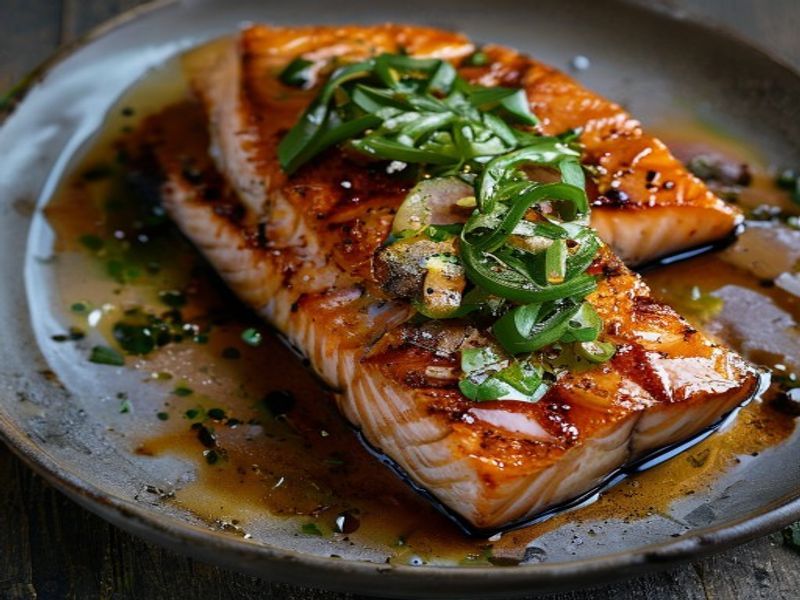
This 25-minute pan-seared miso-honey glazed salmon delivers restaurant-quality results through precise heat management and a balanced umami-sweet glaze. The technique relies on a high-heat initial sear to render the fat and establish a crisp skin, followed by a controlled glaze application that caramelizes without burning. Designed for intermediate home cooks, this recipe prioritizes timing and temperature control over complicated steps. The miso honey glaze creates a glossy, deeply flavorful crust while the charred scallions add a bright, allium-rich contrast. Because the entire dish cooks in a single vessel, it minimizes cleanup while maximizing flavor development. This quick healthy fish recipe is ideal for an easy weeknight meal that delivers high-quality omega-3 fats without sacrificing culinary standards. Follow the steps exactly to achieve a consistently perfect, flaky interior and a caramelized exterior every time.
What You’ll Need
Ingredients
- 4 salmon fillets: 6 ounces each, skin-on, center-cut (skin-on ensures even cooking and crisp texture; center-cut provides uniform thickness)
- 3 tablespoons white or yellow miso paste (white miso offers milder sweetness; avoid red miso for this glaze as it can overpower the honey)
- 2 tablespoons honey (raw or standard, both work; avoid molasses-heavy syrups)
- 1 tablespoon rice vinegar (balances sweetness with clean acidity)
- 2 teaspoons toasted sesame oil (adds nutty depth without burning at high heat)
- 1 tablespoon neutral high-heat oil (avocado or grapeseed oil, 400°F / 204°C smoke point)
- 12 scallions: trimmed, halved lengthwise
- 1 teaspoon freshly grated ginger
- 1/2 teaspoon freshly cracked black pepper
- Kosher salt: 1/2 teaspoon for seasoning, plus extra to taste
Equipment
- 12-inch heavy-bottomed stainless steel or cast iron skillet [Check Price on Amazon]
- Instant-read digital thermometer [Check Price on Amazon]
- Small saucepan or microwave-safe bowl for glaze
- Silicone pastry brush
- Paper towels for drying fish
Prep Work
Proper mise en place is non-negotiable for a 25-minute seafood dinner. Remove the salmon from refrigeration exactly 15 minutes before cooking to bring it to 60–65°F / 15–18°C. Cooking cold fish causes uneven cooking and steam pockets that prevent proper browning. While the fish rests, thoroughly pat the skin and flesh completely dry with paper towels; any surface moisture will cause dangerous oil splatter and inhibit crust formation. Lightly score the skin side with 2 shallow diagonal cuts per fillet to prevent curling during the sear. Season both sides evenly with 1/2 teaspoon kosher salt and 1/2 teaspoon black pepper.
Whisk together the miso paste, honey, rice vinegar, sesame oil, and grated ginger in a small bowl until completely smooth. The mixture should be thick but spreadable. Keep the scallions chilled until they hit the pan; cold scallions char slower and more evenly, preventing rapid burning. This entire prep phase takes exactly 8 minutes. You can prepare the miso glaze up to 3 days ahead and store it covered in the refrigerator at 38°F / 3°C. Bring it to room temperature for 10 minutes before use to ensure proper viscosity.
Cooking Instructions
- Heat the pan and oil: Place your 12-inch skillet over medium-high heat for exactly 2 minutes. Add 1 tablespoon neutral oil and heat until it reaches 350°F / 177°C. You will see the oil shimmer and thin out, with the first faint wisps of smoke appearing. Why it matters: Oil at this temperature creates an immediate thermal barrier that prevents sticking and initiates the Maillard reaction. Common mistake: Adding oil to a cold pan or heating it past 400°F / 204°C, which causes burning and bitter flavors.
- Sear the salmon skin-side down: Carefully place the fillets into the pan, skin-side down, pressing gently with a spatula for 5 seconds to ensure full contact. Reduce heat to medium. Cook undisturbed for exactly 4 minutes. What to watch for: The flesh will transition from translucent deep pink to opaque light pink from the bottom up. Listen for a steady, moderate sizzle; if it pops aggressively, your heat is too high. When the skin releases naturally from the pan and the bottom edge shows a deep golden-brown color, it is ready to flip.
- Flip and finish cooking: Using a thin offset spatula, carefully flip each fillet. Cook for exactly 2 minutes on the flesh side. Temperature target: Insert your instant-read thermometer into the thickest part of the fillet. You are looking for 135°F / 57°C for medium doneness, which will carry over to the FDA-recommended 145°F / 63°C during resting. Remove the fillets immediately to a warm plate.
- Char the scallions: Add the scallions directly to the same pan. Cook for exactly 2 minutes total, tossing with tongs every 30 seconds. Visual cues: The scallions should develop distinct blackened blister marks and soften slightly while retaining structural integrity. Remove to the same plate as the salmon.
- Reduce and glaze: Return the skillet to medium heat. Pour the miso honey mixture into the pan. It will bubble vigorously within 10 seconds. Stir constantly for exactly 45 seconds until the glaze thickens slightly and coats the back of a spoon. The temperature will reach approximately 210°F / 99°C. Do not let it boil longer than 60 seconds, or the sugars will crystallize and burn.
- Finish and rest: Brush the warm glaze evenly over the top of each salmon fillet and arrange the charred scallions around the pan. Let everything rest undisturbed for exactly 3 minutes. Why it matters: Resting allows the proteins to relax and reabsorb juices, ensuring a moist bite. The residual heat finishes the carryover cooking safely.
Pro Tips
- Glaze temperature control: Miso contains active cultures and high sodium, while honey is sugar-dense. I find that warming the glaze in a separate microwave for 15 seconds before adding it to the pan prevents thermal shock and allows for smoother, faster reduction without scorching. In my experience, scoring the skin prevents the violent curling that ruins even heat contact during the initial sear. I also recommend keeping a dedicated fish spatula on hand, as the thin, flexible blade slides under delicate fillets without tearing the flesh.
- Skin crispness hack: If your skin isn’t releasing cleanly after 4 minutes, the pan was not hot enough initially. Wait exactly 30 more seconds; the protein bonds will naturally break as the collagen renders.
- Substitutions: For a strict low-carb dinner variation, replace honey with 1 tablespoon of monk fruit syrup and 1 teaspoon of xanthan gum slurry to mimic viscosity without the sugar spike. For dairy-free or soy-free needs, use chickpea miso or coconut aminos mixed with tahini.
- Make-ahead strategy: You can portion and dry the salmon, store it uncovered in the refrigerator for up to 24 hours to air-dry the skin further, which guarantees an exceptionally crisp result.
Serving Suggestions
Each 6-ounce fillet provides approximately 35 grams of protein and 2 grams of omega-3 fatty acids, making it an ideal quick protein recipe for active lifestyles. Serve immediately while the glaze is glossy and the skin is crisp. Pair this Asian-inspired seafood dish with jasmine rice or cauliflower rice to soak up the extra glaze. Quick-pickled cucumber ribbons and a light sesame vinaigrette cut through the richness effectively. For family dinner ideas, plate two fillets per serving with a side of steamed bok choy and edamame. The one-skillet fish method means your main course and garnish are ready simultaneously, leaving your stove clean for dessert or prep.
FAQ
Can I use frozen salmon?
Yes, but you must thaw it correctly. Transfer frozen fillets to the refrigerator 24 hours before cooking. Never thaw under hot water, as it partially cooks the exterior and creates a mushy texture. Once thawed, follow the 15-minute room-temperature rest and thorough drying protocol.
How do I know when it’s done?
Visual and tactile cues are reliable, but a thermometer is precise. The salmon is perfectly cooked when it flakes easily with gentle fork pressure and the internal temperature reads 135°F / 57°C. The flesh will change from translucent to opaque pink, and the white albumin will just begin to appear on the surface. If excessive white protein leaks out, you have overcooked it.
Can I prep this ahead?
The glaze and scallion prep can be completed 2 days in advance. However, the salmon itself must be cooked fresh. Pan-seared fish loses its crisp skin and delicate texture within 20 minutes of cooking. For meal prep, cook the salmon, cool it rapidly on a wire rack, and store it refrigerated at 38°F / 3°C. Reheat gently in a 300°F / 149°C oven for 8 minutes to preserve moisture.
Is this recipe truly low-carb?
As written, the honey adds 12 grams of carbohydrates per fillet. To make it strictly keto-friendly, substitute the honey with erythritol-based syrup and increase the miso slightly. The base recipe remains a quick healthy fish recipe regardless, relying on lean protein and healthy fats.
*As an Amazon Associate I earn from qualifying purchases.
发表回复